

Herbs, Vegetables & Berries
in Queen Creek
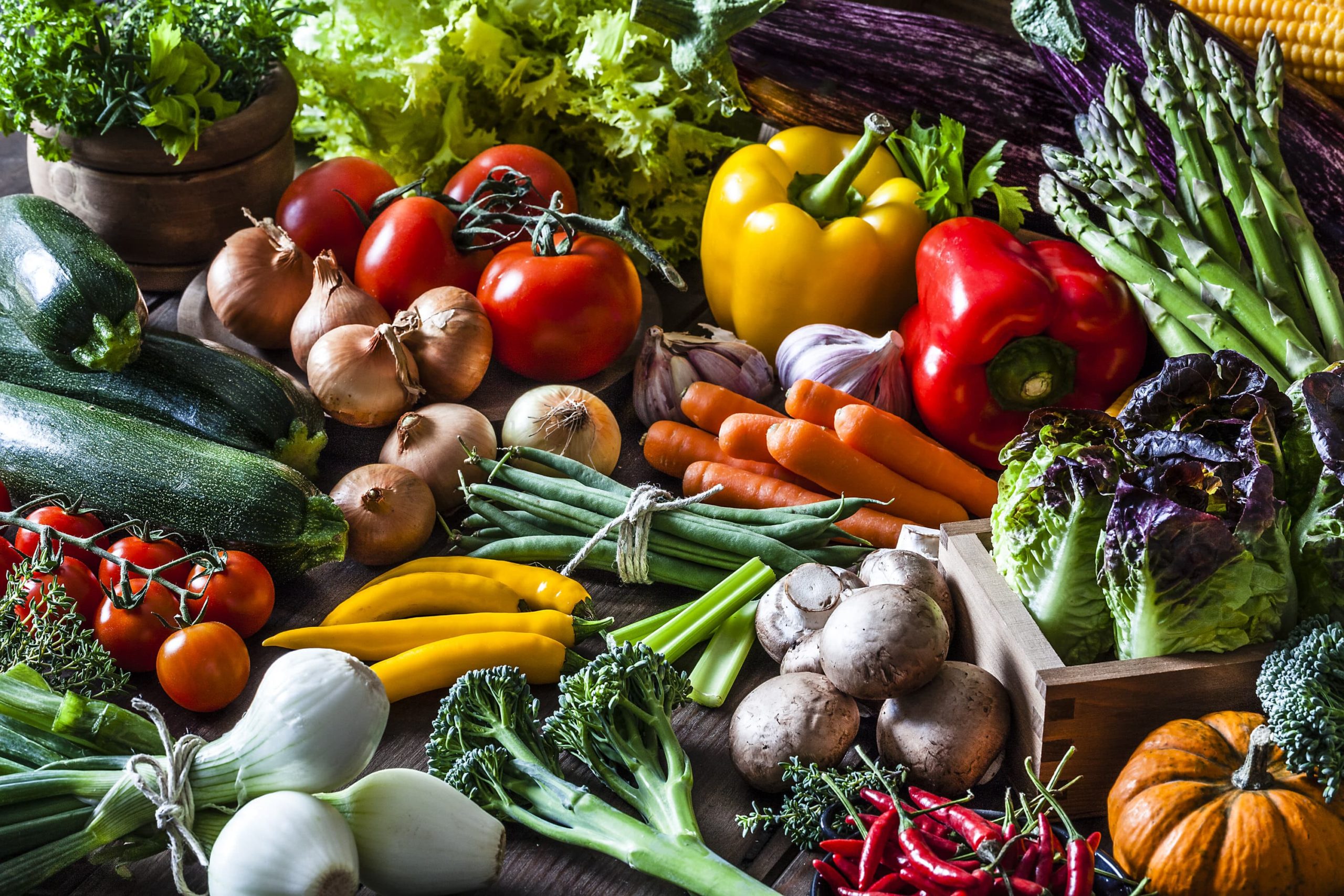
Vegetable starts, culinary herbs, strawberries, brambles, blueberries and grapes for the low desert — with planting dates that work in Queen Creek, from people who grow here.
Two growing seasons. One nursery that plans for both.
Vegetable gardening in the East Valley runs on a different calendar from the one on the seed packet. We get a long, mild cool season from October through March that grows the best lettuce, broccoli and cilantro you’ve ever eaten, and a short, early warm season where tomatoes and peppers have to be in the ground by March to fruit before the heat. Desert Horizon Nursery stocks the herb and vegetable benches around those two windows — cool-season starts arrive in September, warm-season starts from mid-February — so what’s on the bench is what should go in the ground that week.
Alongside the vegetable starts you’ll find culinary herbs in 4-inch pots and gallons, strawberries every fall, and a growing selection of berries, grapes and fruiting vines that actually produce here: thornless blackberries, low-chill blueberries, Bababerry raspberries, table and wine grapes, goji and passion fruit. If you garden in Queen Creek, San Tan Valley, Gilbert, Chandler or Mesa, this is your edible-garden stop — and the advice is free.

tomatoes ◦ basil ◦ cilantro ◦ kale ◦ peppers ◦ rosemary ◦ strawberries ◦ blackberries ◦ blueberries ◦ grapes ◦ artichokes ◦ lettuce
Step into the edible garden
Herbs, vegetable starts and berries live together in one part of the nursery, so you can plan a whole bed in one lap. Bring your bed dimensions or a photo of the space and we’ll help you fill it.
What to plant, and when
Timing is most of the game in the low desert. These windows follow the University of Arizona Cooperative Extension calendar for Maricopa County, adjusted for Queen Creek, which runs a little colder than central Phoenix on winter nights. Transplants unless noted.
September – November
Fall: the big planting season
The best three months of the year to plant almost anything.
- Lettuce, spinach, arugula, kale, chard, bok choy
- Broccoli, cauliflower, cabbage, Brussels sprouts, kohlrabi
- Peas, carrots, beets, radishes, turnips (from seed)
- Onion sets and transplants; garlic cloves in October–November
- Strawberries — plant in October for a February–May harvest
- Cilantro, dill, parsley, chives, chamomile
- Perennial herbs, berries, grapes and vines from containers
December – February
Winter: keep planting, watch the nights
Frost is possible from December into February. Cool-season crops don’t mind; young transplants appreciate frost cloth on the coldest nights.
- Second sowings of lettuce, greens, peas and root crops through February
- Artichoke transplants and asparagus crowns
- Bare-root grapes and blackberries in January–February
- Prune grapes and dormant brambles in January–February
- Tomatoes and peppers can start under frost cloth in late January or February — the earlier they set fruit, the bigger the harvest
Mid-February – April
Spring: tomatoes go in early
The warm season here is short at the front end. Anything that has to set fruit before the heat needs to be in the ground by the end of March.
- Tomatoes, peppers, eggplant, tomatillos — mid-February through March
- Basil once nights stay above 50°F, usually March
- Squash, cucumbers, Armenian cucumbers, melons, beans, corn from April
- Sweet potato slips from April
- Last chance for lettuce and cilantro before they bolt
May – August
Summer: heat lovers and shade cloth
Most spring crops finish by June. What thrives now is what evolved for heat.
- Okra, black-eyed peas, tepary beans, Armenian cucumbers, melons, sweet potatoes
- Basil, lemongrass, Mexican tarragon, epazote, Cuban oregano
- Chiltepin and other peppers under 30–50% shade cloth
- Late July–August: a second round of tomatoes and peppers for a fall crop if the monsoon cooperates
- Late August: the first cool-season transplants of the new year
Windows are guidance, not rules — a warm February or a cold December shifts everything by two or three weeks. When in doubt, ask us what went on the benches this week.
What you’ll find on the benches
Vegetable and herb starts turn over fast and change with the season, so treat this as a guide to the varieties we look for — the ones with a track record in the low desert — rather than a live stock list. For what’s on the bench today, call (480) 987-3308 or check Instagram. Berries, grapes and perennial edibles have their own pages in the plant catalog below.
Herbs
Culinary first, ornamental second — every one of these earns a place in the kitchen
Plant Oct – Feb
Cool-season annual herbs
The herbs that hate our summer and love our winter. Plant in fall, harvest all winter, then let them flower for the bees in April.
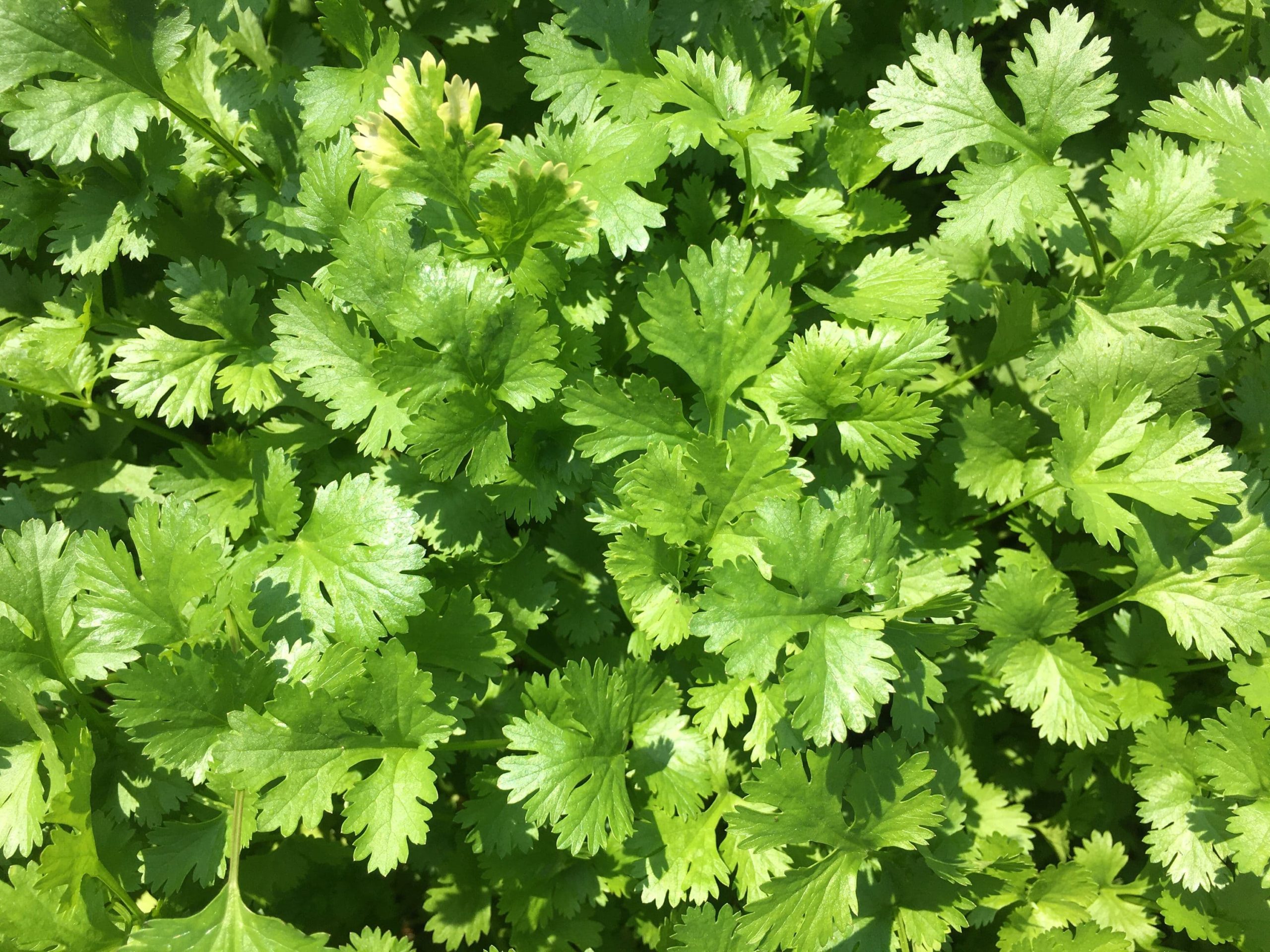
- Cilantro — the crop that proves the calendar; bolts as soon as spring heats up
- Parsley — Italian flat-leaf and curly; often carries into a second year
- Dill — ‘Bouquet’, and ‘Fernleaf’ for containers
- Chervil, chamomile, borage, fennel
- Chives & garlic chives — perennial, but establish them now
- Calendula & nasturtium — edible flowers that double as pest patrol
Plant Mar – Sep
Warm-season herbs
Heat-lovers that go in when the tomatoes do and run until frost.
- Basil — Genovese for pesto, Thai, lemon, purple ‘Dark Opal’, and African blue basil, a near-perennial the bees never leave
- Lemongrass — a 4-foot clump by September; freezes back, returns — in the catalog
- Mexican tarragon (Tagetes lucida) — French tarragon gives up here; this doesn’t
- Cuban oregano, epazote, papalo, stevia
- Lemon verbena — afternoon shade, and it’s the best-smelling plant you own
Plant Oct – Apr
Perennial & Mediterranean herbs
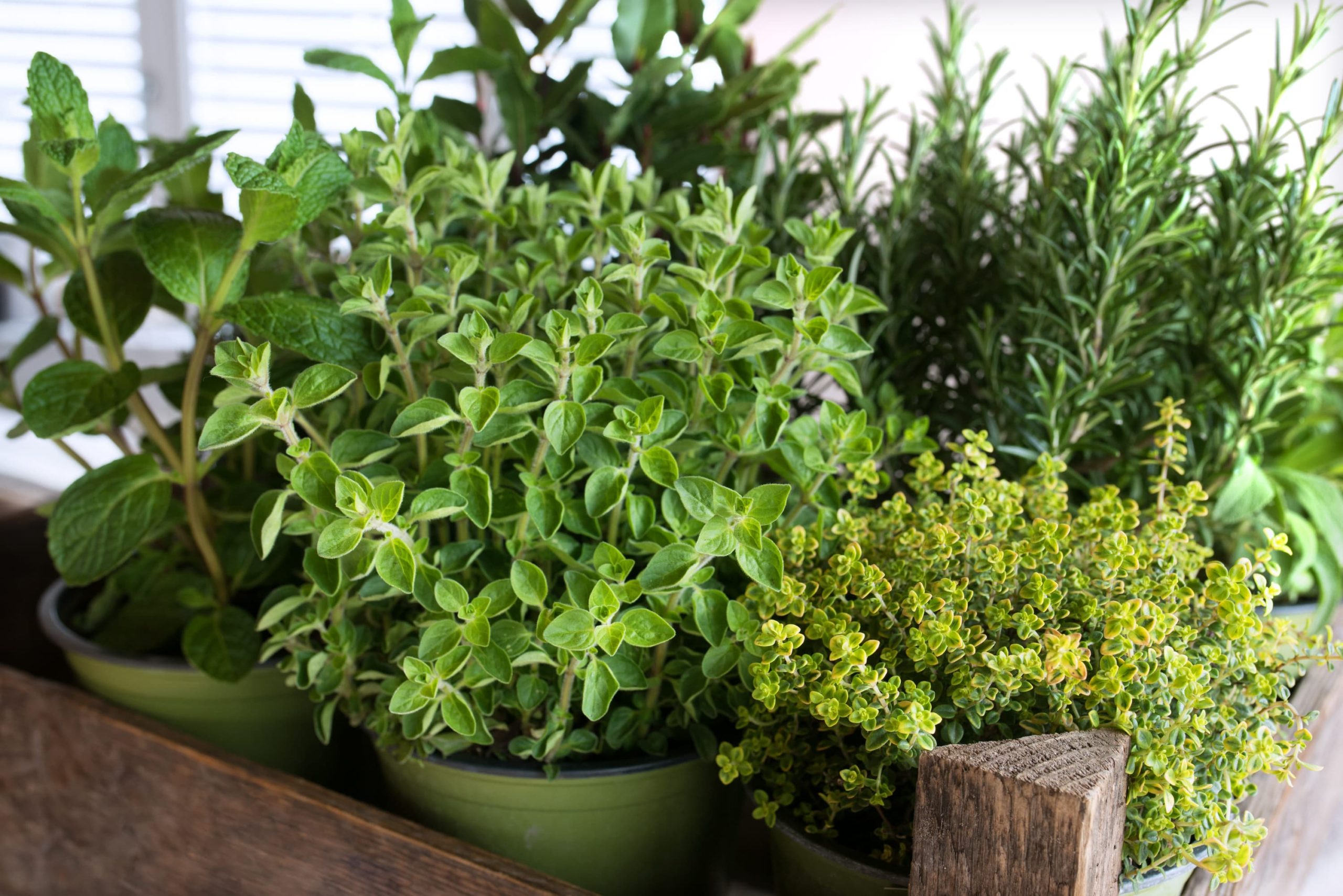
Plant once, harvest for years. Full sun, sharp drainage, and less water than you think once established.
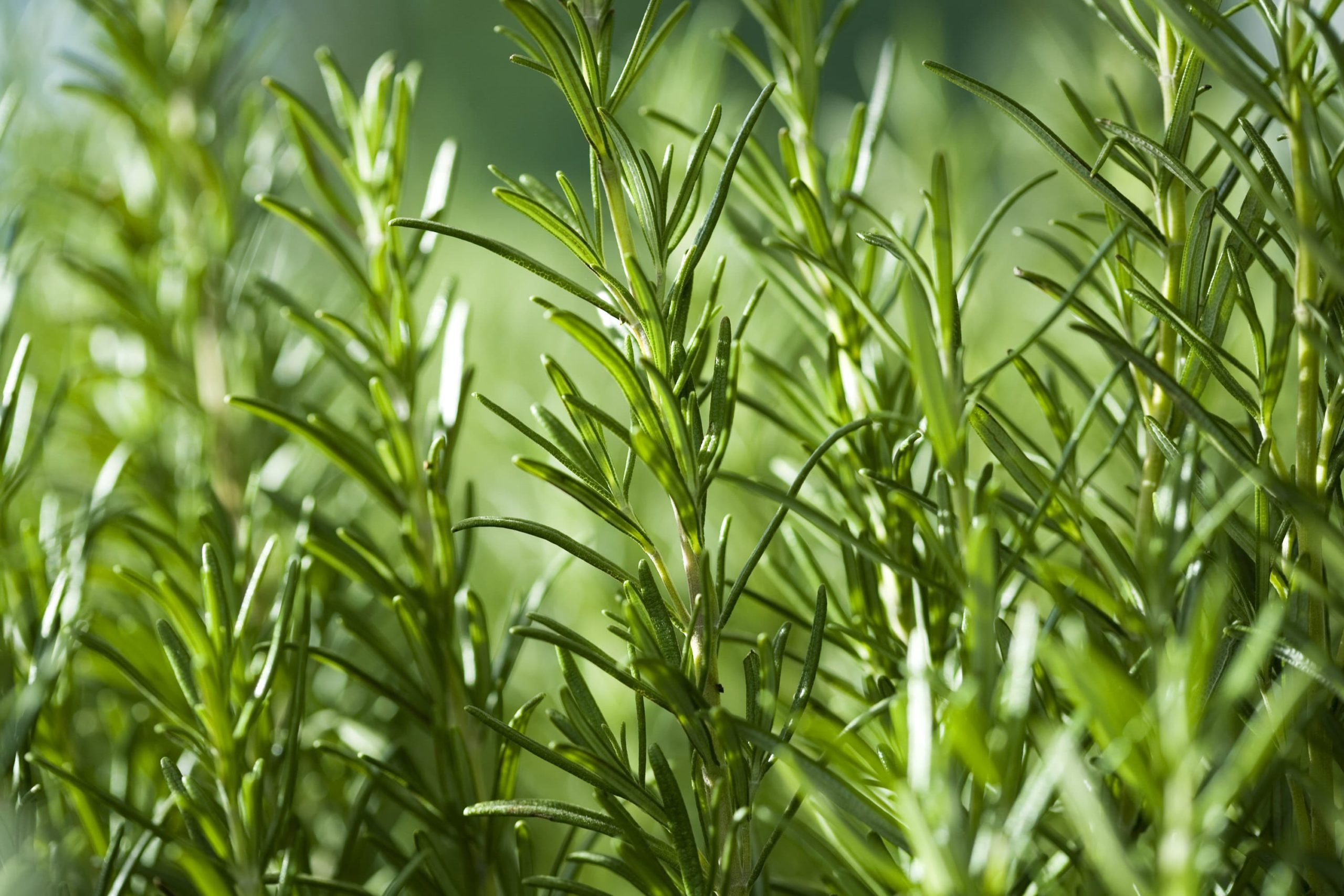
- Rosemary — upright ‘Tuscan Blue’ and ‘Hill Hardy’ for hedges; ‘Huntington Carpet’ and ‘Prostratus’ to spill over walls
- Thyme — English, lemon, creeping
- Oregano — Greek for the kitchen; Mexican oregano (Lippia graveolens) for heat and salsa
- Sage — garden sage, ‘Berggarten’, purple, tricolor; give it afternoon shade in July
- Lavender — Spanish ‘Javelin Forte’ and ‘Goodwin Creek Grey’ handle our summers best; English lavender wants afternoon shade and perfect drainage
- Mint — spearmint, peppermint, mojito, chocolate; morning sun, a pot, and plenty of water
- Bay laurel (‘Little Ragu’), curry leaf, marjoram, savory
Vegetables
Starts in 4-inch pots and six-packs, in season; seed for the root crops
Plant Sep – Feb
Salad greens & leafy crops
The easiest vegetables you can grow here, and the ones that taste most different from the store.
- Lettuce — romaine, butterhead, red and green leaf, mesclun mixes; cut-and-come-again all winter
- Kale — ‘Lacinato’ (dinosaur), ‘Red Russian’, curly ‘Winterbor’
- Swiss chard — ‘Bright Lights’, ‘Fordhook Giant’; often lasts into summer with shade
- Spinach, arugula, mizuna, bok choy, tatsoi
- Collards & mustard greens
Plant Sep – Jan
Broccoli, cabbage & the brassicas
Set out as transplants in fall so they head up before spring heat. Watch for cabbage loopers; row cover solves most of it.
- Broccoli — ‘Green Magic’, ‘Packman’, sprouting types for repeat cuts
- Cauliflower — ‘Snow Crown’, plus purple and cheddar types
- Cabbage — green, red, Napa and savoy
- Brussels sprouts — plant in September; they need the whole winter
- Kohlrabi — fast, sweet and underrated
Plant Sep – Mar
Roots, peas & alliums
Mostly from seed, sown straight into the bed.
- Carrots — ‘Nantes’, ‘Danvers’, rainbow blends
- Beets, radishes, turnips
- Peas — ‘Sugar Snap’, ‘Oregon Sugar Pod’ snow peas; plant October–February
- Onions — short-day types only: ‘Texas 1015Y’, ‘Granex’, ‘Red Burgundy’; sets and transplants in fall
- Garlic — softneck ‘California Early’ cloves in October–November
- Leeks, green onions, shallots
Plant mid-Feb – Mar
Tomatoes
The low-desert rule: short-season varieties, planted early. Blossoms stop setting fruit once days pass the mid-90s, so a 60-day tomato planted in late February out-produces an 85-day heirloom every time. Determinate and cherry types are the safest bets.
- ‘Early Girl’ and ‘Bush Early Girl’ — the Valley standard
- ‘Celebrity’, ‘Champion’, ‘Ace 55’, ‘Better Boy’, ‘Big Beef’
- ‘Sun Gold’, ‘Sweet 100’, ‘Juliet’, grape and yellow pear cherries — the most reliable fruit you’ll get
- ‘Roma’ and ‘San Marzano’ for sauce
- ‘Heatmaster’, ‘Phoenix’, ‘Solar Fire’ — bred to set in heat
- Heirlooms (‘Brandywine’, ‘Cherokee Purple’, ‘Black Krim’) — plant the earliest and give them afternoon shade
Plant Feb – Apr
Peppers, eggplant & tomatillos
More heat-tolerant than tomatoes, and most will carry through summer under shade cloth and fruit again in fall.
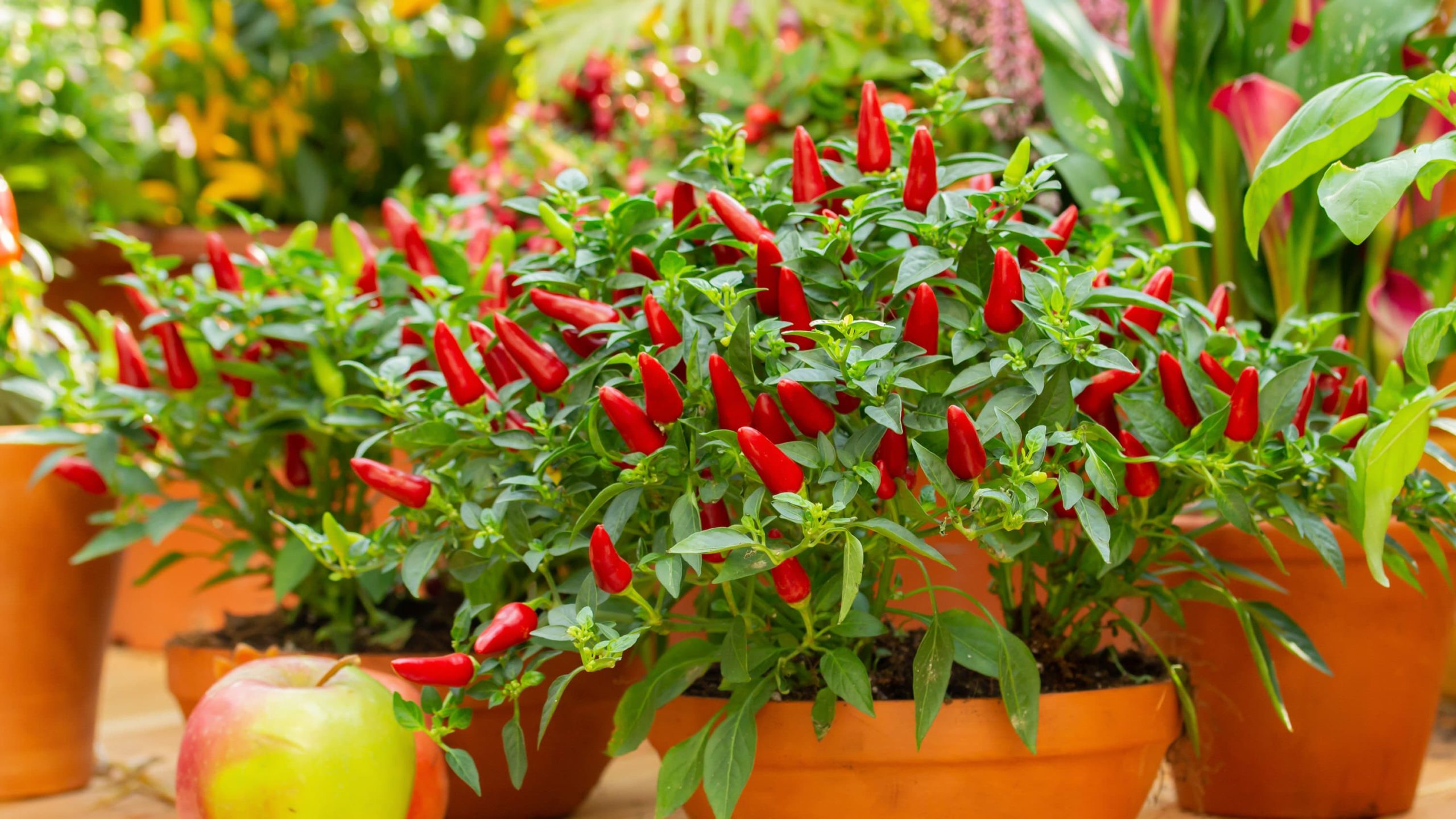
- Chiltepin — the wild chile of the Sonoran Desert, a perennial shrub here in filtered shade — in the catalog
- Jalapeño, serrano, Anaheim/Hatch, poblano, Fresno, habanero, Thai, shishito
- Bell peppers — need afternoon shade to size up; ‘California Wonder’, ‘Big Bertha’
- Eggplant — Japanese ‘Ichiban’ and ‘Millionaire’ outperform the big globes; ‘Black Beauty’, ‘Rosa Bianca’
- Tomatillos — plant two for pollination
Plant Apr – Jul
Squash, melons & summer crops
The crops that shrug at 110°F. Mostly direct-sown; starts in spring.
- Armenian cucumber — technically a melon, and the only cucumber that never turns bitter here
- Zucchini & yellow squash; winter squash and pumpkins planted by July for fall
- Melons — cantaloupe, honeydew, ‘Sugar Baby’ and ‘Crimson Sweet’ watermelon
- Okra — ‘Clemson Spineless’, ‘Burgundy’
- Beans — bush and pole snap beans in spring; black-eyed peas and tepary beans for the monsoon
- Sweet corn, sweet potato slips
Berries, grapes & fruiting vines
Non-tree fruit — figs, pomegranates and mulberries are on the fruit trees page
Plant October
Strawberries
Strawberries are a fall crop here. Plant in October, pick from February into May, then either nurse them through summer in afternoon shade or replant next fall — most of us replant.
- ‘Chandler’, ‘Sequoia’, ‘Camarosa’ — the big spring producers
- ‘Seascape’ and ‘Albion’ — day-neutral, fruiting over a longer window
- Raised beds, pots or strawberry jars with rich, well-drained mix; keep the fruit off wet soil
Plant Oct – Mar
Blackberries & boysenberries
The most productive berry for the low desert, and thornless varieties make it painless. Morning sun, afternoon shade in summer, a wire or fence to lean on, and a hard prune of fruited canes after the May–June harvest.
- ‘Black Satin’ thornless — semi-erect, dependable
- ‘Triple Crown’ thornless — big fruit, vigorous
- ‘Natchez’, ‘Ouachita’, ‘Arapaho’ — erect, no trellis needed
- ‘Superlicious’ — a hybrid bramble with sweet, dark berries; afternoon shade
- Thornless boysenberry — trailing, needs support, unbeatable flavor
‘Black Satin’ · ‘Triple Crown’ · ‘Superlicious’ · Boysenberry
Plant Oct – Feb
Raspberries
The hardest berry to grow here — but not impossible if you pick the right one and give it an east-facing spot with real afternoon shade, deep mulch and steady water.
- ‘Bababerry’ (Baba Red) — bred for heat; the one that works in Phoenix
- ‘Dorman Red’, ‘Heritage’ — fall-bearing; cut all canes to the ground in February
- Never against a south or west wall — reflected heat cooks them
Plant Oct – Feb
Blueberries
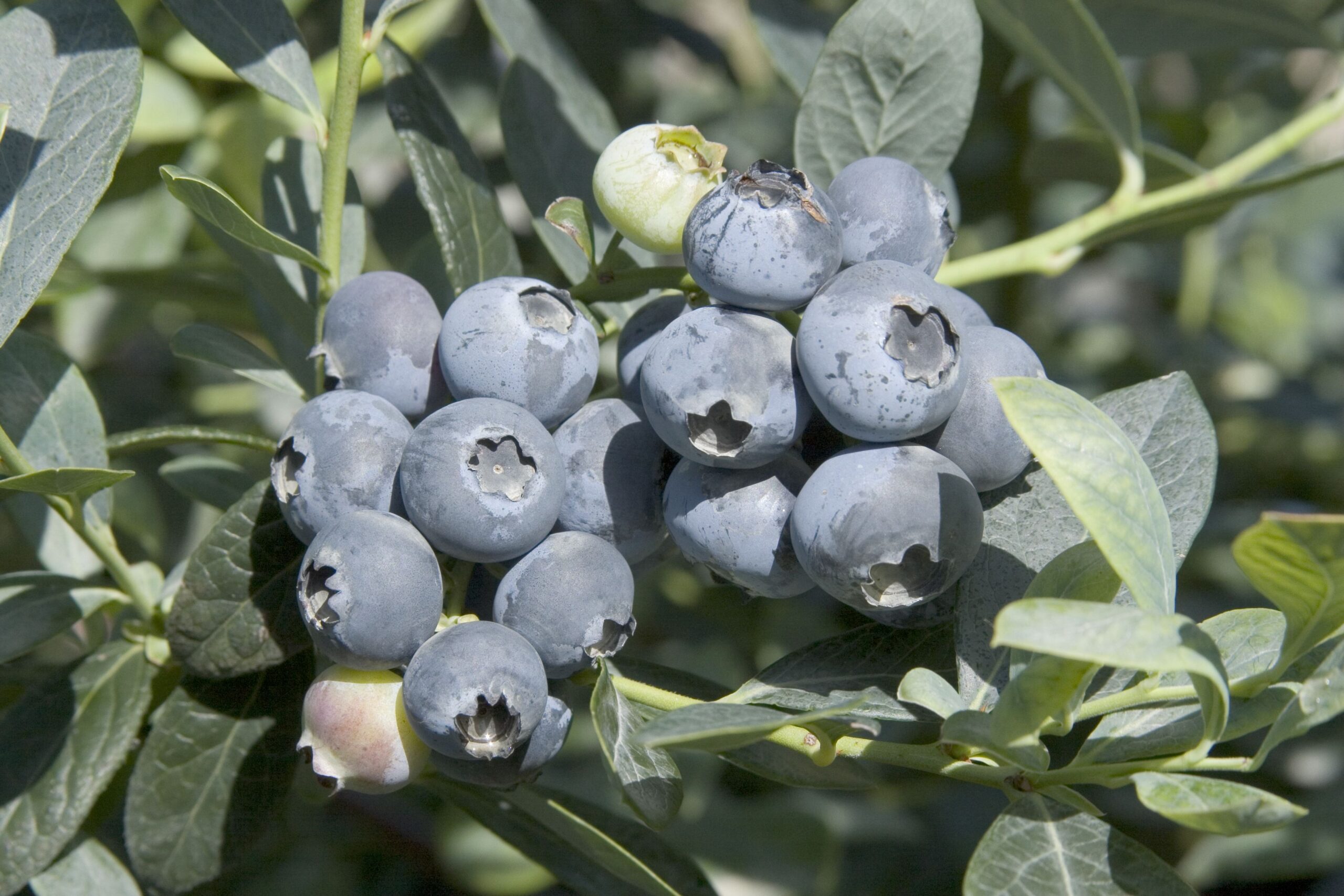
Yes, in Arizona — with two non-negotiables. Only low-chill southern highbush varieties (the East Valley gets a few hundred chill hours, not a thousand), and only in containers of acidic mix, because our alkaline soil and water kill them in the ground. Afternoon shade, two varieties for cross-pollination, and acidify the water.
- ‘Misty’, ‘Sunshine Blue’, ‘Sharpblue’, ‘Jewel’, ‘Emerald’ — 150–300 chill hours
- ‘O’Neal’, ‘Star’, ‘Jubilee’ — higher chill; give them the coldest, shadiest corner you have
Plant Jan – Mar
Grapes
Grapes love it here. Full sun, a sturdy arbor or wire, deep infrequent water, and a hard prune every January. Harvest June–July, before the birds and the leaf skeletonizers find them.
- ‘Thompson Seedless’, ‘Perlette’, ‘Princess’ — green table grapes
- ‘Flame Seedless’, ‘Fantasy Seedless’, ‘Black Monukka’ — red and black
- ‘Zestful Lollipop’ — a newer seedless from the IFG breeding program
- ‘Cabernet Sauvignon’, ‘Zinfandel’ — wine grapes for the ambitious
Thompson · Flame · Perlette · Princess · Fantasy · Zestful Lollipop · Cabernet · Zinfandel
Plant Oct – Apr
Vines & other perennial edibles
- Passion fruit — ‘Possum Purple’ and ‘Frederick’; a fast fence-eater with fruit from late summer; cover below 28°F
- Goji berry — thrives in heat and alkaline soil; sprawling, so give it room or a trellis
- Artichoke — ‘Green Globe’, ‘Imperial Star’; a 4-foot silver plant that feeds you every March
- Asparagus — crowns in January–February; two years of patience, then twenty of harvest
- Moringa — the fastest tree you’ll ever plant, with edible leaves
- Dragon fruit, pineapple guava, papaya — over on our tropical fruit page
This season on the benches
Eight plants we’d put in a Queen Creek garden this fall, and the live catalog of berries, grapes and perennial edibles we keep pages for.
Staff picks for fall planting
Swipe → Cards link to the plant’s page where one exists.

Cilantro
Coriandrum sativum

Fragaria × ananassa

Cynara scolymus

Vaccinium, southern highbush

Rubus ‘Black Satin’, thornless

Vitis vinifera
Capsicum annuum var. glabriusculum

Salvia rosmarinus
In the catalog
Live from our plant catalog — Edibles.

Growing food in the low desert
Almost every vegetable-gardening book was written for a place with one growing season and rain. Here’s what changes when your garden is in Queen Creek.
Timing beats everything else
We don’t have a growing season; we have two, with a hostile summer in between. Cool-season crops go in from late September through February and coast through our mild winter. Warm-season crops go in from mid-February through March so they set fruit before daytime highs pass the mid-90s in late May — a tomato planted in May will grow beautifully and give you almost nothing. Follow the calendar above and half the battle is won.
Sun — “full sun” means something different in July
From October to April, give vegetables all the sun you can. From May to September, most of them want relief from about 1 PM: 30–50% shade cloth over tomatoes, peppers, greens and berries, or a bed on the east side of the house. Mediterranean herbs — rosemary, thyme, oregano, lavender — take full sun year-round. Mint, parsley, cilantro and lettuce never want a west wall.
Frost — it happens, and it’s easy to handle
Queen Creek sits on the cold edge of the Valley; nights can dip below freezing from December into February. Cool-season vegetables shrug it off. Tomatoes, peppers, basil, passion fruit and young citrus don’t — cover them with frost cloth (not plastic) on nights forecast below 32°F and uncover in the morning. Keep a few lengths on hand from November; we stock it.
Soil — build it, don’t fight it
Native soil here is alkaline, low in organic matter and often sits on caliche that drains like concrete. Raised beds or large containers filled with a quality vegetable mix are the shortcut most successful East Valley gardeners take. In the ground, dig wide, work in three to four inches of compost every season, and test drainage before you plant. Blueberries are the exception that proves the rule: pots only, acidic mix only.
Water — deep, consistent, and on a timer
Drip irrigation on a timer is the single best investment in a desert vegetable garden; hand-watering works until the first week you travel in June. Water deeply so roots go down, keep the schedule consistent (tomatoes crack and blossom-end rot sets in when watering swings), and mulch two to three inches to keep the soil cool. Containers can need water every day in summer — a bigger pot buys you margin.
Chill hours — why the variety on the tag matters
Blueberries, blackberries and grapes count cold hours below 45°F over winter to set fruit properly. The East Valley accumulates a few hundred, not the thousand-plus of a northern winter, so a variety bred for low chill will out-produce a famous northern one every time. The berries and grapes we bring in are chosen with that in mind — ask us which ones need the coolest corner of your yard.
Bring us your garden plan
A sketch of the bed, its sun exposure and what you want to eat — we’ll help you choose varieties and time the planting. Advice is free.
Everything the garden needs besides the plants
The difference between a garden that produces and one that sulks is usually below the surface. Our soil and mulch yard carries raised-bed and vegetable mixes, compost, worm castings and Tony’s Magic Mix for building living soil — plus mulch to keep beds cool. Inside you’ll find organic vegetable fertilizers, soil acidifier for blueberries, frost cloth and shade cloth, tomato cages and trellis, drip irrigation parts, and seed racks in season. For herbs and strawberries, the pottery yard has terracotta, glazed pots and strawberry jars.


This week’s starts, on Instagram
Vegetable starts come in fresh through the season and the good varieties go first. Instagram is where we post what came off the truck; the newsletter is where we announce the season’s first tomatoes and strawberries.
Grow herbs & vegetables in containers
No yard, bad soil, or a patio that bakes? Our free Container Gardening class covers pots, mixes, watering and which herbs, greens and vegetables thrive in containers through an Arizona fall and winter. Seats are limited — reserve on our classes and events page, and check the Arizona gardening calendars for month-by-month reminders.
From people who garden with us
Vegetable garden questions we get every week
Where can I buy vegetable plants and herbs near Queen Creek?
Right here. Desert Horizon Nursery, 19250 S Ellsworth Rd in Queen Creek, carries vegetable starts, culinary herbs, strawberries, berries and grapes in season — about 15 minutes from San Tan Valley and 20 from Gilbert and Chandler. We’re open seven days a week.
When should I plant tomatoes in Queen Creek?
Mid-February through March. Tomatoes stop setting fruit once daytime temperatures pass the mid-90s, so the goal is a plant that’s flowering by April. Choose short-season varieties (about 60–70 days) such as ‘Early Girl’, ‘Celebrity’ or the cherry types, and keep frost cloth handy for the odd cold night in February. A second, smaller planting in late July or August can give you a fall crop.
What vegetables can I plant in the fall in Arizona?
Almost everything that isn’t a summer fruit: lettuce and the salad greens, kale, chard, spinach, broccoli, cauliflower, cabbage, Brussels sprouts, peas, carrots, beets, radishes, onions, garlic, strawberries, and herbs like cilantro, parsley and dill. October is the single best planting month of the year here — see the planting calendar above.
Can you grow blueberries in Arizona?
Yes, in containers. Use low-chill southern highbush varieties such as ‘Misty’, ‘Sunshine Blue’ or ‘Sharpblue’, plant them in an acidic potting mix rather than native soil, give them afternoon shade, and acidify your irrigation water. Two different varieties planted together set more fruit.
Which berries grow well in the Phoenix area?
Thornless blackberries are the most reliable, followed by boysenberries, strawberries (as a fall-planted crop), goji and passion fruit. Grapes are excellent here. Raspberries are possible with ‘Bababerry’ and serious afternoon shade. All of them want morning sun and protection from reflected west-facing heat.
Do you sell organic or heirloom vegetable starts?
[Confirm DHN’s answer and state it plainly — e.g. “We carry both organically grown and conventional starts, and heirloom tomato and pepper varieties each spring; organics are tagged on the bench.”]
Do you carry vegetable and herb seeds?
[Confirm — e.g. “Yes, seed racks are stocked for both seasons, including varieties selected for the low desert.” Delete this item if not.]
Do you have a plant guarantee?
[Confirm DHN’s policy and state it plainly — e.g. “Vegetable starts, herbs and berries aren’t covered by our tree and shrub warranty, but if something goes wrong in the first week, bring it back with your receipt and we’ll make it right.” Delete this item if there is no policy.]
Visit the nursery
Desert Horizon Nursery
- 19250 S Ellsworth Rd, Queen Creek, AZ 85142
- (480) 987-3308
- Monday–Saturday 7 AM – 5 PM
- Sunday 9 AM – 4 PM
The herb and vegetable benches are [location on the property — e.g. “just inside the main entrance, past the pottery”]; any staff member can point you there. Locally owned, locally grown, and a short drive from San Tan Valley, Gilbert, Chandler and Mesa.