Keep the root zone consistently moist but not waterlogged, especially during flowering and fruiting. Use drip irrigation; increase watering during extreme heat and check containers frequently.
Size
6-8 ft tall × 4-6 ft wide (with support)
Habit
Mounded – spreading shrub – trailing canes
Toxicity
Non-toxic
Description
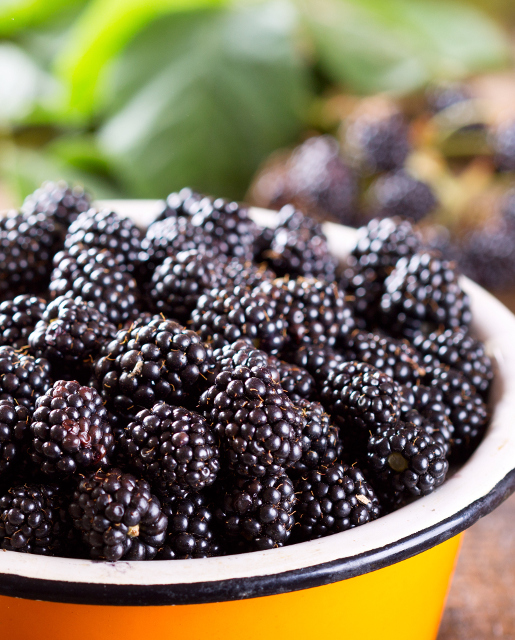
A mostly thornless, trailing bramble producing large, dark purple-red berries with a sweet-tart flavor. Growing and fruiting can be challenging in Phoenix because of extreme summer heat and limited winter chilling.
Light: Morning sun with afternoon shade; avoid reflected heat from walls and pavement. Summer shade cloth can reduce leaf scorch and fruit sunburn.
Water: Keep the root zone consistently moist but not waterlogged, especially during flowering and fruiting. Use drip irrigation; increase watering during extreme heat and check containers frequently.
Soil: Well-drained soil enriched with compost; slightly acidic soil, approximately pH 5.5–6.5, is preferred. Raised beds or large containers can help manage Phoenix’s alkaline soils.
Mature size: Approximately 4–6 feet tall when trellised, with a 6–10-foot spread; trailing canes may reach 10–15 feet long.
Bloom: White flowers in spring on second-year canes, followed by berries in late spring to early summer. Timing and yield depend on winter chilling and spring temperatures.
Evergreen / deciduous: Deciduous; may retain some leaves during mild winters.
Growth rate: Fast with adequate moisture, nutrition, and protection from excessive heat.