

Compact ‘Fernleaf’ dill — feathery leaves for the kitchen, then yellow umbels the swallowtails and beneficial wasps love. A cool-season herb here: October through February.
Dill is a winter herb in the low desert. Planted in October it makes a foot-tall plume of blue-green threads for fish, pickles and potatoes all winter, then bolts to flat yellow flowers in March and April. ‘Fernleaf’ is a dwarf selection bred to stay compact and leaf longer before flowering, which suits pots and small beds. Let the last plants flower: dill umbels are one of the best plants in the garden for hoverflies, lacewings and parasitic wasps, and they host swallowtail caterpillars.
We commonly carry organic ‘Fernleaf’. Full sun, moderate water, and plant it once — dill resents being moved. The rest of the edible benches are on our Herbs & Vegetables page.
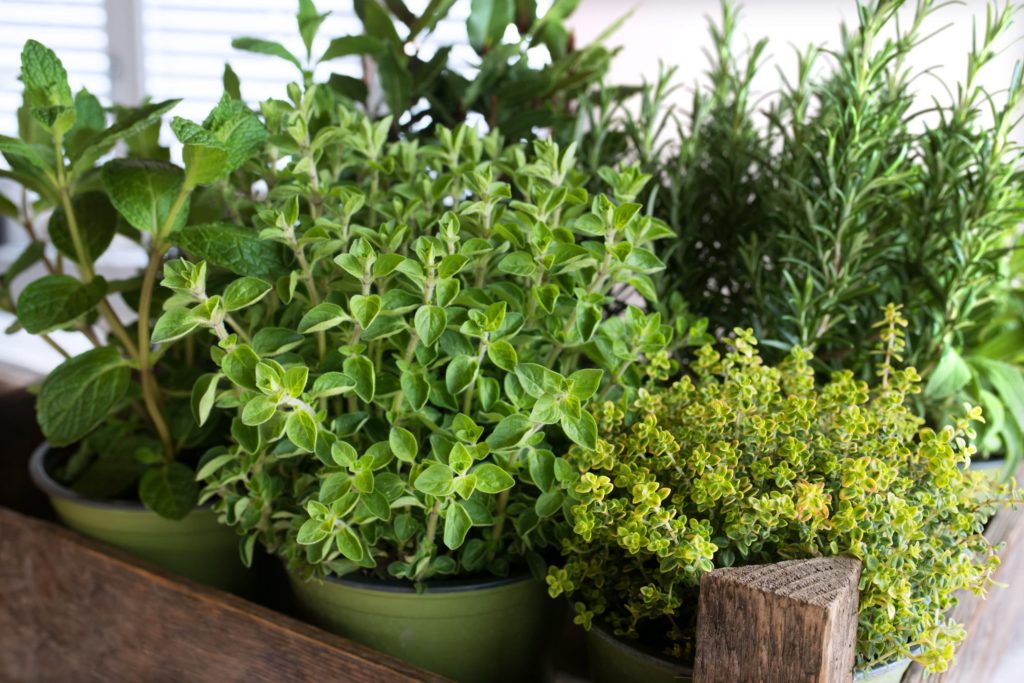
This is the dill we commonly carry. Availability changes week to week and season to season, so call (480) 987-3308 or stop in to see what’s on the bench today.
Dwarf dill to about eighteen inches with dense, fine, blue-green foliage and a longer leaf season before bolting than standard dill. Self-seeds gently.
Looking for one that isn’t listed? Ask — we can usually suggest a close match or tell you when it tends to come around.
The care tag was written somewhere else. This is the Queen Creek version.
Set out transplants from October through February. Fall planting gives the longest leaf harvest before spring heat sends it to flower. Dill sown or planted in April bolts within weeks. It dies at the first freeze only if very young; established plants take light frost.
Well-drained, moderately rich soil. Water every three or four days in fall and spring, weekly in winter; it tolerates drying slightly but bolts faster under stress. Dill has a taproot and hates root disturbance — plant the pot’s root ball intact, once, and don’t move it. Stake tall plants in wind.
When it bolts, leave it. The umbels feed beneficial insects for weeks, then the seed ripens brown; collect it for cooking and for sowing in October, or let it drop and expect volunteers in the fall. Black swallowtail caterpillars eat dill as happily as parsley.
Full sun. Dill in shade grows thin and floppy. Afternoon shade in March and April buys a week or two before bolting but is not necessary through winter.
Snip leaves from the outside from the time the plant is six inches tall; regular cutting delays flowering. Cut whole heads for pickling when the flowers open or the seed is green. Dill leaf loses flavor dried — freeze it instead.
A light balanced fertilizer once a month is plenty; rich feeding makes it floppy. Aphids on the flower stalks in spring; hose them off or leave them for the ladybirds the flowers attract. Dill is non-toxic to pets.
Photo of the bed, how much sun it gets and what you want to eat — we’ll match varieties and planting dates to it. Advice is free.
We stock raised-bed and vegetable planting mix, compost and steer manure by the bag or the yard, organic vegetable fertilizers, tomato cages and stakes, shade cloth for the May-to-September stretch, frost cloth for January, and drip fittings. The pottery yard has half-barrels and 15-gallon pots for patio vegetables, and soil and mulch is sold by the bag or by the yard.
October through February. It is a cool-season herb here and bolts in spring heat.
Heat, drought stress, or transplant shock — dill hates having its roots disturbed. Plant in fall, keep it evenly watered, and set the root ball in once without teasing it apart.
Leave a few plants. Dill flowers feed hoverflies, lacewings and the tiny wasps that control aphids and caterpillars, and the seed is useful in the kitchen.
Every three or four days in fall and spring, weekly in winter. Moderate, even moisture.
Black swallowtail larvae — the same ones that eat parsley. Plant enough to share.
Yes, dill is non-toxic to cats and dogs.
Dill live on the herb and vegetable benches; any staff member can point you to them. Locally owned, and a short drive from San Tan Valley, Gilbert, Chandler and Mesa.