

Flat-leaf parsley — the cook’s parsley — for the cool season. Plant October through February, harvest all winter, and let the last plants flower for the swallowtails.
In most of the country parsley is a summer herb. In the low desert it is a winter one: planted in fall, it grows lush and sweet through the cool months, bolts and turns bitter when the heat arrives in May, and is replaced the next October. Grown that way it is one of the most productive plants in the winter garden — a single plant yields handfuls every week for six months.
We commonly carry flat-leaf Italian parsley through the cool season. Morning sun, rich soil, steady water. The rest of the edible benches are on our Herbs & Vegetables page.
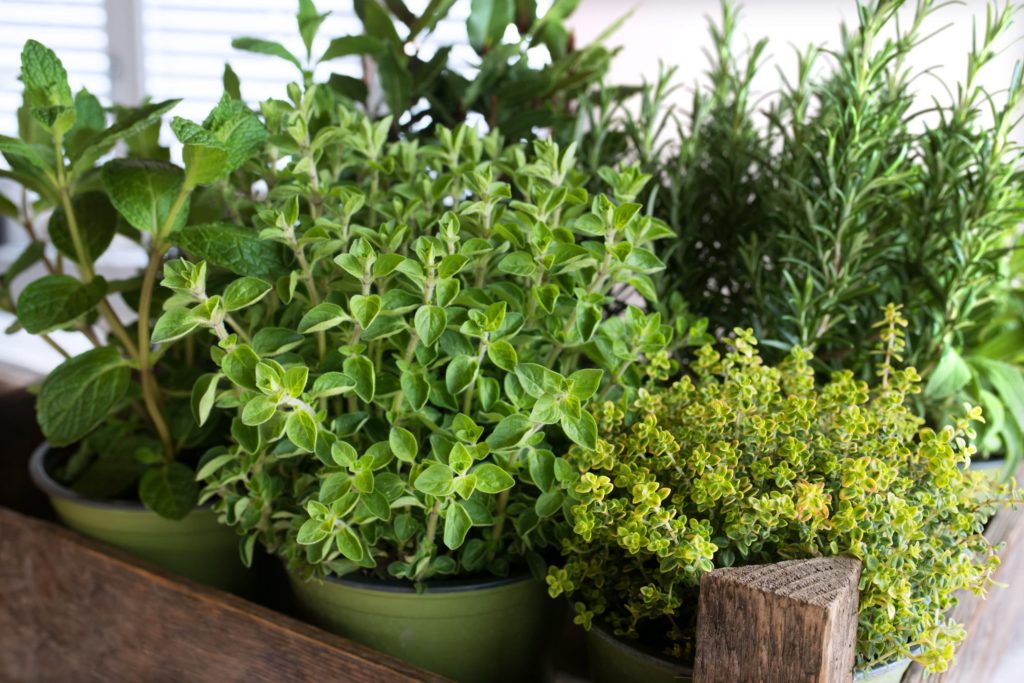
This is the italian parsley we commonly carry. Availability changes week to week and season to season, so call (480) 987-3308 or stop in to see what’s on the bench today.
Petroselinum crispum var. neapolitanum: flat, deeply cut, dark green leaves with a stronger, cleaner flavor than curly parsley. Cool-season crop, October through April; a biennial that bolts in its second spring or the first hot spell.
Looking for one that isn’t listed? Ask — we can usually suggest a close match or tell you when it tends to come around.
The care tag was written somewhere else. This is the Queen Creek version.
Set out transplants from October through February. Fall-planted parsley is the most productive, growing through the mild winter without a check. Spring plantings bolt within weeks once afternoons hit 90°F in May. Parsley is technically biennial and will flower in its second season regardless.
Rich, well-drained soil with plenty of compost, or a good potting mix in a deep pot — parsley has a taproot. Keep it evenly moist: every two to three days in fall and spring, every four or five in winter. Drought stress makes the leaves tough and hastens bolting. Mulch beds.
A balanced or fish fertilizer every three to four weeks through the season. When a flower stalk rises in late spring, the leaves turn bitter — pull the plant, or leave it: the flat yellow umbels feed beneficial insects, and the seed can be saved.
Full sun through the winter; morning sun with afternoon shade extends the harvest into May and June. In summer shade a few plants sometimes limp through, but the leaves are tough and bitter — better to replant in fall.
Cut outer stems at the base as you need them, leaving the center to keep producing; never shear the whole plant. Regular harvesting keeps it growing. Parsley freezes well chopped in oil for the summer months when there is none in the garden.
Black swallowtail caterpillars — green with black-and-yellow bands — eat parsley in spring. Plant enough to share; they become one of the prettiest butterflies in the garden. Aphids in warm spells; hose them off. Parsley is non-toxic to pets in culinary amounts.
Photo of the bed, how much sun it gets and what you want to eat — we’ll match varieties and planting dates to it. Advice is free.
We stock raised-bed and vegetable planting mix, compost and steer manure by the bag or the yard, organic vegetable fertilizers, tomato cages and stakes, shade cloth for the May-to-September stretch, frost cloth for January, and drip fittings. The pottery yard has half-barrels and 15-gallon pots for patio vegetables, and soil and mulch is sold by the bag or by the yard.
October through February. It is a cool-season herb here and bolts in May heat. Fall planting gives the longest harvest.
It bolted — triggered by heat or by reaching its second season. Pull it and replant in October, or leave the flowers for the beneficial insects.
Every two to three days in fall and spring, every four or five days in winter. Keep it evenly moist; drought toughens the leaves.
Black swallowtail butterfly larvae. They are worth hosting; plant an extra parsley or two and enjoy the butterflies.
Cut the outer stems at the base and leave the center growing. Harvest regularly and it keeps producing all winter.
Yes, in a deep pot of good potting mix — it has a taproot. Water when the top inch is dry.
Italian Parsley live on the herb and vegetable benches; any staff member can point you to them. Locally owned, and a short drive from San Tan Valley, Gilbert, Chandler and Mesa.