

‘Tango’ — a tender, early celery for the winter garden. Transplant October through January into rich soil with constant moisture, harvest the outer stalks from February, and pull it before it bolts in April.
Celery has a reputation as a difficult vegetable, and in most climates it is. In the low desert it is straightforward if you meet one condition: it must never dry out. Celery is a marsh plant; a single dry spell makes the stalks stringy, hollow and bitter, and nothing fixes them afterward. Give it a drip line, mulch, rich soil and a long cool season and you get crisp, deep-green stalks with far more flavor than the supermarket’s.
We commonly carry ‘Tango’, an early, tender, self-blanching variety. October to January planting, February to April harvest. The rest of the edible benches are on our Herbs & Vegetables page.
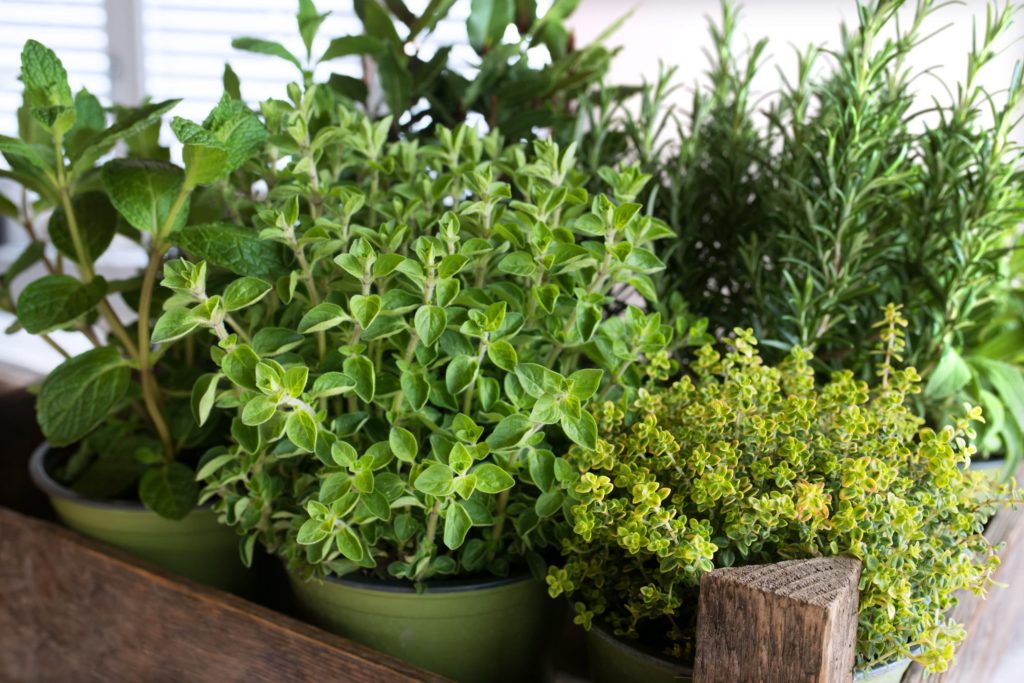
This is the celery we commonly carry. Availability changes week to week and season to season, so call (480) 987-3308 or stop in to see what’s on the bench today.
An early, upright celery with smooth, tender, stringless stalks and a compact habit; about 85 days from transplant and more tolerant of warm spells than older types.
Looking for one that isn’t listed? Ask — we can usually suggest a close match or tell you when it tends to come around.
The care tag was written somewhere else. This is the Queen Creek version.
Transplant from October through January; October and November give the longest season. Celery needs three to four months of cool weather and bolts when spring afternoons pass the mid-80s, so plantings after January rarely size up. Protect young plants with frost cloth on nights below 30°F — a cold snap on small plants can also trigger bolting.
The richest, most moisture-retentive soil in the garden: heavy compost, a balanced organic fertilizer, and a bed that never dries. Space plants 8–10 inches apart; close spacing helps the stalks blanch each other. A deep container with drip also works.
Side-dress with a nitrogen-rich organic fertilizer every three weeks, or fish emulsion every two. Harvest the outer stalks from February as they reach size, leaving the center to keep growing, or cut the whole plant at the base in March. Pull everything before a flower stalk appears in April — bolted celery is bitter.
Full sun through winter, with afternoon shade from March to stretch the harvest into April. Celery in a warm, sunny corner bolts first.
Drip on a timer, every day in October and again from March, every two days through winter, with three inches of mulch. The soil should never dry below the surface. This is the whole secret to celery in Arizona.
Aphids in warm spells; hose them off. Leaf miners occasionally; remove affected leaves. Slugs after rain, rarely a problem here. Celery is non-toxic to pets, and the leaves are the most flavorful part for stock.
Photo of the bed, how much sun it gets and what you want to eat — we’ll match varieties and planting dates to it. Advice is free.
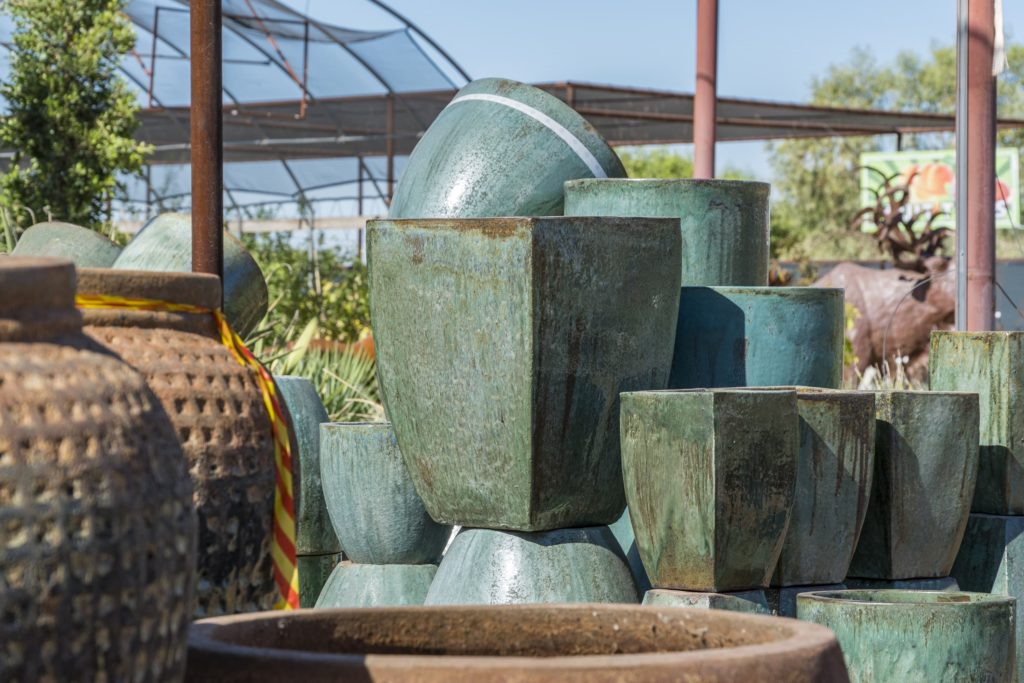
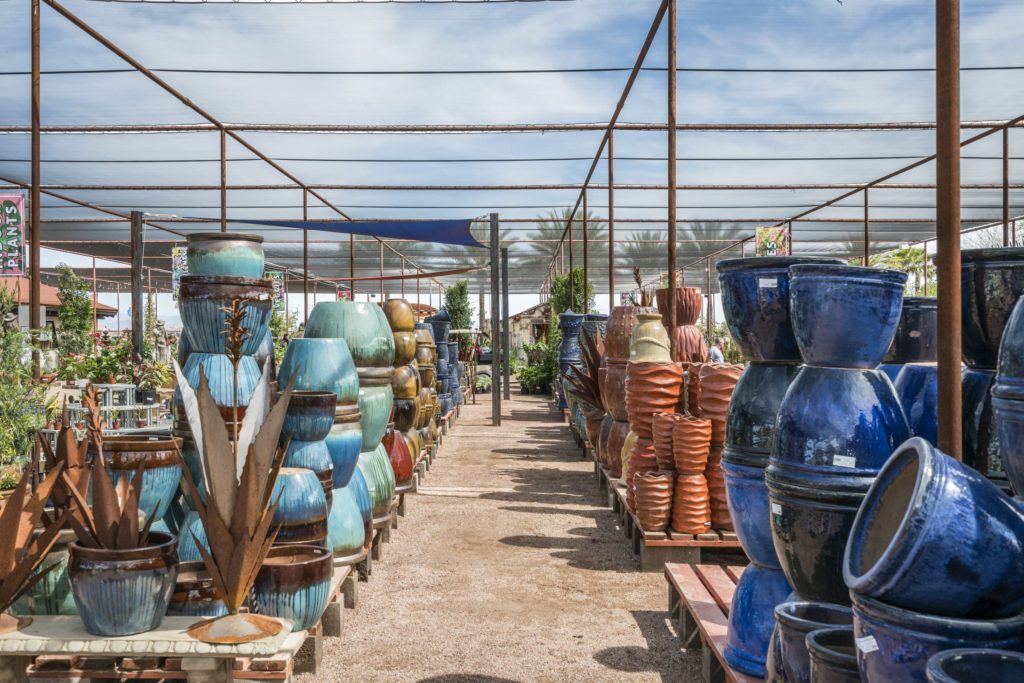
We stock raised-bed and vegetable planting mix, compost and steer manure by the bag or the yard, organic vegetable fertilizers, tomato cages and stakes, shade cloth for the May-to-September stretch, frost cloth for January, and drip fittings. The pottery yard has half-barrels and 15-gallon pots for patio vegetables, and soil and mulch is sold by the bag or by the yard.
Yes, from October to April, provided the soil never dries out. Drip irrigation and heavy mulch make it easy; hand-watering usually does not.
It dried out at some point, or it is bolting. Keep the soil constantly moist from planting, and harvest before April heat.
October through January, ideally October or November for the longest cool season.
Daily in October and from March, every two days through winter, on drip with mulch. It must never dry out.
Take the outer stalks as they reach size from February, leaving the center, or cut the whole plant at the base. Pull everything before it bolts in April.
Yes — celery is non-toxic and a common dog treat.
Celery live on the herb and vegetable benches; any staff member can point you to them. Locally owned, and a short drive from San Tan Valley, Gilbert, Chandler and Mesa.