Deep, regular irrigation during active growth and fruit development; Phoenix vines are not low-water plants. Let the upper few inches of soil dry between irrigations, and reduce watering substantially during winter dormancy.
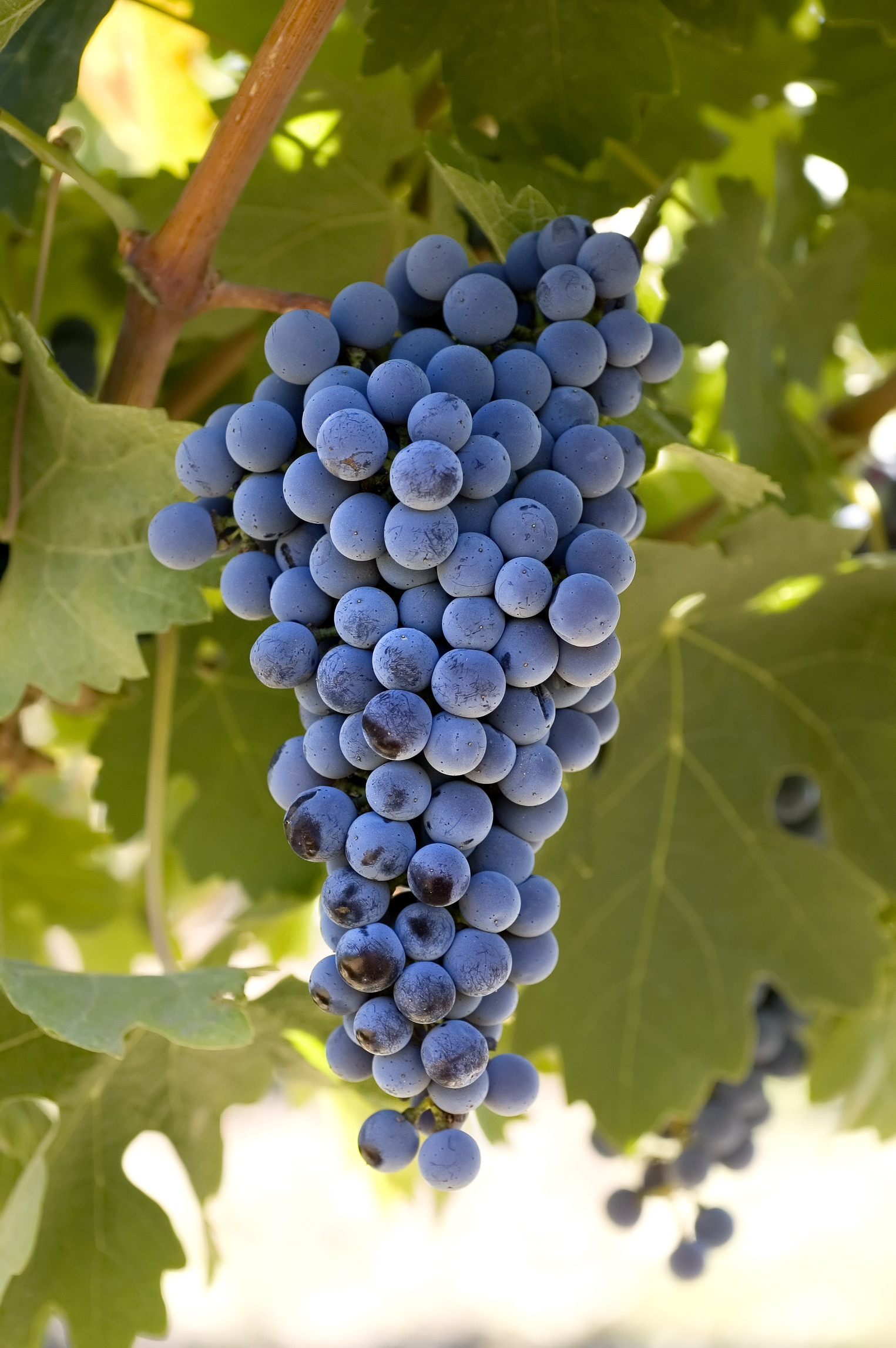
A vigorous woody grapevine producing clusters of small, dark purple-black grapes prized for full-bodied red wine. Can grow in Phoenix, though extreme summer heat can reduce fruit quality.
Fruit toxic to dogs (grapes cause kidney failure); edible for humans
Care Instructions
Light: Full sun, ideally with protection from intense western afternoon sun in Phoenix. Maintain foliage around fruit clusters to limit sunburn.
Water: Deep, regular irrigation during active growth and fruit development; Phoenix vines are not low-water plants. Let the upper few inches of soil dry between irrigations, and reduce watering substantially during winter dormancy.
Soil: Deep, well-drained loam or sandy loam preferred. Avoid waterlogged soil; alkaline Phoenix soils may cause iron chlorosis, and irrigation salts can accumulate.
Mature size: 15–20 feet long or more if unpruned; typically trained to approximately 6–8 feet tall and 8–12 feet wide with support and annual pruning.
Bloom: Small, inconspicuous flowers in spring; fruit ripens in summer to early fall, depending on local heat and growing conditions.