

Organic chamomile for the cool season — the daisy-flowered tea herb. Plant October through March, harvest the flowers as the petals fold back, and let a few go to seed.
Chamomile is a cool-season annual in the low desert: planted in fall, it makes a lacy, apple-scented mound through winter and covers itself in small white daisies from February until the May heat finishes it. The flowers, picked fresh or dried, are the tea. It is undemanding — full sun, light soil, moderate water — and self-sows gently if you let a few flower heads mature.
We commonly carry organic chamomile. Plant it with lettuce, calendula and parsley in the winter bed. The rest of the edible benches are on our Herbs & Vegetables page.
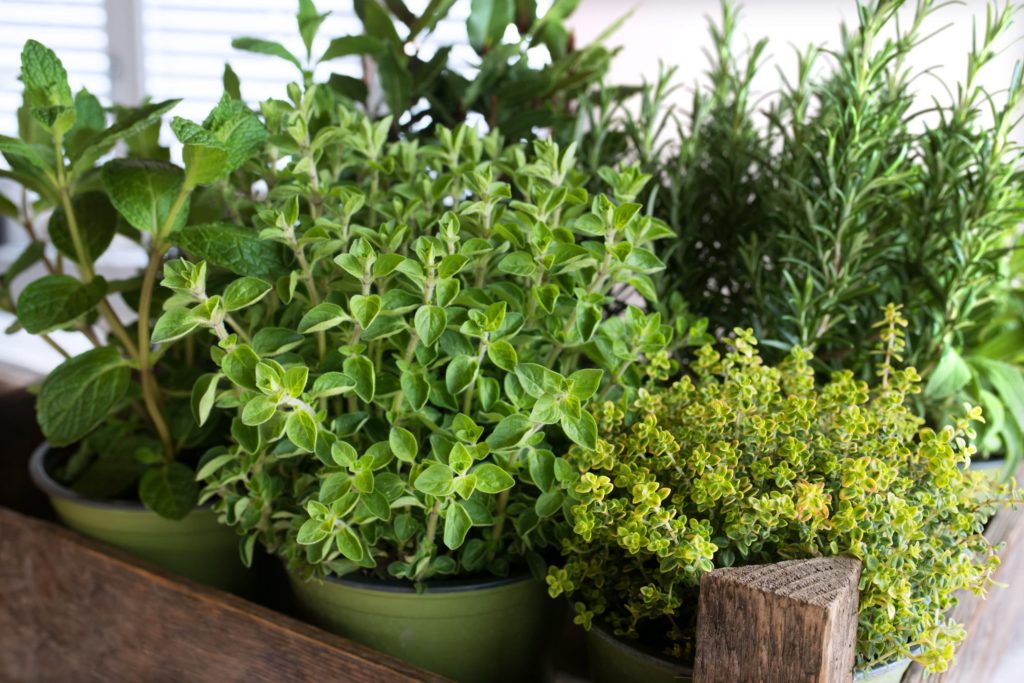
This is the chamomile we commonly carry. Availability changes week to week and season to season, so call (480) 987-3308 or stop in to see what’s on the bench today.
Feathery, apple-scented foliage on a mound to about eighteen inches, covered in small white-and-yellow daisies from late winter through spring. Cool-season annual here; self-sows.
Looking for one that isn’t listed? Ask — we can usually suggest a close match or tell you when it tends to come around.
The care tag was written somewhere else. This is the Queen Creek version.
Set out plants from October through March. Fall plantings grow the largest and flower longest; a March planting flowers quickly and is done by May. Chamomile fades once daytime highs pass the mid-90s and is pulled in late spring.
Light, well-drained soil — it tolerates our alkaline ground and dislikes rich, heavy, wet soil. Water every three or four days in fall and spring, weekly in winter. Moderate moisture; it flowers better slightly lean than lush.
Leave a few heads to brown and drop seed in the bed; volunteers appear in October with the first cool weather. Collect dry heads in a paper bag if you want to sow elsewhere.
Full sun through winter; afternoon shade in April and May extends the flowering by a couple of weeks. In shade it grows floppy and flowers little.
Pick the flower heads when the white petals start to fold back from the yellow center — that is peak flavor. Pinch them off with fingers or a comb, dry them on a screen out of the sun for a week, and store in a jar. Picking encourages more flowers. Fresh flowers make tea too, with a milder taste.
A light balanced fertilizer at planting is enough. Aphids in warm spells; hose them off. Chamomile is mildly toxic to cats and dogs if eaten in quantity, so keep it away from pets that graze.
Photo of the bed, how much sun it gets and what you want to eat — we’ll match varieties and planting dates to it. Advice is free.
We stock raised-bed and vegetable planting mix, compost and steer manure by the bag or the yard, organic vegetable fertilizers, tomato cages and stakes, shade cloth for the May-to-September stretch, frost cloth for January, and drip fittings. The pottery yard has half-barrels and 15-gallon pots for patio vegetables, and soil and mulch is sold by the bag or by the yard.
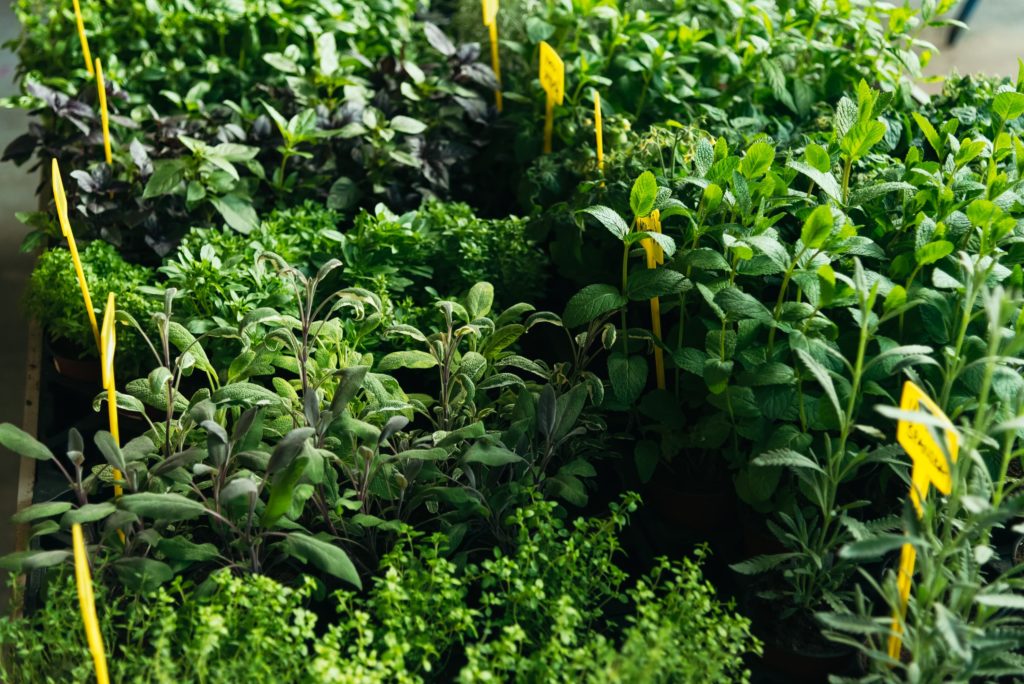
October through March. It is a cool-season annual here and finishes when the heat arrives in May.
When the white petals begin folding back from the yellow center. Pick every few days; it keeps producing.
Every three or four days in fall and spring, weekly in winter. It prefers slightly lean, well-drained conditions.
Not the same plant, but it self-sows freely if you let some flowers go to seed. Expect volunteers in October.
Ours is the annual German chamomile grown for tea. Roman chamomile is a perennial groundcover and struggles in our summers.
Mildly toxic to cats and dogs in quantity. Plant it where pets don’t graze.
Chamomile live on the herb and vegetable benches; any staff member can point you to them. Locally owned, and a short drive from San Tan Valley, Gilbert, Chandler and Mesa.