

Artemisia dracunculus ‘Sativa’ — the anise-flavored culinary tarragon. Worth growing in Queen Creek with expectations managed: afternoon shade, sharp drainage, a winter rest — and Mexican mint marigold planted beside it as the summer stand-in.
French tarragon is the tarragon that tastes of anise, béarnaise and tarragon vinegar, and it is the one culinary herb on this page that struggles in our summers. It wants cool nights and dry air, dislikes heat above about 100°F, and goes fully dormant in winter, disappearing to the roots. In Queen Creek it does best in a pot in afternoon shade, treated gently through July and August, and enjoyed most in spring and fall.
We commonly carry it, and we sell Mexican mint marigold next to it for a reason: same flavor, loves the heat. Plant both. The rest of the edible benches are on our Herbs & Vegetables page.
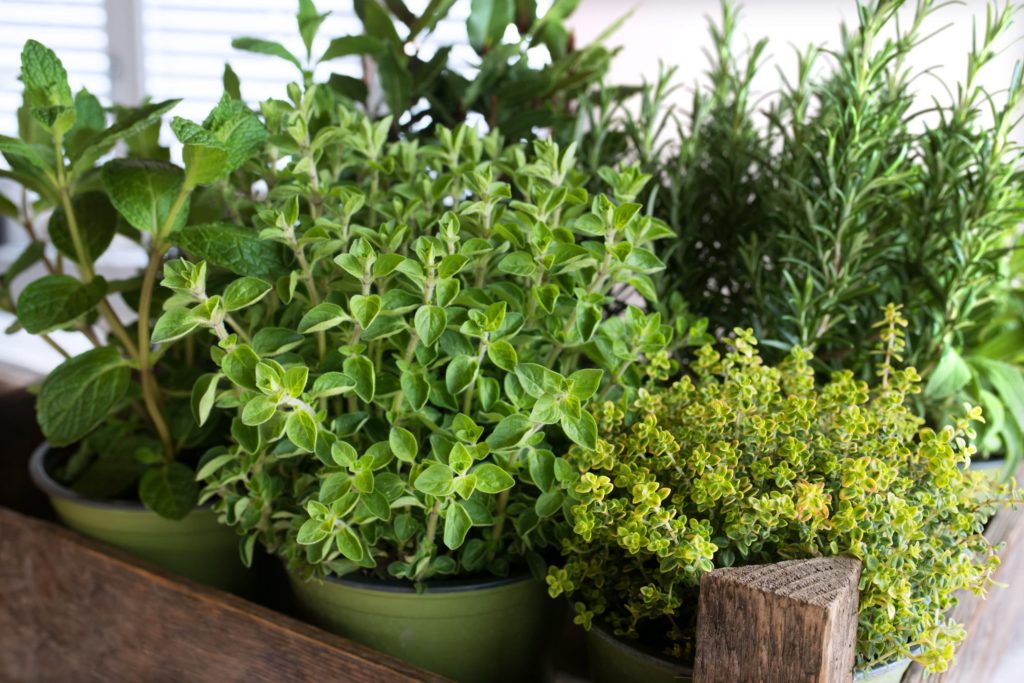
This is the french tarragon we commonly carry. Availability changes week to week and season to season, so call (480) 987-3308 or stop in to see what’s on the bench today.
True French tarragon, propagated from cuttings (it sets no viable seed): narrow, glossy, anise-scented leaves on a lax plant to two feet. Perennial, dormant in winter; give it afternoon shade and sharp drainage.
Looking for one that isn’t listed? Ask — we can usually suggest a close match or tell you when it tends to come around.
The care tag was written somewhere else. This is the Queen Creek version.
February through April, so the plant is established before summer. Fall planting works too, but the plant goes dormant almost immediately and you won’t see it until March. Avoid planting in summer.
Sharp drainage is essential — a gritty potting mix with added pumice, in a pot with a hole. Water when the top inch is dry: every two or three days in summer for a pot, weekly in spring and fall, barely at all in winter dormancy. Wet soil in monsoon season rots the roots.
In December the top growth dies back completely. Leave the roots in the pot, water sparingly, and new shoots appear in late February or March. Divide the root mass every two or three years in early spring to keep it vigorous — tarragon declines when crowded.
Morning sun and afternoon shade year-round in the low desert. Full sun in spring is tolerable; full sun in summer scorches it. A pot on the east side of the house or under a covered patio is the safest spot.
Expect the plant to look tired from July through August. Keep it in shade, water carefully, don’t feed, and cut back any browned stems. It revives with September’s cooler nights. Some years you will lose it; a new plant each spring is cheap insurance.
Snip the top few inches of stem as needed; flavor is best in spring and fall. Feed lightly with a balanced fertilizer in March and September only. Tarragon is mildly toxic to cats and dogs in quantity — keep it out of reach of pets that graze.
Photo of the bed, how much sun it gets and what you want to eat — we’ll match varieties and planting dates to it. Advice is free.
We stock raised-bed and vegetable planting mix, compost and steer manure by the bag or the yard, organic vegetable fertilizers, tomato cages and stakes, shade cloth for the May-to-September stretch, frost cloth for January, and drip fittings. The pottery yard has half-barrels and 15-gallon pots for patio vegetables, and soil and mulch is sold by the bag or by the yard.
With afternoon shade, sharp drainage and careful watering, usually — it will look tired in July and August and revive in September. Plant Mexican mint marigold alongside as the heat-proof substitute.
It is dormant, not dead. French tarragon dies back to the roots in December and resprouts in late February or March. Keep the pot barely moist and wait.
When the top inch is dry: every two or three days in summer for a pot in shade, weekly in spring and fall, very little in winter.
Yes — French tarragon (‘Sativa’), grown from cuttings. Seed-grown “Russian” tarragon is nearly flavorless; ours is not that.
Mildly toxic to cats and dogs if eaten in quantity. Grow it where pets don’t browse.
French Tarragon live on the herb and vegetable benches; any staff member can point you to them. Locally owned, and a short drive from San Tan Valley, Gilbert, Chandler and Mesa.