

Tagetes lucida — a tarragon-flavored perennial herb that loves Arizona heat, with golden marigold flowers in October and November. Plant it once, cut it down after frost, and it returns every spring.
Mexican mint marigold — also sold as Mexican tarragon or yerba anís — is the herb to grow when French tarragon has failed you. The narrow leaves have the same sweet anise flavor and go into the same dishes, but the plant is a Mexican native that thrives in full desert sun, shrugs off 110°F, and rewards you in October with a month of small gold marigold flowers that pollinators work hard. It is perennial here, dying back with frost and returning from the roots in spring.
Full sun, moderate water, and cut it to the ground after the first freeze. The rest of the edible benches are on our Herbs & Vegetables page.
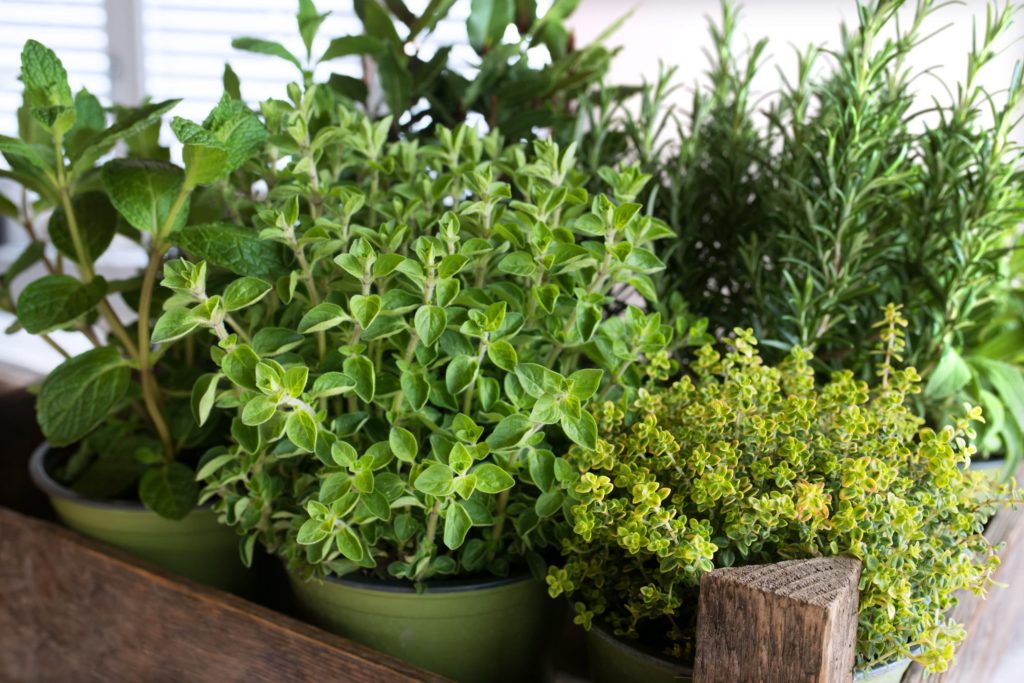
This is the mexican mint marigold we commonly carry. Availability changes week to week and season to season, so call (480) 987-3308 or stop in to see what’s on the bench today.
A bushy perennial to two or three feet with narrow, glossy, anise-scented leaves and clusters of small golden-yellow marigold flowers from late September into November. Full sun; frost-deciduous.
Looking for one that isn’t listed? Ask — we can usually suggest a close match or tell you when it tends to come around.
The care tag was written somewhere else. This is the Queen Creek version.
March through October — any time the ground isn’t frozen, though spring and early fall plantings establish fastest. A fall-planted start will flower briefly, die back with frost, and return in March as a much larger plant.
Any well-drained soil, amended or not. Water every three or four days in summer for the first season, then twice a week; every one to two weeks in the cool months. Established plants are moderately drought-tolerant but produce more leaf with regular water. It tolerates monsoon rain far better than French tarragon.
The first freeze in late November or December blackens the top growth. Cut the whole plant to two or three inches in December or January; it resprouts from the crown in March and reaches full size by June. Mulch the crown lightly in a hard winter.
Full sun, including afternoon sun, all year. It flowers and flavors best in the sunniest spot you have and grows floppy and mild in shade. Reflected heat off a wall is fine.
Snip stem tips as needed from spring through fall; flavor is strongest in the heat of summer. Use the leaves fresh in anything that calls for tarragon; the flowers are edible and make a bright garnish. Pinch tips in early summer to keep the plant bushy.
A balanced fertilizer once in spring is plenty. Spider mites in a hot dry corner; hose them off. Whiteflies occasionally in fall. Non-toxic to cats and dogs.
Photo of the bed, how much sun it gets and what you want to eat — we’ll match varieties and planting dates to it. Advice is free.
We stock raised-bed and vegetable planting mix, compost and steer manure by the bag or the yard, organic vegetable fertilizers, tomato cages and stakes, shade cloth for the May-to-September stretch, frost cloth for January, and drip fittings. The pottery yard has half-barrels and 15-gallon pots for patio vegetables, and soil and mulch is sold by the bag or by the yard.
Yes — the same anise flavor, slightly sweeter. Use it leaf for leaf in place of French tarragon.
Yes, all day, all summer. It is a Mexican native and prefers it.
Twice a week in summer once established, every one to two weeks in the cool months. More water means more leaf.
Yes. Cut the frost-blackened stems to a few inches in winter and it resprouts from the roots in March.
Late September into November, with clusters of small gold marigold flowers that bees and butterflies love.
Yes, non-toxic to cats and dogs.
Mexican Mint Marigold live on the herb and vegetable benches; any staff member can point you to them. Locally owned, and a short drive from San Tan Valley, Gilbert, Chandler and Mesa.