

Red cabbages ‘Red Acre’ and ‘Mammoth Red Rock’, plus fast pak choi ‘Joi Choi’ and ‘Mei Qing Choi’. Transplant September through January; the cabbages take all winter, the pak choi takes six weeks.
Cabbage and pak choi share a family and a season but not a pace. Head cabbage transplanted in fall sits through the winter building a dense head that is ready in February or March; pak choi is ready in six weeks from the same planting date and needs replanting every few weeks for a continuous supply. Both love a Queen Creek winter — cool, bright, long — and both bolt the moment spring turns warm, so everything goes in between September and January.
We commonly carry two red cabbages, ‘Red Acre’ and the enormous ‘Mammoth Red Rock’, and two pak chois, white-stemmed ‘Joi Choi’ and green-stemmed ‘Mei Qing Choi’. The rest of the edible benches are on our Herbs & Vegetables page.
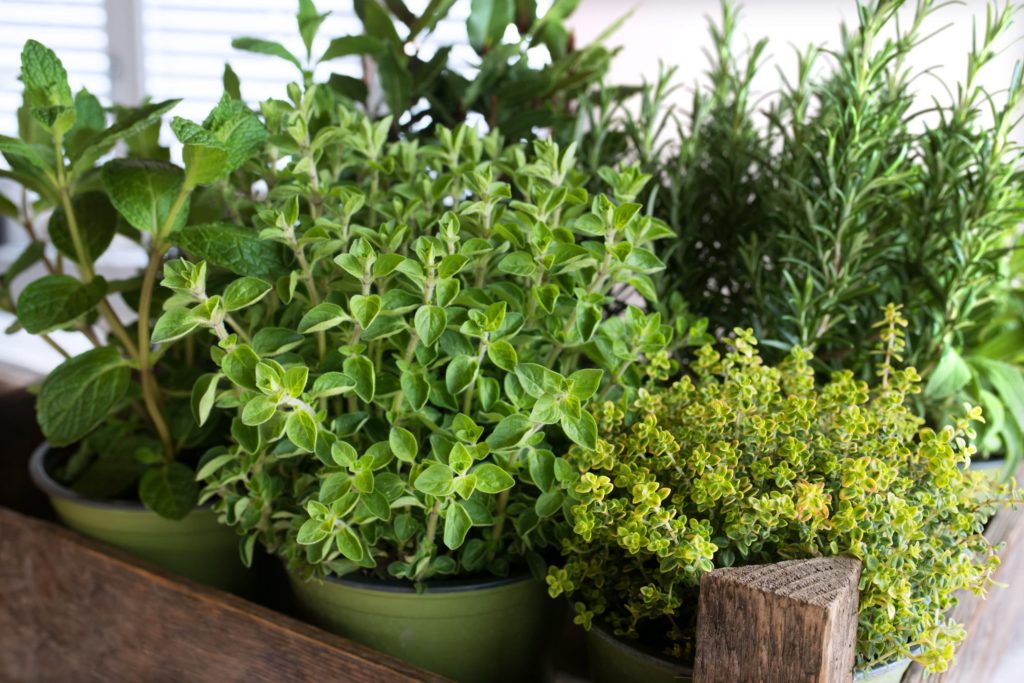
These are the cabbage varieties we commonly carry. Availability changes week to week and season to season, so call (480) 987-3308 or stop in to see what’s on the bench today.
transplant September–December · heads in late winter
A compact red cabbage with firm, deep purple heads of two to four pounds, about 75 days from transplant. Good in a small bed; resists splitting.
A heritage red cabbage that makes large, dense, sweet heads of five to eight pounds — plant it early, by October, and give it two feet.
transplant September–January · six weeks to harvest · plant in succession
A vigorous white-stemmed pak choi with dark green leaves, tolerant of both cool and warm spells; about 45 days. Harvest whole or by the outer stalks.
A baby green-stemmed pak choi (Shanghai type) with spoon-shaped stalks, ready in about 40 days at six inches tall. Tender and quick; plant every three weeks.
Looking for one that isn’t listed? Ask — we can usually suggest a close match or tell you when it tends to come around.
The care tag was written somewhere else. This is the Queen Creek version.
Cabbage from mid-September through December — the big ‘Mammoth Red Rock’ by October. Pak choi from mid-September through January, a few plants every three weeks; it goes from seedling to harvest in six weeks and bolts within days of the first warm week, so succession is the whole game. September plantings need shade cloth and daily water to establish.
Rich, compost-heavy soil with a balanced organic fertilizer at planting. Cabbage 18–24 inches apart; pak choi 8–10. Even moisture on drip — every two to three days in fall and spring, every four to five in winter — with mulch. Uneven water splits cabbage heads and makes pak choi bolt.
Cut cabbage when the head is firm to a squeeze, with a knife at the base; if a head is ready before you are, twist the plant a quarter turn to break some roots and slow it. Pak choi: cut the whole plant at soil level, or harvest outer stalks and let the center keep growing. Harvest anything showing a flower stalk immediately.
Full sun through winter. Shade cloth only while September afternoons are still above 100°F. Pak choi tolerates a little afternoon shade in a warm October or March and bolts slightly slower for it.
Side-dress cabbage with a nitrogen-rich organic fertilizer three weeks after planting and again when heads start to form. Pak choi gets one feed at three weeks. Both are heavy feeders and pale, slow plants are hungry.
Cabbage worms and loopers from planting day — floating row cover, or Bt every week or two. Aphids in warm spells, especially in pak choi crowns; hose them out. Harlequin bugs in a warm fall; hand-pick. Both crops are non-toxic to pets.
Photo of the bed, how much sun it gets and what you want to eat — we’ll match varieties and planting dates to it. Advice is free.
We stock raised-bed and vegetable planting mix, compost and steer manure by the bag or the yard, organic vegetable fertilizers, tomato cages and stakes, shade cloth for the May-to-September stretch, frost cloth for January, and drip fittings. The pottery yard has half-barrels and 15-gallon pots for patio vegetables, and soil and mulch is sold by the bag or by the yard.
Mid-September through December; large types by October. It heads in February or March. Pak choi goes in from mid-September through January, in successions.
A warm spell, or drought. Pak choi flowers within days of warm weather. Plant small batches every three weeks, keep the water even, and harvest promptly.
A surge of water after a dry spell, or the head was left too long. Keep watering even and harvest when firm; twisting the plant to break some roots slows a head you can’t cut yet.
Cabbage worms or loopers. Row cover from planting, or Bt every week or two, keeps the damage cosmetic.
Every two to three days in fall and spring, every four to five in winter, on drip with mulch.
Yes — take the outer stalks and leave the center. Or cut the whole plant at the base when it reaches size.
Cabbage live on the herb and vegetable benches; any staff member can point you to them. Locally owned, and a short drive from San Tan Valley, Gilbert, Chandler and Mesa.