Annual Flowers & Foliage
in Queen Creek
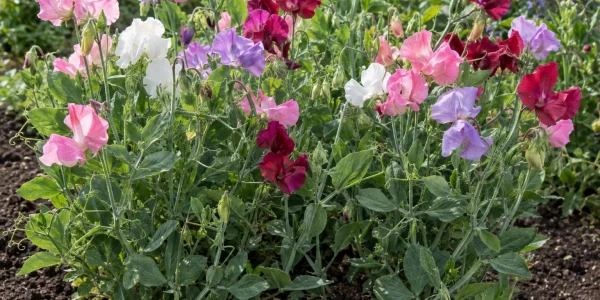
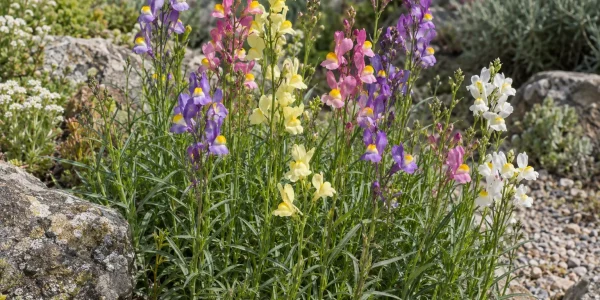
Beautiful color for every season — cool-season pansies and snapdragons from October, heat-proof vinca and zinnias for summer, and the foliage that ties a perfect flower bed together.


Year-round color for Arizona flower gardens: Annuals & Perennials
Annuals
Color that’s timed to Arizona, not the calendar
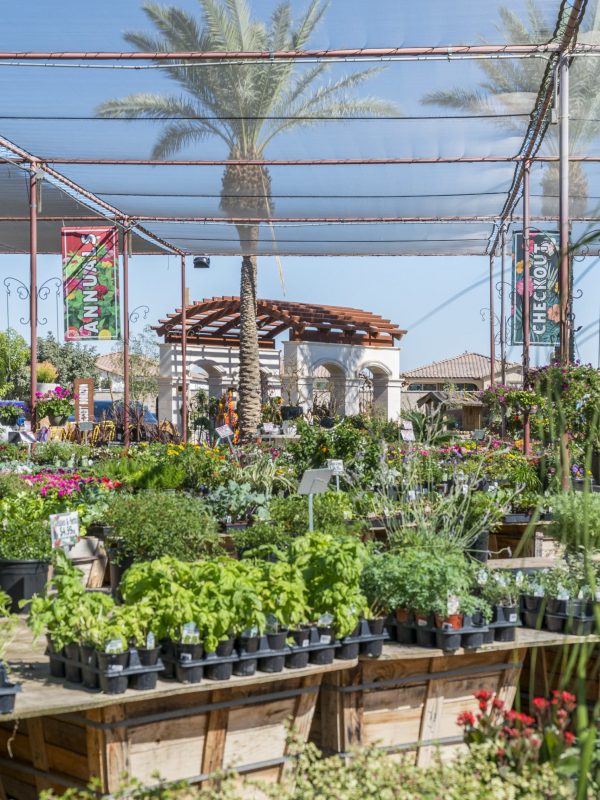
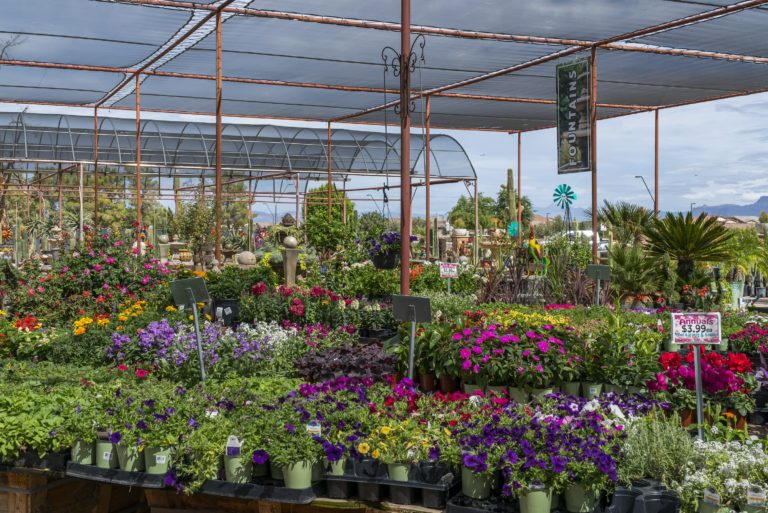
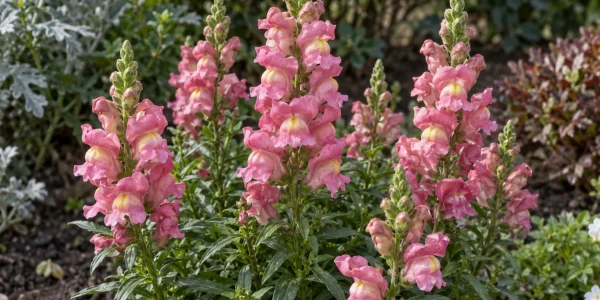
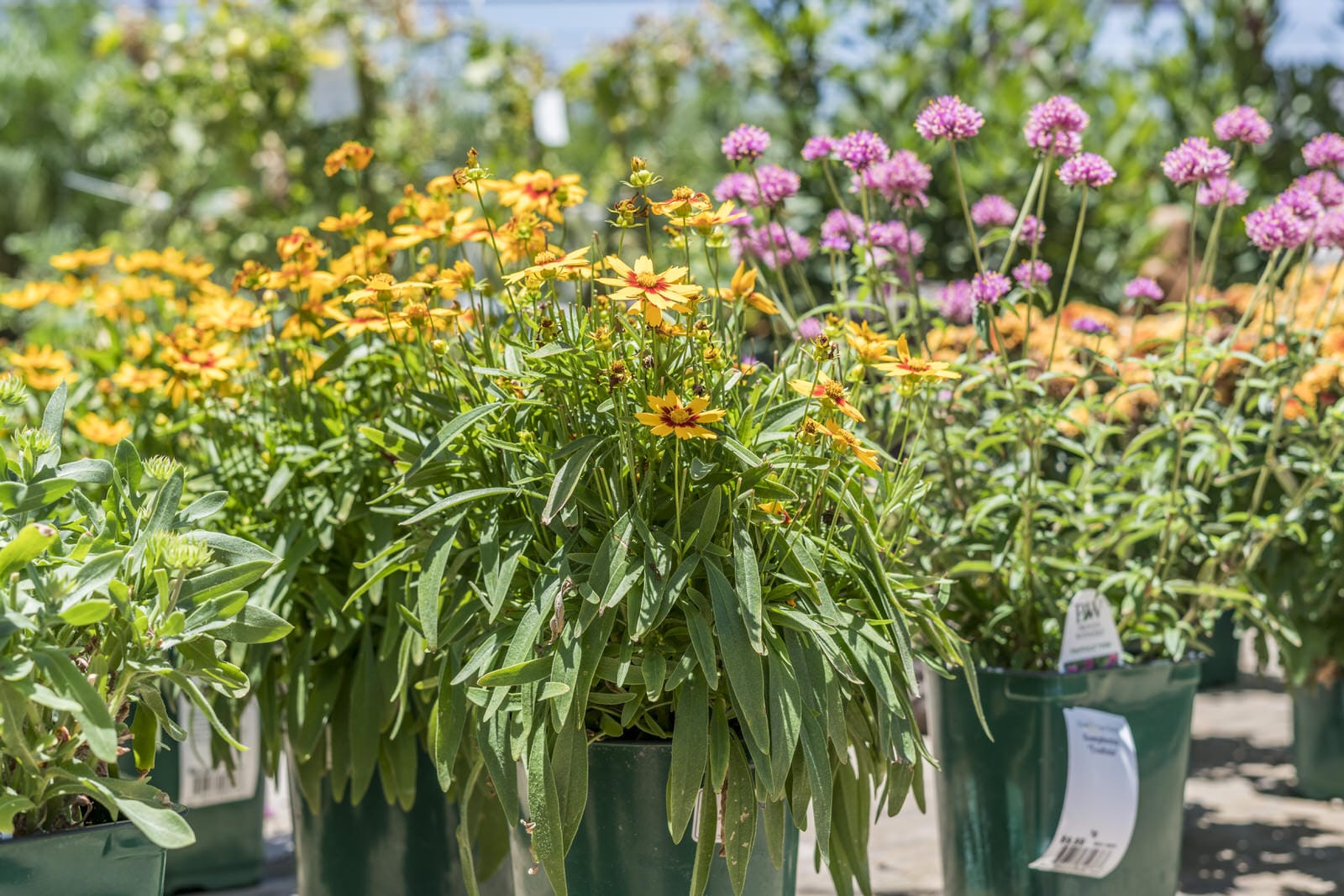
Most of the country plants flowers in May. Queen Creek plants them in October. Our annuals tables turn over with the low-desert seasons: pansies, violas, snapdragons and stock arrive when the nights finally cool; vinca, zinnias and celosia take over once the soil warms in spring; and by September we’re pulling the tired stuff and setting out mums for the reset. Everything on the benches is chosen — and most of it grown locally — for the Sonoran Desert, so it’s already used to our sun, our water and our winters.
Whether you’re filling a front bed, a set of patio pots or a hanging basket, this page walks through what to plant in each season, when to plant it and how to keep it going. Gardeners in Queen Creek, San Tan Valley, Gilbert, Chandler and Mesa: come see what just came off the truck. Looking for plants that come back every year? Perennials, shrubs and groundcovers live on our Plants pages.
pansies ◦ violas ◦ snapdragons ◦ petunias ◦ alyssum ◦ stock ◦ vinca ◦ zinnias ◦ celosia ◦ coleus ◦ geraniums ◦ mums
Perennial Flowers
What to plant in each low-desert season
Queen Creek sits in USDA zone 9b on the edge of the Phoenix low desert: mild, occasionally frosty winters and summers that shut down anything soft. That gives us two real planting seasons and a short bridge between them. Here’s what goes in when, and what we stock for it. For today’s tables, call (480) 987-3308 or check Instagram.
Plant mid-October · blooms into April
Cool season — fall planting for winter color
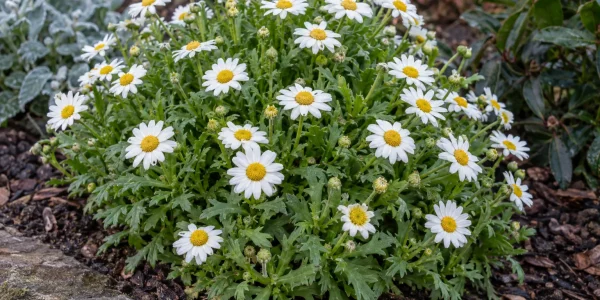
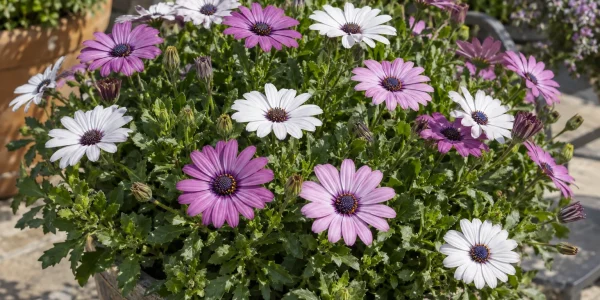
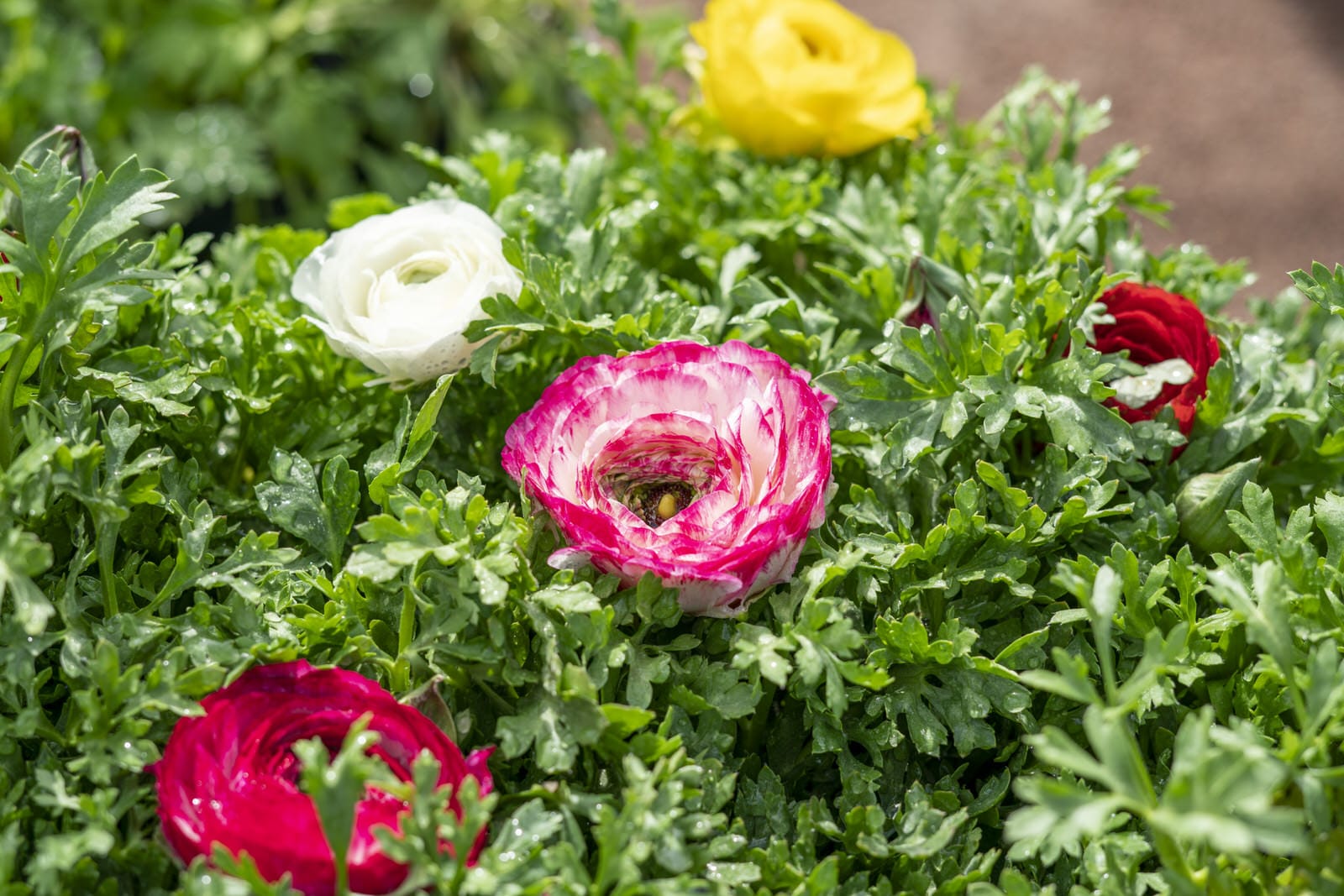
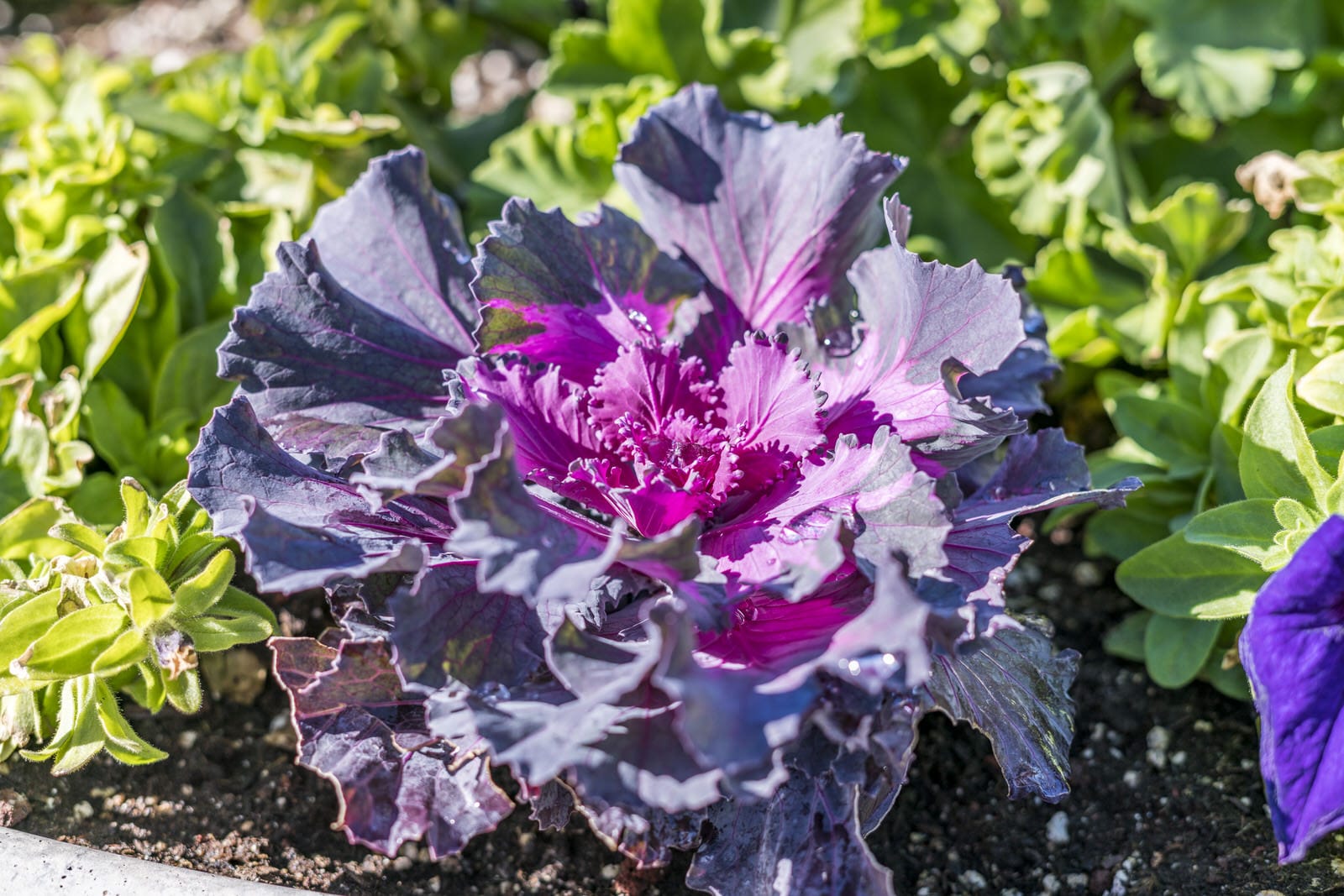
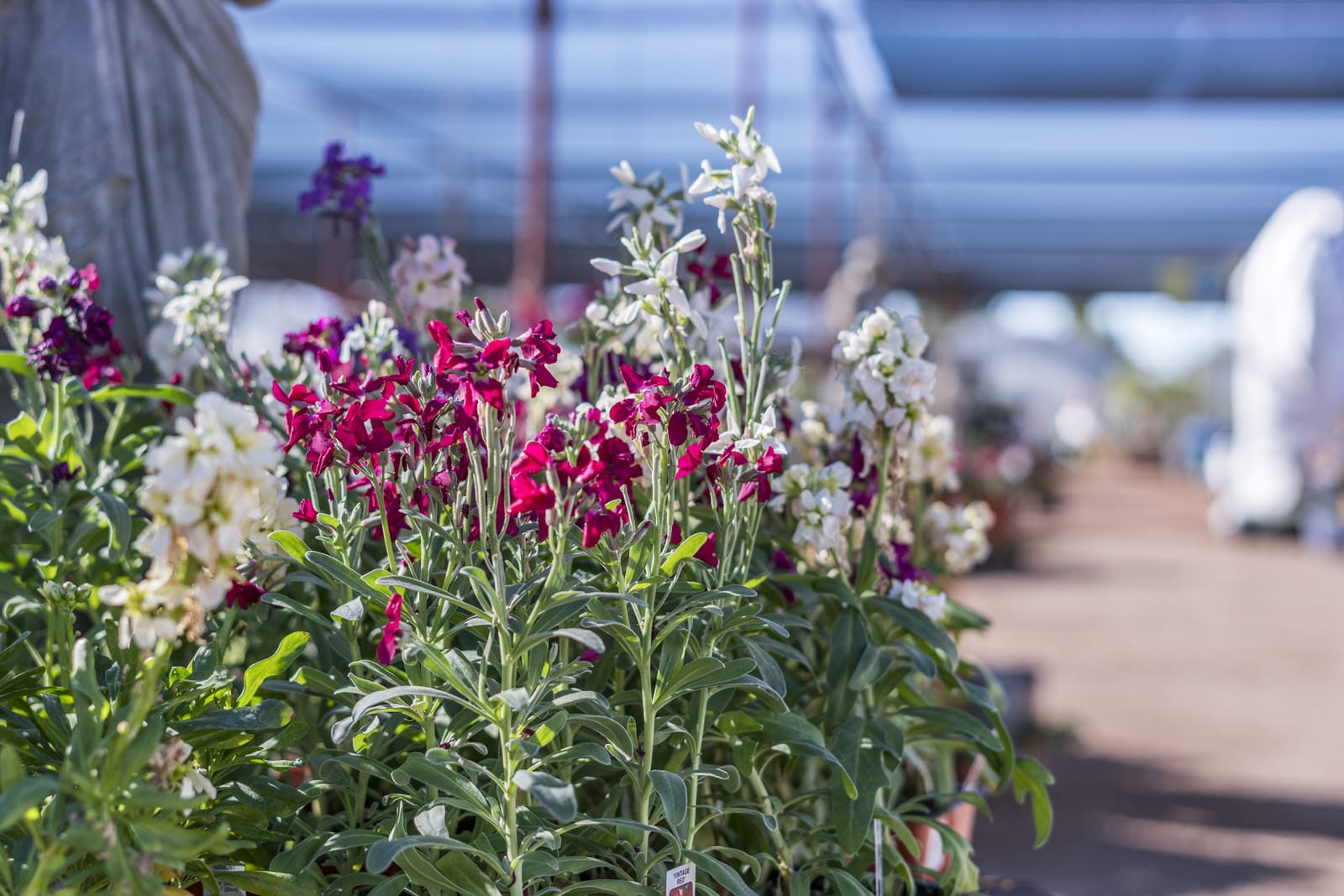
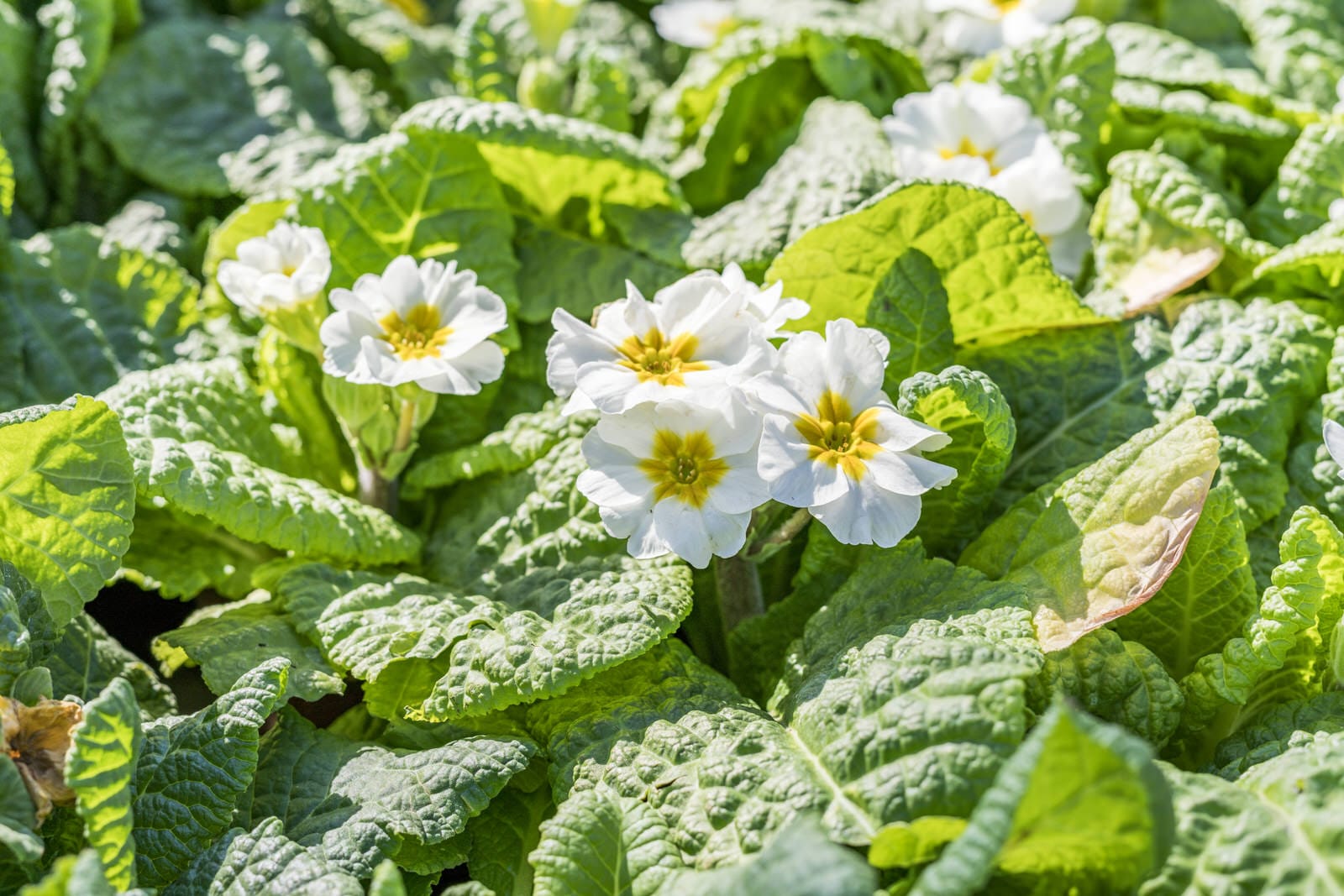
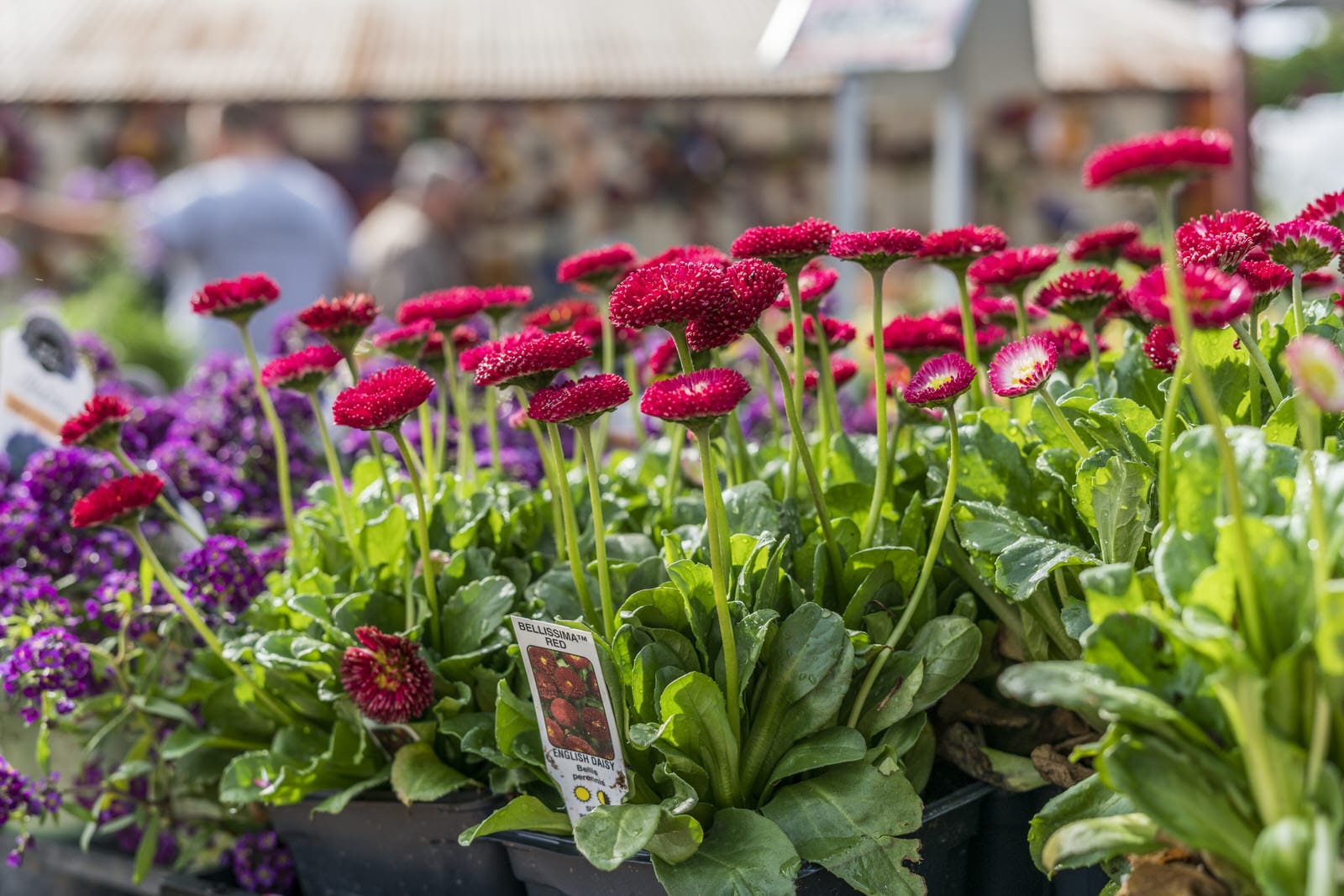
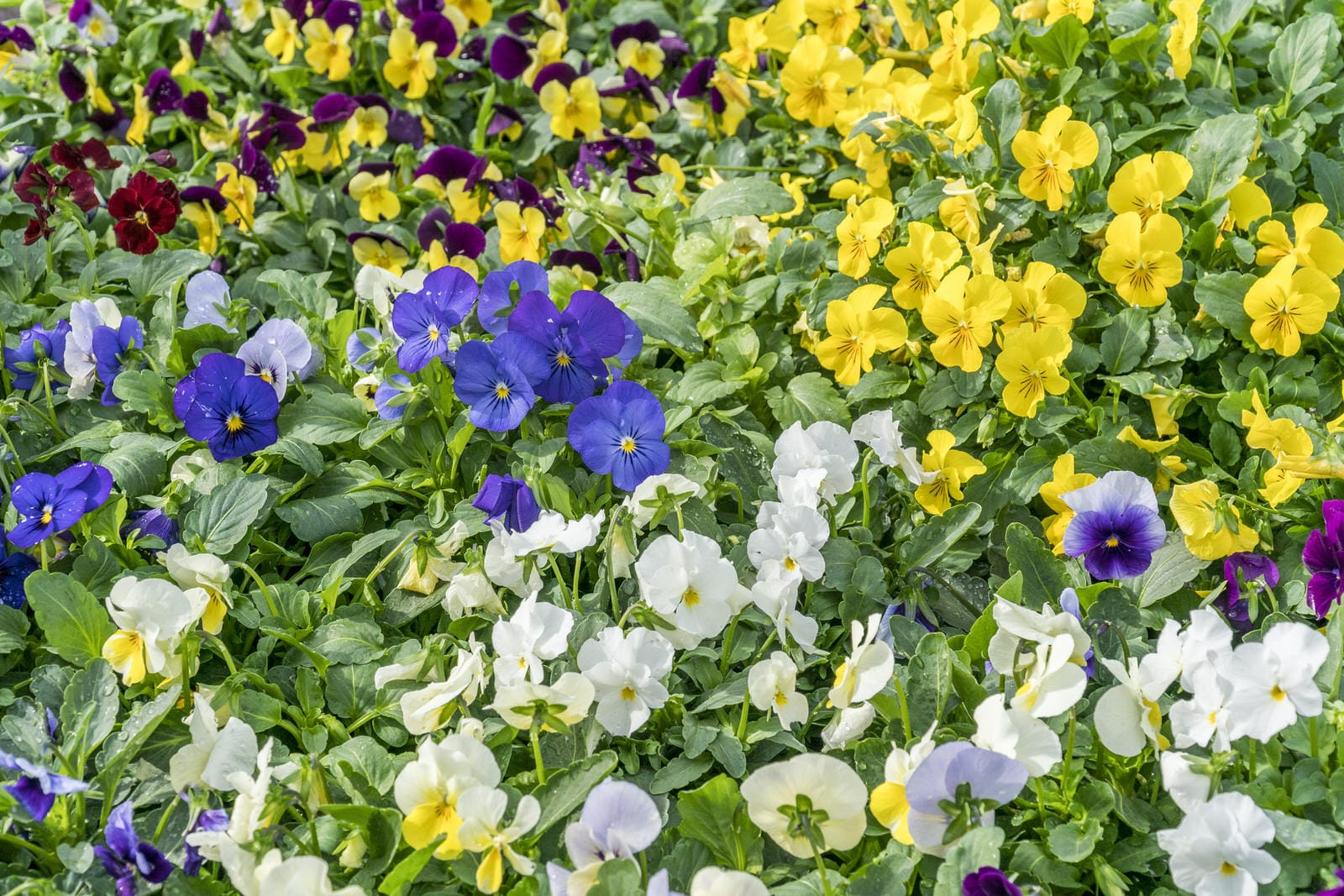
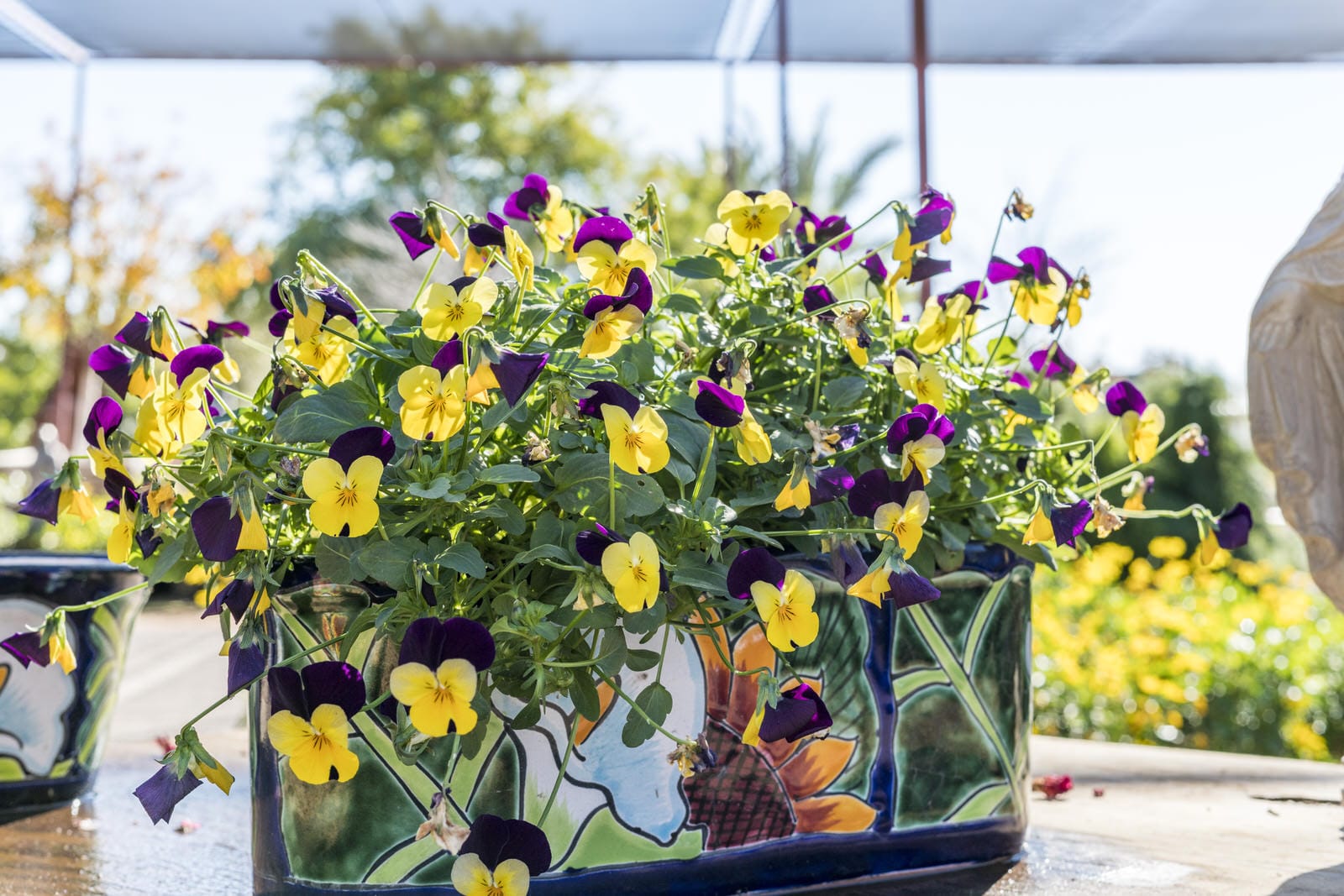
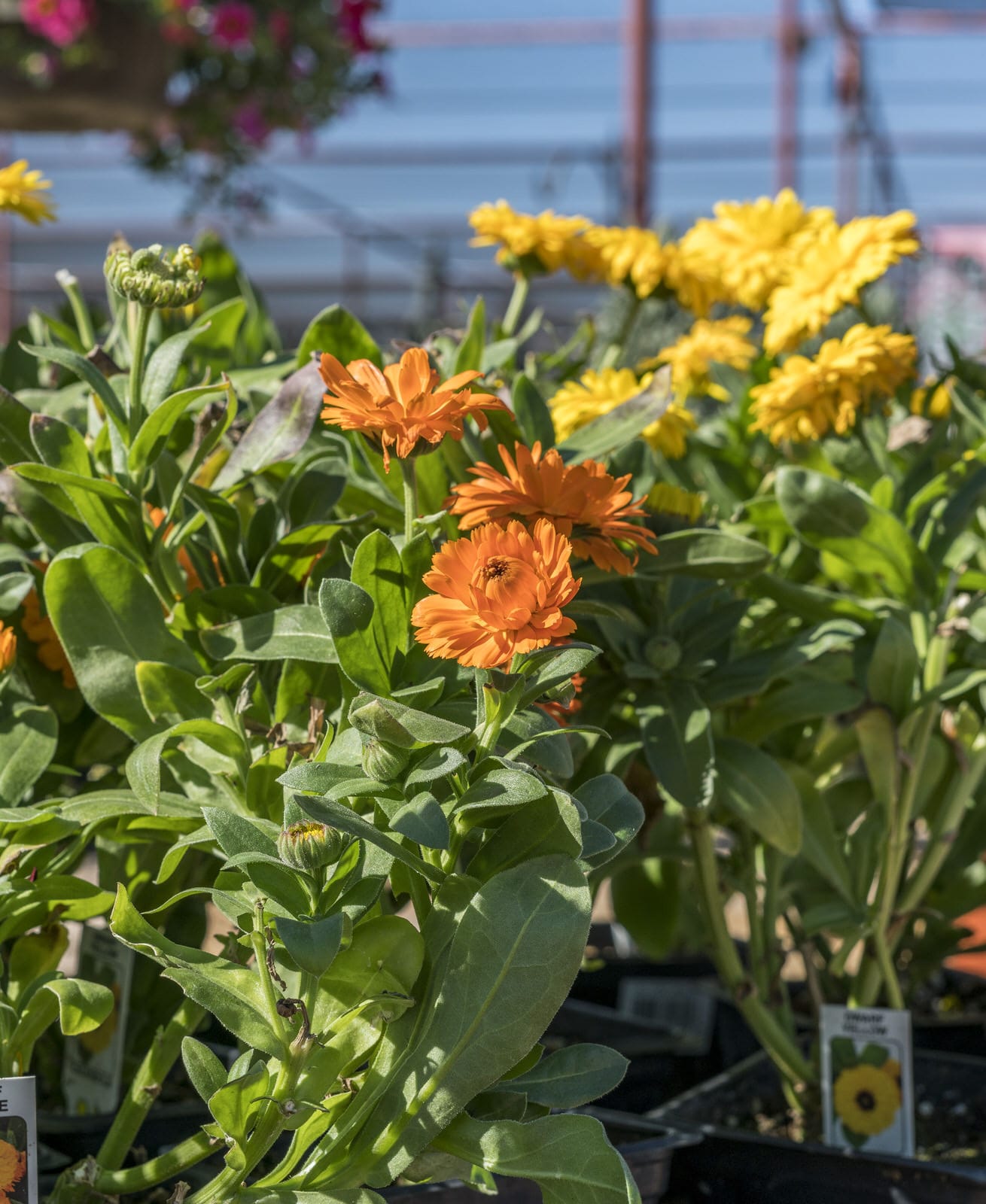
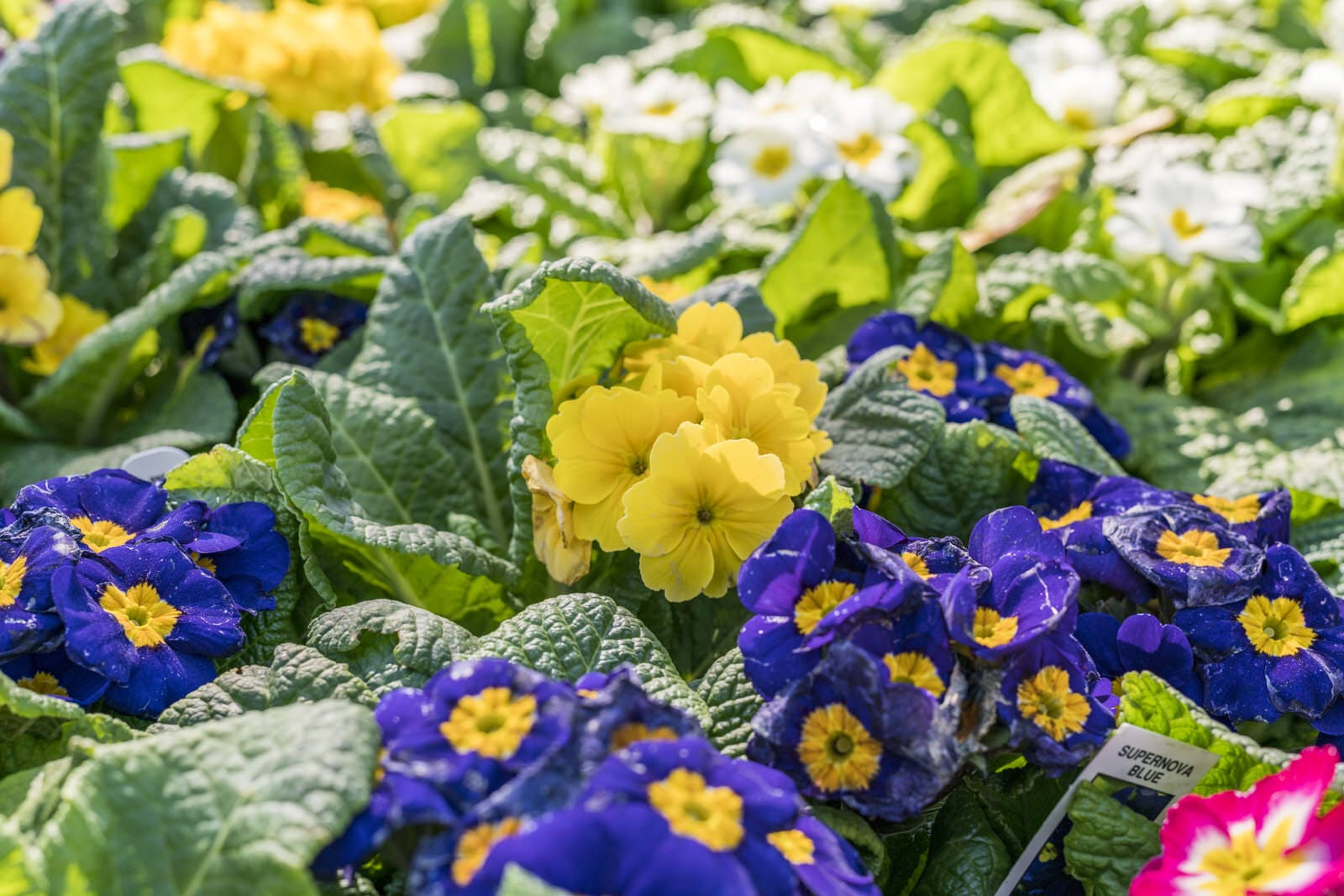
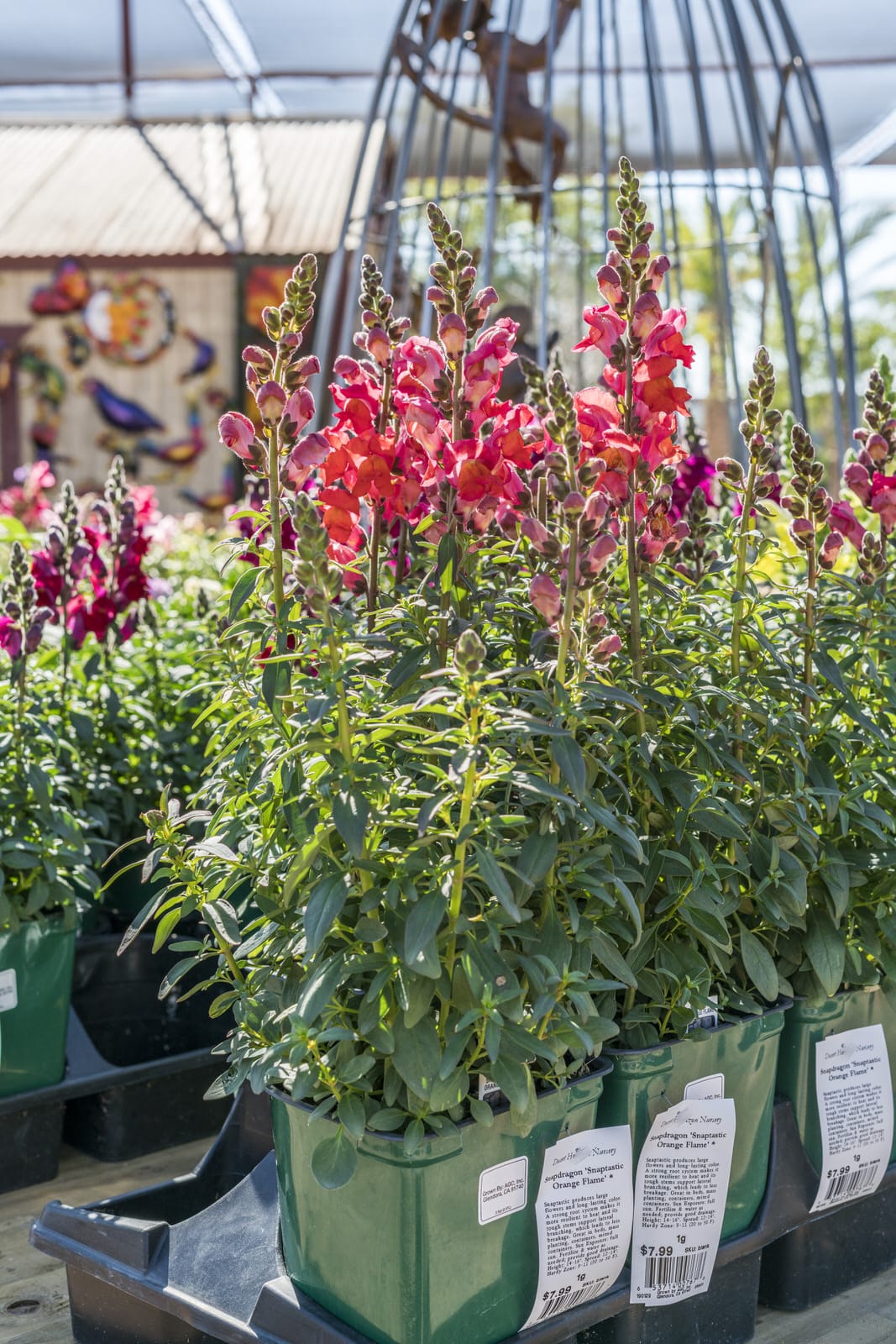
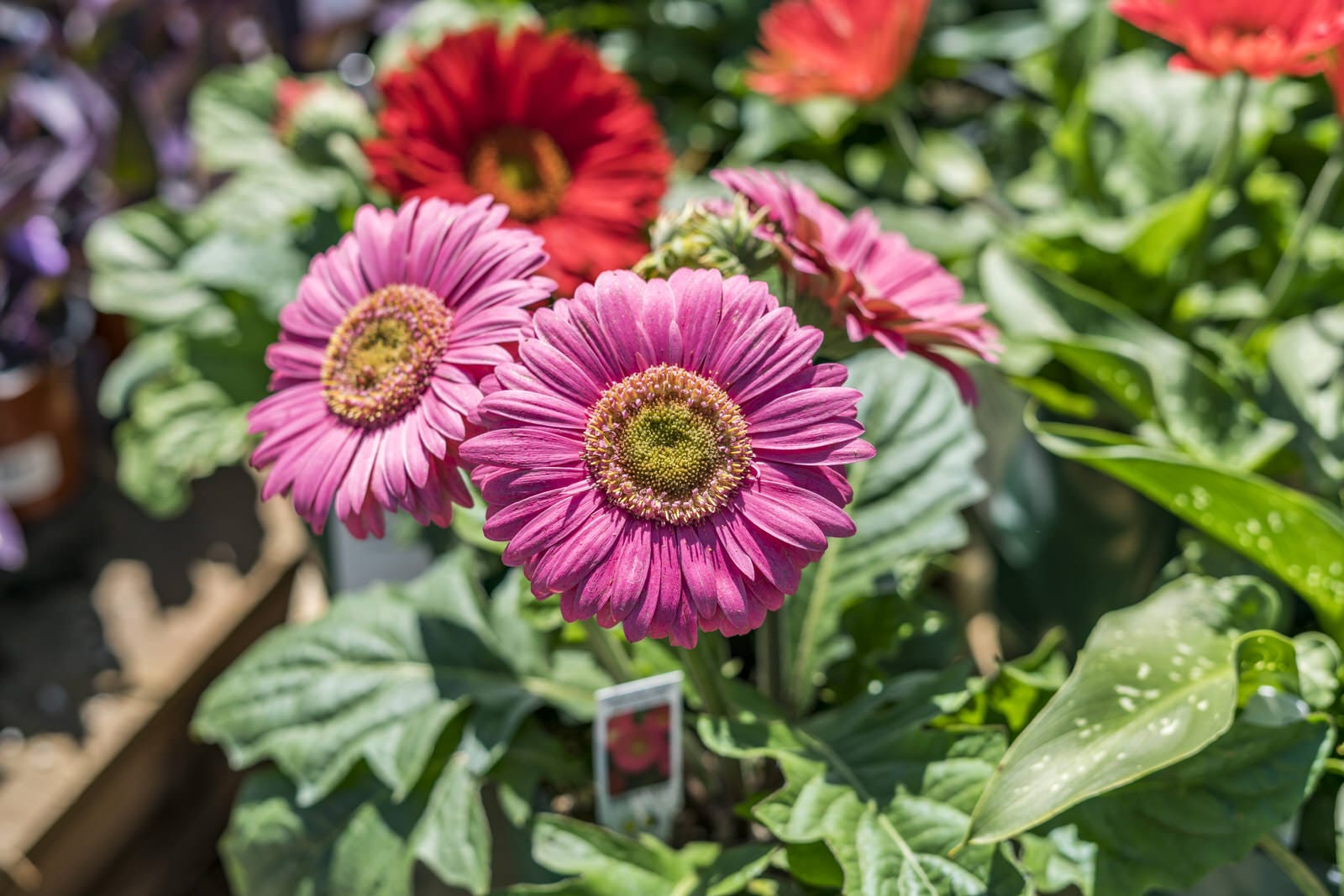
The main event. Once daytime highs settle under about 95°F — usually the second half of October — beds and pots go in with pansies, violas, snapdragons, petunias, sweet alyssum, stock, dianthus, calendula, lobelia and nemesia, with cyclamen and primrose for shady entries and geraniums and marguerite daisies for pots. Ornamental kale and cabbage add structure. Planted on time, most of it blooms straight through to the first hot week of April or May.
March · April
Spring — the bridge
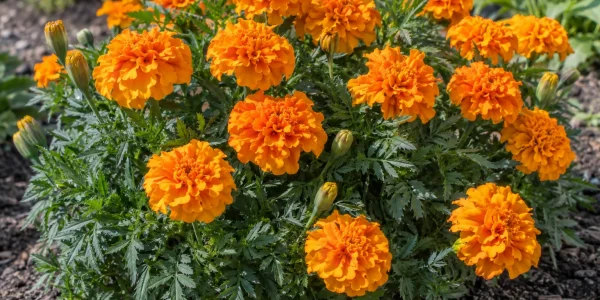
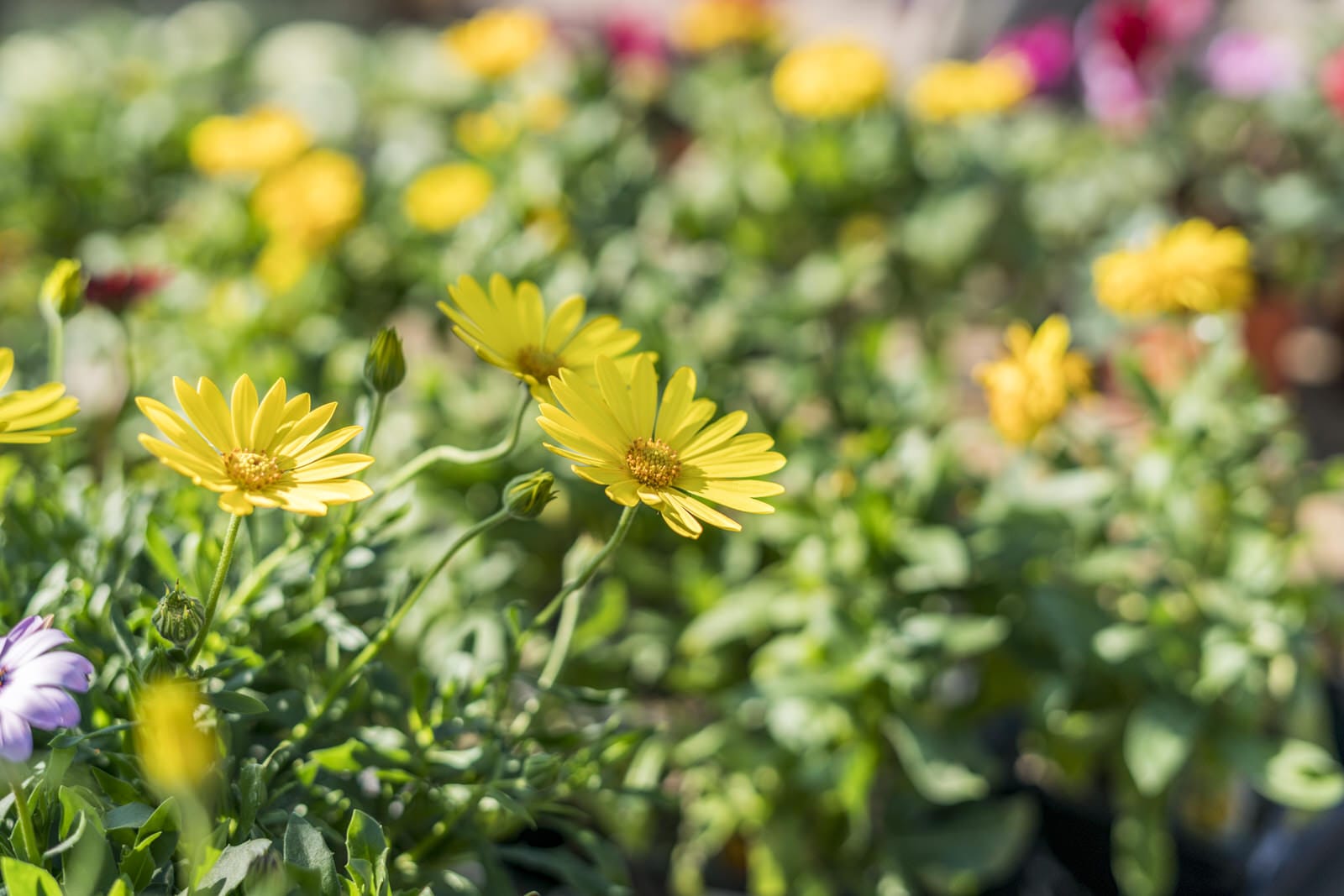
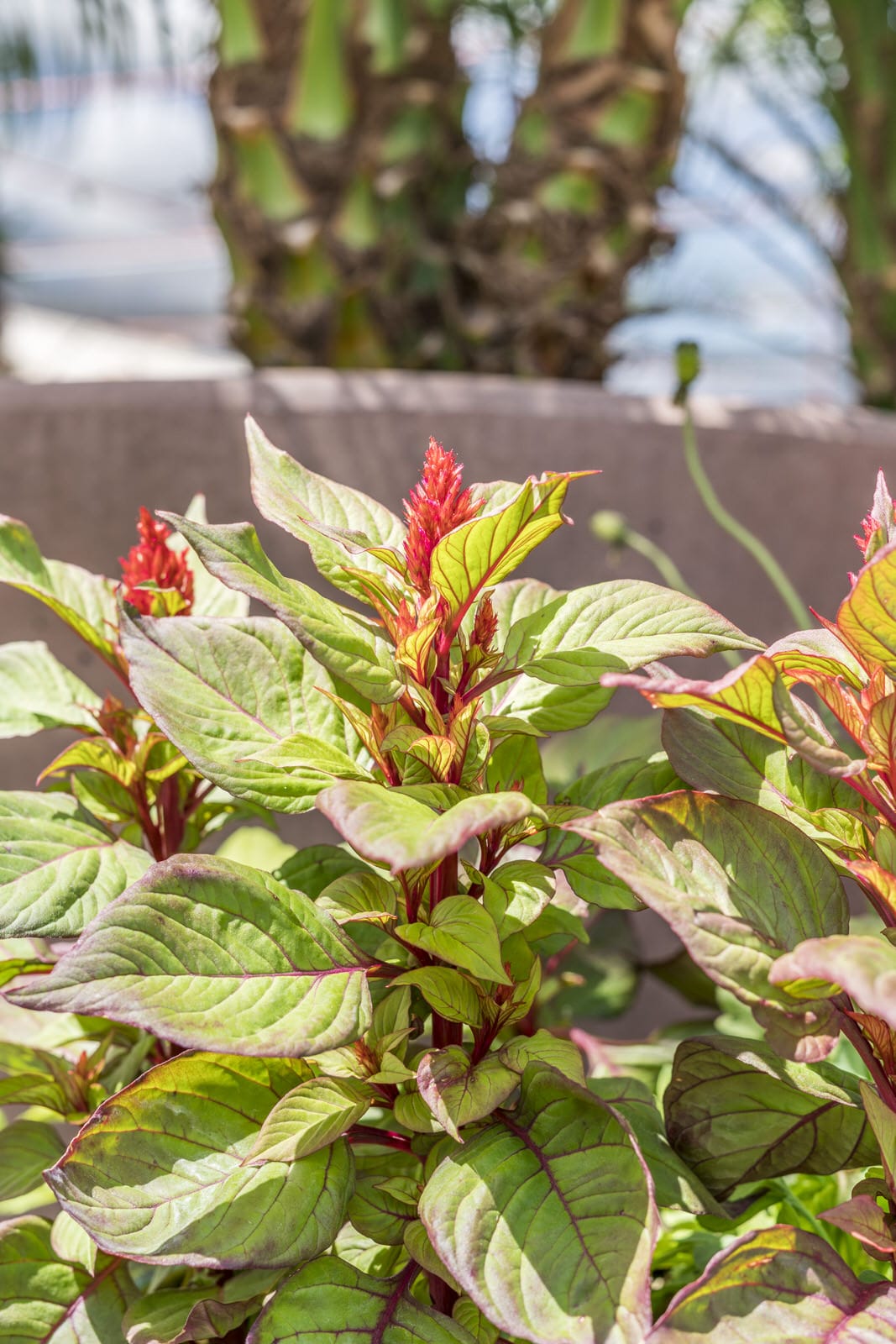
Cool-season color peaks in March, which is also when the summer crew starts arriving. Add marigolds, salvia, gazania, verbena, calibrachoa, celosia and cosmos as soon as nights stay above 50°F, and hold vinca until the soil is properly warm — mid-March at the earliest, April to be safe. Replace pansies and violas as they stretch; petunias and alyssum usually carry into May.
May · September
Summer — heat-lovers only
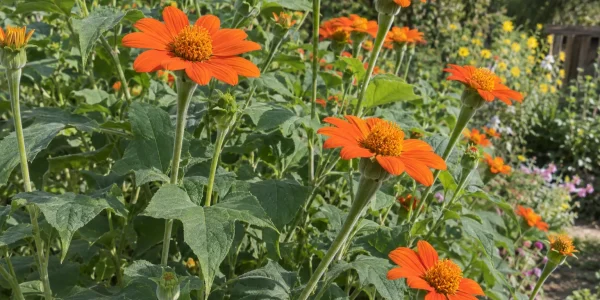
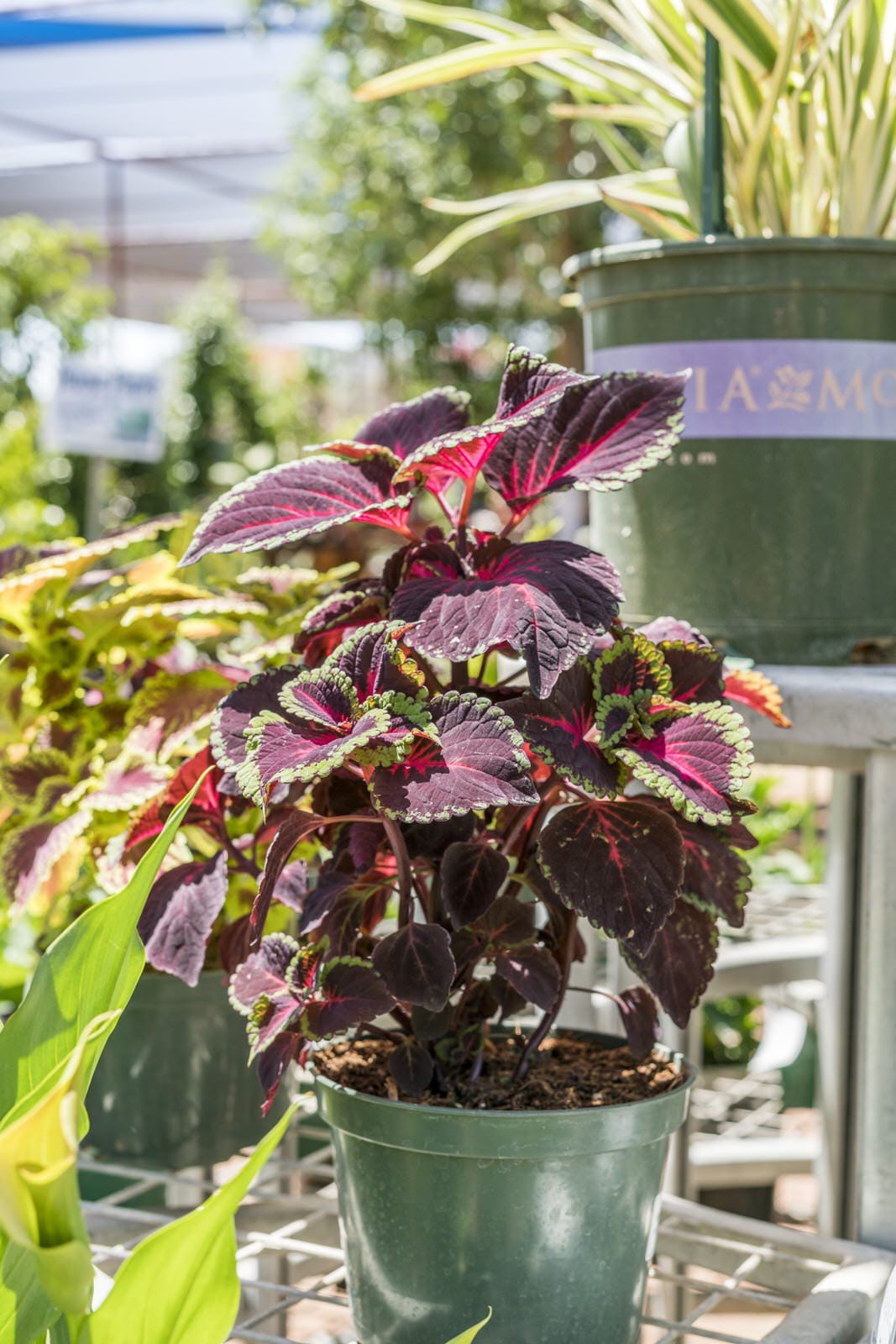
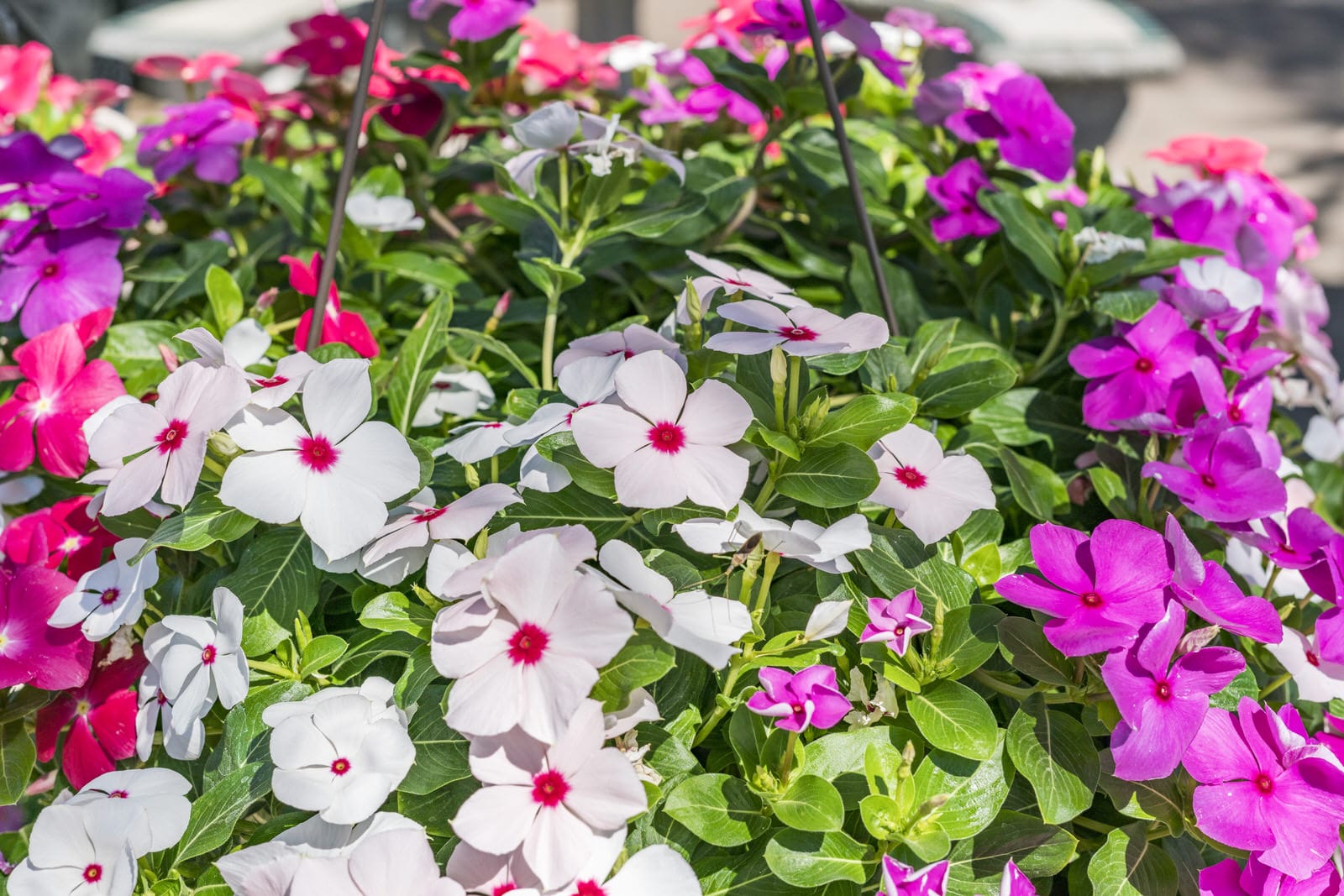
From May on, only the plants that like 110°F belong outside. Vinca (Madagascar periwinkle) is the workhorse, backed by portulaca and purslane, zinnias, celosia, gomphrena, angelonia, pentas, Mexican sunflower and sunflowers. In afternoon shade, coleus, caladium and SunPatiens do the heavy lifting. Give everything morning sun, afternoon relief off west-facing block, and water in the morning — daily for containers.
September · early October
The fall reset
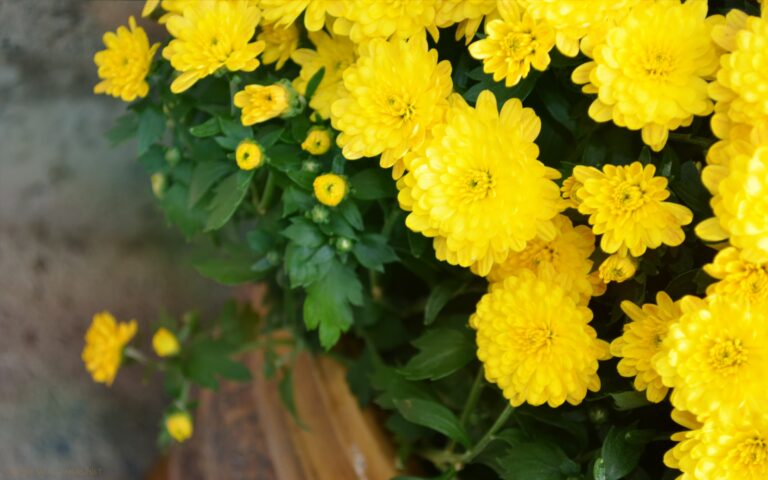
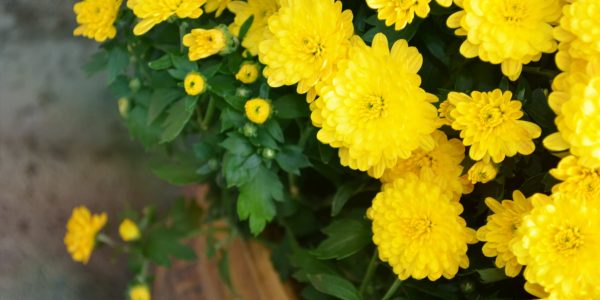
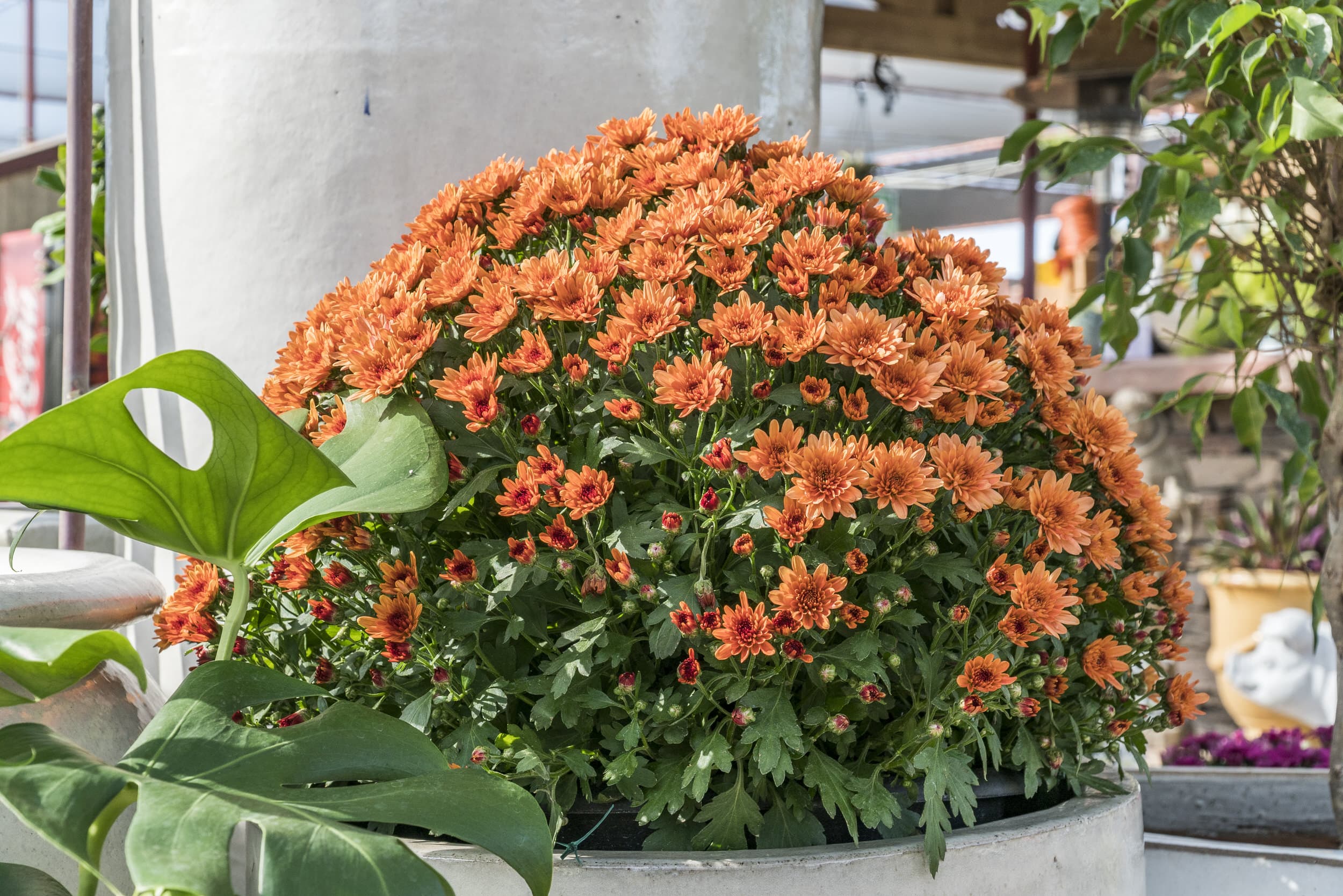
September is for pulling exhausted summer annuals, turning compost into the beds and setting out garden mums for instant porch color. It is not yet time for pansies: the flats show up early everywhere, but planted into 100°F afternoons they stall or rot. Prep now, shop the cool-season tables in mid-October, and you’ll get six months from every flat.
All year
Foliage that carries the bed
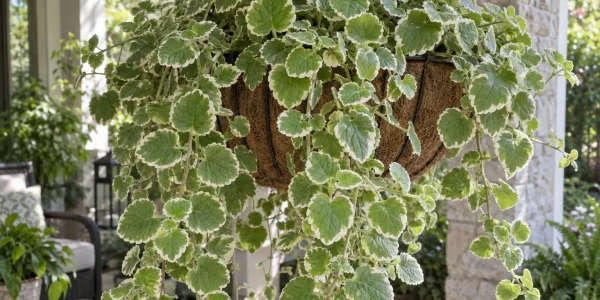
Flowers come and go; foliage holds the design together. Dusty miller, ornamental kale, Joseph’s coat and lysimachia for the cool months; coleus, sweet potato vine, caladium and licorice plant once it warms. Use them to break up blocks of color and to keep containers looking finished between bloom cycles.
Pots · Baskets · Window boxes
Containers & hanging baskets
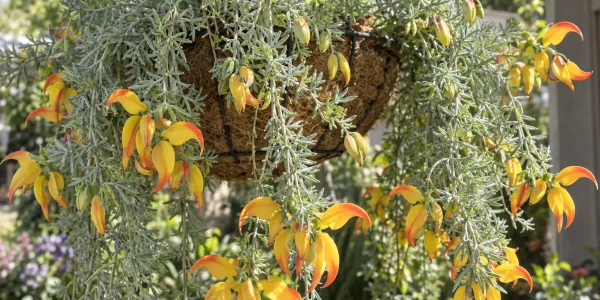
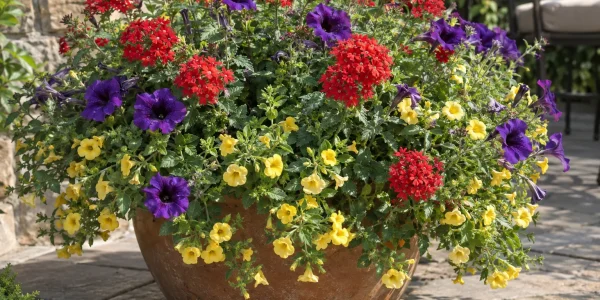
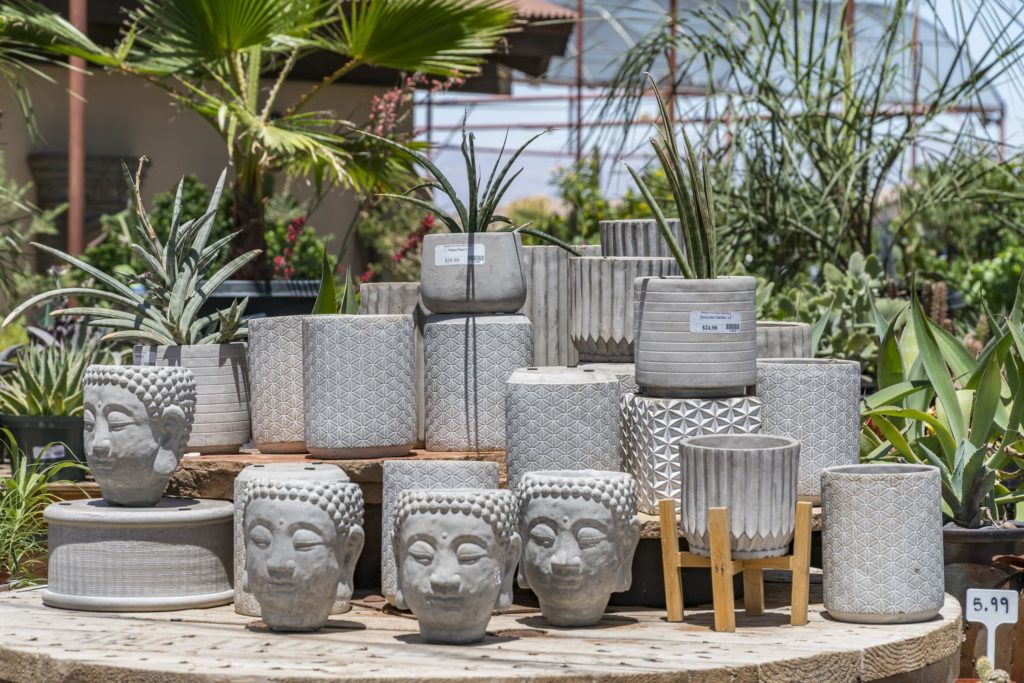
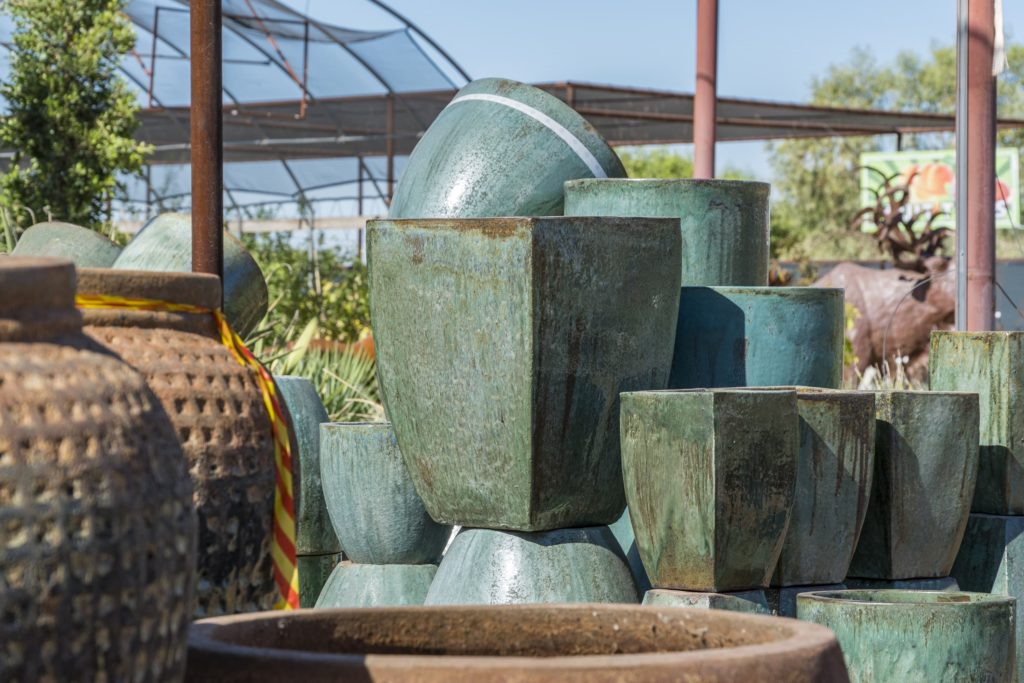
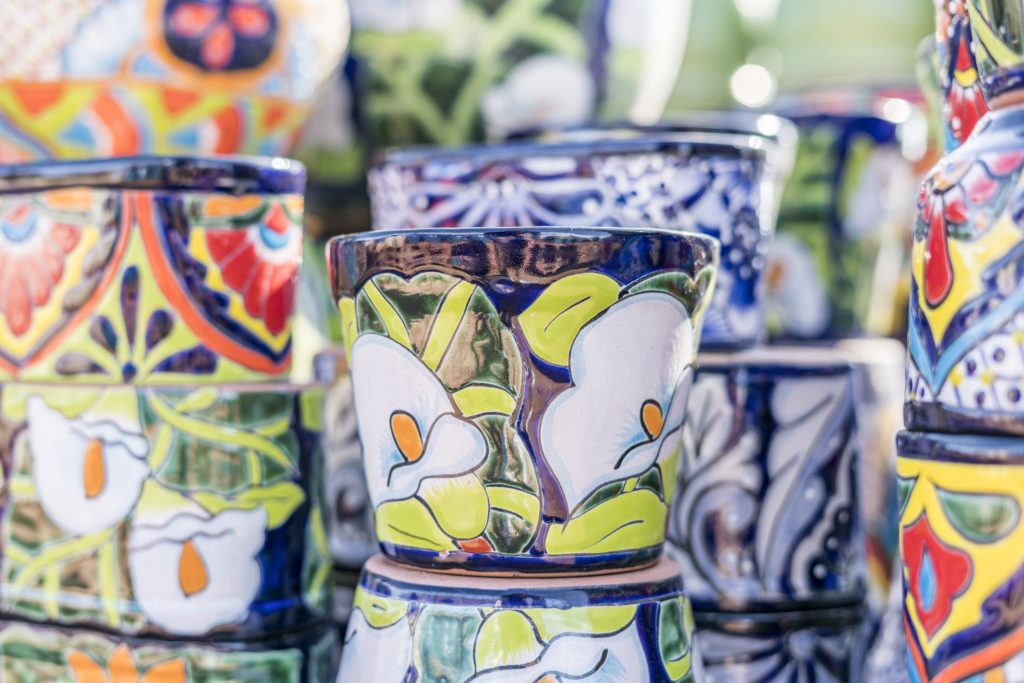
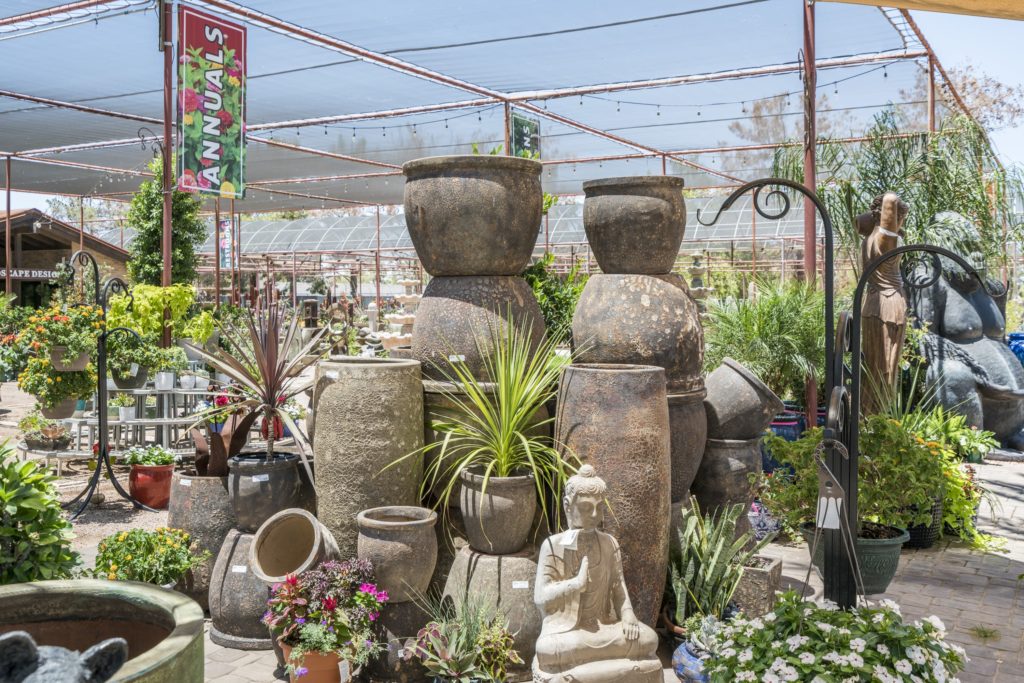
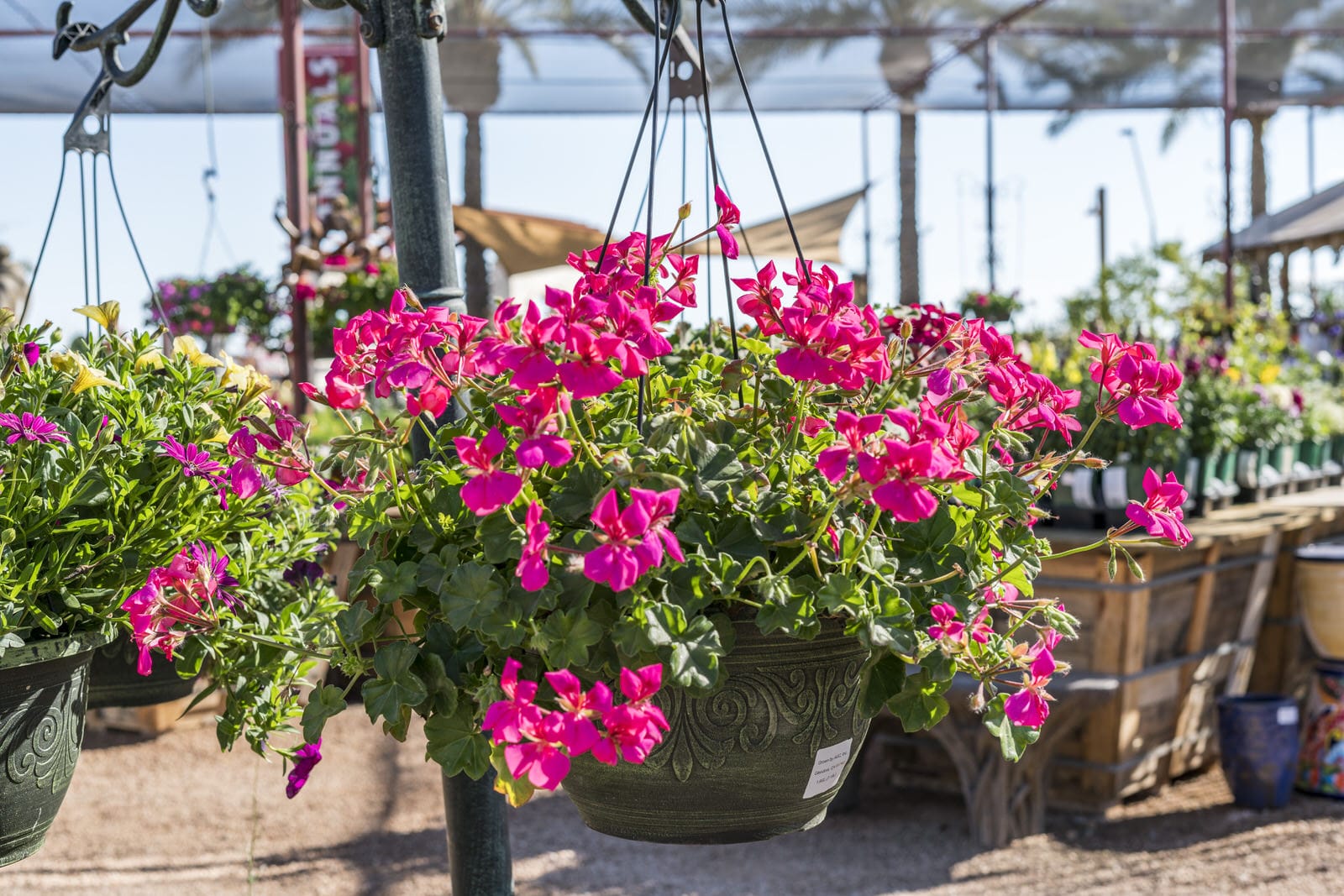
Our best-looking combos are a thriller, a filler and a spiller in one pot: a snapdragon or geranium, a mound of alyssum or lobelia, and bacopa or trailing gazania over the rim. We sell finished hanging baskets and color bowls in season, and we’ll help you build your own from 4-inch stock and our pottery yard. Take the free Container Gardening class if you want the recipe.
On the tables this month
Swipe → Cards link to each plant’s page as they’re added.
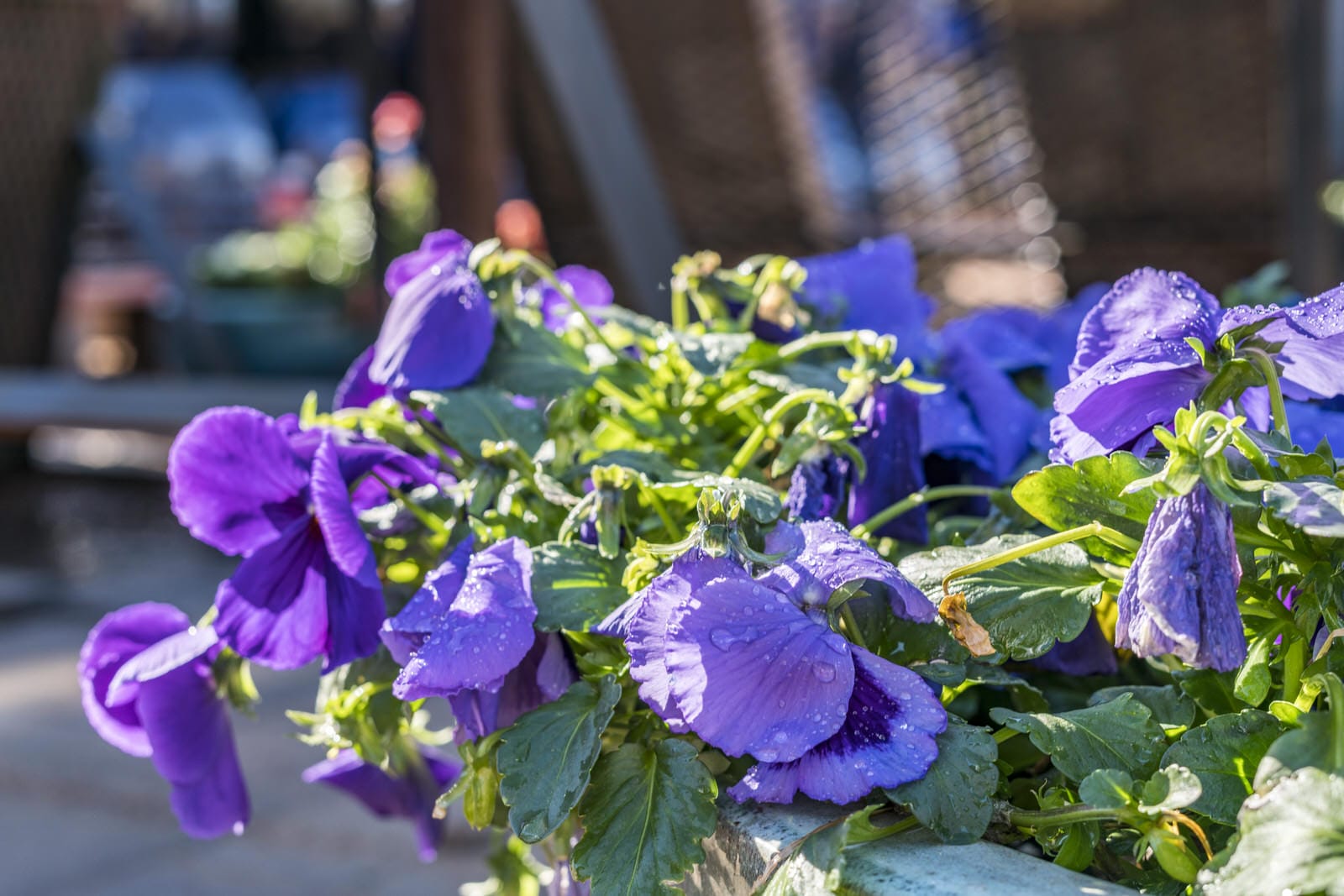
Pansies & Violas
Viola × wittrockiana · Viola cornuta
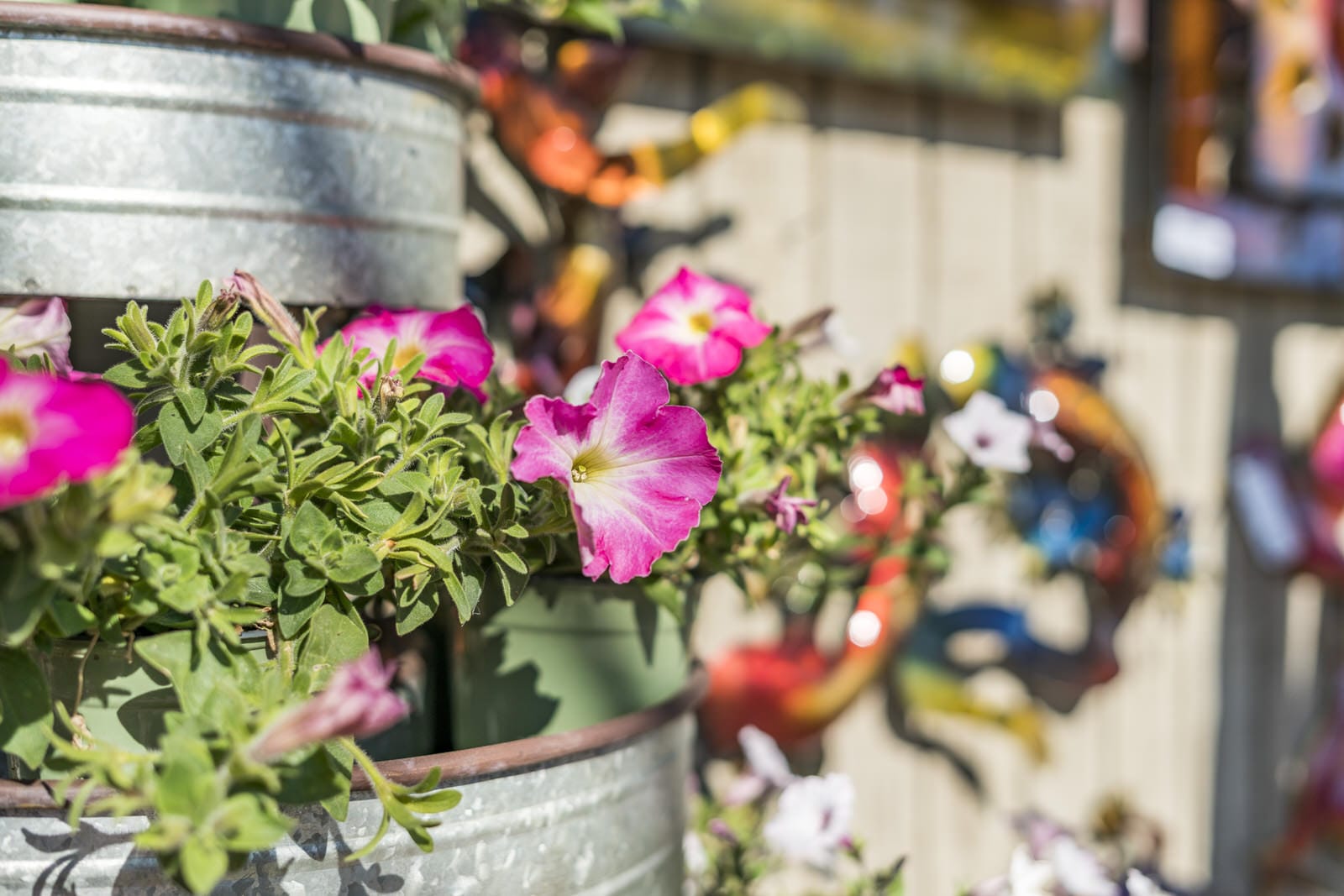
Petunias
Petunia × hybrida
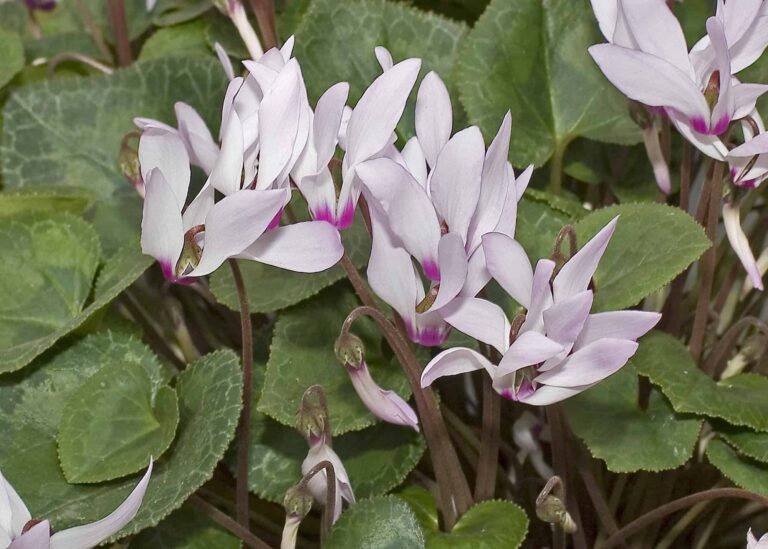
Cyclamen persicum
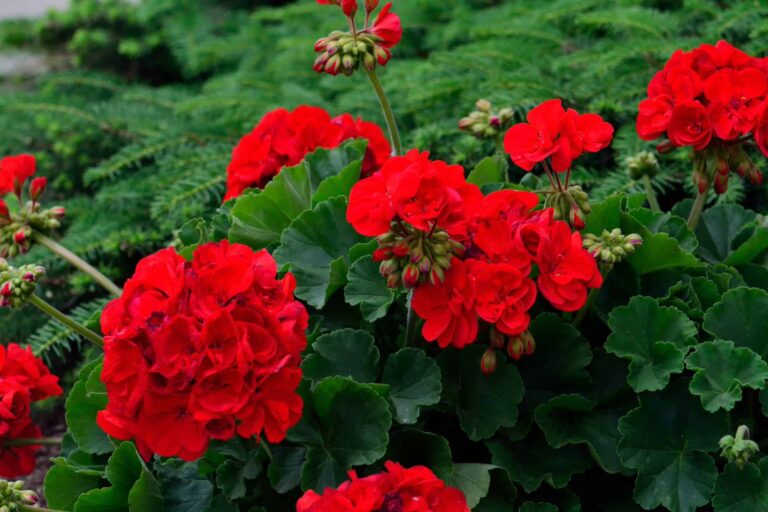
Pelargonium × hortorum
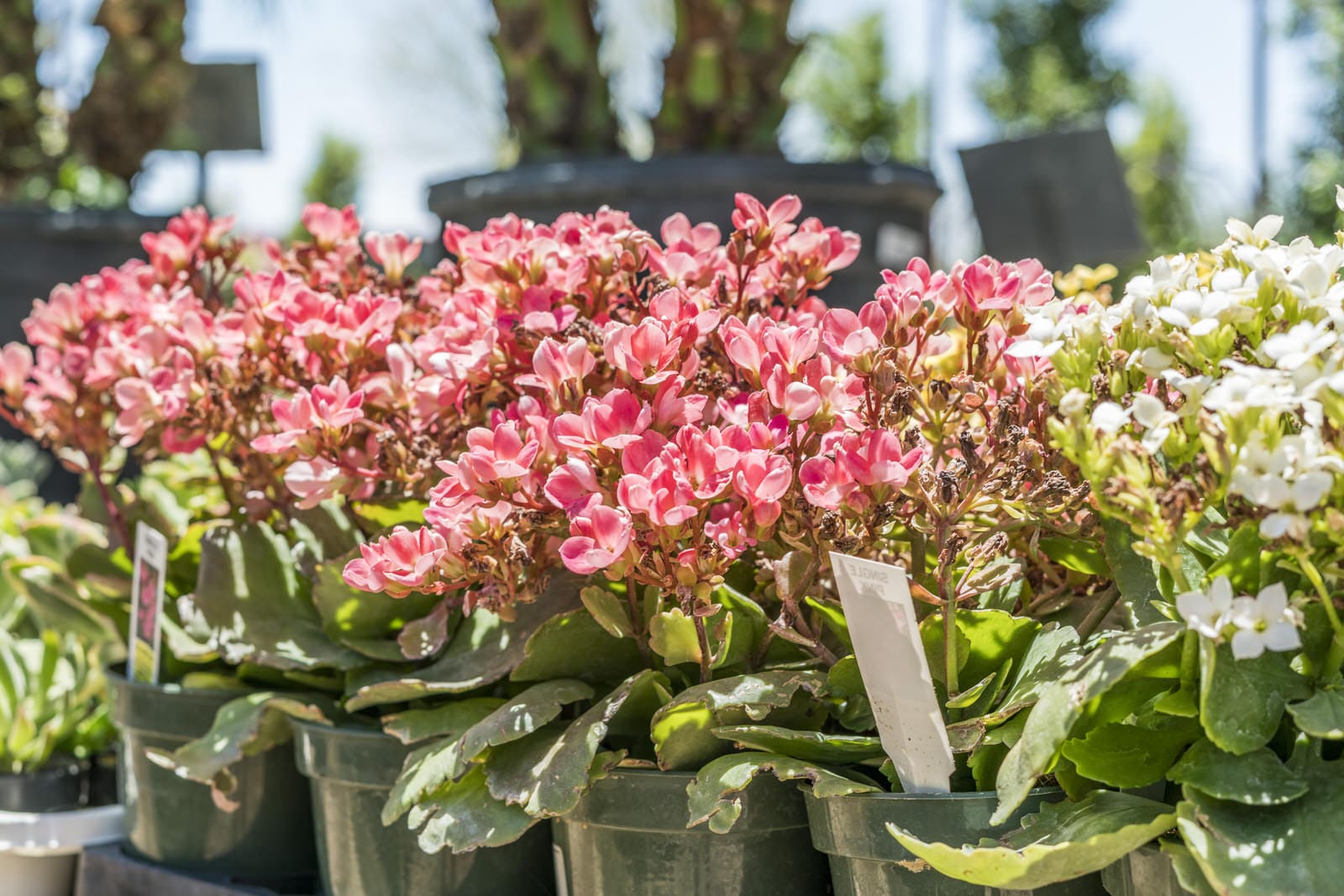
Chrysanthemum × morifolium
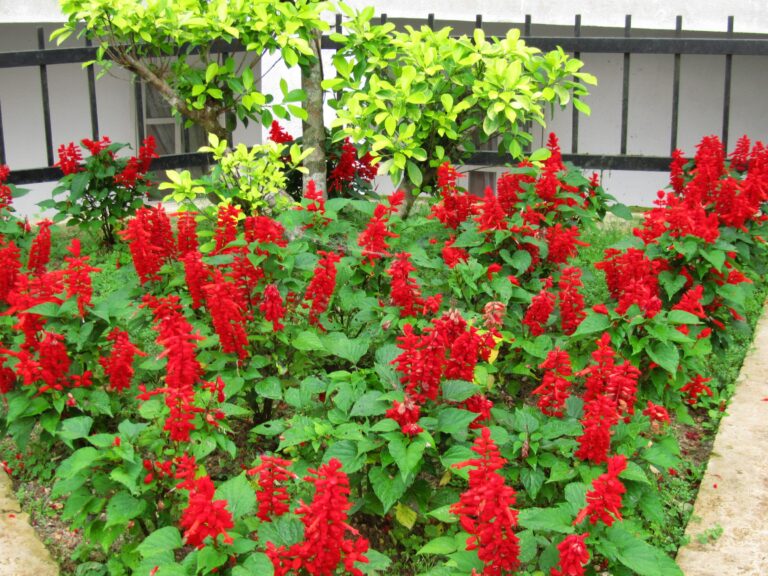
Salvia splendens ‘Vista Red’
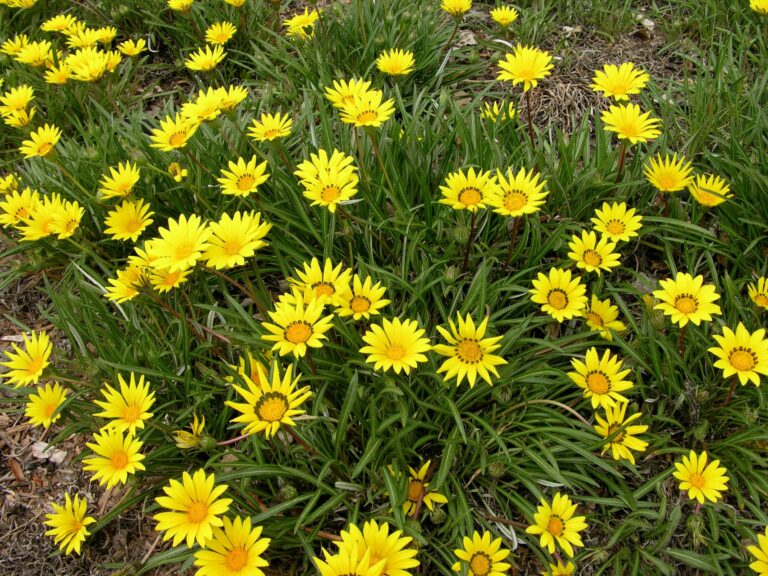
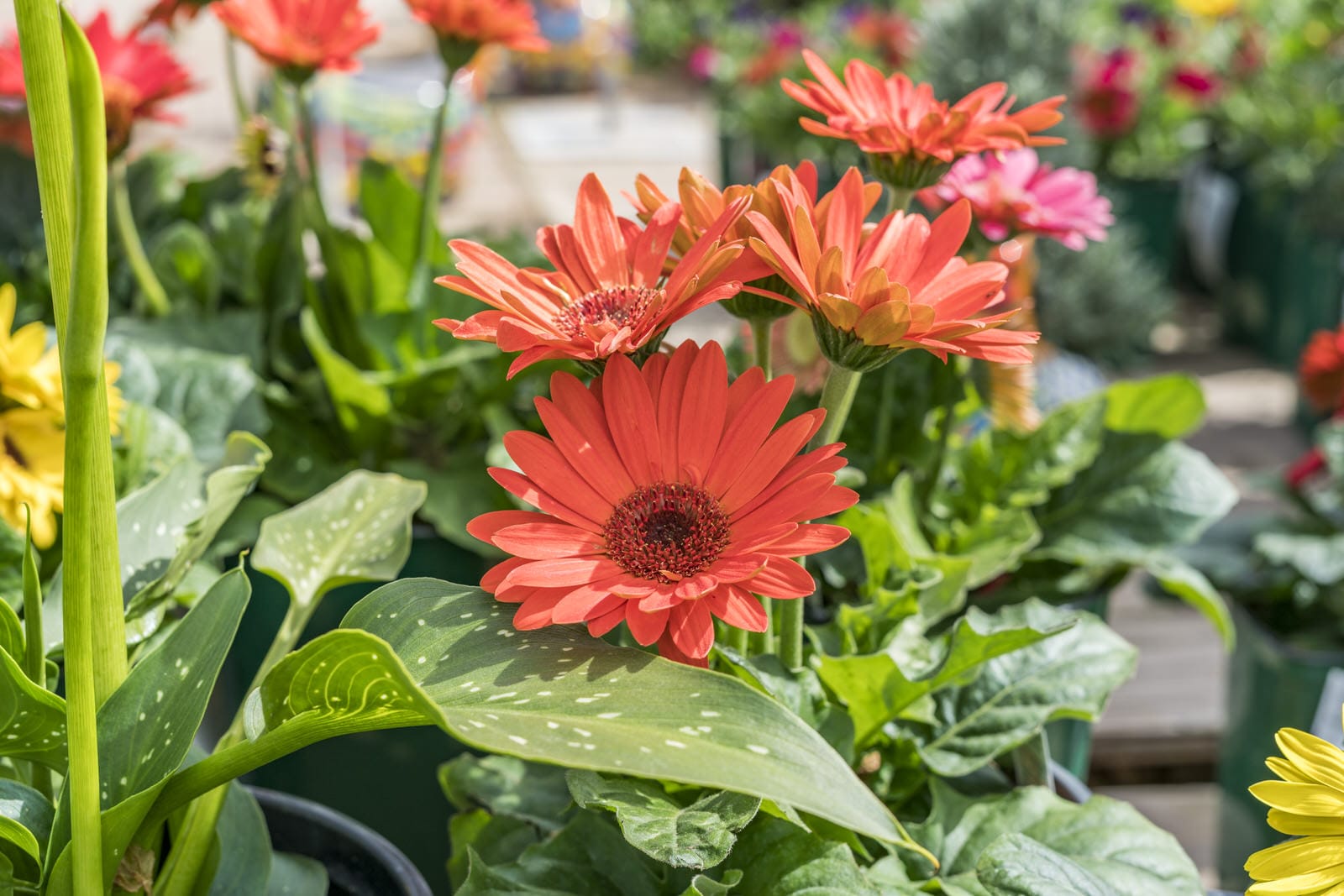
Gazania rigens
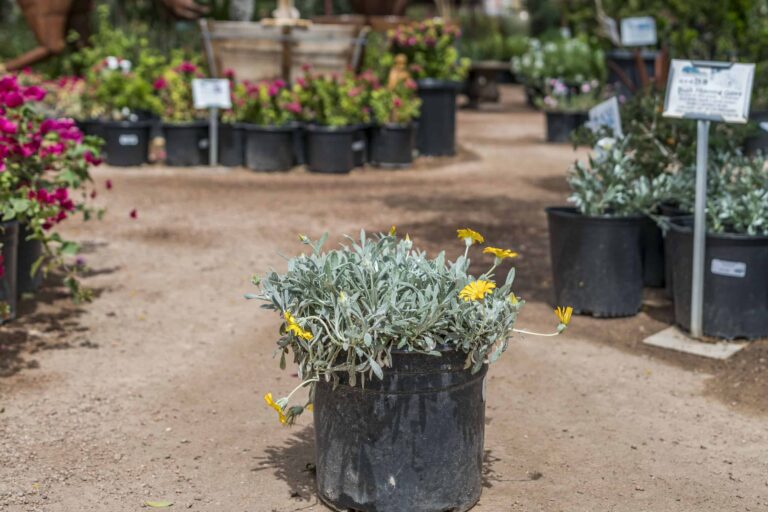
Trailing Gazania
Gazania rigens var. leucolaena
In the catalog
Live from our plant catalog — Annuals.
Growing annuals in the low desert
When to plant — the mid-October rule
Cool-season annuals go in when daytime highs are consistently below about 95°F and nights are in the 60s — in Queen Creek that’s usually October 15 onward, later in a warm year. Plant them in September and they sulk, stretch or rot. Warm-season annuals go in from mid-March once nights hold above 50°F and the soil has warmed; vinca in particular wants April. In a normal year you get roughly six months of bloom from a fall planting and four from a spring one.
Soil and beds
Desert soil is alkaline, low in organic matter and often sits on caliche. Annuals are shallow-rooted and won’t fight it. Dig beds 8–10 inches, work in 3–4 inches of compost or planting mix, and raise the bed a few inches if drainage is poor. In pots use a real potting mix, never garden soil, and choose containers at least 12 inches wide so they don’t cook or dry out by noon in summer.
Feeding, deadheading and frost
Annuals are heavy feeders on a short clock. Feed at planting and then every two to three weeks with a bloom fertilizer, and pinch or shear spent flowers so the plant keeps making new ones instead of seed. Queen Creek gets a handful of frosty nights from December through February: pansies, violas, snapdragons, stock, alyssum, dianthus and kale shrug off light frost; cover petunias, geraniums, cyclamen and anything planted in the last two weeks when a night below 30°F is forecast.
Sun — winter and summer are different problems
In winter, give annuals all the sun you can: the December sun is low and gentle, and plants in shade get leggy and bloom half as much. In summer the same spot may take reflected heat off a west wall or a block fence that pushes leaf temperature past what even vinca tolerates. Morning sun and afternoon shade is the summer sweet spot for pots; full sun is fine for vinca, portulaca, zinnias and celosia in the ground with steady water.
Water by the season, not the schedule
Newly planted annuals need water every day or two for the first week or two in any season. After that: cool season, every 3–4 days in beds and every 2–3 in pots, stretching to weekly in the coldest weeks; summer, daily for containers and every other day in beds, always in the morning. Drip on a timer beats hand-watering for beds; a saucer left full under a pot is the fastest way to rot a petunia. Check with a finger before you water, not the calendar.
Bring us your bed
Snap a photo of the spot — sun direction, wall color, pot size — and we’ll pick a season-correct combination with you. Advice is free.
Everything the flowers need
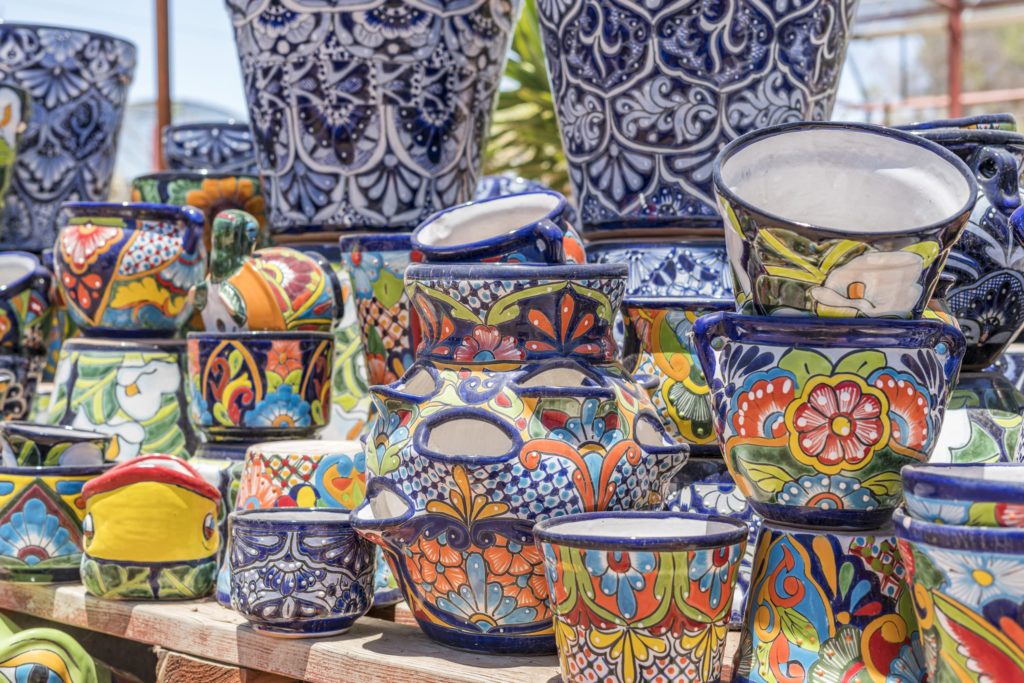
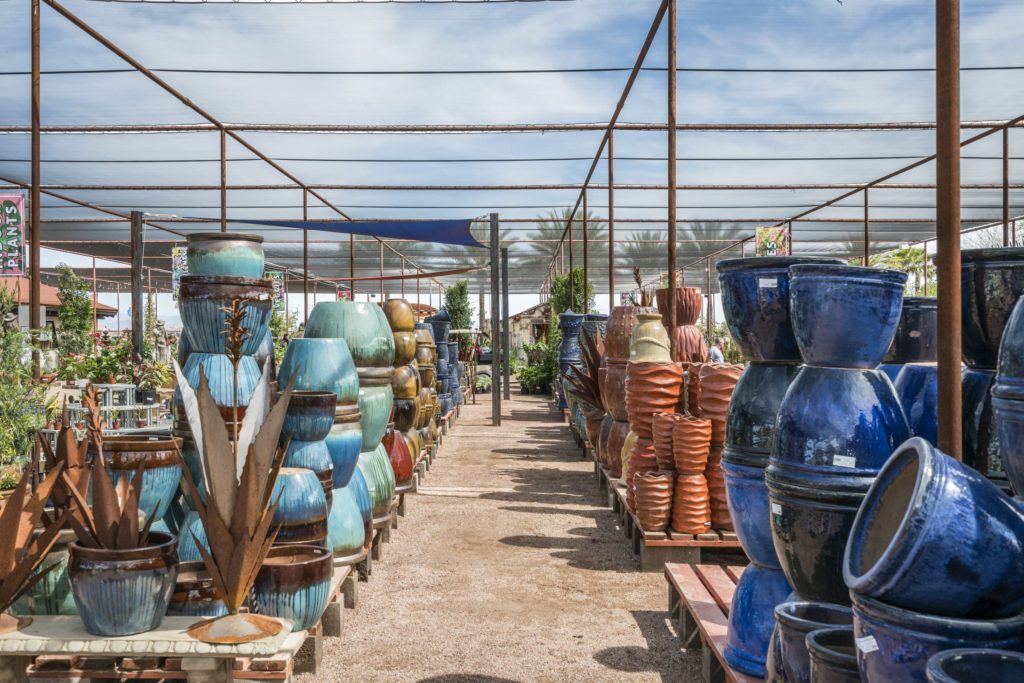
Annuals succeed or fail on what’s under them. We stock planting mix and compost for beds, potting mix for containers, bloom fertilizers including Tony’s Magic Mix and Magic Flower, plus starter fertilizer, drip fittings and frost cloth for the cold nights. The pottery yard has glazed and terracotta pots from 4-inch to whiskey-barrel size, window boxes and hanging baskets, and soil and mulch is sold by the bag or by the yard.


The tables change every week
Cool-season flats land by the truckload from October through March, and Instagram is where we show them first. Join the newsletter for the seasonal planting reminders.
Learn container gardening with us
Our free Container Gardening class covers picking the pot, the soil, the thriller-filler-spiller recipe and the watering that keeps it alive through an Arizona season. Seats fill; reserve on the classes and events page, and check the Arizona gardening calendars for month-by-month planting reminders.
From gardeners who shop the color tables
Annuals questions we get every week
When should I plant winter flowers in Queen Creek?
Mid-October in a normal year — wait until daytime highs are reliably under about 95°F and nights are in the 60s. Pansies, violas, snapdragons, petunias, alyssum, stock and dianthus planted then will bloom into April or May. Planting in September, even though the flats are already in stores, usually costs you plants.
Which annuals survive the Arizona summer?
Vinca (Madagascar periwinkle) first, then portulaca, purslane, zinnias, celosia, gomphrena, angelonia, pentas and sunflowers in sun; coleus, caladium and SunPatiens in afternoon shade. Almost everything else is a cool-season plant here, whatever the tag says.

How often do I water annuals in Arizona?
Daily for the first week after planting, then by season: every 3–4 days in beds and 2–3 in pots through the cool months, and daily for pots and every other day for beds in summer — always in the morning. Check the soil with a finger; drip on a timer is the most reliable way to keep beds even.
Will frost kill my winter annuals?
Rarely. Pansies, violas, snapdragons, stock, alyssum, dianthus, calendula and ornamental kale take light frost in stride. Cover petunias, geraniums, cyclamen and anything planted in the last two weeks when the forecast goes below 30°F — Queen Creek sees a handful of those nights from December to February.
Are your annuals locally grown?
[Confirm wording with DHN — the current page says “most are locally grown.” State it accurately, e.g. “Most of our annuals come from Arizona growers within an hour of the nursery, so they arrive already acclimated to our sun and water.”]
What sizes do you sell?
[Confirm with DHN: jumbo six-packs and flats, 4-inch, 6-inch and gallon pots, 12-inch color bowls and hanging baskets in season.]
Do you sell perennials too?
Yes — perennials, shrubs, groundcovers and roses are on our Plants pages, and staff will help you mix perennial structure with seasonal annual color.
Do annuals come with a guarantee?
[State DHN’s actual policy — annuals are seasonal plants and are typically excluded from tree and shrub warranties; say so plainly, or delete this item.]
Visit the color tables
Desert Horizon Nursery
- 19250 S Ellsworth Rd, Queen Creek, AZ 85142
- (480) 987-3308
- Monday–Saturday 7 AM – 5 PM
- Sunday 9 AM – 4 PM
The annuals area is [location — e.g. “the first tables inside the main entrance”]; any staff member can point you to it. Locally owned, locally grown, and a short drive from San Tan Valley, Gilbert, Chandler and Mesa.