

‘Sunbrero’ red and yellow — papery everlasting flowers that feel like straw and last for weeks cut or dried. Full sun, sharp drainage, and a spring planting.
Strawflowers are the everlastings: daisies whose “petals” are stiff, papery bracts that rustle when you touch them and hold their color dried for a year. ‘Sunbrero’ is a compact modern series, a foot tall and covered in two-inch flowers in saturated red and yellow, that opens and closes with the light. In the low desert it is a spring plant — full sun, gritty soil, and it resents both wet feet and monsoon humidity.
We commonly carry ‘Sunbrero Red’ and ‘Sunbrero Yellow’. Cut the flowers just as they open for drying. The rest of the color tables are on our Annual Flowers & Foliage page.

These are the strawflower varieties we commonly carry. Availability changes week to week and season to season, so call (480) 987-3308 or stop in to see what’s on the bench today.
A compact, well-branched strawflower to 12–14 inches with glossy deep red papery flowers around a gold center.
‘Sunbrero’ in bright golden yellow.
Looking for one that isn’t listed? Ask — we can usually suggest a close match or tell you when it tends to come around.
The care tag was written somewhere else. This is the Queen Creek version.
Set out from mid-February, after frost, through April. It blooms from March into June and declines in the humid heat of July. A September planting flowers until frost in a dry fall. Frost-tender.
Well-drained, even sandy soil, or a gritty potting mix. Water every three to four days in beds and every two in pots in spring, letting the surface dry between; daily in pots by June. It rots in wet soil and hates being watered from overhead.
Cut stems when the outer bracts have opened but the center is still tight; they continue opening as they dry. Strip the leaves, bundle a few stems, and hang upside down in a dry, shaded place for two weeks. The color holds for a year or more.
Full sun. Strawflowers in shade stretch and the flowers stay closed. They tolerate reflected heat well as long as the soil drains.
A light balanced fertilizer at planting and once a month; rich feeding makes it floppy. Cut flowers constantly — for the vase, for drying, or simply to deadhead — and it keeps producing.
Aphids on buds; hose them off. Powdery mildew in humid weeks — space plants and keep foliage dry. Non-toxic to cats and dogs.
Snap a photo of the spot — sun direction, wall color, pot size — and we’ll pick a season-correct combination with you. Advice is free.
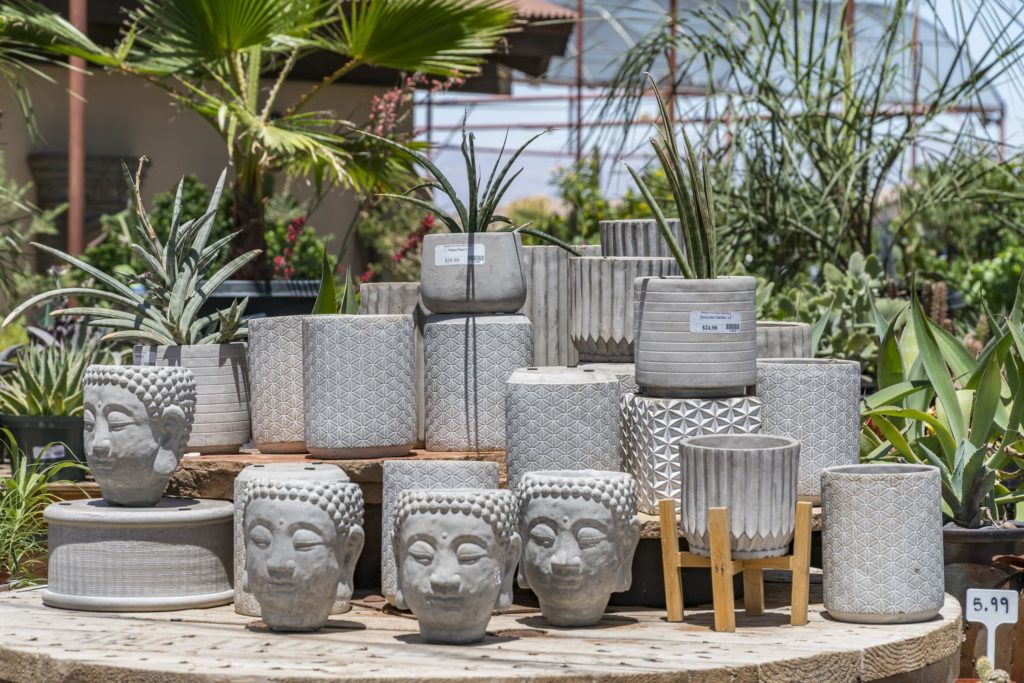
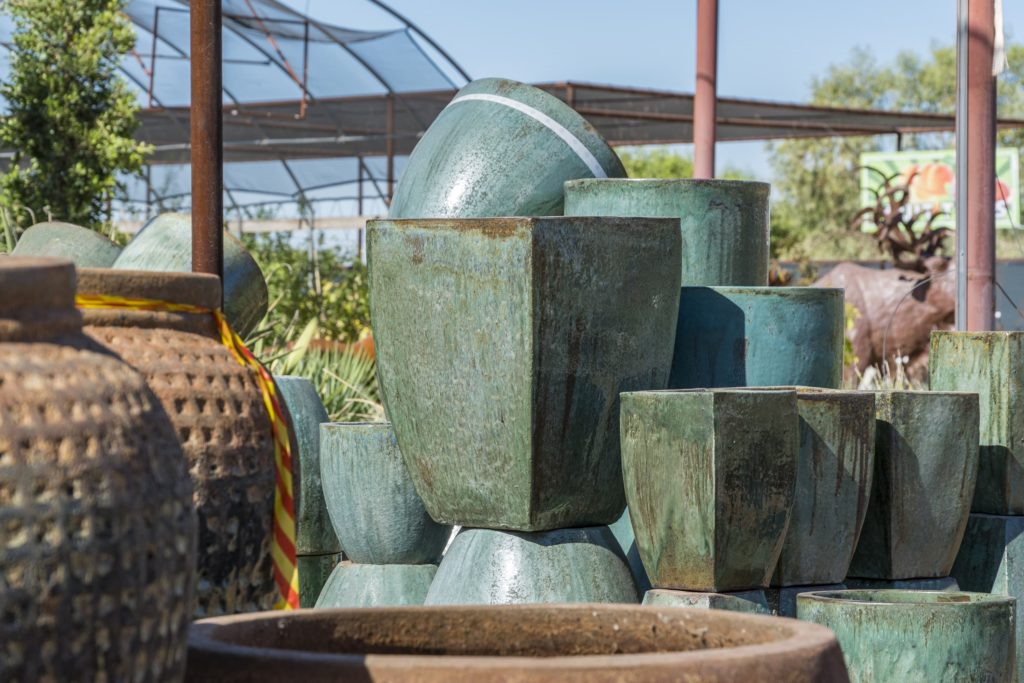
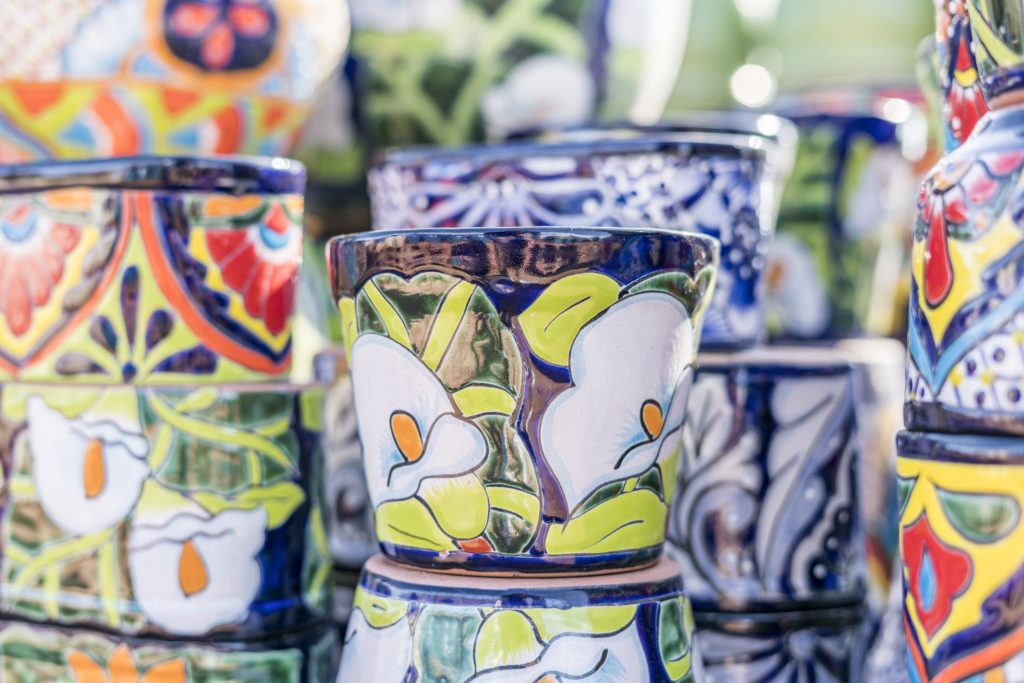
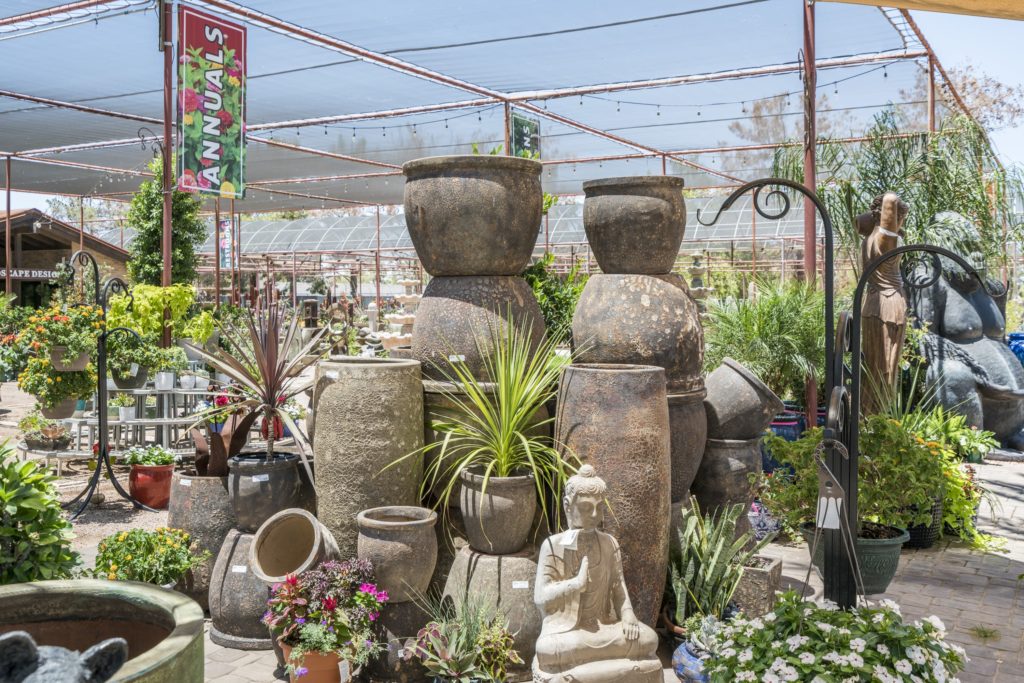
Annuals succeed or fail on what’s under them. We stock planting mix and compost for beds, potting mix for containers, bloom fertilizers including Tony’s Magic Mix and Magic Flower, starter fertilizer, drip fittings and frost cloth for the cold nights. The pottery yard has glazed and terracotta pots from 4-inch to whiskey-barrel size, window boxes and hanging baskets, and soil and mulch is sold by the bag or by the yard.
Mid-February through April for spring bloom, or September for a fall show. It dislikes monsoon humidity.
Every three to four days in beds and every two in pots in spring, letting the surface dry between. It rots in wet soil.
Cut when the outer petals have opened and the center is still tight, strip the leaves, and hang bundles upside down in a dry shaded spot for two weeks.
Strawflowers close in dull light and at night and open in sun. It is normal.
Yes — cut flowers regularly and it keeps producing. Old flowers left on the plant slow it down.
Yes, non-toxic to cats and dogs.
Strawflower live on the annuals tables; any staff member can point you to them. Locally owned, and a short drive from San Tan Valley, Gilbert, Chandler and Mesa.