

‘Snowland’ — a ten-inch mound of small white daisies with yellow eyes, blooming from a fall planting through April. Not the garden mum: a cool-season annual for edging, rock gardens and winter pots.
Paludosum daisy is the neat white daisy that edges winter beds all over the East Valley: a tidy ten-inch mound of green foliage smothered in inch-wide white flowers with yellow centers from December until the heat arrives. It is frost-hardy, undemanding and cheerful, and it looks like a miniature marguerite — which it more or less is. It goes with everything on the winter tables.
We commonly carry ‘Snowland’, the standard compact strain. Plant October through February in full sun. Mildly toxic to pets. The rest of the color tables are on our Annual Flowers & Foliage page.

This is the paludosum daisy we commonly carry. Availability changes week to week and season to season, so call (480) 987-3308 or stop in to see what’s on the bench today.
Mauranthemum paludosum ‘Snowland’: a compact 8–10-inch mound covered in single white daisies with yellow eyes, blooming continuously in cool weather.
Looking for one that isn’t listed? Ask — we can usually suggest a close match or tell you when it tends to come around.
The care tag was written somewhere else. This is the Queen Creek version.
Set out from mid-October through February. Fall plantings bloom from December to April or May; late-winter plantings from March. It finishes when days reach the 90s. Frost-hardy to the low 20s.
Any well-drained soil. Water every three to four days in beds and two to three in pots through winter, weekly in the coldest weeks, daily in pots by April. Avoid overhead watering in cool, humid weeks — wet foliage invites botrytis.
Edging along a path, the front of a winter bed with snapdragons and stock behind, rock gardens, and the filler in a winter container with pansies. Three plants a foot apart make a solid white ribbon.
Full sun through winter; afternoon shade in April extends it a couple of weeks. In shade it grows open and flowers less.
Shear the mound lightly when the first flush fades to remove spent heads and it reblooms in two weeks. A bloom fertilizer every two to three weeks.
Aphids on buds in warm spells; hose them off. Mildly toxic to cats and dogs if eaten in quantity.
Snap a photo of the spot — sun direction, wall color, pot size — and we’ll pick a season-correct combination with you. Advice is free.
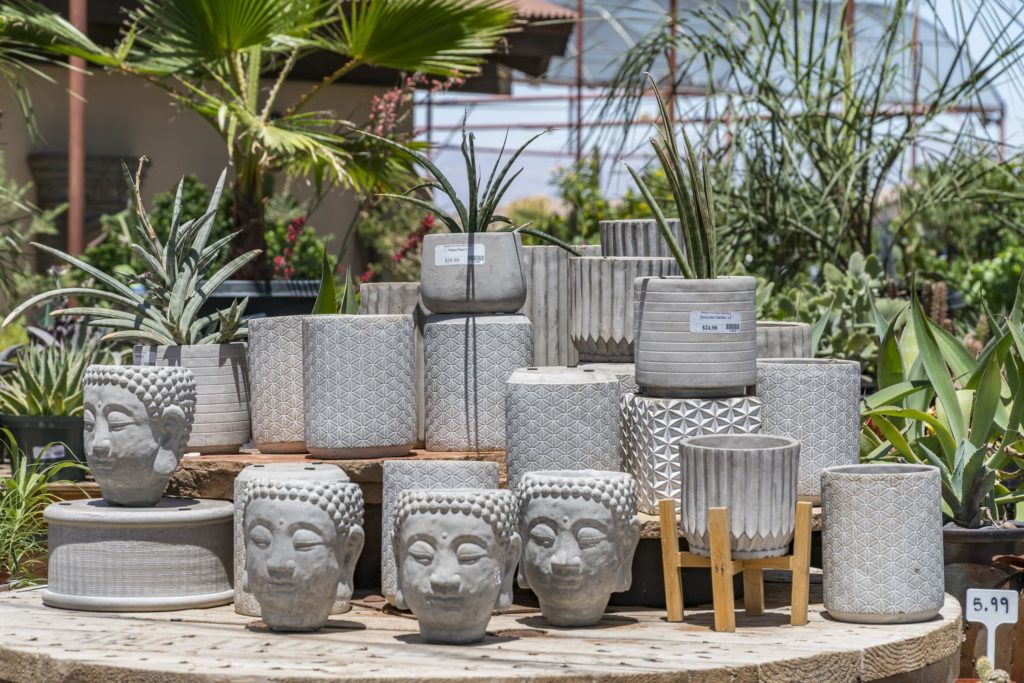
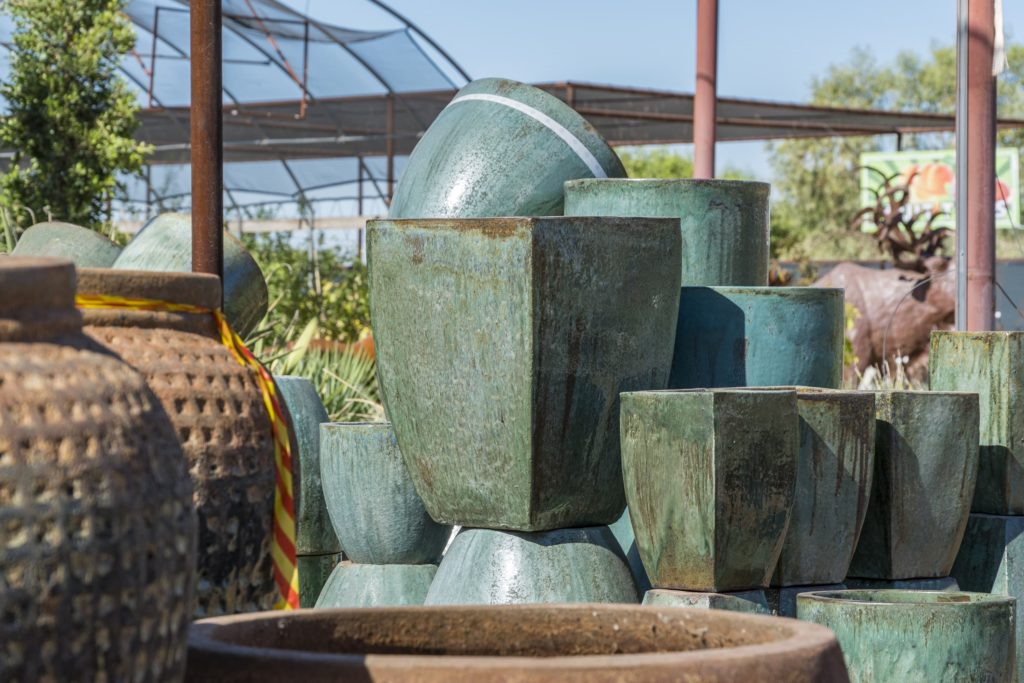
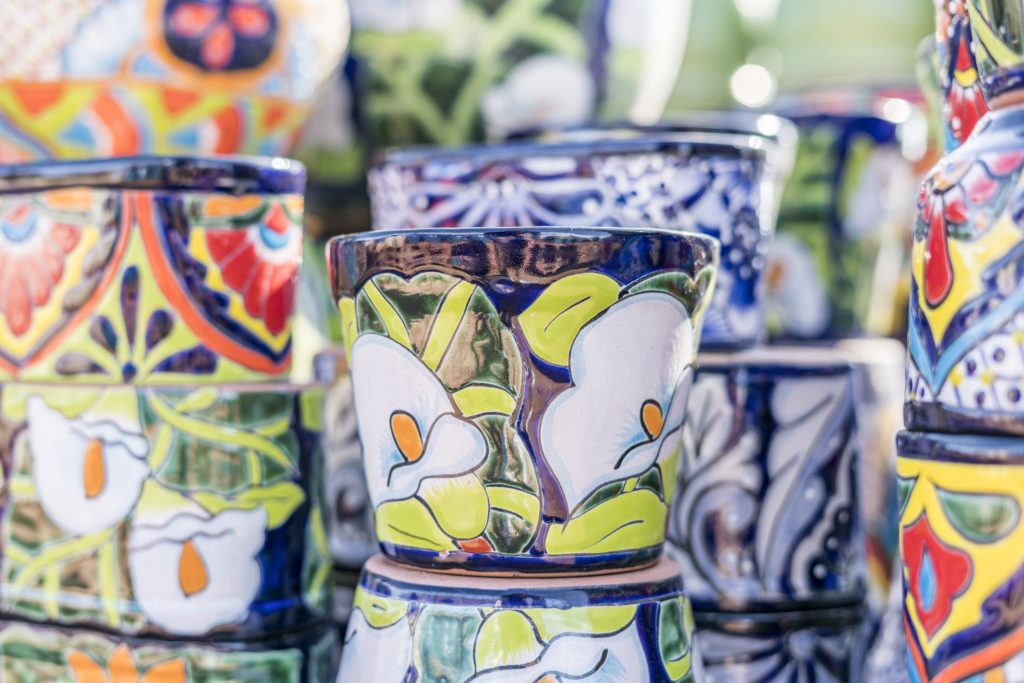
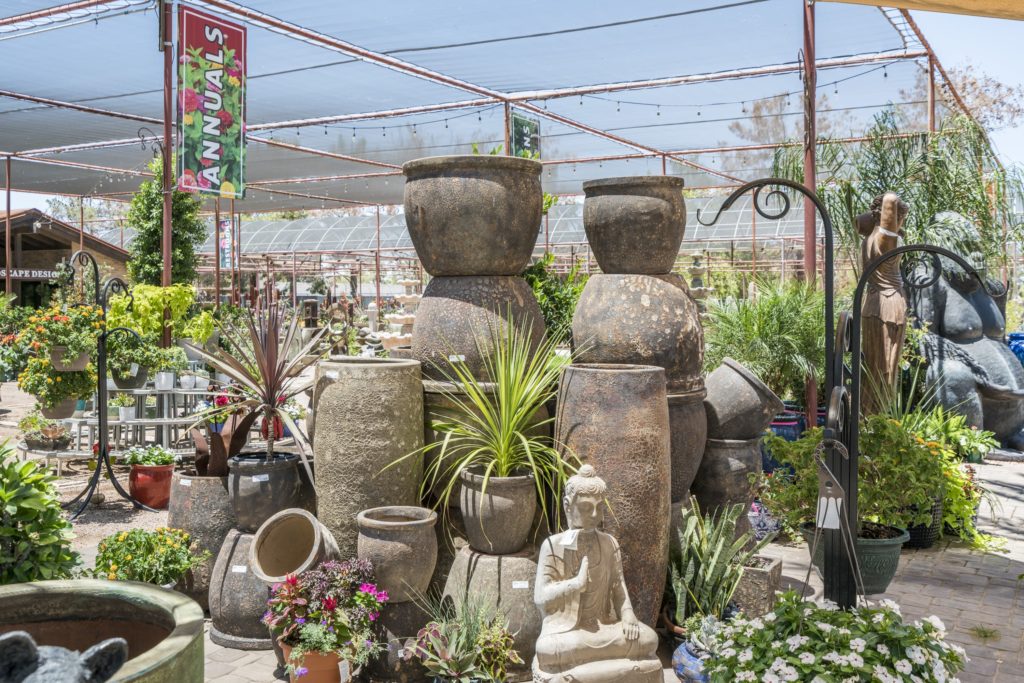
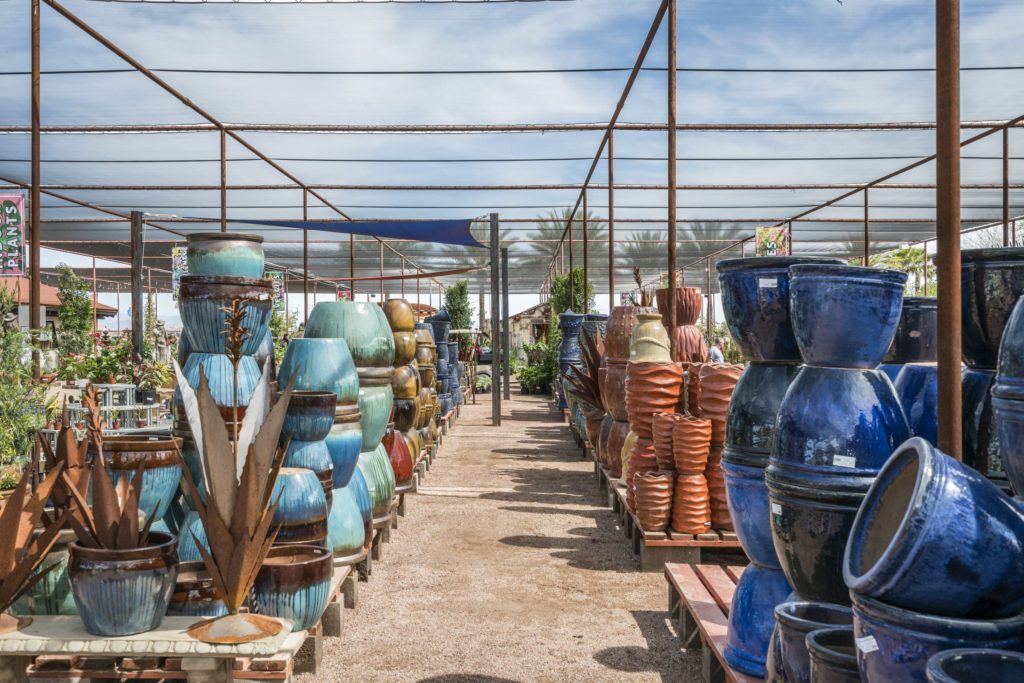
Annuals succeed or fail on what’s under them. We stock planting mix and compost for beds, potting mix for containers, bloom fertilizers including Tony’s Magic Mix and Magic Flower, starter fertilizer, drip fittings and frost cloth for the cold nights. The pottery yard has glazed and terracotta pots from 4-inch to whiskey-barrel size, window boxes and hanging baskets, and soil and mulch is sold by the bag or by the yard.
No — it is a small annual daisy (formerly Chrysanthemum paludosum), planted in fall for winter and spring bloom. Garden mums are the fall perennial.
Mid-October through February. It blooms until the heat arrives in May.
Yes, to the low 20s, with no cover.
Every three to four days in beds through winter, daily in pots by April. Avoid wetting the foliage in cool weather.
Shear it lightly after each flush and feed every two to three weeks.
Mildly toxic if eaten in quantity, like other daisies in the chrysanthemum family. Usually ignored by pets.
Paludosum Daisy live on the annuals tables; any staff member can point you to them. Locally owned, and a short drive from San Tan Valley, Gilbert, Chandler and Mesa.