

Trailing foliage for shade baskets: cream-edged ‘Coleoides Variegata’ and the lime-and-green ‘Guacamole’. Morning sun or bright shade, even moisture, and pinch it to keep it dense.
Plectranthus — Swedish ivy — is the trailing foliage plant for a shaded basket or the edge of a patio pot: scalloped, slightly fuzzy leaves on stems that cascade a foot or two, with a fresh minty scent when brushed. ‘Coleoides Variegata’ has green leaves boldly edged in cream; ‘Guacamole’ is chartreuse with a darker green center. Both grow fast in the mild months, root wherever a stem touches soil, and want the same conditions as coleus: shade in the afternoon and steady water.
We commonly carry both ‘Guacamole’ and ‘Coleoides Variegata’. Frost-tender; take cuttings in November. The rest of the color tables are on our Annual Flowers & Foliage page.

These are the plectranthus varieties we commonly carry. Availability changes week to week and season to season, so call (480) 987-3308 or stop in to see what’s on the bench today.
Lime-green scalloped leaves with a darker center on a trailing plant to two feet — glows in a shady corner.
The classic variegated Swedish ivy: green leaves with a wide cream margin, trailing 18 inches.
Looking for one that isn’t listed? Ask — we can usually suggest a close match or tell you when it tends to come around.
The care tag was written somewhere else. This is the Queen Creek version.
Fall, from October, for a basket that looks good until the first frost; or spring, from mid-March, for a plant that fills out through summer. It is killed by frost, so a fall planting is either brought indoors or treated as seasonal.
Keep evenly moist: daily for baskets from May through September, every two to three days in spring and fall, every four to five in winter. It wilts visibly when dry and recovers quickly, but the leaf edges brown if it happens often.
A quality potting mix in a basket or pot with drainage. Repot small plants into a 10- to 12-inch basket; a nursery basket wants a 14-inch container by midsummer.
Afternoon sun scorches the leaves in any season here. Hang baskets on the east or north side of the house or under a covered patio; in beds, under a tree or against a north wall. In deep shade the variegation fades and the stems stretch.
Pinch the trailing tips every couple of weeks to keep the basket full; unpinched plants go thin and bare at the crown. A balanced fertilizer at half strength every two to three weeks in the growing season. Cuttings root in water in a week — stick them back into the basket.
Take cuttings before the first frost in late November, or bring the basket into a bright room; it is an easy houseplant over winter. Mealybugs and whiteflies occasionally; insecticidal soap. Plectranthus is non-toxic to cats and dogs.
Snap a photo of the spot — sun direction, wall color, pot size — and we’ll pick a season-correct combination with you. Advice is free.
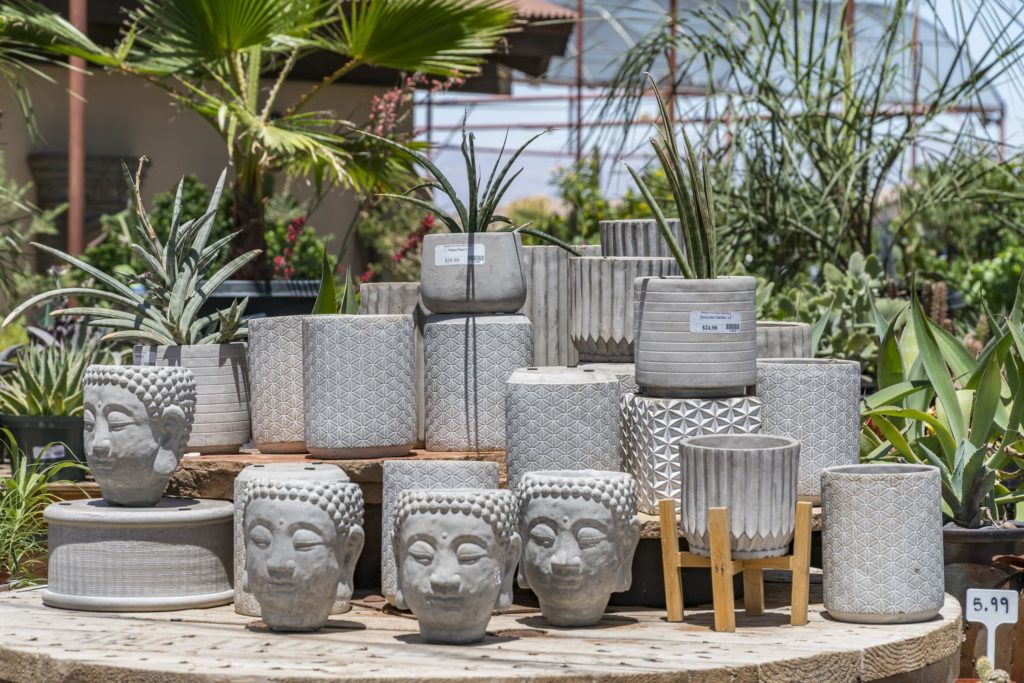
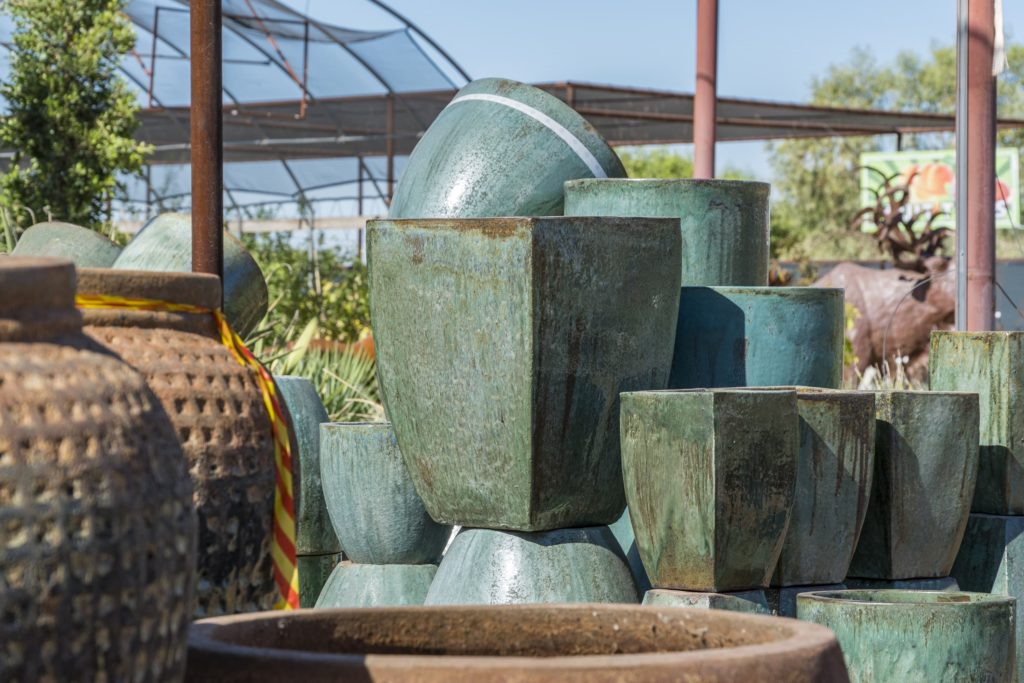
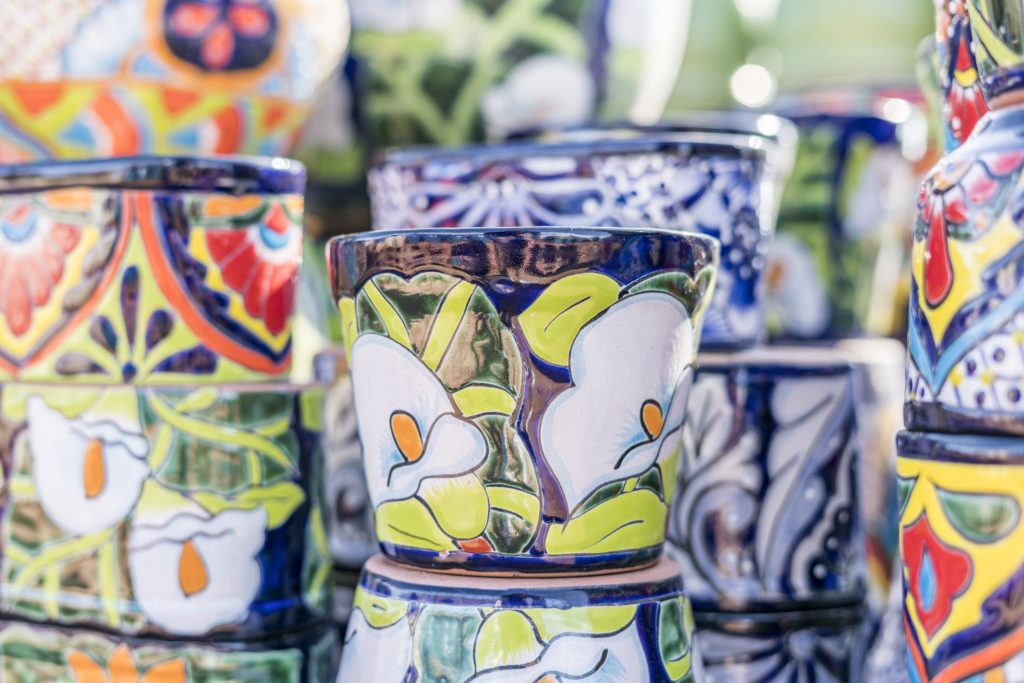
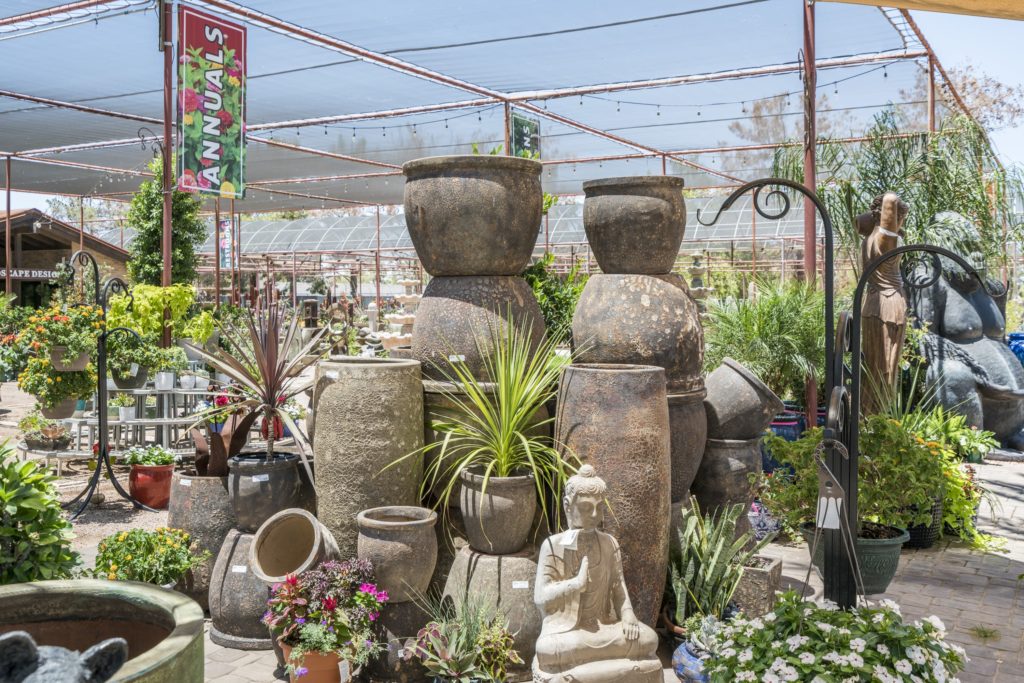
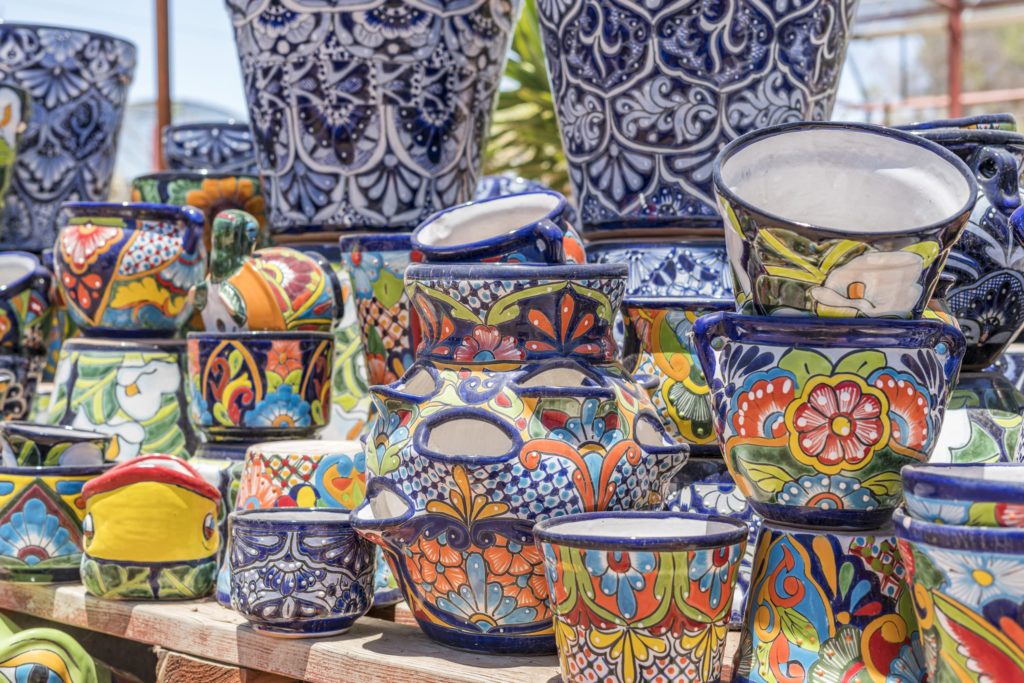
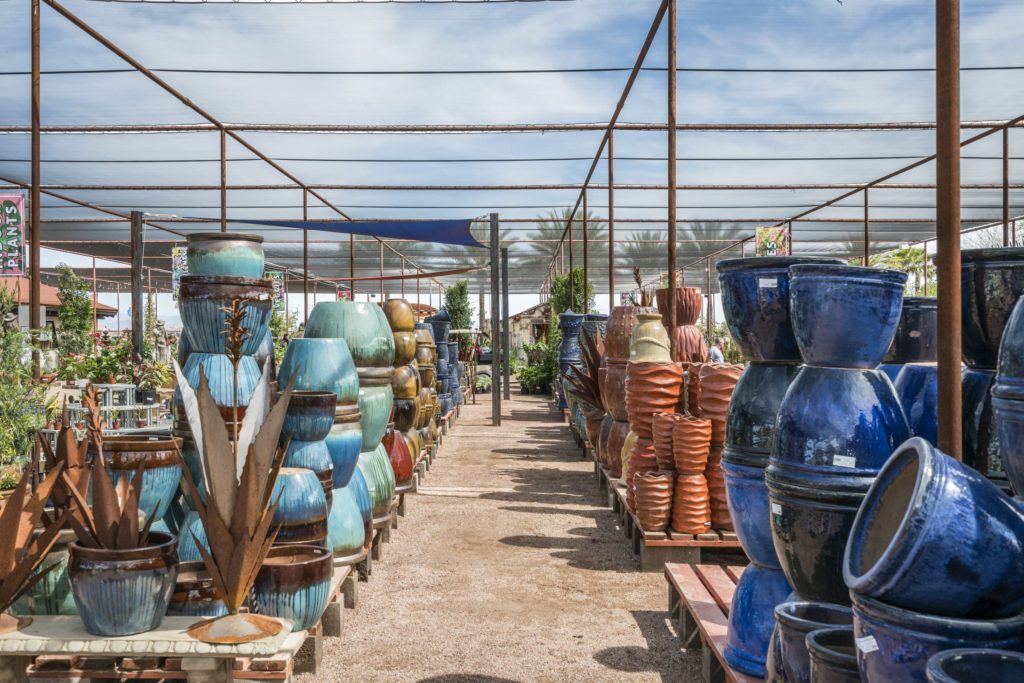
Annuals succeed or fail on what’s under them. We stock planting mix and compost for beds, potting mix for containers, bloom fertilizers including Tony’s Magic Mix and Magic Flower, starter fertilizer, drip fittings and frost cloth for the cold nights. The pottery yard has glazed and terracotta pots from 4-inch to whiskey-barrel size, window boxes and hanging baskets, and soil and mulch is sold by the bag or by the yard.
Morning sun or bright shade only. Afternoon sun scorches it in the low desert.
Daily for baskets in summer, every two to three days in spring and fall, every four to five in winter. Keep it evenly moist.
It needs pinching. Cut the long stems back, root the cuttings in water and stick them into the top of the basket; pinch tips every couple of weeks after that.
Not outdoors — frost kills it. Bring the basket into a bright room or take cuttings in November.
No, it is a mint relative from southern Africa. The “Swedish ivy” name comes from its popularity as a houseplant in Scandinavia.
Yes, it is non-toxic to cats and dogs.
Plectranthus live on the annuals tables; any staff member can point you to them. Locally owned, and a short drive from San Tan Valley, Gilbert, Chandler and Mesa.