

Ready-made hanging baskets, ready to hang: bacopa with calibrachoa and petunia; bidens with calibrachoa and verbena; calibrachoa with lobelia and verbena; sweet potato vine with black petunias. Recipes change with the season; how to keep one alive here doesn’t.
A finished hanging basket is the fastest way to a full porch: three or four plants grown together for two months at the nursery so they arrive already spilling over the rim. Ours are seasonal recipes — cool-season baskets in fall built on petunias, calibrachoa, lobelia, bacopa and verbena, and warm-season baskets in spring with bidens, calibrachoa and sweet potato vine. The combinations on this page are typical; each season’s recipes differ.
What doesn’t change is the care: a basket in Arizona sun and wind dries out every day, wants morning sun and afternoon shade, and needs feeding every two weeks to keep four hungry plants blooming. The rest of the color tables are on our Annual Flowers & Foliage page.

These are the mixed hanging baskets varieties we commonly carry. Availability changes week to week and season to season, so call (480) 987-3308 or stop in to see what’s on the bench today.
A soft spring basket: white bacopa trailing under pink calibrachoa and trailing pink petunia. Morning sun; never let the bacopa dry out.
A high-contrast spring basket: golden bidens with purple calibrachoa and purple trailing verbena. Takes more sun than the others.
A primary-color cool-season basket: yellow calibrachoa, blue lobelia, red verbena. Blooms November to April; the lobelia goes first in the heat.
A dramatic foliage-and-flower basket: near-black sweet potato vine with black-and-white striped petunias. Grows fast; cut the vine back as needed.
Looking for one that isn’t listed? Ask — we can usually suggest a close match or tell you when it tends to come around.
The care tag was written somewhere else. This is the Queen Creek version.
Cool-season baskets go up from mid-October and look good through April or May; warm-season baskets from March and last until the heat of July, longer in afternoon shade. Cover any basket on a night below 30°F, or take it into the garage.
A 10- or 12-inch basket in Arizona wind and sun dries out daily even in winter, and twice a day by May. Water until it runs from the bottom; a basket that has dried right out repels water, so soak it in a bucket for twenty minutes to rewet the root ball. Lift it — a light basket is a dry basket. A drip line on a timer is the reliable answer for more than two baskets.
Pinch or shear trailing stems that go leggy by a third; cut back sweet potato vine whenever it swamps the petunias; pull dead lobelia out when the heat takes it and let the others fill the space. Turn the basket a quarter turn weekly so it grows evenly.
The single best spot for a basket in Queen Creek is one that gets sun until noon and shade after: an east-facing porch, under a covered patio edge, the north side of a shepherd’s hook. A basket in full afternoon sun in April needs water twice a day and still burns.
Four plants in a small volume of mix run out of food fast. A liquid bloom fertilizer every two weeks, or slow-release granules pressed into the surface at hanging plus liquid feed monthly. Baskets that stop blooming are almost always hungry.
A wet 14-inch basket weighs 20 pounds or more — use a rated hook into a joist. Aphids, whiteflies and budworm as for the component plants; hose and Bt. Petunia, calibrachoa, bacopa, bidens and verbena are non-toxic to pets; sweet potato vine and lobelia are not, so hang those out of reach.
Snap a photo of the spot — sun direction, wall color, pot size — and we’ll pick a season-correct combination with you. Advice is free.
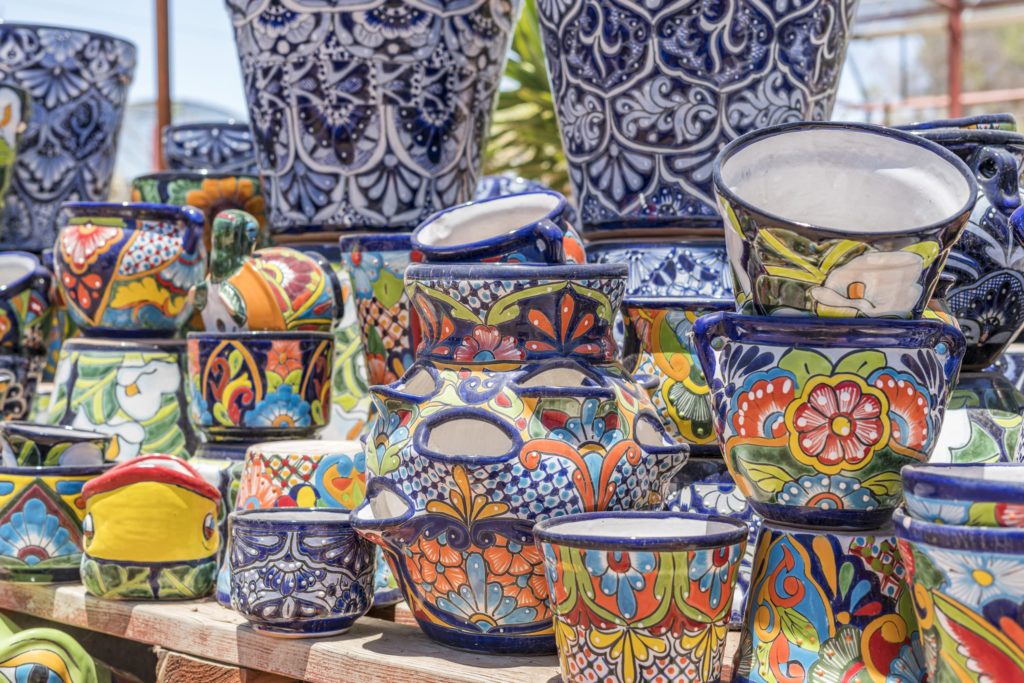
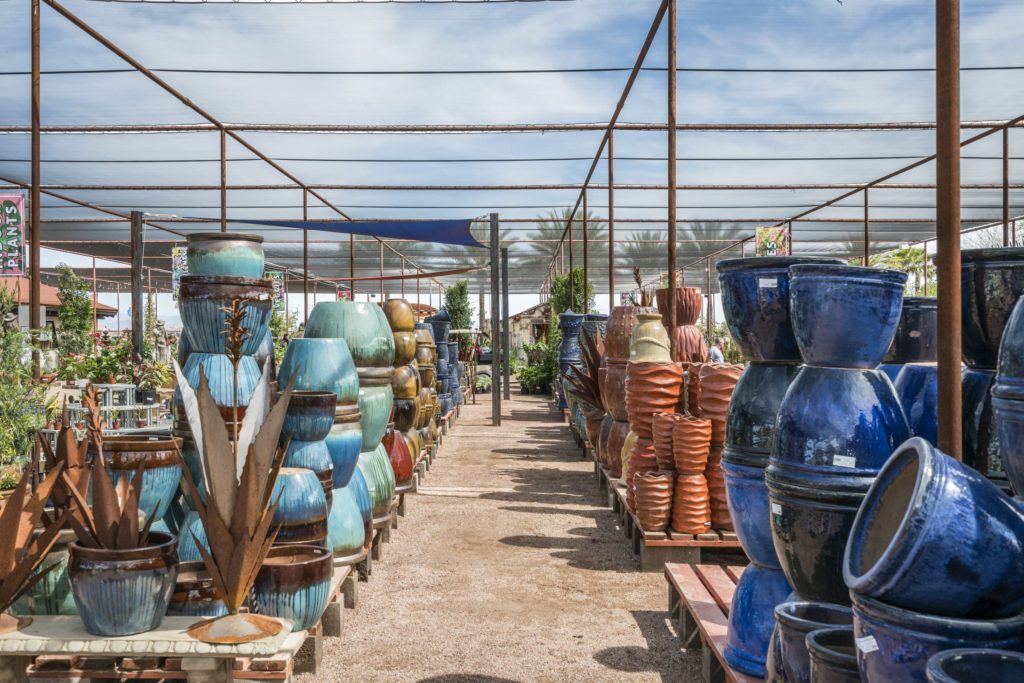
Annuals succeed or fail on what’s under them. We stock planting mix and compost for beds, potting mix for containers, bloom fertilizers including Tony’s Magic Mix and Magic Flower, starter fertilizer, drip fittings and frost cloth for the cold nights. The pottery yard has glazed and terracotta pots from 4-inch to whiskey-barrel size, window boxes and hanging baskets, and soil and mulch is sold by the bag or by the yard.
Every day, twice a day from May in sun, until water runs out the bottom. If it dries out completely, soak it in a bucket to rewet the root ball.
Morning sun, afternoon shade — an east-facing porch or under a patio edge. Full afternoon sun burns baskets here.
Hunger, most likely. Feed a bloom fertilizer every two weeks. Then check that it isn’t drying out between waterings.
A fall basket looks good from October to April or May; a spring basket from March until the July heat, longer in shade. Replace the components as they fade.
Light frost, mostly. Cover or bring it into the garage on nights below 30°F.
Most of the plants are non-toxic; sweet potato vine and lobelia are not. Hang baskets out of reach of pets that chew.
Mixed Hanging Baskets live on the annuals tables; any staff member can point you to them. Locally owned, and a short drive from San Tan Valley, Gilbert, Chandler and Mesa.