

× Petchoa — a petunia–calibrachoa cross sold under the SuperCal name, here as ‘Bonfire Mix’. It takes heat and monsoon rain better than either parent and blooms a month longer than a petunia.
SuperCal is what you get when breeders cross a petunia with a calibrachoa: petunia-sized flowers in saturated colors, calibrachoa’s tolerance of heat and rain, no sticky foliage, self-cleaning blooms, and — the part that matters in Queen Creek — a season that runs a month past ordinary petunias into June. It is also less prone to iron chlorosis than calibrachoa, so it can go in a bed as well as a pot.
We carry it as ‘Bonfire Mix’ — red, orange and yellow — and list five more SuperCal colors on our Petunia page. The rest of the color tables are on our Annual Flowers & Foliage page.

This is the supercal we commonly carry. Availability changes week to week and season to season, so call (480) 987-3308 or stop in to see what’s on the bench today.
A finished pots of ‘SuperCal’ in fiery red, orange and yellow shades; mounding-trailing to 18 inches. Plant out or keep in the pot on a sunny patio.
Looking for one that isn’t listed? Ask — we can usually suggest a close match or tell you when it tends to come around.
The care tag was written somewhere else. This is the Queen Creek version.
Set out from mid-October through March. A fall planting blooms from November straight through to June; a February or March planting from March to June and, with afternoon shade, sometimes into July. It takes light frost; cover below 30°F. A September planting works if nights have eased — SuperCal tolerates late-summer heat better than any petunia.
A quality potting mix in pots or an amended, well-drained bed. Water every two to three days in pots and three to four in beds through winter, daily for pots by April. It handles a monsoon downpour far better than petunias but still dislikes a permanently wet saucer.
One plant fills a large pot; three fill a very large one. It trails enough for a basket rim and mounds enough for a bed edge. Pair ‘Bonfire’ with silver dichondra or blue lobelia.
Full sun through the cool months; morning sun and afternoon shade from May to push the season as late as it will go.
A bloom fertilizer every two weeks — like both parents it is a heavy feeder. Add iron if leaves pale between the veins in a pot. No deadheading; it is self-cleaning. Shear lightly by a third if it stretches in late winter.
Budworm in spring — hand-pick or Bt; aphids in warm spells. Non-toxic to cats and dogs.
Snap a photo of the spot — sun direction, wall color, pot size — and we’ll pick a season-correct combination with you. Advice is free.
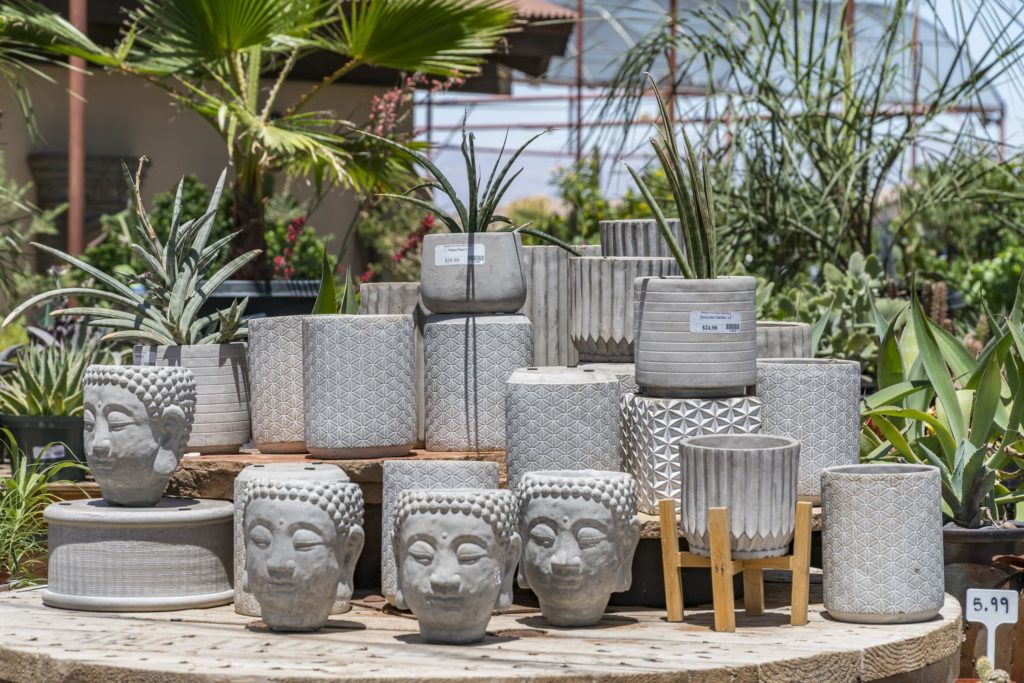
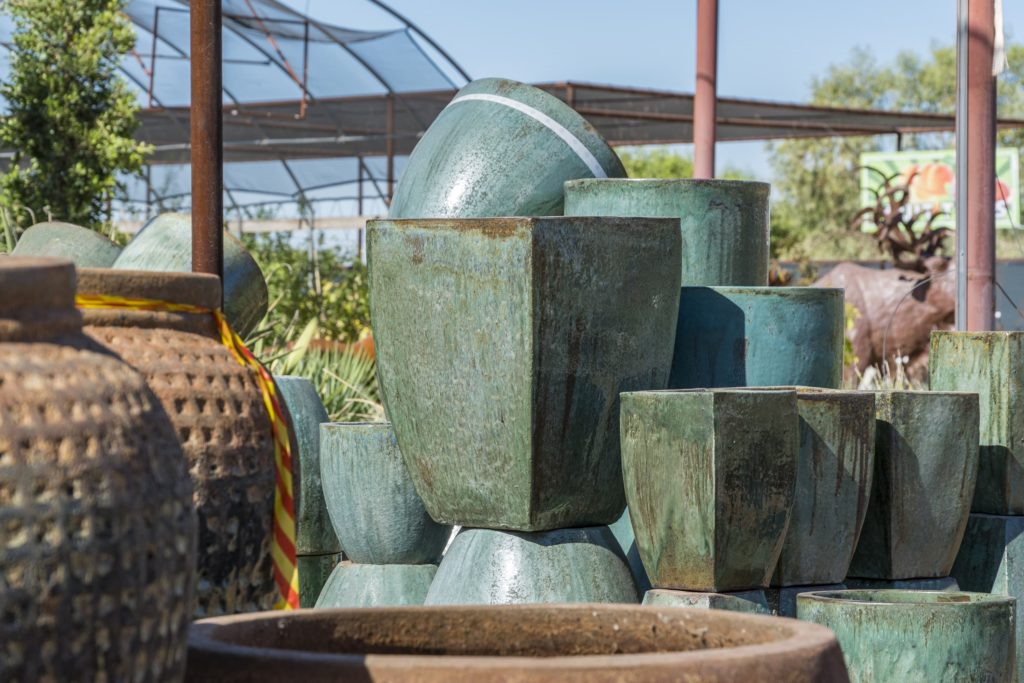
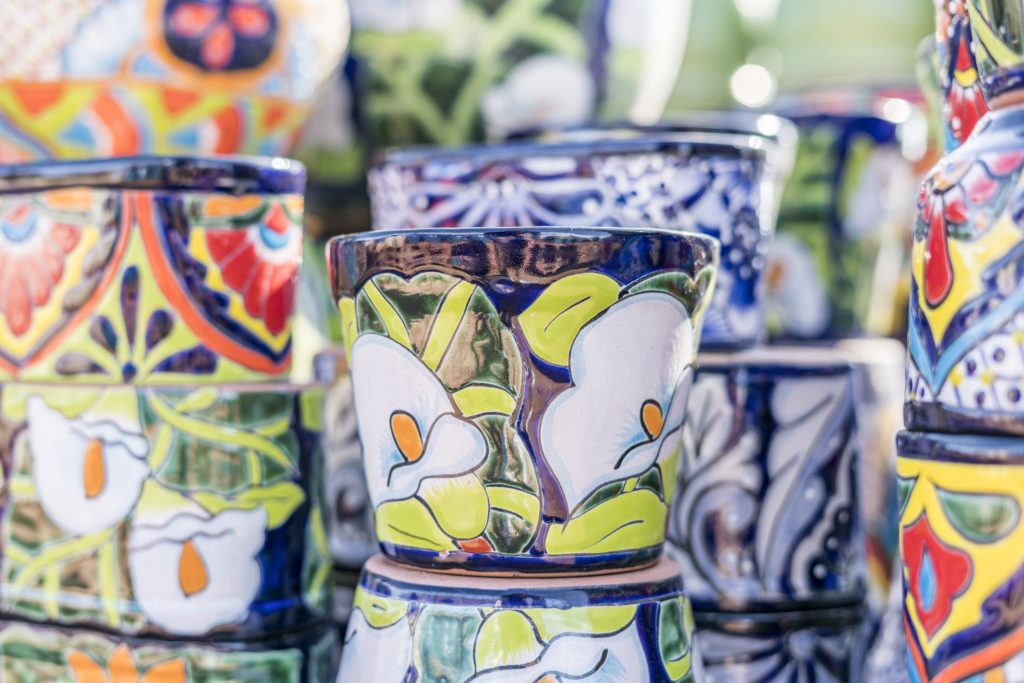
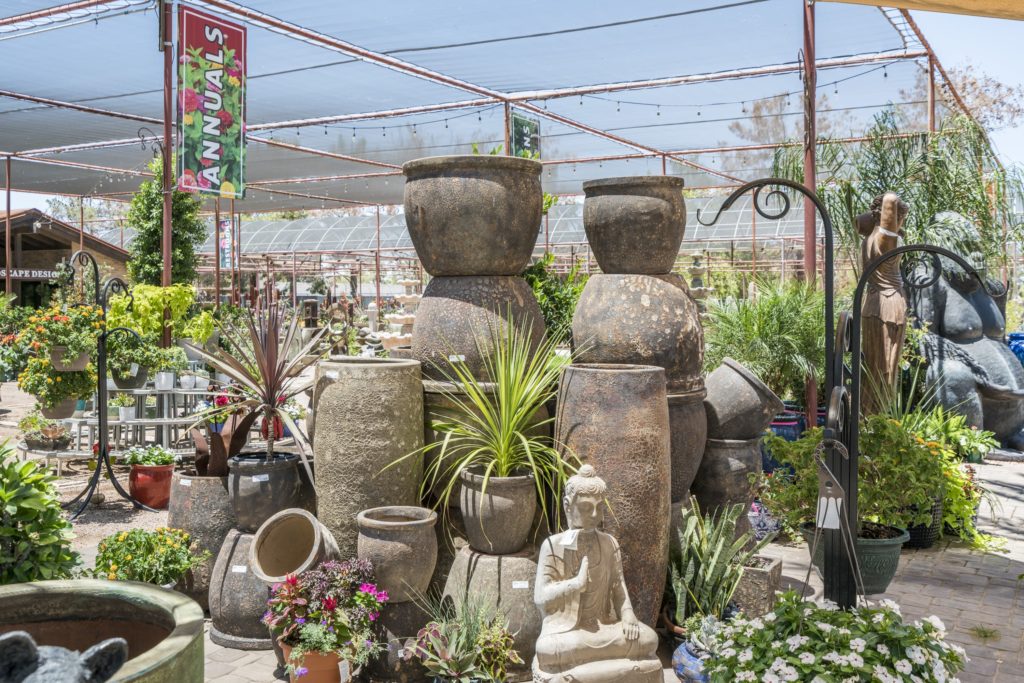
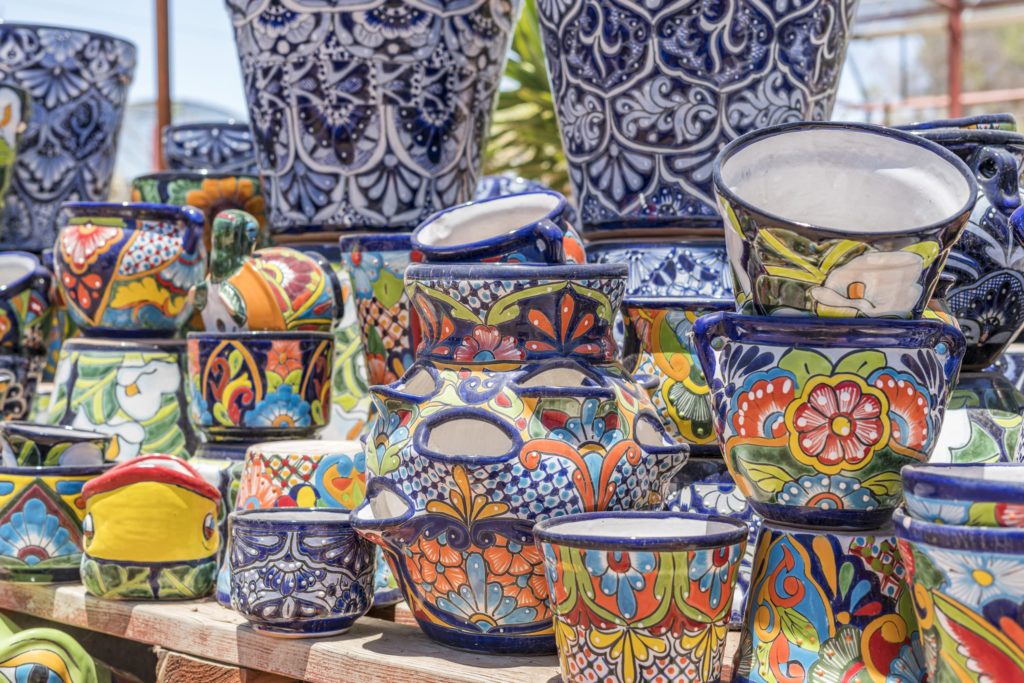
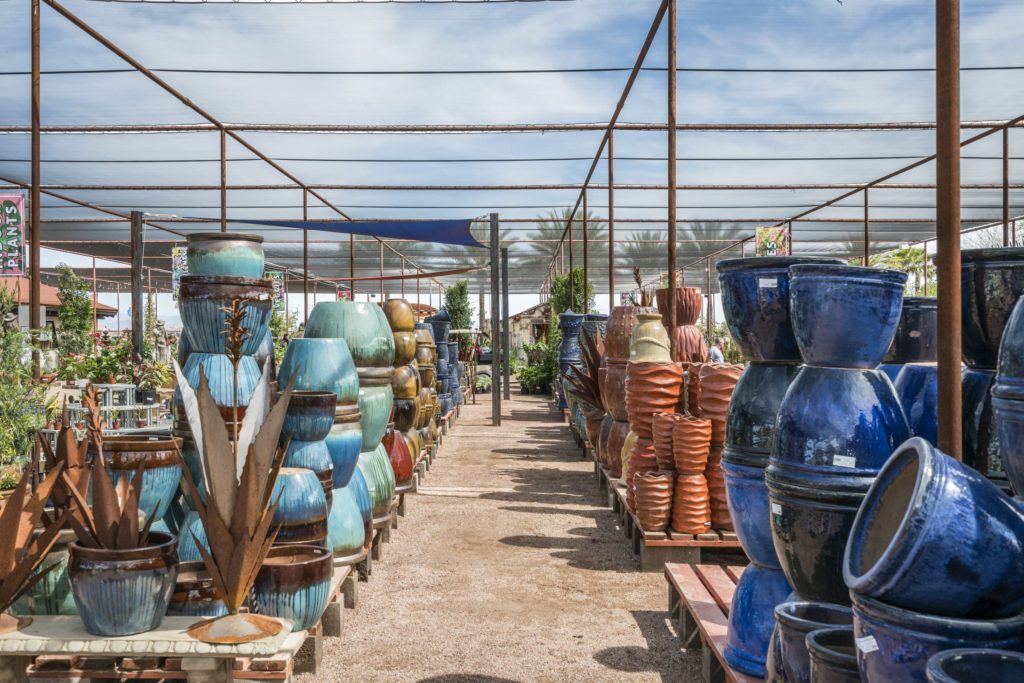
Annuals succeed or fail on what’s under them. We stock planting mix and compost for beds, potting mix for containers, bloom fertilizers including Tony’s Magic Mix and Magic Flower, starter fertilizer, drip fittings and frost cloth for the cold nights. The pottery yard has glazed and terracotta pots from 4-inch to whiskey-barrel size, window boxes and hanging baskets, and soil and mulch is sold by the bag or by the yard.
A hybrid between petunia and calibrachoa, sold as ‘SuperCal’. It combines petunia-sized flowers with calibrachoa’s toughness in heat and rain.
From a fall planting, November through June — about a month longer than ordinary petunias. Afternoon shade in May stretches it further.
Yes. Unlike calibrachoa it tolerates our alkaline soil reasonably well; add iron if it pales.
Every two to three days in pots through winter, daily by April; every three to four days in beds.
No — it is self-cleaning. Shear lightly if it stretches.
Yes, non-toxic to cats and dogs.
SuperCal live on the annuals tables; any staff member can point you to them. Locally owned, and a short drive from San Tan Valley, Gilbert, Chandler and Mesa.