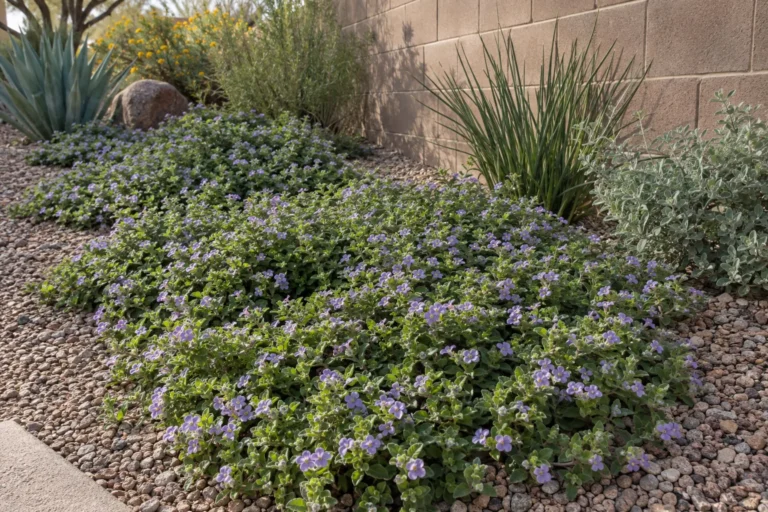
8 Arizona Groundcovers That Choke Out Weeds Naturally
Eight low-growing plants that shade bare soil and crowd out weeds in Queen Creek yards, with their sizes, water needs, drawbacks and a planting and watering plan.
Eight low-growing plants that shade bare soil and crowd out weeds in Queen Creek yards, with their sizes, water needs, drawbacks and a planting and watering plan.
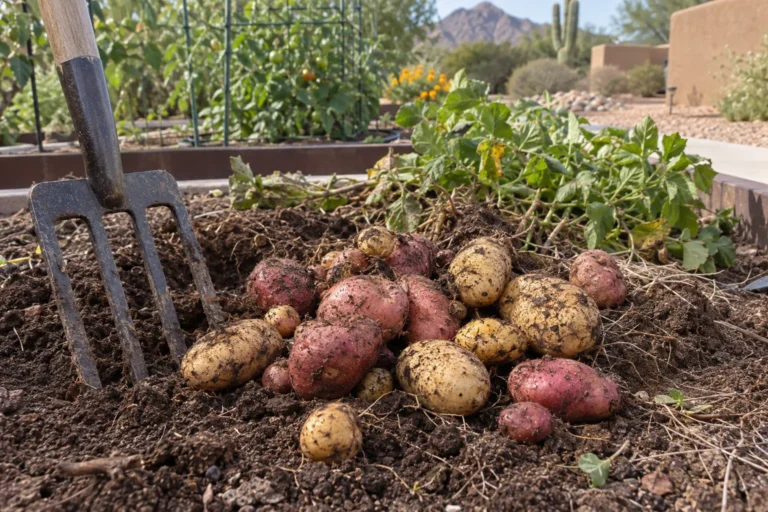
Potatoes need about 60 to 100 days in the East Valley, so planting date decides the harvest. This guide covers planting windows, harvest signs and how to cure your crop.

Eight tough border plants for Queen Creek and East Valley yards, with mature sizes, watering needs, planting windows and pruning dates for alkaline soil and 110°F summers.
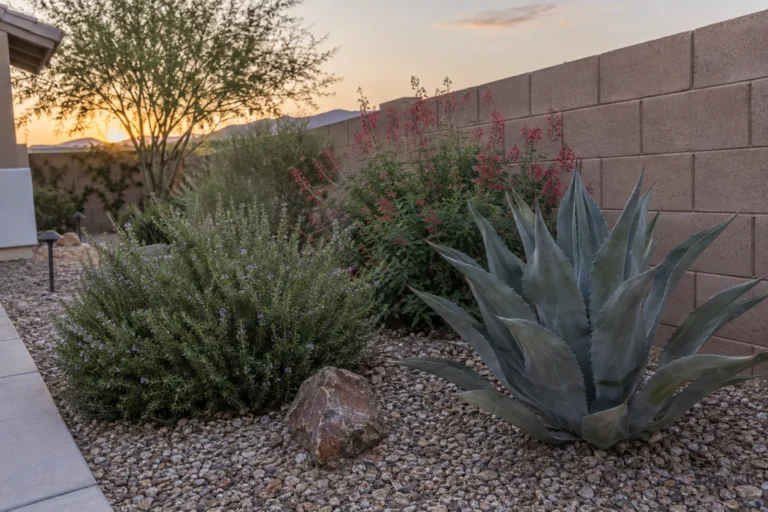
Rosemary, lavender, brittlebush, autumn sage, desert marigold, agave, Texas sage and desert ruellia are low desert plants rabbits tend to skip, with notes on size, water and drawbacks.
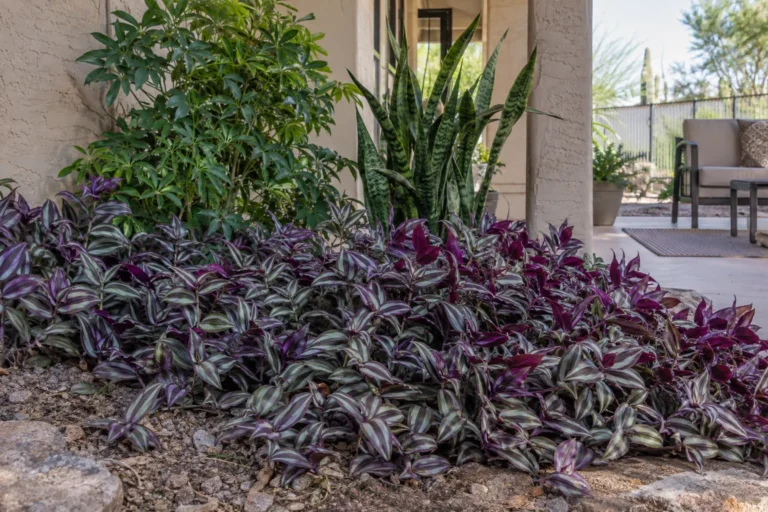
Eight shade-loving companion plants that share Wandering Jew’s water needs, with notes on size, sun, frost and one drawback each, so your low desert bed stays full year round.
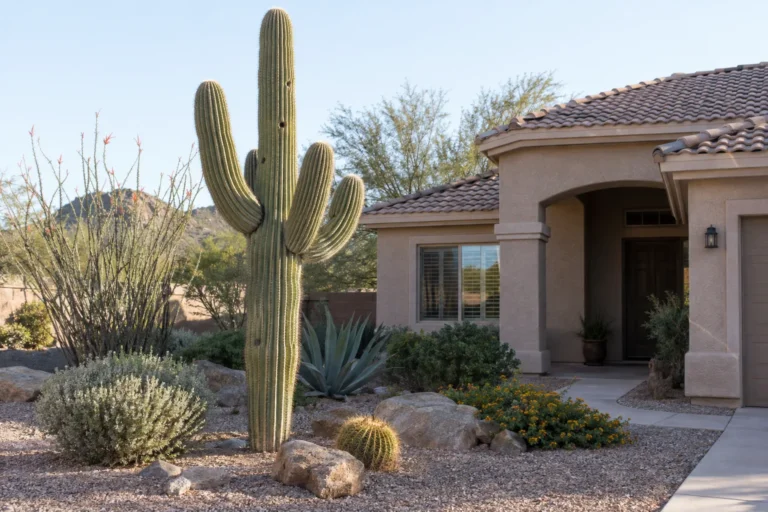
Protected native plants, listed weeds, restricted wildlife, pools and larger structures can all need a permit or approval, and this guide explains who to ask in the East Valley.
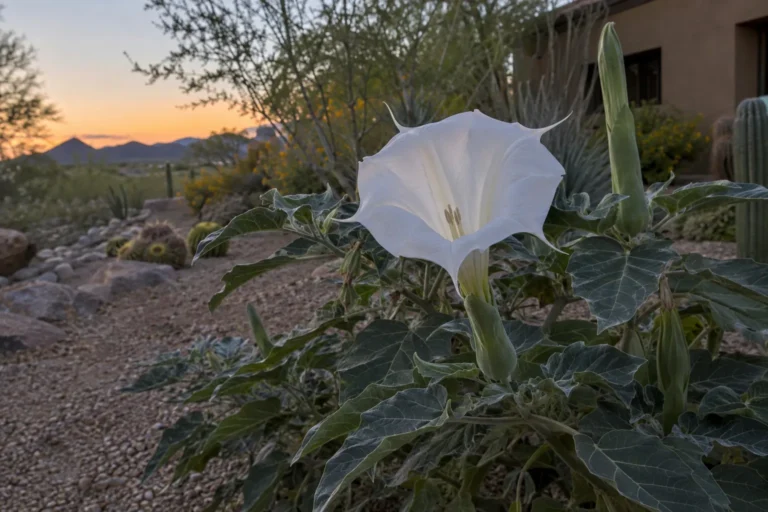
Moonflower, four o’clocks, datura, night-blooming jasmine, angel’s trumpet and Queen of the Night bloom after sunset in the low desert, and each has its own planting and safety needs.
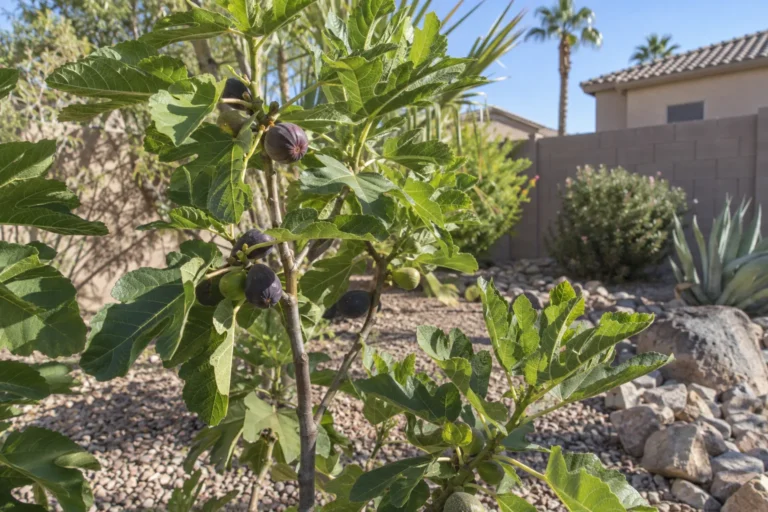
Eight fruit trees suit first-time growers in the Arizona low desert, and this guide covers when to plant, how to water, and what can go wrong with each.
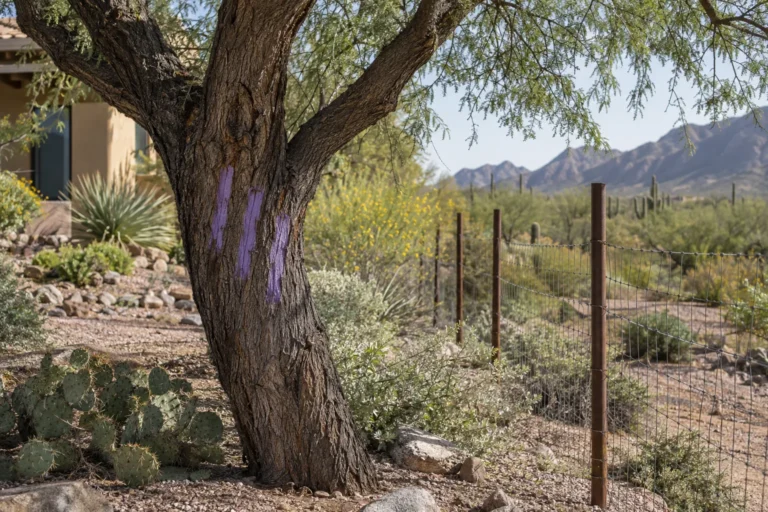
Purple paint on a tree can signal a keep-out boundary, survey line, utility work, removal or herbicide treatment, and the clues around the mark tell you which.
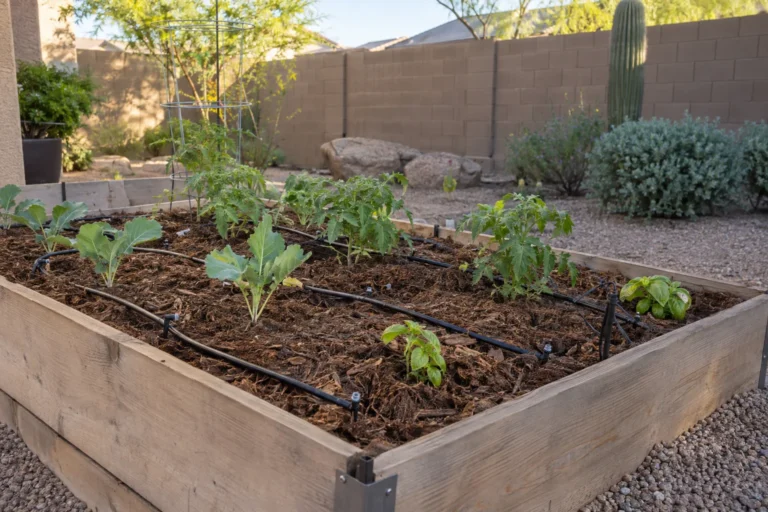
Seed starting, free mulch, two growing seasons and heat-tolerant crops keep an Arizona food garden affordable, and this guide explains ten ways to put them to work.
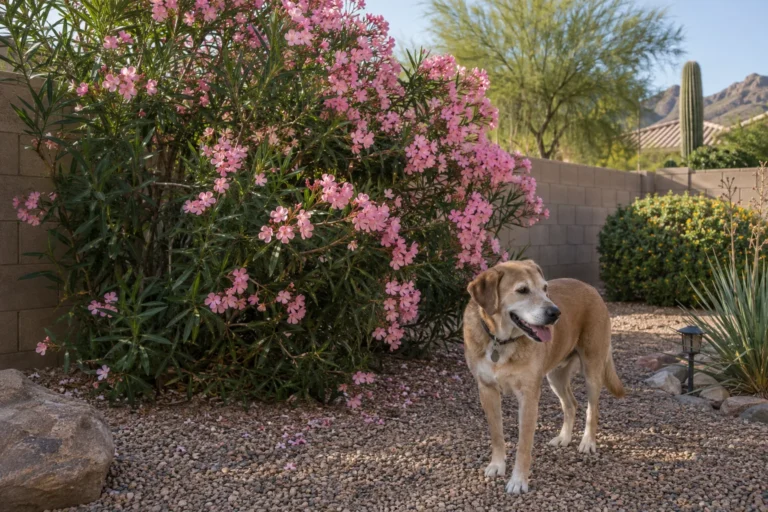
Oleander, sago palm, chinaberry and five other common low desert trees carry real poison risks for kids and pets, and this guide covers safer replacements.
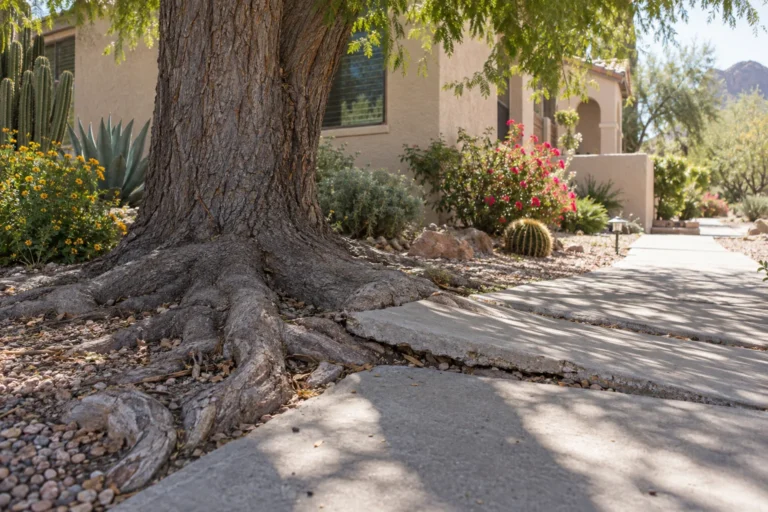
Eight common Arizona trees cause root damage, limb breakage, heavy pollen or poisoning risks near a house, and this guide explains why and what to plant instead.