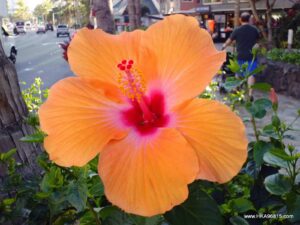

Night-blooming flowers such as moonflower, four o’clocks and night-blooming jasmine open in the evening, when the low desert cools from above 110°F to the 90s. Plant them near a patio, give most of them afternoon shade, and water deeply but infrequently.
Key takeaways
- Sow moonflower seed in place in March or April, and the vine can reach 10 to 15 feet by late summer.
- Datura, angel’s trumpet and night-blooming jasmine are toxic if eaten, so keep them away from children and pets.
- Most night bloomers want morning sun and afternoon shade once highs pass 110°F. Four o’clocks and datura tolerate more sun.
- Plant in October and November or February and March so roots settle before summer heat.
- Set the most fragrant plants within 10 to 15 feet of your seating so the scent reaches you.

Which night-blooming flowers grow best in the Arizona low desert?
Six dependable choices are moonflower, four o’clocks, sacred datura, night-blooming jasmine, angel’s trumpet and Queen of the Night. They differ in size, water needs and toxicity, so match each one to your yard. Browse our plant department for shrubs, vines and perennials. These are varieties we commonly carry, though availability changes week to week and season to season.
Moonflower (Ipomoea alba)
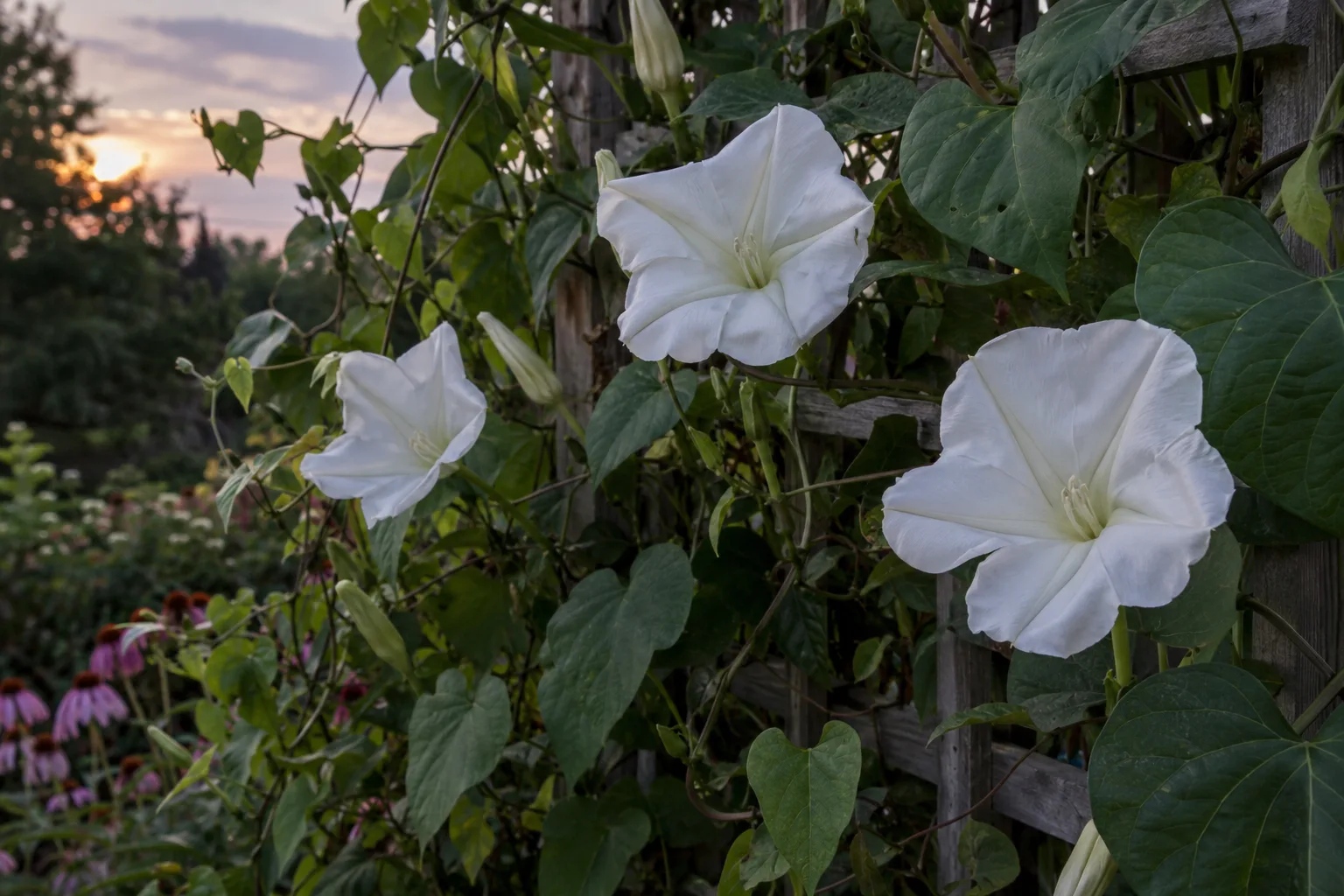
Moonflower is a fast vine with white blooms 4 to 6 inches across that unfurl at dusk and close by mid-morning. It climbs 10 to 15 feet in a long warm season and wants sun with some afternoon shade and moderate water. The drawback is timing. Frost cuts it back, and the seed needs nicking and soaking to sprout well.
Four o’clocks (Mirabilis jalapa)
Four o’clocks open in late afternoon in pink, yellow, white or striped forms and stay open through the evening. Plants reach 2 to 3 feet tall and wide, take sun to part shade, and need low to moderate water. They die back in winter and regrow from tuberous roots in spring. The drawback is that they reseed freely and can pop up where you did not plant them.
Sacred datura (Datura wrightii)
This Sonoran Desert native grows 3 to 4 feet tall and up to 6 feet wide, with large white trumpets that open in the evening and close by mid-morning. It takes full sun and very little water once established. The drawback is serious. Every part is toxic, it sprawls, and it goes dormant in winter so completely that it looks dead.
Night-blooming jasmine (Cestrum nocturnum)
The flowers are small and pale, but the evening scent from one established shrub can carry across a whole patio. Expect a shrub of 6 to 8 feet that wants bright light with afternoon shade in summer and moderate water. The drawbacks are frost tip damage in cold snaps, toxic berries, and a scent that can overwhelm a small enclosed space.
Angel’s trumpet (Brugmansia hybrids)
Angel’s trumpet carries hanging flowers a foot long or more in white, yellow, peach and pink, mostly in spring and fall. Shrubs reach 6 to 10 feet and prefer morning sun, afternoon shade and generous water. The big leaves scorch in hard summer sun, and the plant is frost tender. All parts are toxic.
Queen of the Night (Epiphyllum oxypetalum)
This spineless cactus relative has arching stems and fragrant white flowers that last a single night. It wants bright shade, never hot afternoon sun, and water once the top inch or two of mix has dried. Pots work best because you can move it under cover for frost. The drawback is unpredictability, since it blooms only a few nights a year and cannot be timed. The same common name is also used for the native desert cactus Peniocereus greggii.
| Plant | Mature size | Sun | Water | Fragrance |
|---|---|---|---|---|
| Moonflower | 10 to 15 feet (vine) | Sun to afternoon shade | Moderate | Light |
| Four o’clocks | 2 to 3 feet | Sun to part shade | Low to moderate | Light |
| Sacred datura | 3 to 4 feet tall, 6 feet wide | Full sun | Very low | Mild |
| Night-blooming jasmine | 6 to 8 feet | Bright light, afternoon shade | Moderate | Strong |
| Angel’s trumpet | 6 to 10 feet | Morning sun, afternoon shade | High | Evening scent |
| Queen of the Night | Stems 6 feet or more | Bright shade | Moderate | Strong |
Where should I plant night-blooming flowers in Queen Creek?
Choose a spot near where you sit in the evening, with morning sun, afternoon shade and soil that drains. East-facing walls and ramada edges work well. Queen Creek soil is alkaline, and caliche, a hard calcium layer, often sits a few inches to a few feet down, so test before you plant.
Dig a hole about 18 inches deep and fill it with water. If water is still standing a day later, drainage is poor and a raised bed is the better choice. Mix compost into native soil at roughly one part compost to two or three parts soil, and keep mulch 2 to 3 inches deep and clear of the stems.
Do not try to rewrite the soil chemistry. Alkaline soil is normal here, and most of these plants adapt. Yellow leaves with green veins point to iron chlorosis, which chelated iron can correct when you follow the label.
Timing matters as much as placement. October and November give roots a full cool season to settle, and February and March are the second window. Our gardening calendars show what to plant month by month.
How often should I water night-blooming flowers in summer?
Water deeply and let the top few inches of soil dry between watering. For established in-ground plants from June through September, that often means every 5 to 7 days for moderate-water plants like jasmine and moonflower, and every 10 to 14 days for datura. Treat these as starting points and adjust to your soil.
Pots dry out fast. A large container in July heat may need water every 1 to 3 days, and a flush with plain water every month or two helps wash out salts left by hard irrigation water. Water in the early morning so the soil is not wet all night.
In winter, stretch the interval to every 3 to 4 weeks for in-ground plants. Soggy, cold soil causes root rot. Check moisture 4 to 6 inches down before you add more.
Are night-blooming flowers safe around children and pets?
Treat every plant on this list as toxic. Datura and angel’s trumpet contain tropane alkaloids, night-blooming jasmine berries are poisonous, and poison-control sources also list four o’clock roots and seeds and moonflower seeds as harmful if eaten. A sentence this short sums it up: place them out of reach.
If you have young children or pets that chew plants, put these in fenced beds or high pots, or choose different plants. If someone eats any part, call Poison Help at 1-800-222-1222 or your veterinarian right away. Wash your hands after pruning, and wear gloves if your skin is sensitive.
What visits night-blooming flowers after dark?
The white-lined sphinx moth (Hyles lineata) is the most visible visitor. It hovers at pale, fragrant flowers the way a hummingbird does and sips nectar while carrying pollen from bloom to bloom. Datura and moonflower are the likeliest to draw them, and you may see them at dusk as well as after dark.
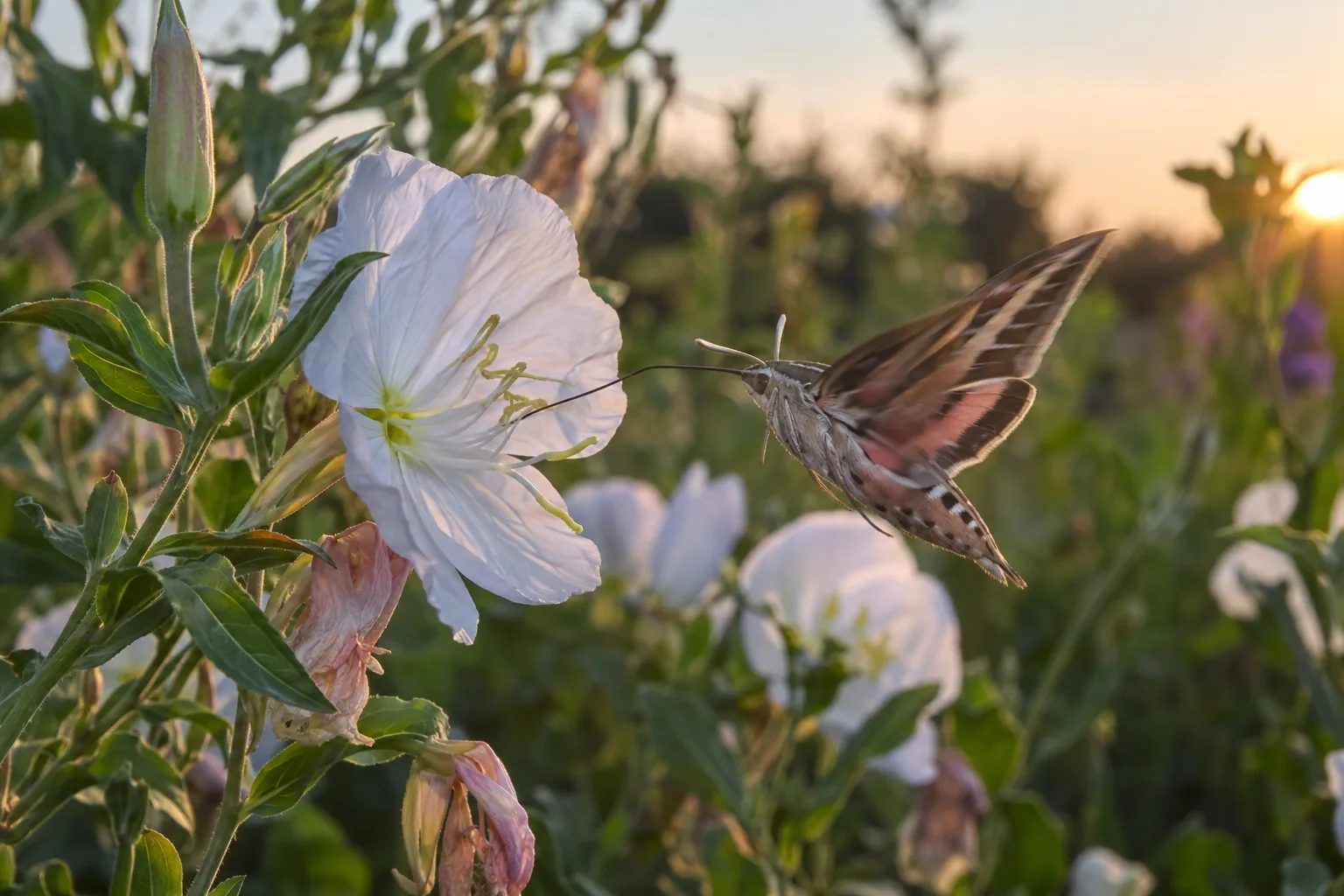
Smaller moths and beetles visit too. Skip evening sprays of any kind on blooming plants, because the pollinators arrive just as the flowers open.
How do I design a night garden you will use?
Put the strongest scents closest to your seating and the whitest flowers where you can see them from a window or patio. Night-blooming jasmine 10 to 15 feet from a table can scent the whole space on a calm evening. White blooms reflect moonlight, so a moonflower on a trellis glows after dark.
Low, warm lighting around 2700K keeps the glow without washing out pale petals. Large light-colored pots from our pottery and planters keep roots cooler than dark ones on a hot patio. A pot of 15 to 20 gallons suits a shrub or vine.
Pair night bloomers with daytime color from annual flowers and foliage so the bed looks good at noon too. For hands-on help, see our classes and events page for current workshops.

Frequently asked questions
When does Queen of the Night bloom in the low desert?
Epiphyllum oxypetalum usually blooms on a few nights between late spring and early fall, and each flower lasts one night. Buds swell for several days beforehand, so check the plant each evening once you see them. Older plants tend to produce more flushes than young ones, and the exact nights cannot be predicted.
Can I grow night-blooming jasmine in a pot?
Yes. Use a container of about 15 to 20 gallons with a well-draining mix, and set it where it gets morning sun and afternoon shade. Containers dry out quickly above 110°F, so check moisture every day or two in summer. Place it a few steps from seating, since the scent can overwhelm a small enclosed balcony.
How do I get moonflower seeds to sprout?
Nick each seed coat lightly with a file or sandpaper, then soak the seeds overnight in room-temperature water. Sow them in warm soil in March or April, about half an inch deep, next to a trellis. Moonflower dislikes root disturbance, so direct sowing works better than transplanting seedlings.
Will frost damage night-blooming flowers?
Frost can damage night-blooming jasmine, angel’s trumpet and Queen of the Night during January and February cold snaps. Cover in-ground plants with frost cloth on nights forecast near 32°F, and move pots against a warm wall or under a patio roof. Four o’clocks and datura die back and regrow from the roots in spring.
Do night-blooming flowers attract scorpions?
We know of no evidence that these plants attract scorpions. Scorpions look for shelter, moisture and insect prey, which any yard can offer. Keep mulch and debris piles away from walls, trim plants back from the house, and seal gaps around doors. If you see scorpions often, ask a licensed pest control company for help.
Is a night garden right for your yard?
Yes, if you spend evenings outside and have a patio, wall or trellis within reach. One or two plants, such as a moonflower on a trellis and a pot of four o’clocks, give you scent and white blooms for the least effort. Skip this list if young children or pets roam your yard unsupervised, since most of these plants carry a toxicity warning. Skip it too if you are rarely outside after sunset. Come see us in Queen Creek and we will help you match plants to your yard.