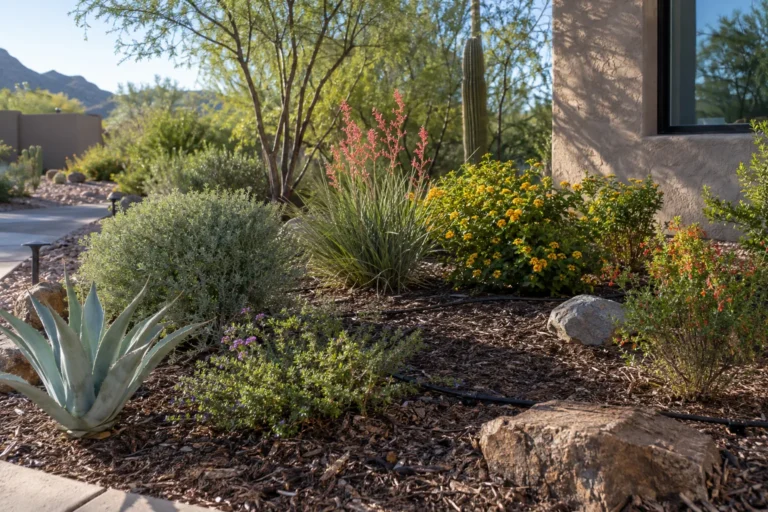
7 Simple Ways to Save Water in Arizona Desert Gardens
Drip lines, deep watering, mulch, low-water plants, better soil, monsoon capture and seasonal timer changes can cut outdoor water use in a Queen Creek garden.
Drip lines, deep watering, mulch, low-water plants, better soil, monsoon capture and seasonal timer changes can cut outdoor water use in a Queen Creek garden.
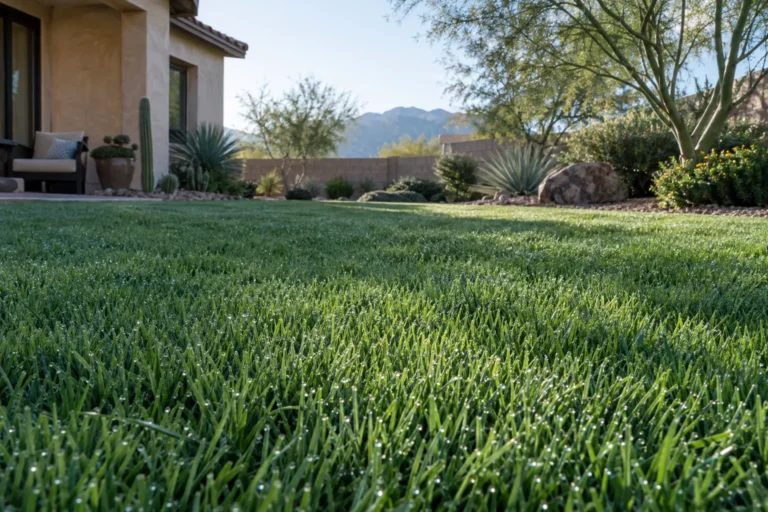
Baking soda rarely helps an Arizona lawn in November, but a weak spray may slow early powdery mildew, and better fixes for yellow or patchy grass exist.
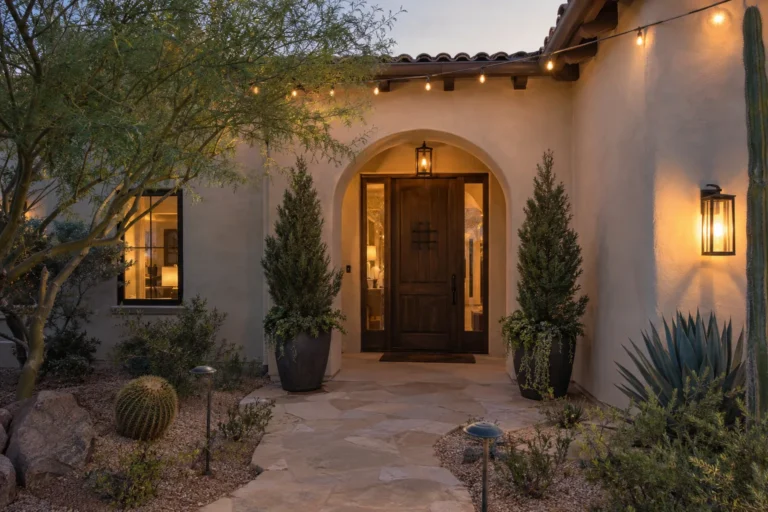
Cut fir, cedar and juniper can last 2 to 3 weeks outdoors in a Queen Creek December when you soak the stems, shade the display and keep water topped up.
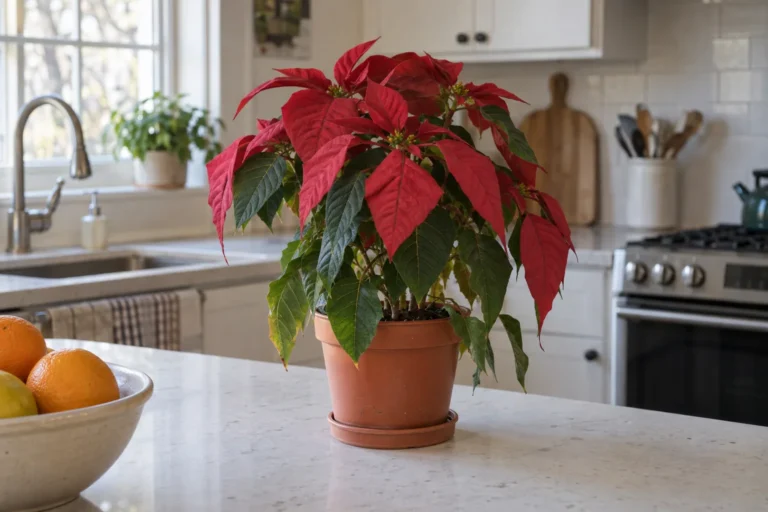
Dry indoor air, hot window light, heating vents and soggy foil sleeves are why poinsettias droop in Arizona homes, and each one has a practical fix.

Eight cool-season flowers that bloom reliably through an Arizona low desert winter, with the planting dates, soil prep, watering and frost protection East Valley gardeners need.
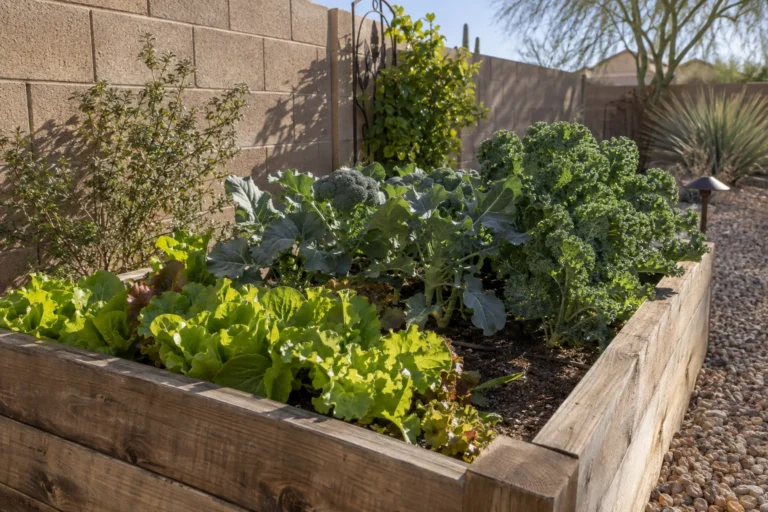
Plant cool-season crops from October through November, water less than in summer, and keep frost cloth ready from December through February.

These eight groundcovers keep East Valley yards green and tidy through frost and dry winter weather, with notes on size, water, drawbacks and when to plant them.

Learn which January yard jobs save the most time in spring across the Arizona low desert, from weeding and irrigation checks to careful pruning and mulching.
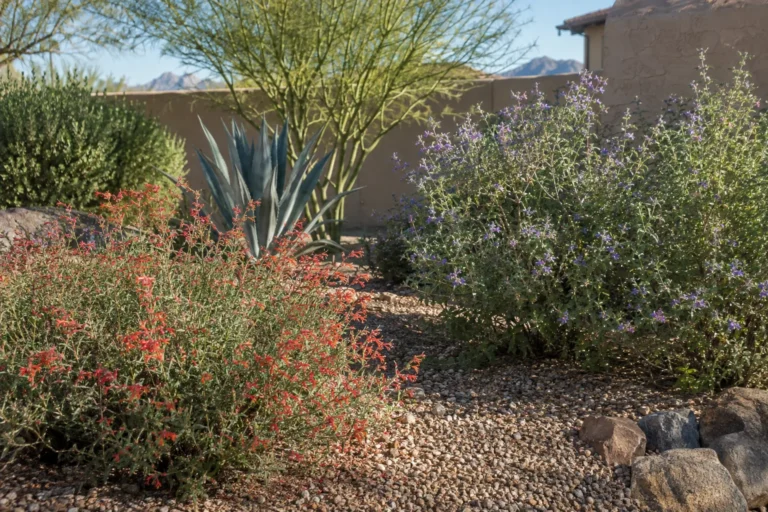
Eight desert-adapted plants that handle 110°F summers and alkaline soil, with sizes, watering needs, planting windows and the drawbacks to know before you buy.
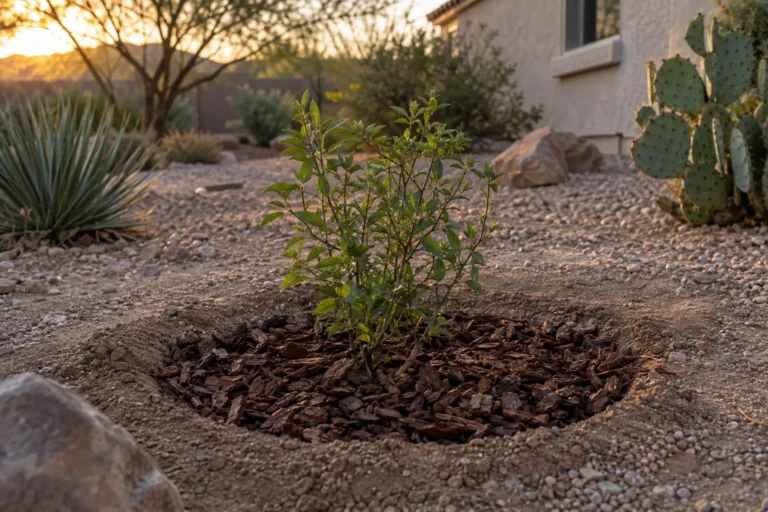
Young plants get through Arizona heat with evening planting, slow deep watering, organic mulch and temporary afternoon shade, and this guide shows how to do each step in the low desert.

Homeowners across the East Valley are replacing thirsty lawns with desert-adapted plantings to cut outdoor water use, reduce upkeep, and build a yard that handles 110°F summers.