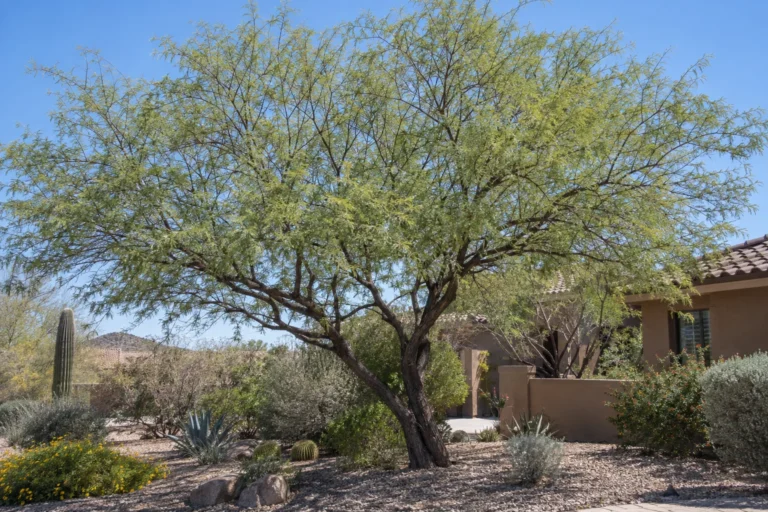
Early Signs of Mesquite Leafing Out in Arizona
Swollen buds and a faint green haze are the first signs of mesquite leafing out in the East Valley, and the timing varies by species and winter.


Swollen buds and a faint green haze are the first signs of mesquite leafing out in the East Valley, and the timing varies by species and winter.

Shade, height, a fountain, calming plants, cooler ground and softer lighting can turn a small Queen Creek yard into a place you want to sit, even in summer.

Six desert trees respond well to April pruning in Arizona, and this guide covers when to cut each one, how much to remove and which mistakes to avoid.
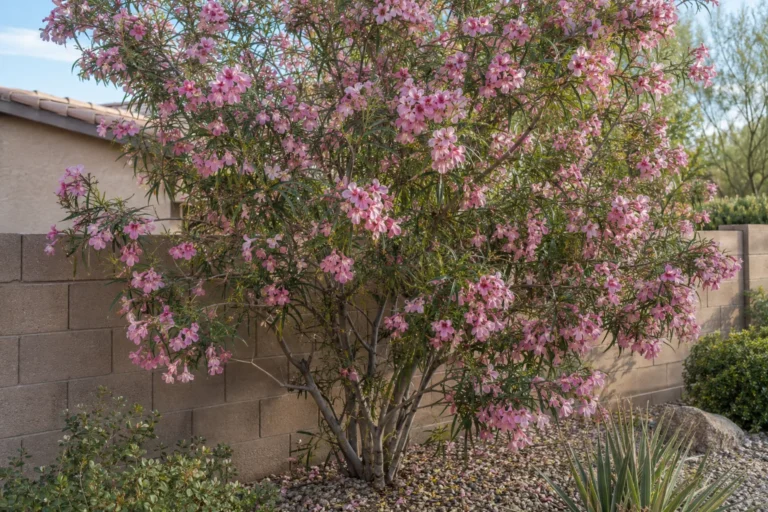
Desert willow, palo verde, mesquite, sweet acacia and Arizona rosewood are native Arizona trees that suit our alkaline soil and heat, with sizes, water needs and drawbacks for each.
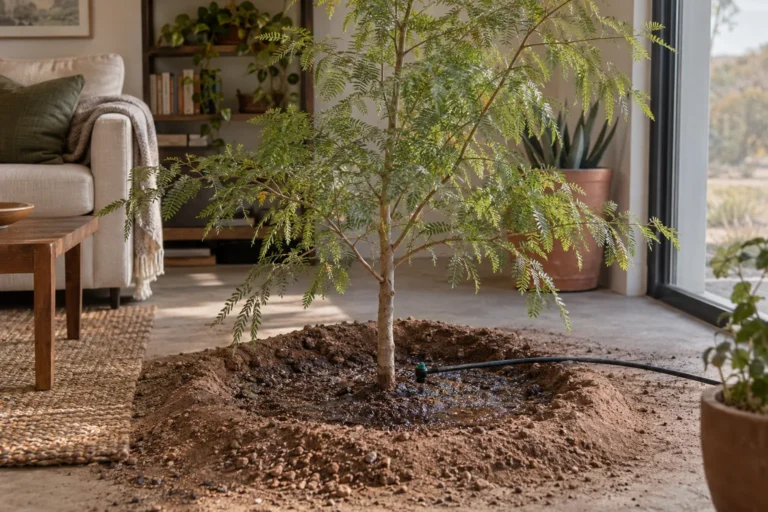
Deep root watering sends desert plant roots below the hot, dry surface, and this guide covers soil depth, seasonal timing, tools and the mistakes to avoid in Queen Creek.

Six native and desert-adapted shade trees suit East Valley yards, and this guide covers their size, water needs, drawbacks, planting time and pruning before monsoon.

Seven practical steps help young trees establish in the dry, alkaline soil of the Arizona low desert, from checking caliche to planting dates, deep watering, mulch and trunk shade.

Desert willow is a Southwest native tree that blooms from spring into fall, handles Queen Creek heat and alkaline soil, and needs little water once established.

Plumeria blooms through summer heat above 110°F, but it needs full sun, fast-draining soil and frost protection to succeed in Queen Creek and the East Valley.

Saguaro parks, wildflower hillsides and shady arboretums within reach of Queen Creek, plus the bloom timing, light and summer safety tips that make a plant photo trip worthwhile.