
Arizona Trees That Can Get Homeowners in Trouble
Tamarisk, ficus, mulberry, eucalyptus and a few other trees cause the most trouble in low desert yards, and this guide shows how to check yours.


Tamarisk, ficus, mulberry, eucalyptus and a few other trees cause the most trouble in low desert yards, and this guide shows how to check yours.

Cut fir, cedar and juniper can last 2 to 3 weeks outdoors in a Queen Creek December when you soak the stems, shade the display and keep water topped up.

Seven trees that give Queen Creek and East Valley yards privacy and shade, with mature sizes, water needs, real drawbacks, planting steps for caliche and monsoon prep.
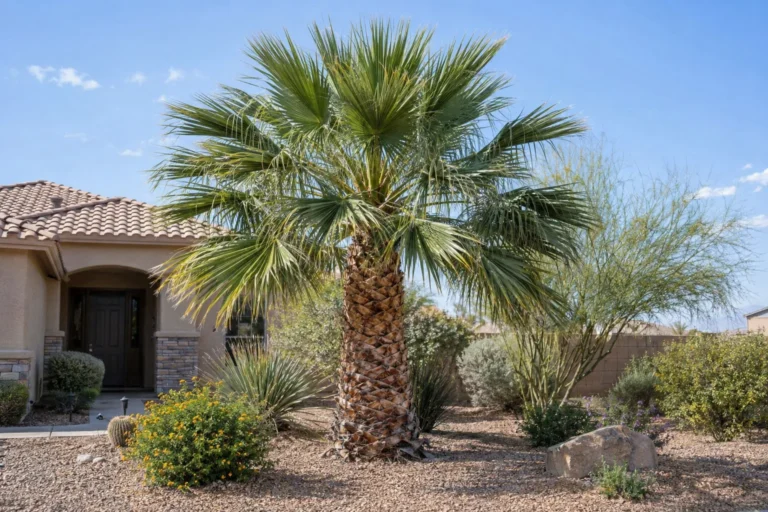
Cutting green fronds is the April palm care mistake we see most in Arizona yards, and this guide covers what to trim, what to leave, and how to feed.

Prune desert willow in late winter, from mid-February to early March in Queen Creek, so the tree can push new flowering growth before summer heat arrives.

Established trees in the low desert still need deep water about every 3 to 8 weeks from November through February, depending on species, soil and recent rain.
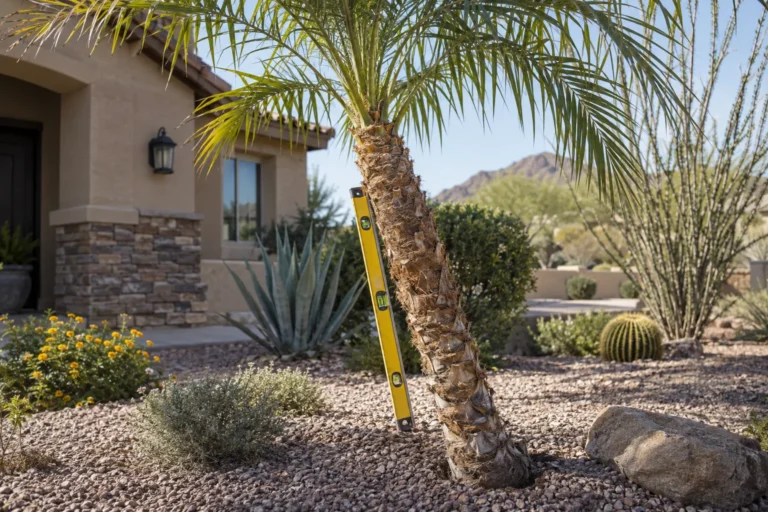
A leaning palm usually has a shifted root ball, and catching it early makes the fix simple: right it, brace it with padded stakes, and water deeply.
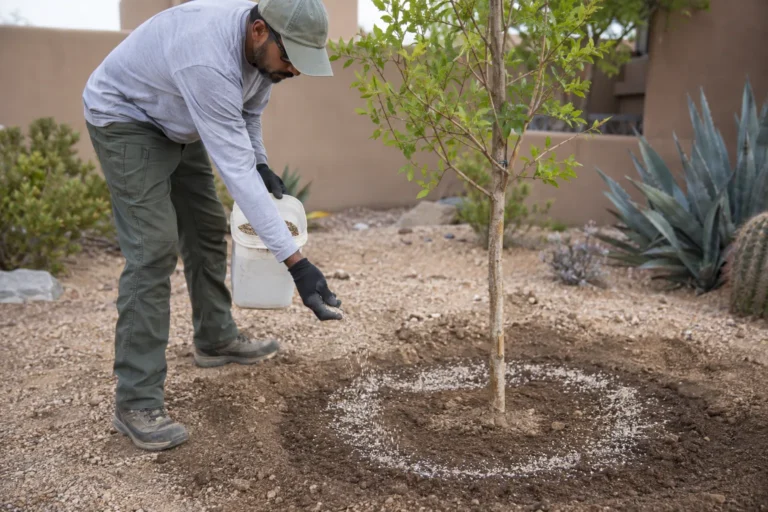
Eight Arizona low desert trees, from citrus to olive, respond to early spring feeding, and this guide covers timing, product choice and application for each one.
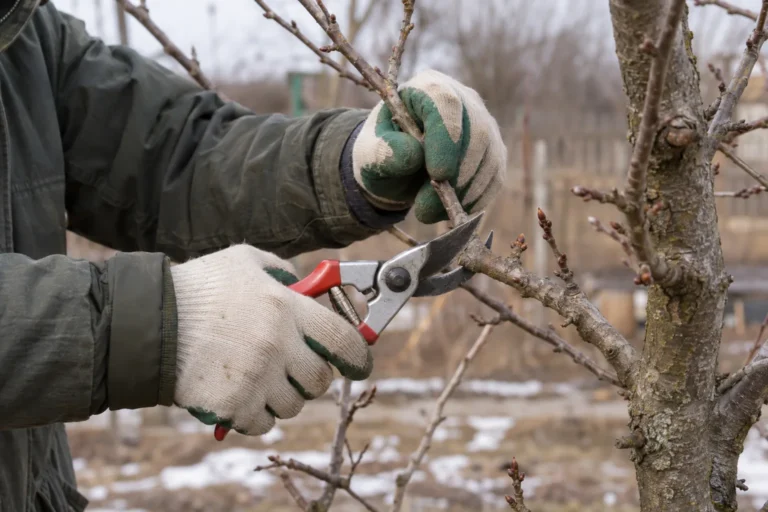
Winter pruning helps Arizona plants head into summer in better shape when cuts are light and well timed, and this guide covers the dates, tools, steps and mistakes.

Prune desert willow in late winter, remove deadwood, suckers and crossing branches with clean cuts, and never take more than a quarter of the canopy in one season.