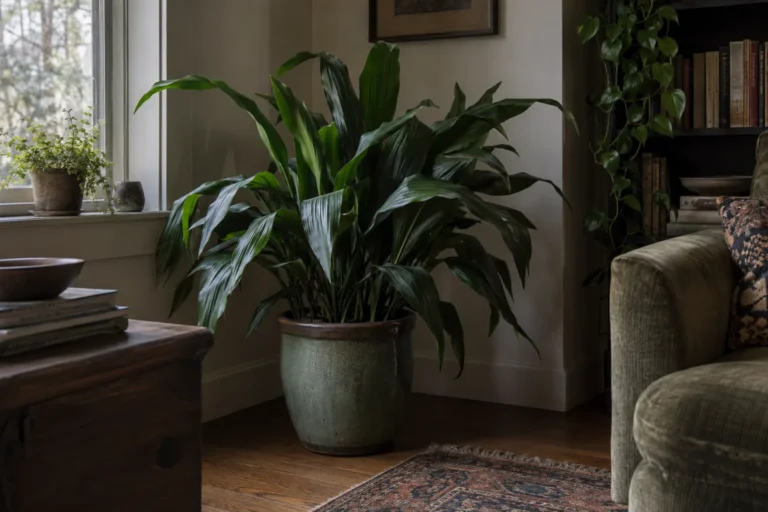
Cast Iron Plant Care for Low-Light Arizona Homes
Cast iron plant is a slow-growing, shade-loving houseplant that tolerates dim rooms and dry air, and this guide covers light, watering, feeding, repotting and troubleshooting for East Valley homes.
Cast iron plant is a slow-growing, shade-loving houseplant that tolerates dim rooms and dry air, and this guide covers light, watering, feeding, repotting and troubleshooting for East Valley homes.
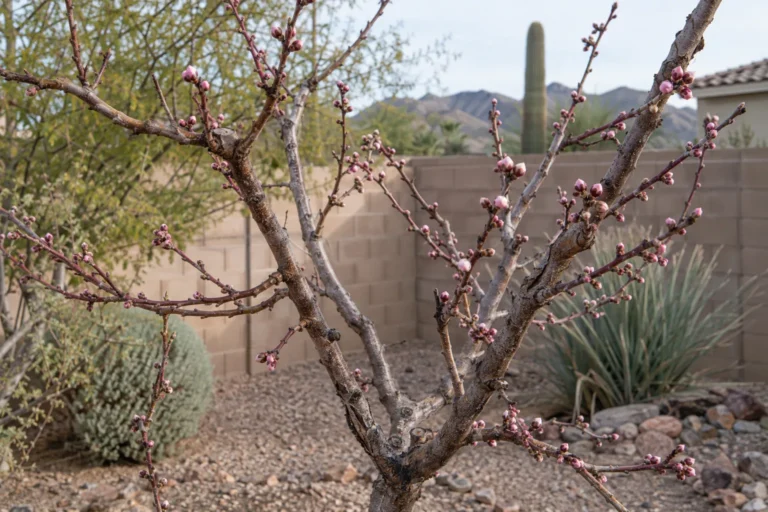
Peach, nectarine, apricot, plum, apple, pear, cherry and fig trees benefit from a dormant spray in late January to mid-February, and this guide covers products and timing.
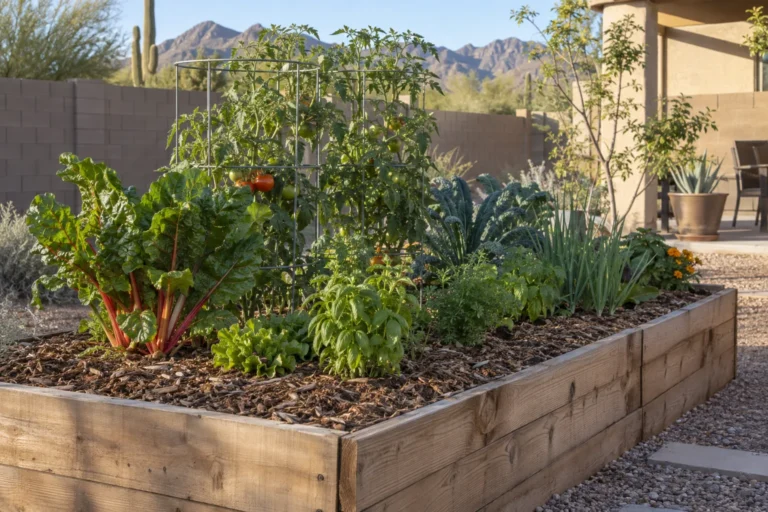
Eight vegetables grow well in low-effort no-till beds in Arizona, and this guide shows when to plant each one and how to build a compost bed over caliche.
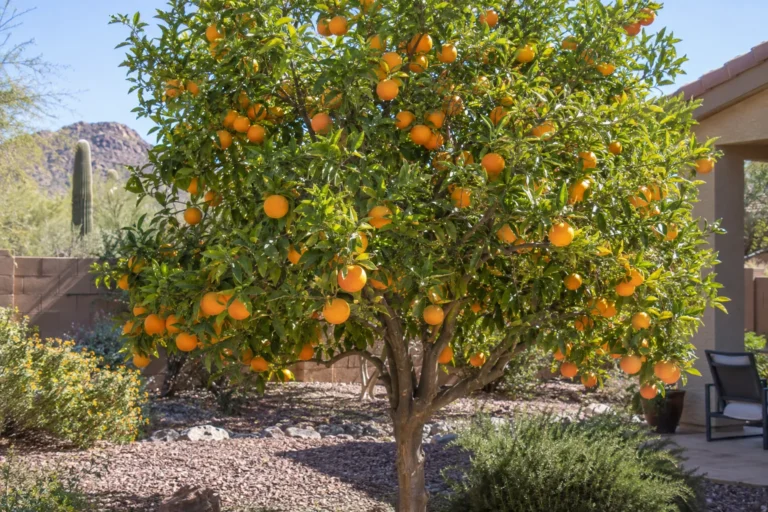
Citrus does well in East Valley yards when you plant in the right window, water deeply, feed three times a year and shield trunks from sun and frost.
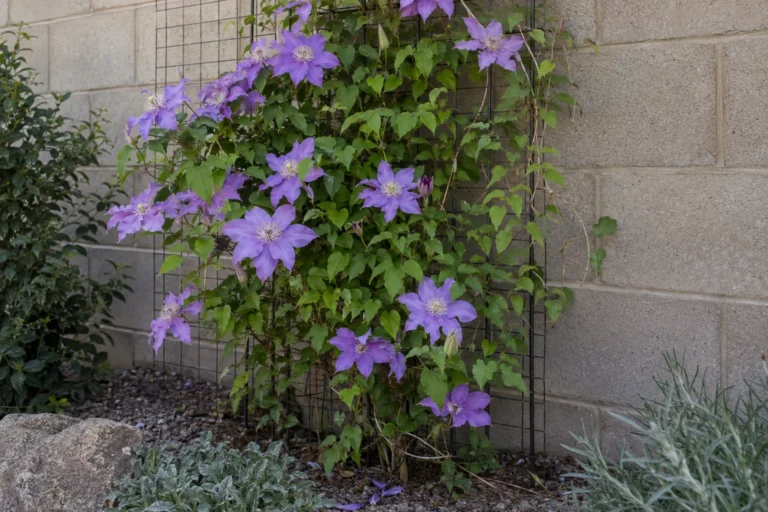
Find your clematis pruning group, time the cuts for the low desert, and follow clear steps that protect spring flowers and help the vine handle summer heat.
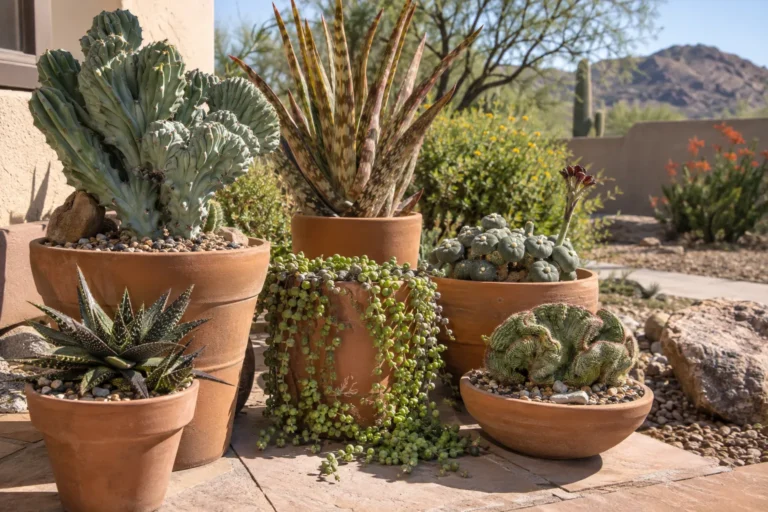
Eight odd, sculptural succulents suit East Valley gardens when they get fast drainage, frost protection and the right amount of sun, and this guide covers each one.
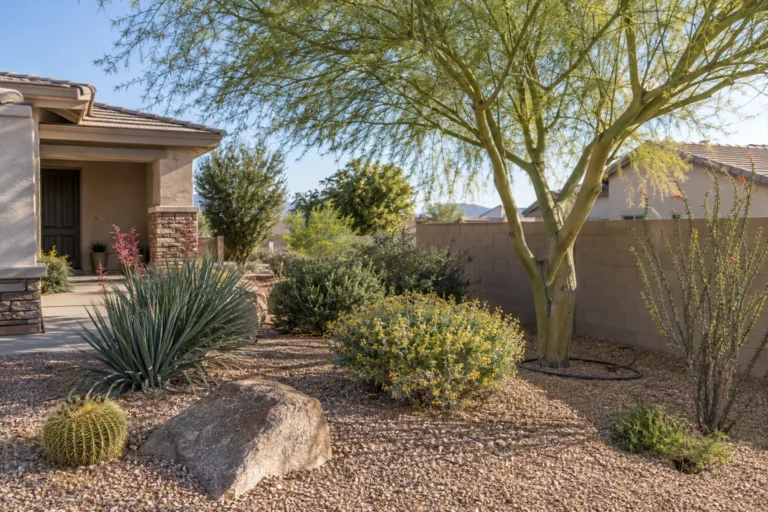
Turf uses the most water, gravel holds the most heat, and drip-watered desert plants sit between them with shade and bloom, and here is how to choose and convert.
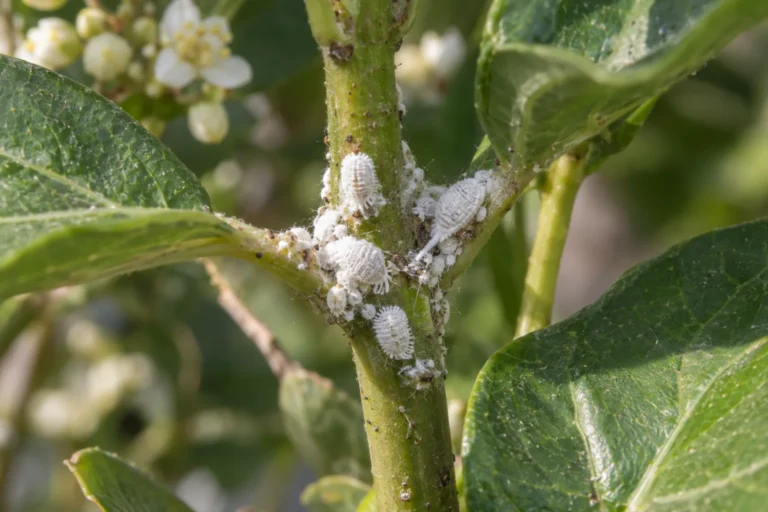
That white fluff on your plants is almost always an insect, not mold. Here is how to tell mealybugs, woolly aphids and cottony cushion scale apart and treat them.
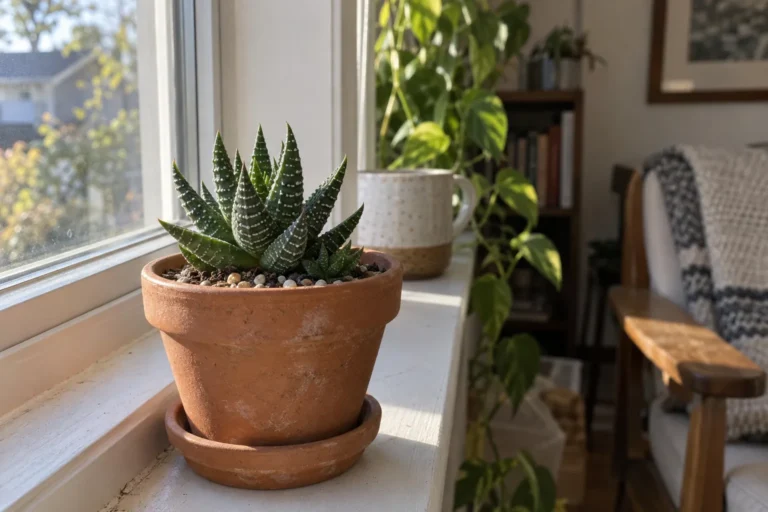
Indoor succulents in Arizona need the brightest window you have, a gritty fast-draining mix, and water only when the soil is dry all the way through.
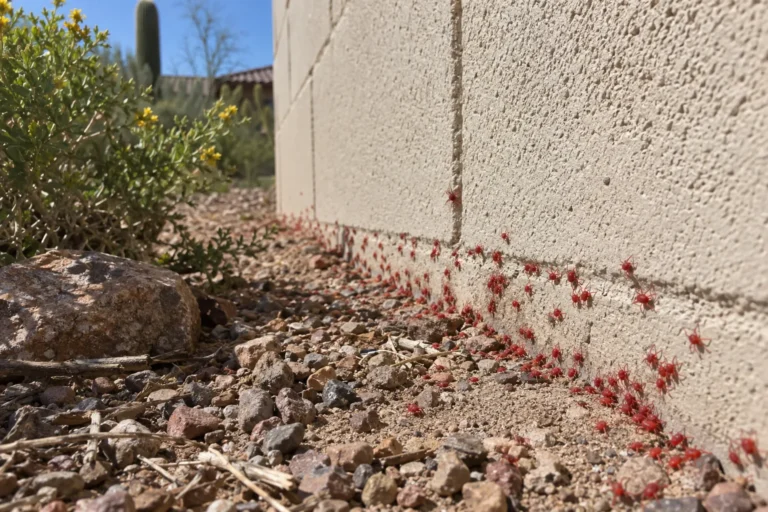
Most tiny red bugs on Arizona walls and patios are harmless clover mites, while red bugs on leaves are usually spider mites that need treatment.
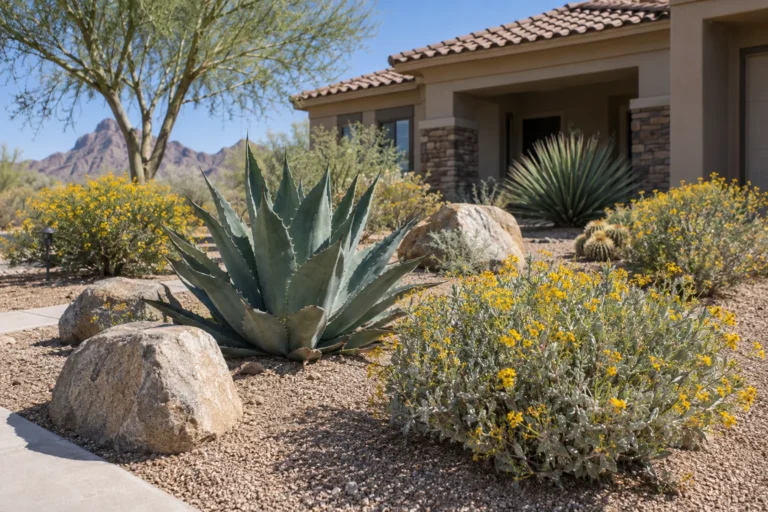
A gravel garden saves water, skips the mowing and fits Arizona front yards, but it works best with the right plants, proper grading and a plan for caliche.
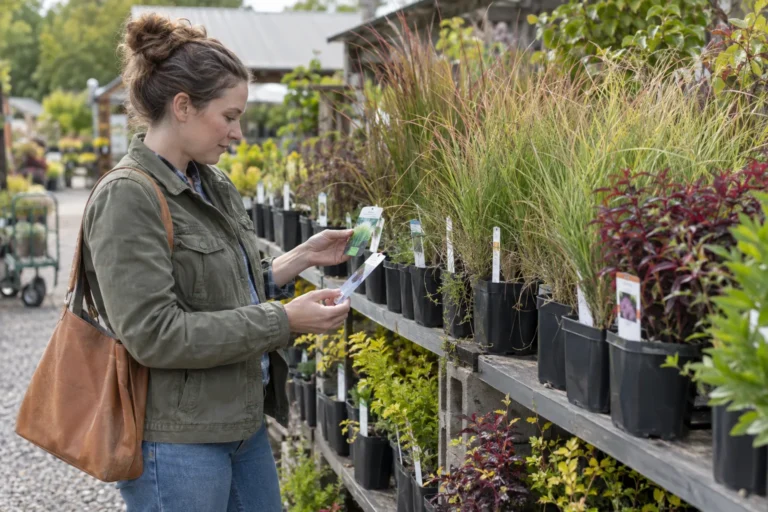
Arizona restricts certain noxious weeds and protects many native cacti and desert trees, so check plant names and ask the state before you plant, move or remove anything.