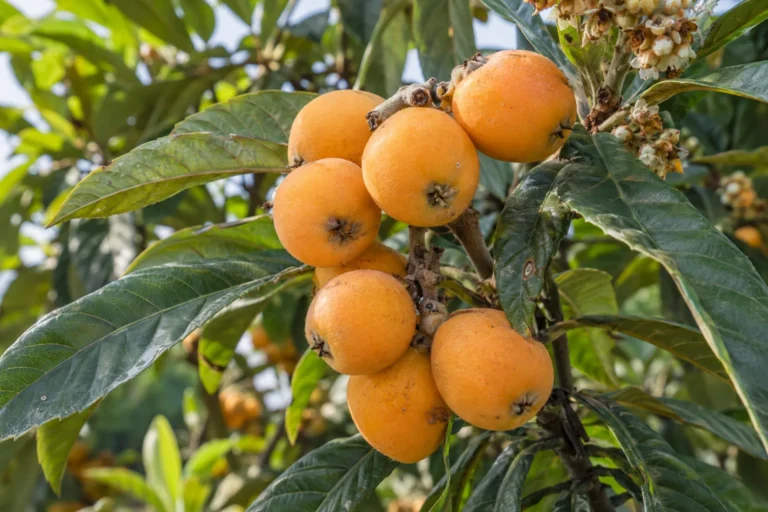
Loquat Care in April for Better Harvests in Arizona
April is when loquat fruit finishes ripening and next year’s crop begins, so harvest, light pruning, feeding, mulch and deep watering all matter for loquat trees in the Arizona low desert.


April is when loquat fruit finishes ripening and next year’s crop begins, so harvest, light pruning, feeding, mulch and deep watering all matter for loquat trees in the Arizona low desert.
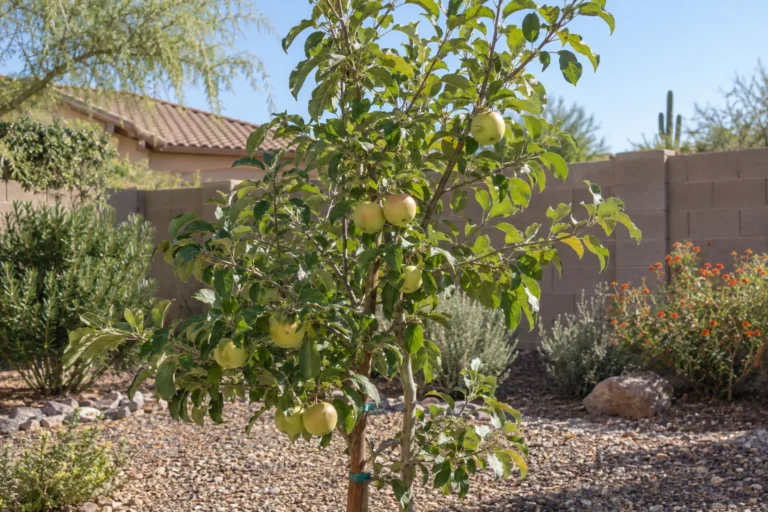
Low-chill varieties, winter planting and careful watering let East Valley gardeners harvest apples in late spring, before summer heat arrives, even with caliche and alkaline soil.
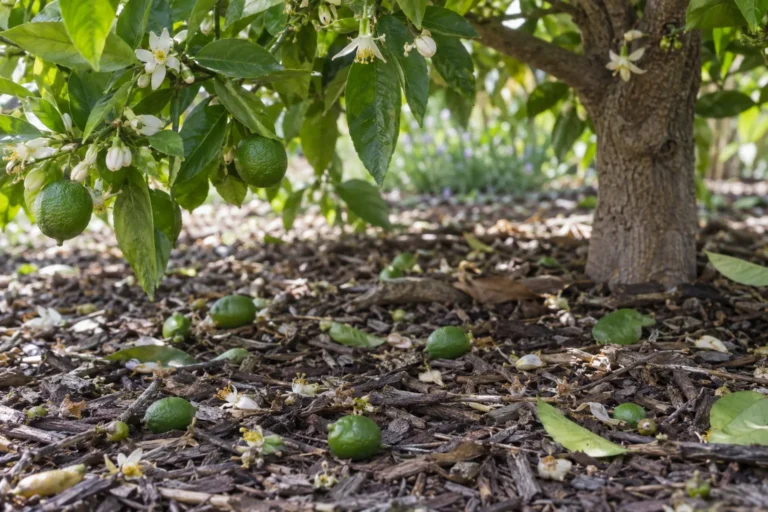
Small fruitlets falling from citrus in April is usually normal thinning, but larger fruit or leaf changes signal water or nutrient stress that you can correct in the low desert.

Pomegranates wake up in late January, so pruning, feeding and watering schedules from February to June decide how much fruit your tree sets by fall.

April care for a mulberry tree in the Arizona low desert comes down to deep watering, light feeding, a little thinning and early pest checks before the heat arrives.
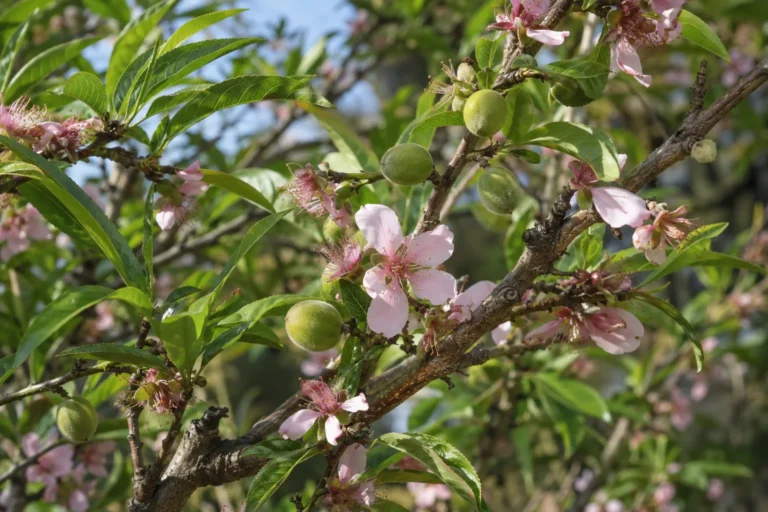
April is the month to water deeply, thin fruit, mulch and watch for pests so Arizona peach trees carry a good crop into the heat of May and June.
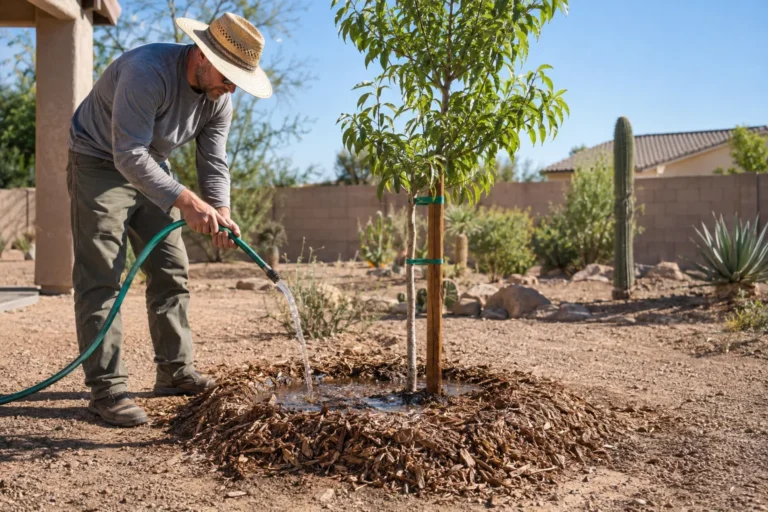
Eight fruit trees suit Queen Creek and East Valley yards, and planting them from February to mid-April gives their roots time to settle before summer heat arrives.

The best times to plant citrus in the Arizona low desert are late February through April and mid-September through November, and this guide covers steps, watering and first-summer care.

Container avocados can work in Queen Creek with a cold-hardy grafted tree, a fast-draining mix, afternoon shade in summer, and frost cover on the coldest winter nights.
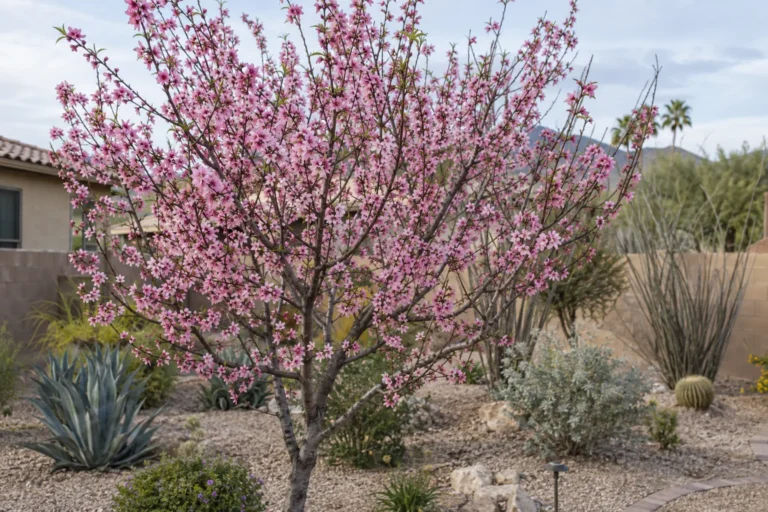
Seven peach tree mistakes cost Arizona gardeners fruit and years of growth, from picking a high-chill variety to shallow watering, and each one has a practical fix.