
8 Container Plants That Rarely Need Watering in Arizona
Eight desert-adapted plants that handle pots, heat and long gaps between waterings in the Arizona low desert, with realistic sizes, watering ranges and the one drawback of each.
Eight desert-adapted plants that handle pots, heat and long gaps between waterings in the Arizona low desert, with realistic sizes, watering ranges and the one drawback of each.
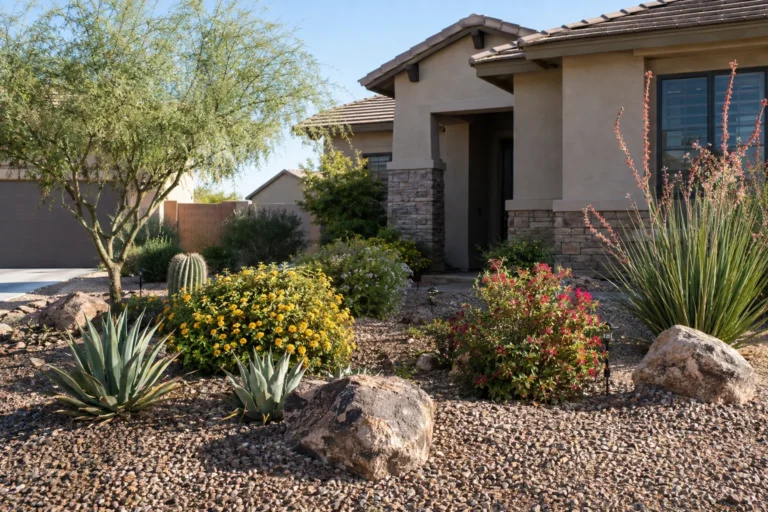
Eight lawn replacement designs suit Arizona yards, from desert gardens to agave plantings, and each one cuts irrigation while keeping the yard looking intentional.

Plan backyard lighting for the low desert with heat-rated LED fixtures, warm light, plant uplighting and monsoon protection, so Queen Creek evenings stay usable and your yard looks great.
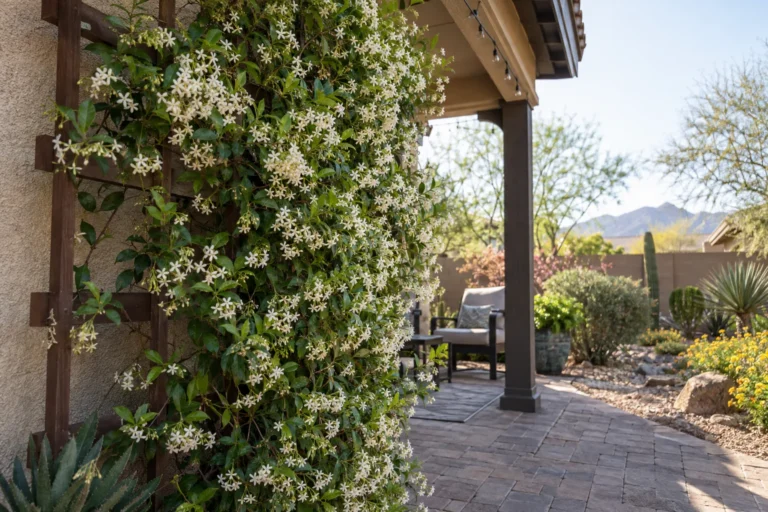
Eight plants are sold as jasmine, but only five are true jasmines, and each handles Arizona heat, alkaline soil and frost. This guide covers sun, water and planting for each.

Seven plant partners that shade, feed the soil and attract beneficial insects in Arizona vegetable beds, plus when to plant them and which pairings to keep apart.

A cactus wren in your yard points to spiny native plants, insect life and low pesticide use, and a few habits can keep the birds coming back.
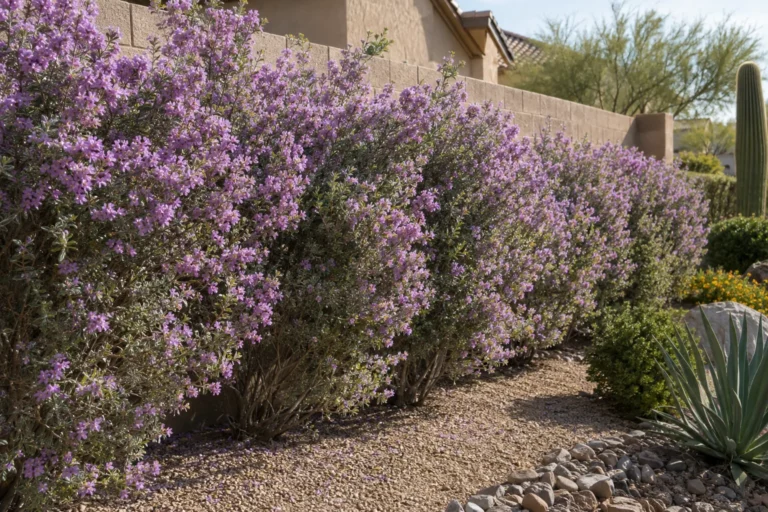
Eight evergreen shrubs screen a Queen Creek yard without a fence, and this guide covers each one’s size, water needs, spacing, and the planting steps that matter.
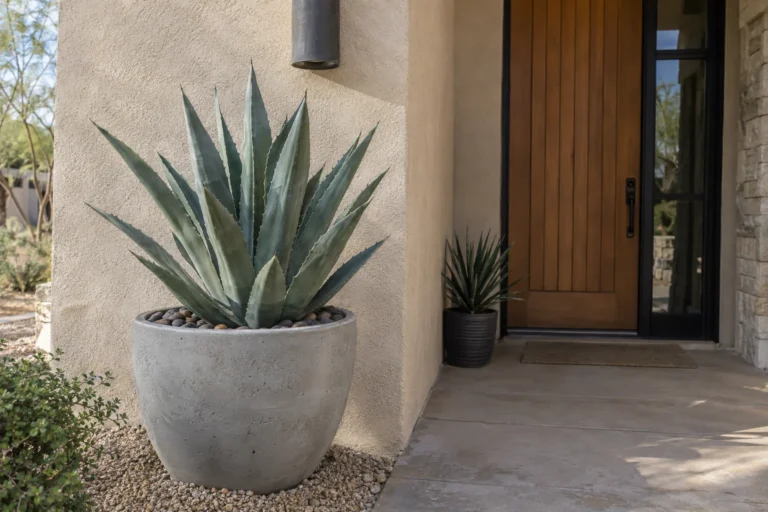
Agave, columnar cactus, succulent and grass forms in UV-stabilized polyethylene or fiberglass look best outdoors in the low desert, provided you shade, weight and clean them.

Javelinas follow smell, routes and easy meals, so the best defense is sealed walls, caged plants, cleared food and a few deterrents backed by steady upkeep.

These eight desert plants give a Queen Creek yard structure, color and a high-end look, and each one comes with its size, water needs and one drawback.
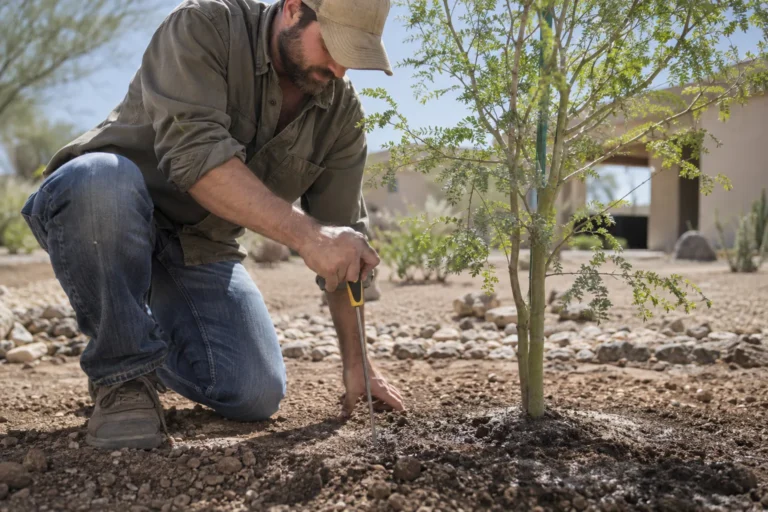
A practical season-by-season watering schedule for the Arizona low desert, covering how deep to water, how often by plant type, and how to adjust for soil and monsoon rain.

All-gravel yards hold heat, hide compacted soil and still grow weeds, but gravel earns a place on paths and drainage routes when you pair it with living plants and mulch.