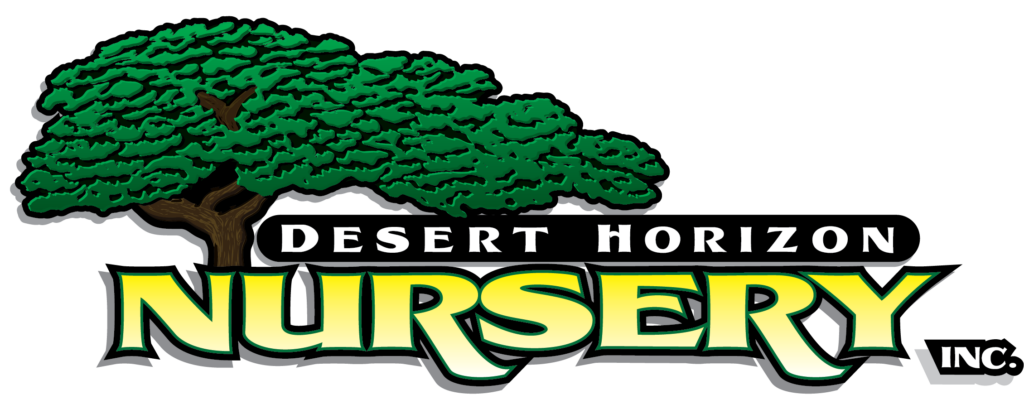
The best fake plants for Arizona outdoor spaces are agave, columnar cactus, succulent and grass forms made from UV-stabilized polyethylene or fiberglass. Place them in partial shade, weight the pots against monsoon wind, and rinse off dust regularly.
Key takeaways
- Buy pieces labeled UV-stabilized and rated for outdoor use, because indoor-rated plants can fade within weeks of full summer sun.
- Agave, columnar cactus, succulent and grass forms look the most convincing because they match what grows in the low desert.
- Fill the bottom third of every pot with gravel, sand or concrete so monsoon gusts do not tip it.
- Rinse dust off every 4 to 6 weeks in the dry months and the morning after a dust storm.
- Read your HOA’s CC&Rs before placing fake plants where the street can see them.

What makes a fake plant last in Arizona sun?
UV-stabilized material in a shaded spot makes the biggest difference. Sunlight breaks down plastic and bleaches pigment, and the low desert delivers strong UV from spring through early fall, plus summer highs above 110°F and heat bouncing off stucco and block walls.
Polyethylene (PE) is the material to look for on leaves and stems. It stays flexible in heat, holds color longer and has a more natural texture than PVC, which is stiffer and tends to turn brittle sooner under sustained heat. Some better pieces pair PE leaves with a fiberglass core for extra strength. Check the label first. The phrase “outdoor safe” tells you very little, while “UV-stabilized” or “UV-resistant” tells you the maker treated the plastic for sun.
Wire stems matter during monsoon season, from roughly July through September, when strong gusts can snap rigid molded stems. A wire-core stem can be bent back into shape after a storm.
Which fake plants look most convincing in the desert?
Forms from the Sonoran Desert look best, because their geometric shapes are easy to copy in plastic and their muted colors suit gravel, stucco and block. Choose dusty green, gray-green or silver tones over bright tropical green.
Artificial agave (Agave species)
Real landscape agaves commonly reach about 2 to 5 feet wide, and a large pot beside an entry is the natural home for a fake one. Look for thick, pointed leaves in gray-green or blue-green with faint striping and slightly uneven spacing. Partial shade keeps the color longer. The drawback is that perfectly symmetrical pieces read as fake at a glance.
Artificial columnar cactus (Carnegiea gigantea look-alikes)
Real saguaros reach 15 to 40 feet, while patio versions usually run 3 to 6 feet tall. Fiberglass construction generally handles heat swings better than foam-core pieces, which can warp or crack. Full sun is acceptable for solid fiberglass. The drawback is weight and cost, since tall pieces are heavy and need anchoring in a windy spot.
Artificial succulents (Echeveria and Sedum)
Real echeveria rosettes run about 3 to 8 inches across, and the compact shapes copy well in plastic. Group several in a wide, shallow pot and top the soil with real gravel. Give them partial shade or a covered patio. The drawback is that small, finely detailed pieces with thin coatings fade first and show dust quickly.
Artificial ornamental grasses (Muhlenbergia capillaris, muhly grass)
Real muhly grass grows roughly 3 feet tall and wide, and fake clumps soften the base of a block wall or the edge of a pool fence. Pick tan or pale gold tips for a dry-season look. Partial shade is best. The drawback is short life, because thin blades bleach and fray sooner than any other form here.
Artificial olive topiary (Olea europaea)
Real olives reach 15 to 30 feet, while a potted topiary usually stands 3 to 5 feet. The silver-green foliage suits stucco, and a pair beside a front door looks tidy. A covered porch or deep overhang is the best spot. The drawback is thin foliage that gives out early in full sun.
| Type | Common material | Best spot | Weak point |
|---|---|---|---|
| Agave | PE leaves, sometimes a fiberglass core | Entry pot, partial shade | Symmetry looks fake |
| Columnar cactus | Fiberglass | Patio or pool surround | Heavy, needs anchoring |
| Succulents | PE blend | Covered table or ledge | Fades and collects dust |
| Ornamental grass | PE or polypropylene | Beside a wall, shaded | Blades bleach and fray |
| Olive topiary | PE | Covered porch | Thin foliage in full sun |
Where should I put fake plants in my yard?
A covered patio or an entry with an overhang is the best spot. Shade slows fading, and people see these areas up close, so quality shows. West-facing walls take the harshest afternoon sun from about 1 to 5 p.m. and bleach plastic fastest, so keep delicate pieces away from them.
Pool surrounds work if the pots sit outside the splash zone. Entryways work well with a matching pair, and a single large piece in a corner looks more natural than a row of small ones. Three well-chosen pieces look intentional, while a crowded patio looks like a display.
How do I set up fake plants so wind does not move them?
Weight the pot and anchor the stem. A tall plant in a light pot acts like a sail when monsoon gusts arrive, and a dust storm can topple it before you notice. These steps take under an hour for most pots.
- Pick a spot with afternoon shade if you can, such as a covered patio or the east side of a wall.
- Choose a pot with drainage holes so monsoon rain does not leave standing water, which can breed mosquitoes.
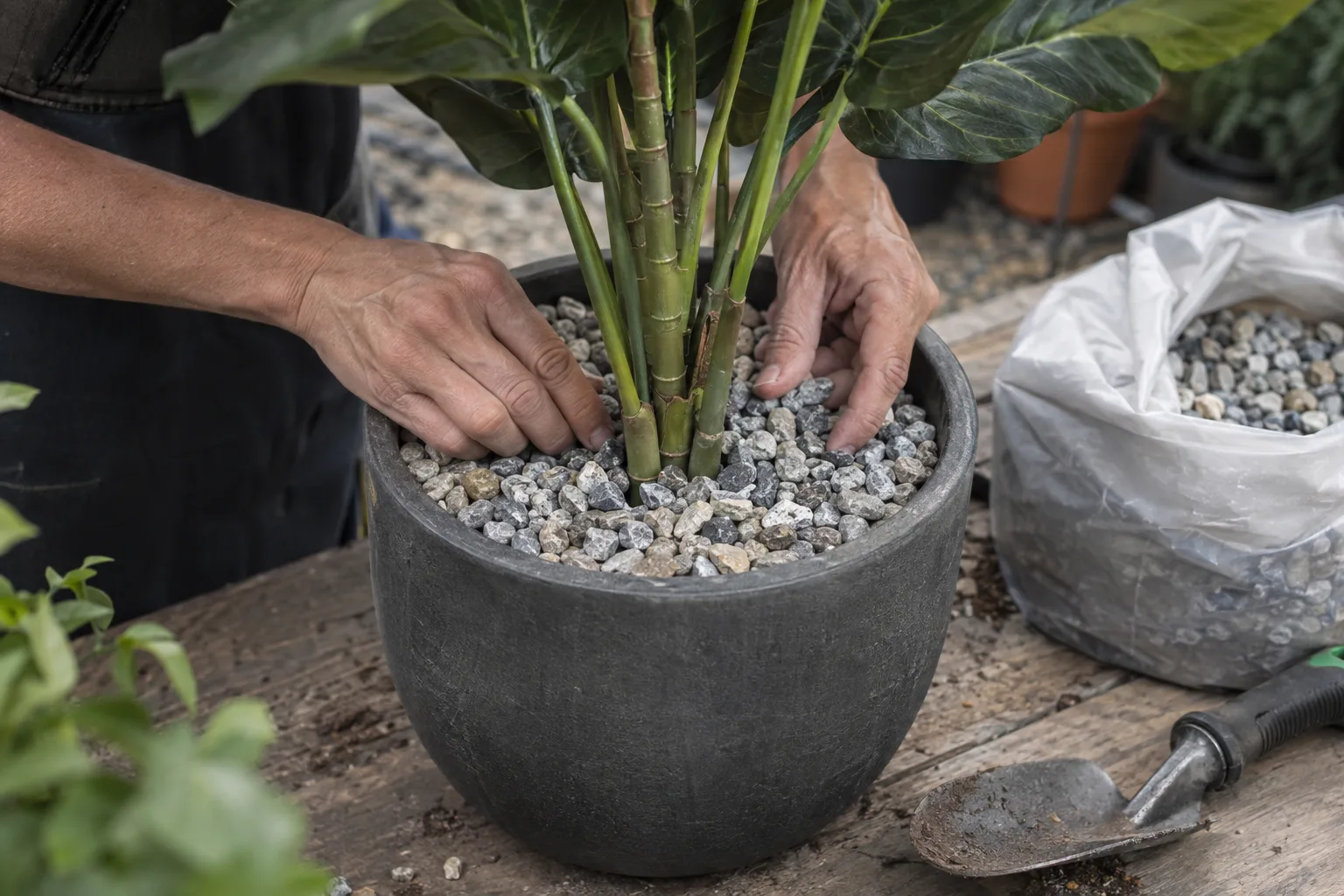
- Fill the bottom third of the pot with gravel, sand or concrete mix to lower the center of gravity.
- Push the plant’s stem into a foam block or anchor, then pack gravel or small rock around it.
- Bend the wire stems and separate compressed leaves so the shape looks uneven and natural, which takes about 10 minutes.
- Top the pot with decomposed granite or crushed rock that matches your yard, and stake or bracket tall pieces in exposed spots.
Which pots hold up best for artificial plants outdoors?
Concrete, fiberglass and heavy resin pots hold up best. They handle summer heat and our occasional winter frost, and a filled concrete pot barely moves in wind. Browse the pottery and planters department to compare materials in person, since weight and finish are easier to judge by hand.
- Concrete and hypertufa: very stable and good looking with desert forms, but heavy to move.
- Fiberglass and high-density resin: light enough for one person and tolerant of heat and cold.
- Glazed ceramic and terra cotta: attractive, yet they can crack when water inside freezes on a frost night.
How do I clean fake plants in desert dust?
Rinse them with a garden hose on low pressure every 4 to 6 weeks during the dry months. Dust forms a gray film that dulls color and makes plastic look like plastic. Let each piece dry in shade before it sits in direct sun, which helps prevent water spots.
After a dust storm, rinse the next morning so the silt does not bake onto the leaves in the day’s heat. For stubborn buildup, a soft brush and a little dish soap in water works, followed by a thorough rinse. Skip the pressure washer, which can strip the texture or coating from leaves.
Should I mix real and fake plants?
Yes, and the mix usually looks better than either alone. Put living plants where people sit, and use fake ones for entries, pool edges and containers that would need constant watering. Our alkaline soil and caliche are hard on many plants, so choose desert-adapted ones for in-ground spots, such as palo verde trees or lantana.
Our plants department and desert trees page show what suits low-water planting. Varieties we commonly carry change week to week and season to season. Real gravel and boulders around a fake piece help the eye accept the whole scene.

What mistakes make fake plants look cheap?
Indoor-rated plants, tropical shapes and dust cause most of the problems. A bird of paradise or monstera leaf looks out of place beside desert rock. Skipping ballast leads to tipped pots, and crowding a small patio removes the natural look.
- Using indoor plants outside, which fade fast without UV treatment.
- Buying on price alone, since the cheapest PVC pieces tend to bleach and turn brittle.
- Leaving a gray dust film on the leaves for months.
- Lining up identical, perfectly symmetrical pieces.
Frequently asked questions
How long do outdoor fake plants last in the Arizona low desert?
Most last about 2 to 6 years, depending on material and sun exposure. Fiberglass pieces in shade can go longer, while thin PE grasses on a west-facing wall may fade in a season or two. Material quality and placement decide the range more than anything else, and a maker’s warranty gives a rough guide.
Do HOAs in Queen Creek allow fake plants in front yards?
It depends on your community’s rules, so check your CC&Rs or ask your HOA management before you buy. Some associations regulate what is visible from the street, and others say little about potted pieces. We cannot tell you what your association allows, and written approval is the safest way to know.
Can fake plants stay outside during a frost?
Solid PE and fiberglass pieces generally tolerate our occasional winter frost, but thin, glued detailing can turn brittle in the cold. Move delicate arrangements under cover on nights forecast near freezing. Empty any pots that hold water, since ice can crack ceramic and terra cotta.
Should I spray fake plants with UV protectant?
A UV protectant made for outdoor plastics can slow fading, but results vary by product. Follow the label on how often to reapply, and test on a hidden leaf first because some sprays leave a sheen. Shade and a quality material still do more work than any spray.
Can fake plants sit next to a pool?
Yes, if you keep them out of the splash zone. Repeated wetting and drying, plus pool chemicals, can dull and age plastic faster. Place pots a few feet back, rinse off any chlorinated water with fresh water, and make sure containers drain after rain.
Are fake plants right for your yard?
Fake plants suit covered patios, entryways, shaded corners and pots that would otherwise need daily watering, provided you buy outdoor-rated pieces and weight them. They are a poor fit for full-sun west walls, heavy splash zones, and yards where you want blooms, shade or living texture. If you want a desert look with little work, a few drought-tolerant living plants may serve better. Stop by the nursery in Queen Creek and we will talk through both options.