
8 Flowering Shade Trees for Arizona Backyards
Eight flowering trees that give real shade in East Valley yards, with bloom times, mature sizes, water needs and the drawback to expect from each one.
Eight flowering trees that give real shade in East Valley yards, with bloom times, mature sizes, water needs and the drawback to expect from each one.
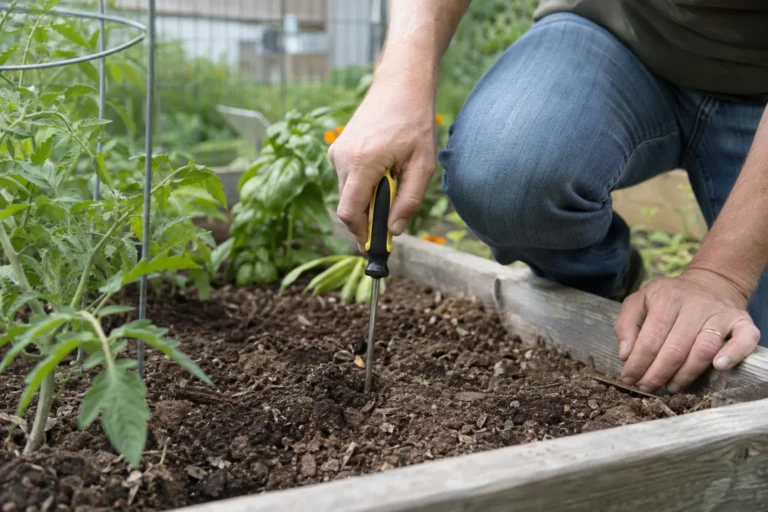
Mulch laid down in winter or early spring can hold cold, wet soil around roots and crowns, so wait until soil warms in April or May for most plantings.
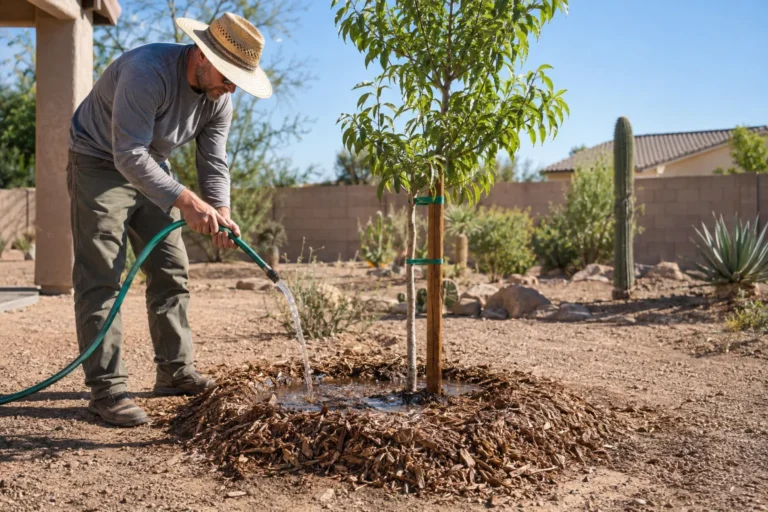
Eight fruit trees suit Queen Creek and East Valley yards, and planting them from February to mid-April gives their roots time to settle before summer heat arrives.
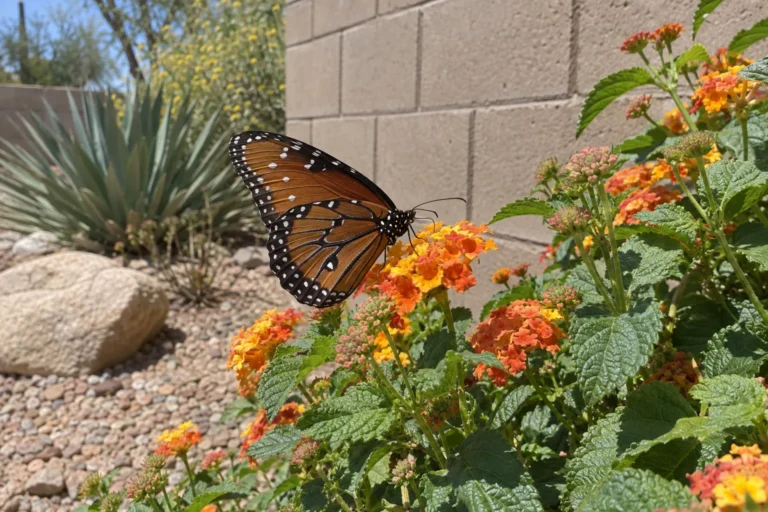
Zinnias, Mexican sunflower, lantana, pentas, gomphrena and vinca keep blooming through low desert summers and feed butterflies from May to October if you plant on time and water deeply.

Six heat-tolerant flowers do well in Arizona pots, and planting them from March through April gives roots time to settle before low desert summer heat arrives.
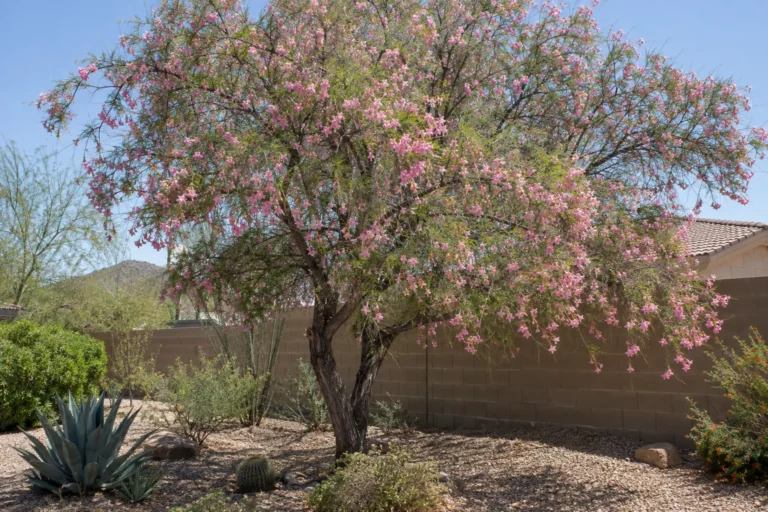
Eight tough trees, shrubs, a vine and a succulent that handle low desert heat and alkaline soil, with planting dates, watering ranges and the drawback of each.
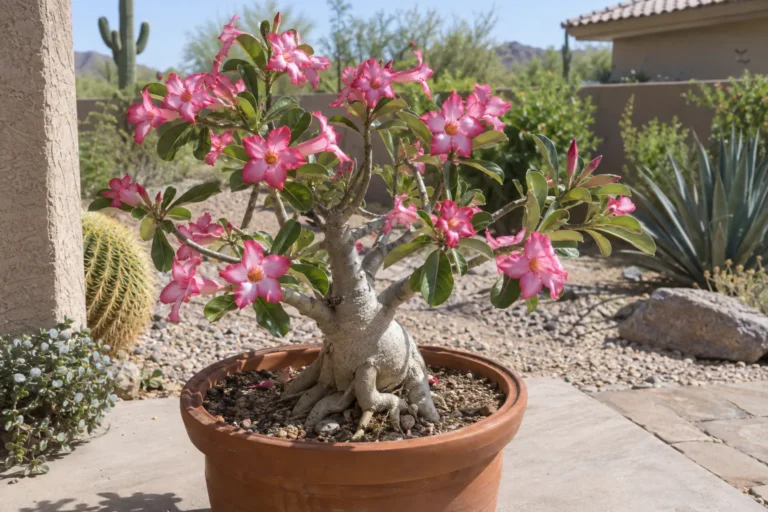
Full sun, a fast-draining mix, careful watering and cold protection are all a desert rose needs to bloom from spring to fall in Queen Creek and the East Valley.
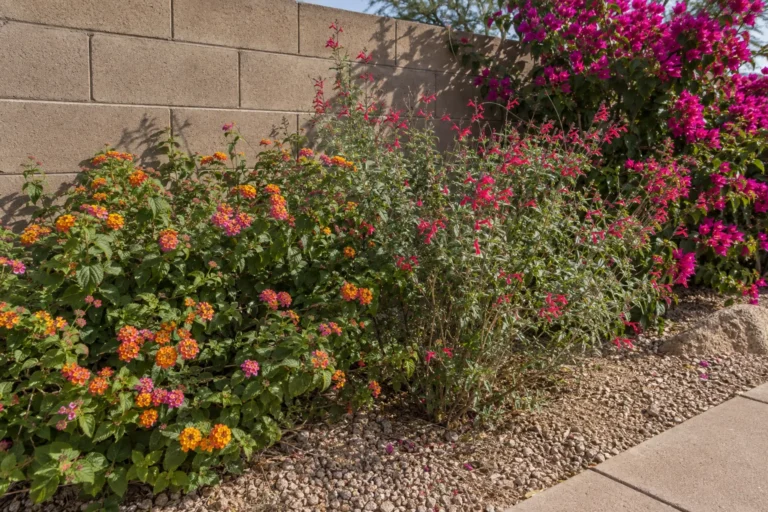
Hydrangeas struggle in alkaline soil and 110°F summers, so here are eight flowering shrubs that bloom in the Arizona low desert, with size, water needs and drawbacks of each.

Buffelgrass, fountain grass, saltcedar and five other plants are banned, restricted or worth checking in Arizona, and this guide covers how to verify each and what to plant instead.

Sustainable gardening in Arizona starts in fall with drip irrigation, compost, mulch and desert-adapted plants, and this guide walks East Valley gardeners through each step.
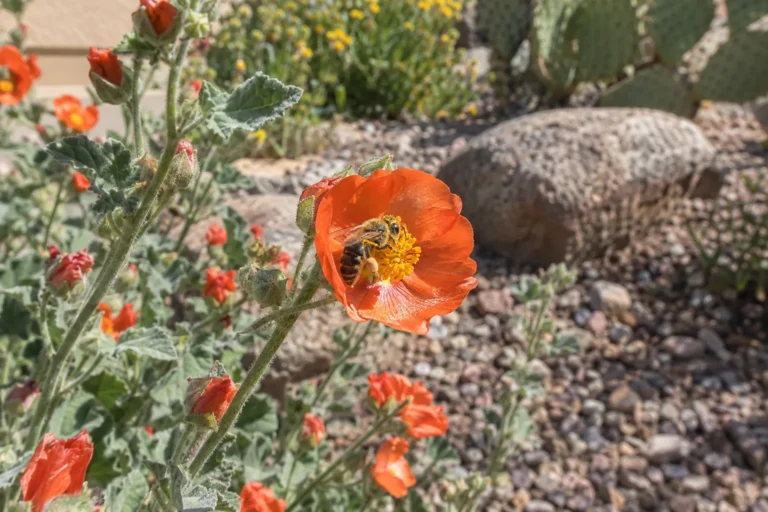
Seven native plants that feed bees, birds and butterflies in Queen Creek yards, with notes on size, water, planting time and the drawbacks to plan around.

Red bird of paradise, Texas sage, oleander and yellow bells fill East Valley yards, and four tougher shrubs can replace them with similar color and less upkeep.