

Deglet Noor Date Palm
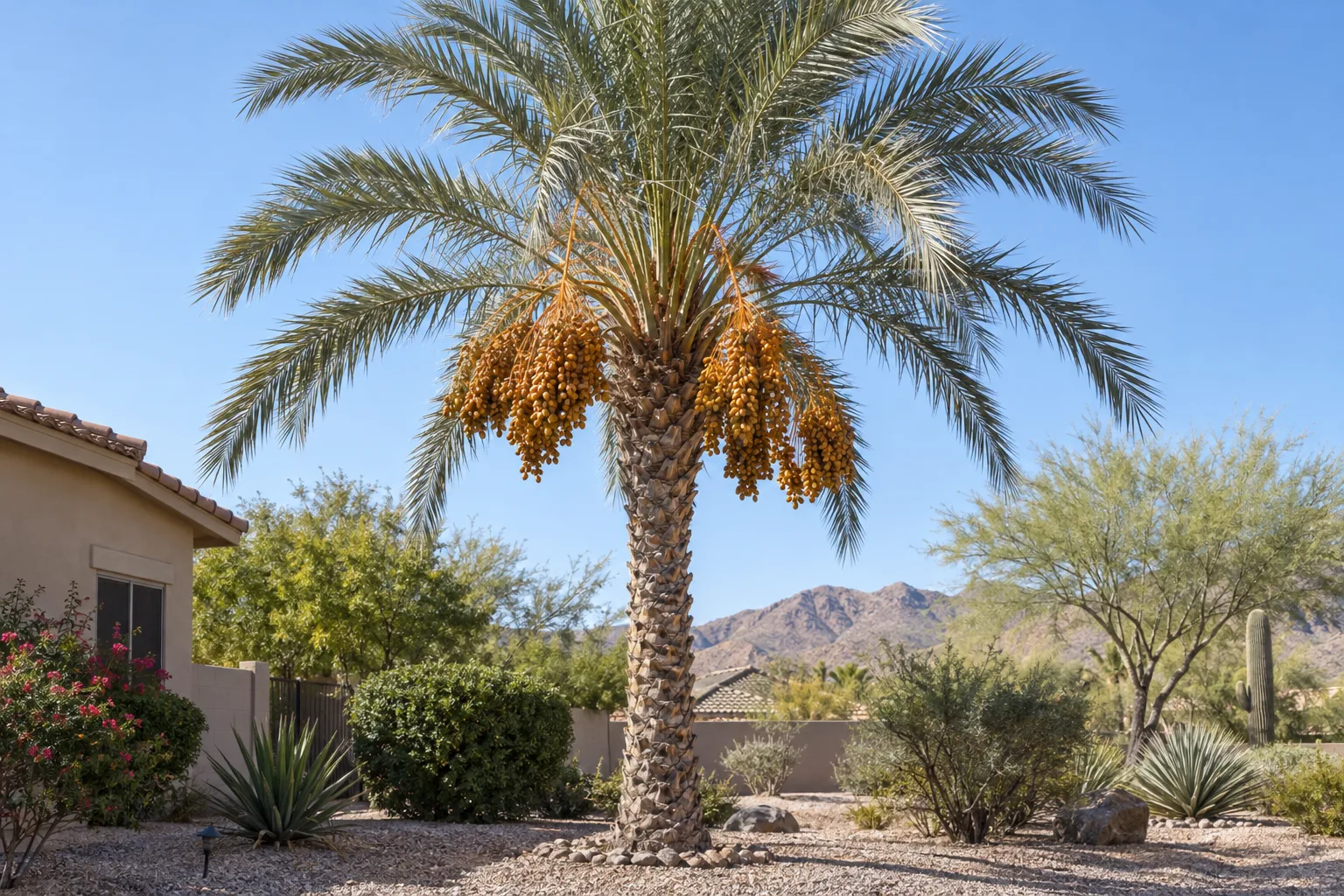
Phoenix dactylifera ‘Deglet Noor’ is a large date palm prized for its sweet, amber, semi-dry dates and arching, featherlike fronds. Well suited to Phoenix heat when adequately irrigated. Special Features Edible dates, strong architectural form, excellent heat tolerance, and moderate drought tolerance once established. True-to-type ‘Deglet Noor’ palms are female and propagated vegetatively; reliable fruit […]
Desert Agave
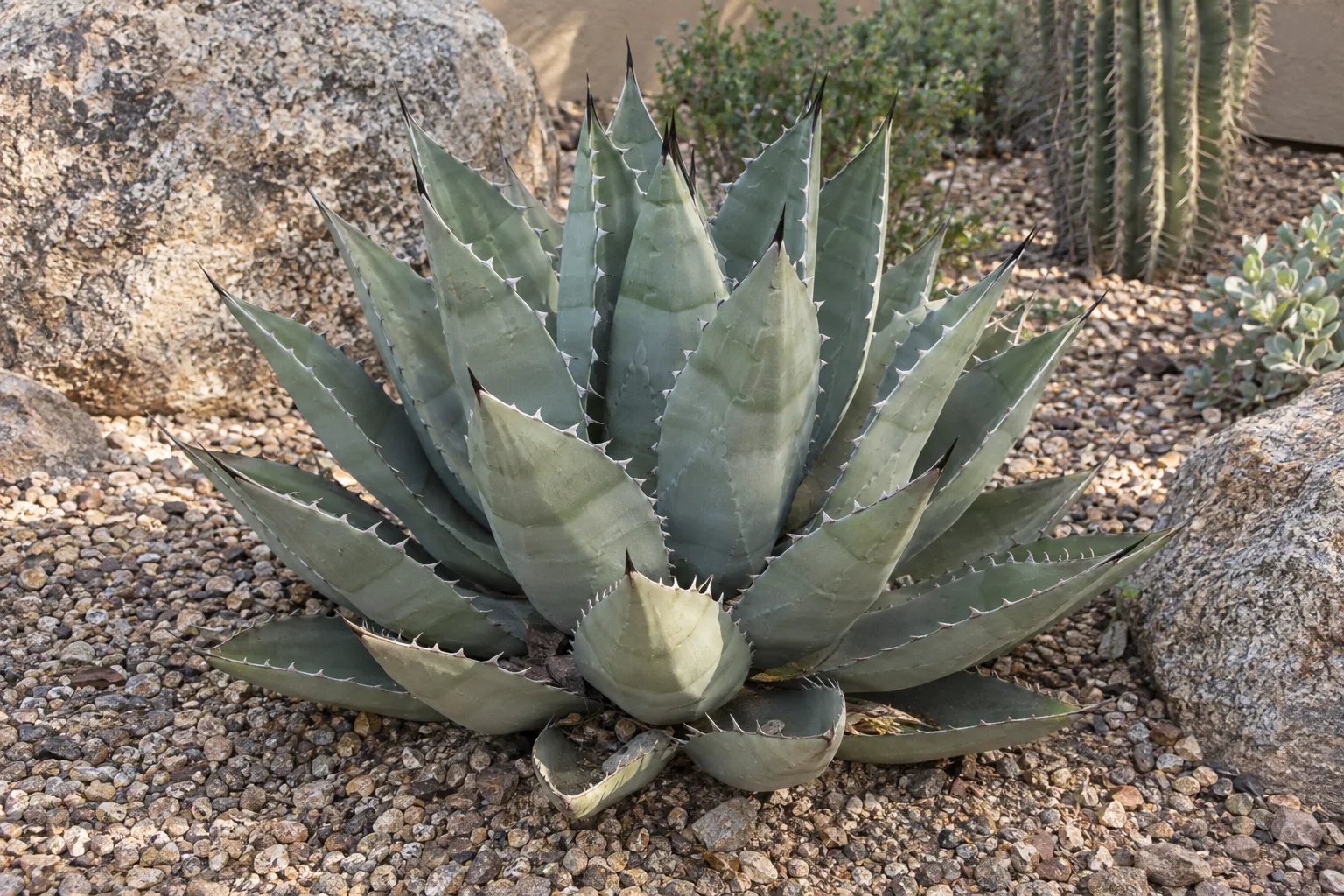
Agave deserti is a desert-native succulent with compact rosettes of thick, narrow, gray-green leaves edged with sharp teeth and tipped with stout spines. Special Features Highly drought tolerant; sculptural foliage; native to the deserts of the southwestern United States and northwestern Mexico; flowers attract pollinators. Problems & Solutions Overwatering and poor drainage cause root or […]
Desert Delight Nectarine
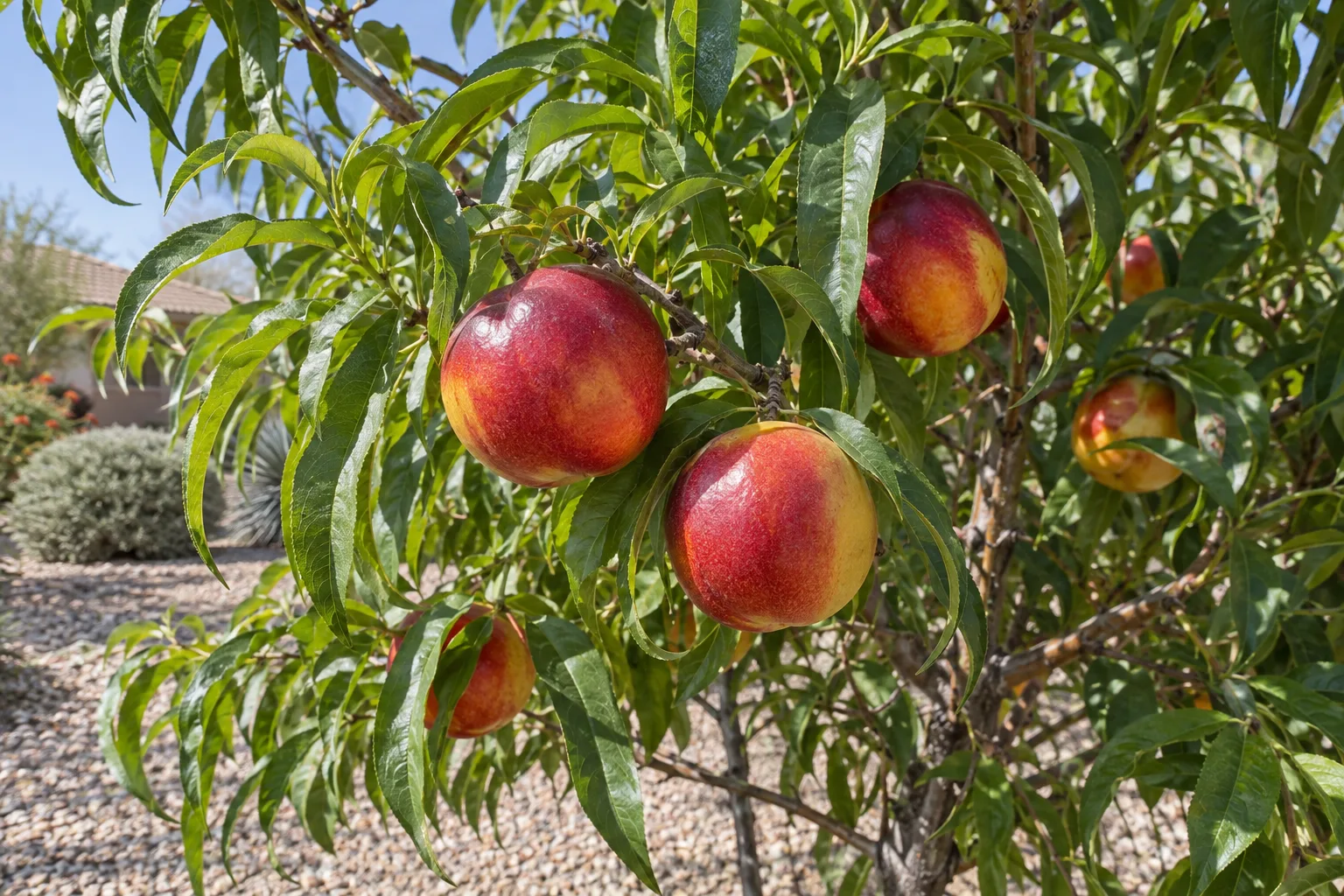
A low-chill nectarine well suited to Phoenix-area home orchards, producing sweet, yellow-fleshed, freestone fruit with red-blushed skin. Special Features Self-fruitful; no second tree required. Low chilling requirement of approximately 100–200 hours. Early-season fruit typically ripens in late spring to early summer, depending on local conditions. Problems & Solutions Sunburn on exposed bark (protect young trunks […]
Desert Fern Tree
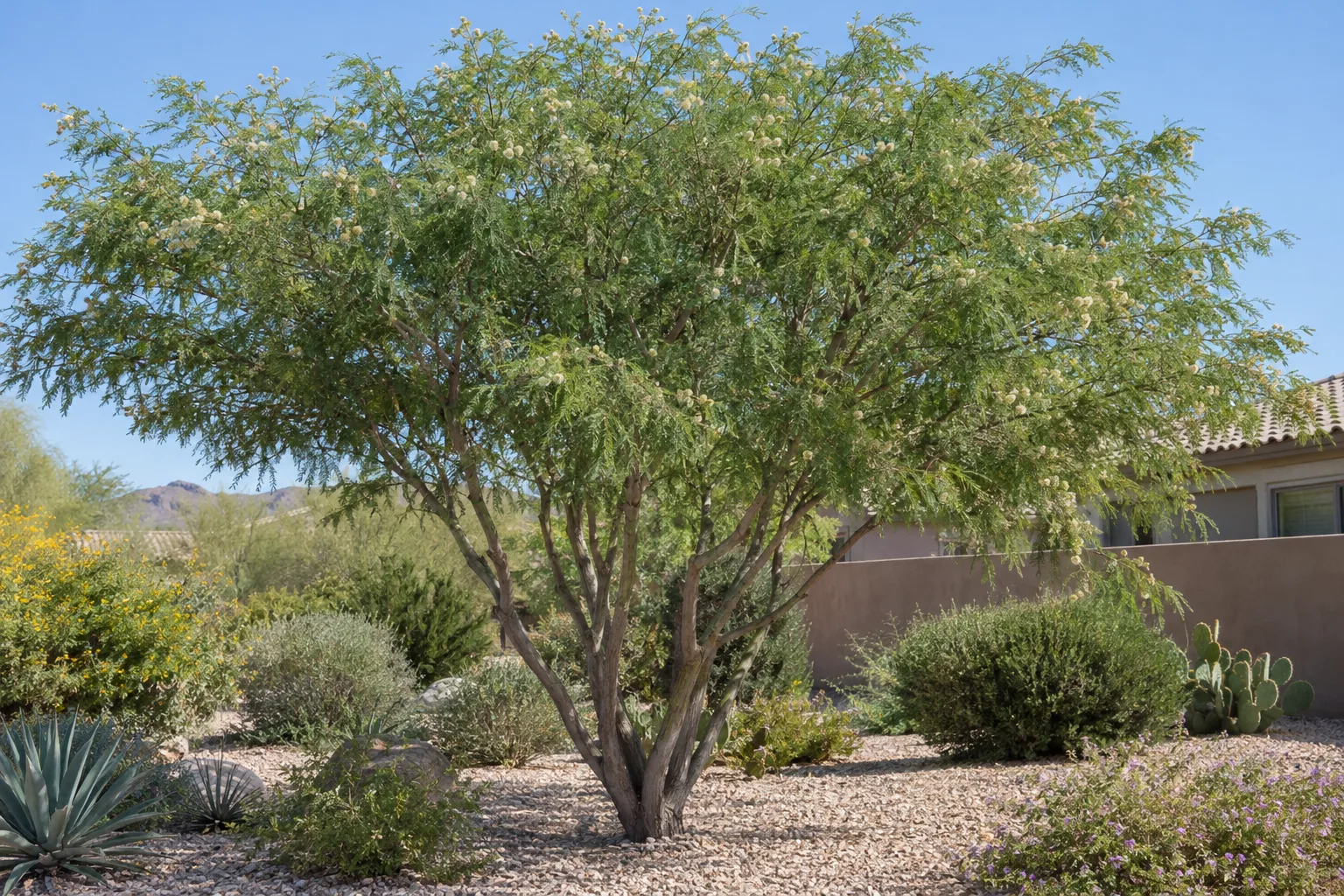
A thornless Sonoran Desert tree with delicate, fernlike foliage and a spreading canopy that provides light, filtered shade. Special Features Fine-textured foliage; thornless branches; heat and drought tolerance; filtered shade; flowers attract pollinating insects. Problems & Solutions Cold can damage young growth; protect young trees during freezes. Overwatering and poor drainage can cause root problems; […]
Desert Lavender
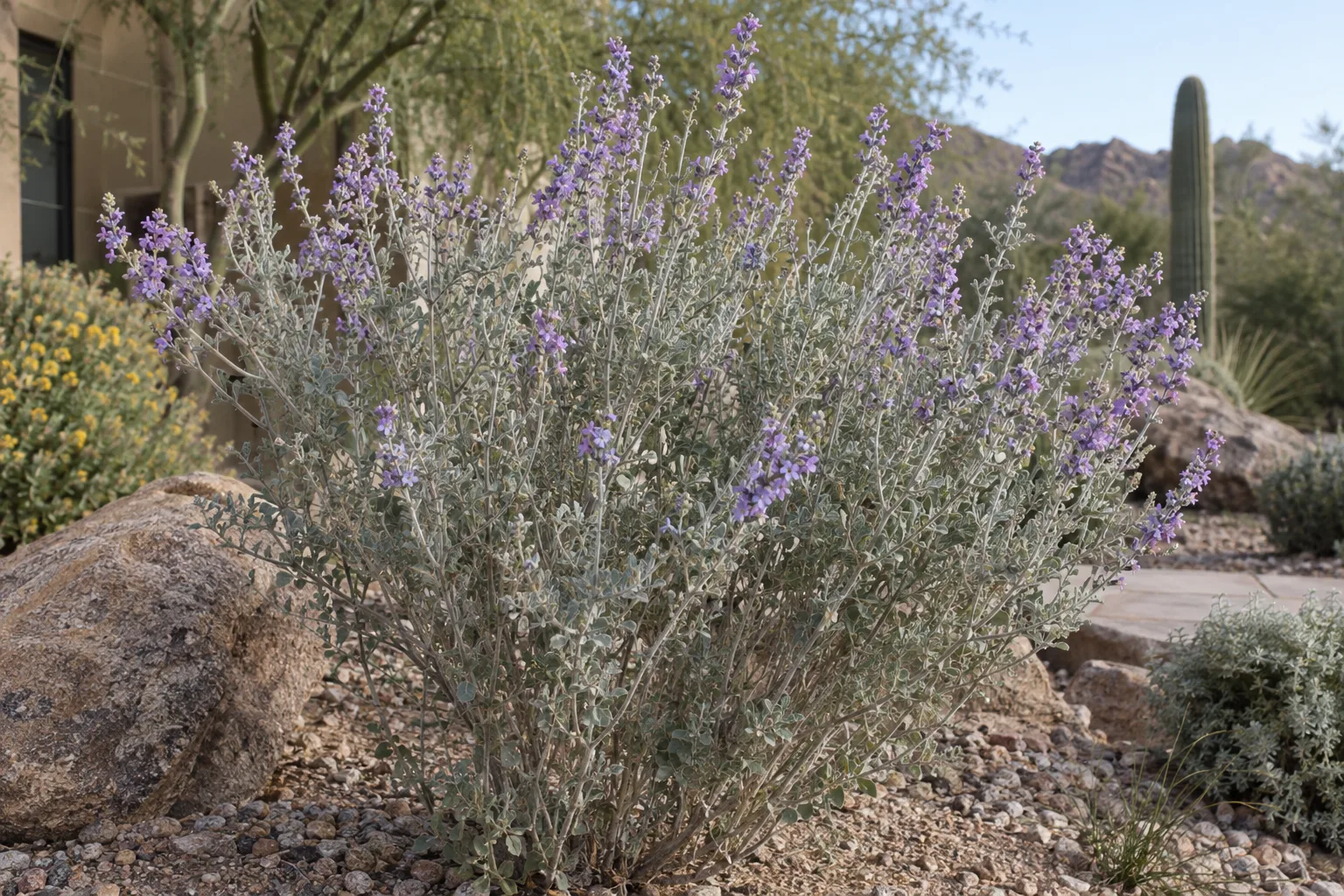
A Sonoran Desert native shrub with aromatic, softly hairy, silvery-gray leaves and delicate lavender flowers; well adapted to Phoenix heat. Special Features Fragrant foliage; highly heat and drought tolerant; attracts native bees, butterflies, and other pollinators. Problems & Solutions Poor drainage and excessive watering can cause root rot; allow soil to dry between irrigations. Hard […]
Donut Peach (Stark Saturn type)
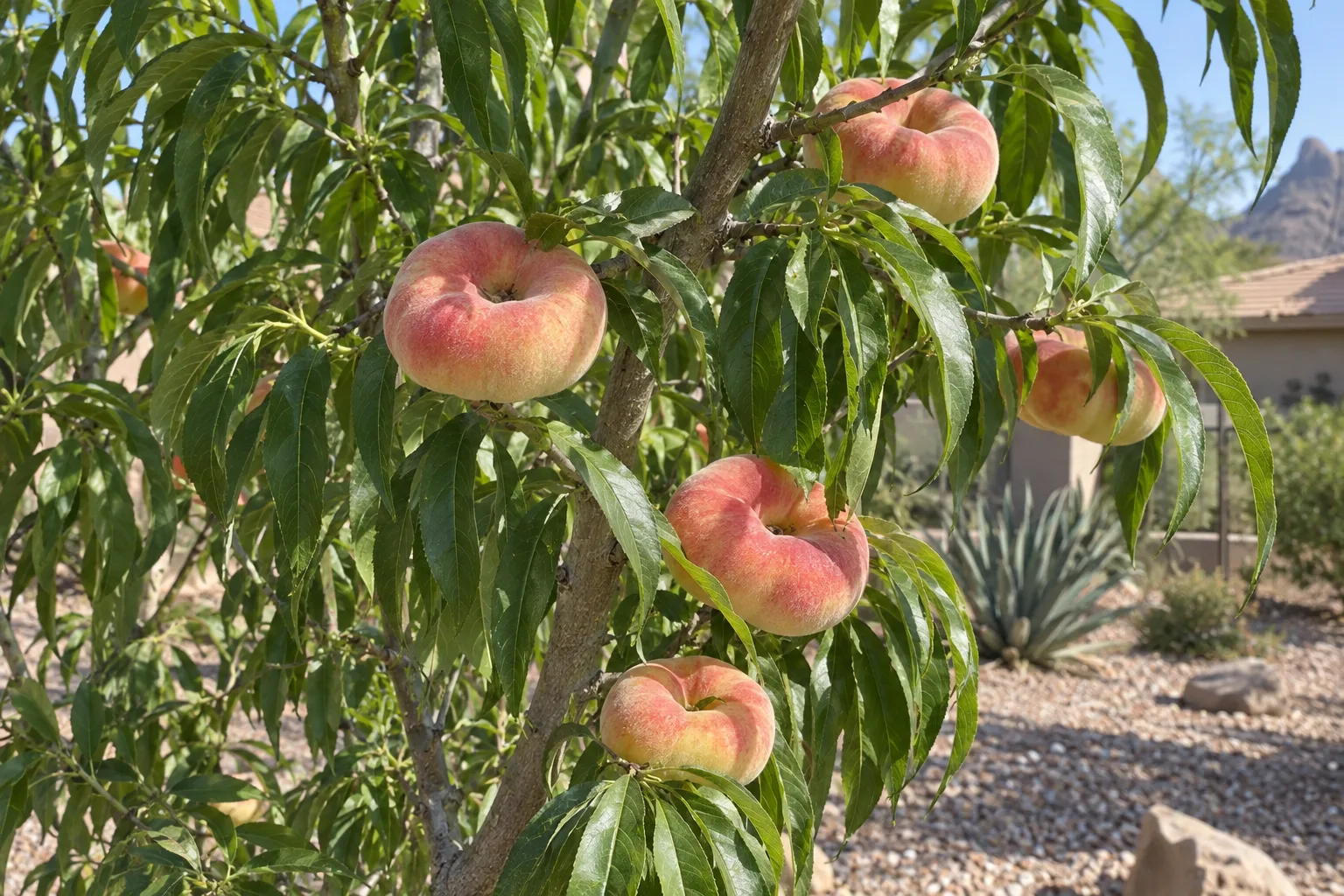
Deciduous fruit tree producing flattened, doughnut-shaped peaches with sweet, low-acid white flesh and red-blushed skin. Fruiting in Phoenix depends on sufficient winter chill. Special Features Distinctive flat peaches with small pits and sweet white flesh; self-fruitful, so a second peach tree is not required for pollination. Problems & Solutions Insufficient winter chill can cause irregular […]
Dorsett Golden Apple

A low-chill apple cultivar producing sweet, crisp, golden-yellow fruit, often with a pink blush. Well suited to Phoenix with adequate irrigation and protection from intense afternoon heat. Special Features Very low chilling requirement, commonly estimated at 100–200 hours below 45°F. Early harvest helps avoid peak summer heat. Partially self-fruitful, but an overlapping-bloom apple such as […]
Dianthus ‘Cherry Pie’

A compact dianthus with fragrant cherry-red flowers above a tidy mound of narrow blue-green leaves. In Phoenix, it performs best during cooler months and may be short-lived through extreme summer heat. Special Features Clove-like fragrance, compact growth, abundant flowers, and pollinator appeal. Suitable for small spaces and containers. Problems & Solutions Extreme summer heat can […]
Dynamite Crape Myrtle
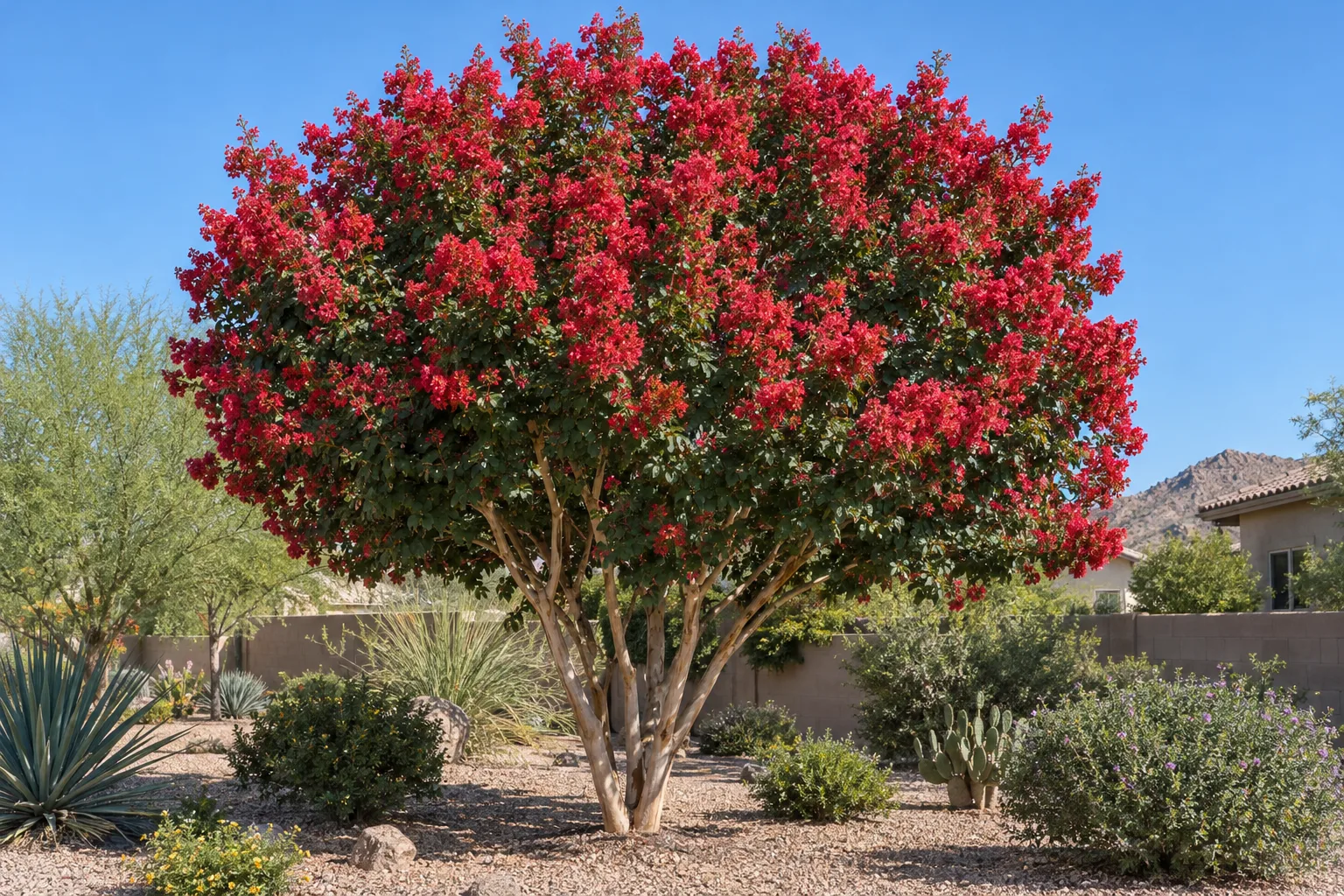
A deciduous ornamental tree prized for brilliant red summer flowers, attractive peeling bark, and colorful fall foliage. Performs well in Phoenix with adequate irrigation and protection from intense reflected heat. Special Features Vivid red blooms, exfoliating bark, orange-red fall color, and good powdery mildew resistance. Heat tolerant with adequate water; attracts pollinators. Problems & Solutions […]
Earligrande Peach
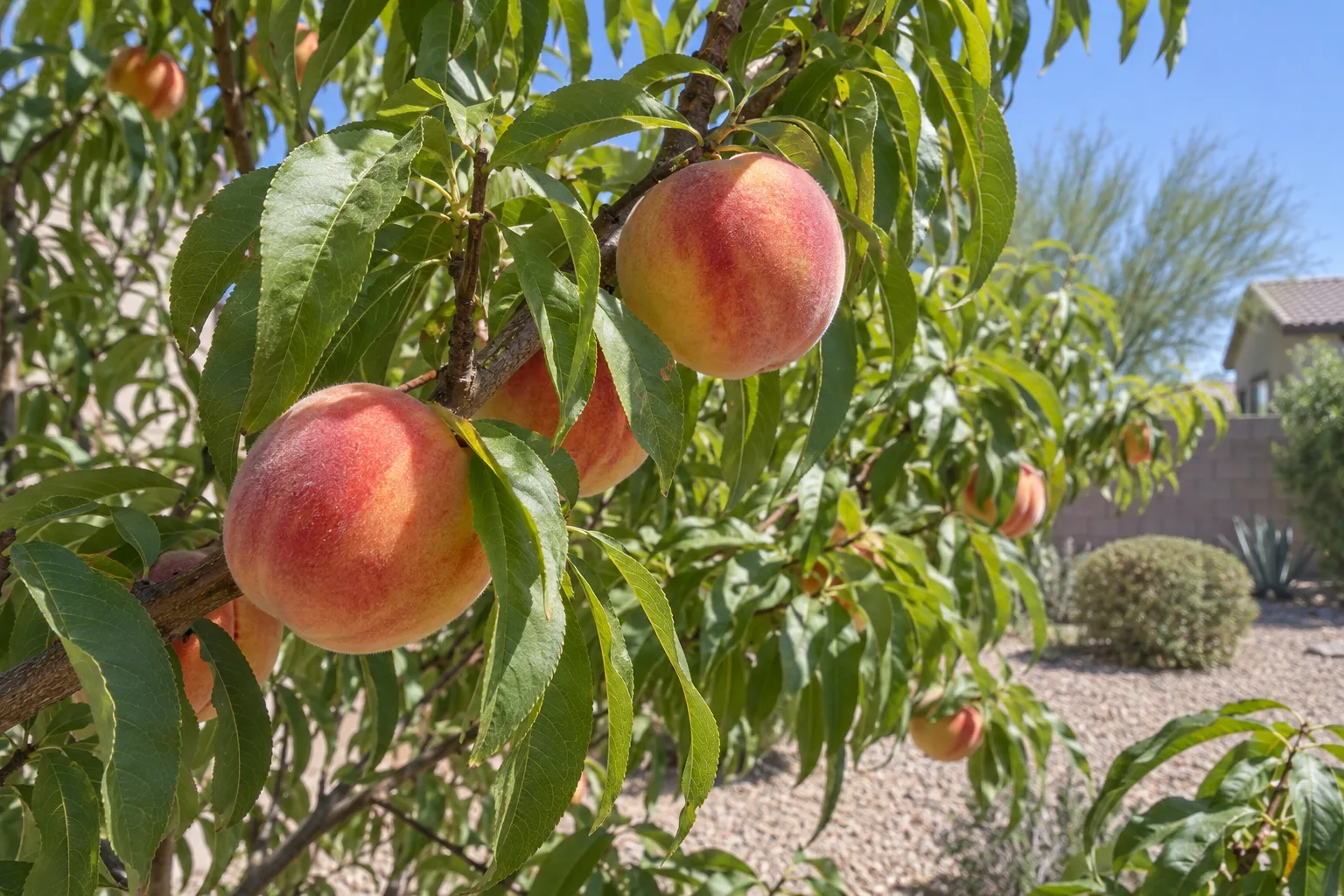
A low-chill peach variety well suited to Phoenix gardens, producing early-ripening, yellow-fleshed peaches with red-blushed yellow skin and sweet flavor. Special Features Self-fruitful; no second peach tree is required. Low chilling requirement, approximately 200–300 hours below 45°F. Early harvest helps avoid the worst summer heat. Problems & Solutions Trunk sunburn: protect exposed bark with diluted […]