

Eversweet Pomegranate

A fruiting pomegranate prized for sweet, low-acid fruit with soft seeds, pale pink arils, and nearly clear juice. Well suited to Phoenix heat. Special Features Self-fruitful; sweet, low-acid fruit with soft edible seeds and juice that stains less than red-juiced varieties. Heat tolerant and drought tolerant once established, though irrigation improves fruit production. Problems & […]
Eva’s Pride Peach

Eva’s Pride peach (Prunus persica ‘Eva’s Pride’) is a low-chill fruit tree producing sweet, aromatic, yellow-fleshed peaches with red-blushed skin. Well suited to warm-winter gardens, including Phoenix. Special Features Self-fruitful; no second peach variety is required. Low chilling requirement, commonly listed at approximately 100–200 hours below 45°F. Early harvest and flavorful fruit for fresh eating, […]
Eve Pomegranate

A fruiting pomegranate with glossy green leaves, showy orange-red flowers, and rounded fruit containing juicy, edible arils. Well suited to Phoenix heat when adequately irrigated. Special Features Edible fruit, ornamental flowers, heat tolerance, and drought tolerance once established. Self-fruitful; one plant can produce a crop. Problems & Solutions Fruit splitting: maintain consistent soil moisture, especially […]
Flavor Delight Aprium

An apricot-dominant apricot-plum hybrid producing small to medium yellow-orange fruit with sweet, aromatic flesh. Suitable for some Phoenix gardens, though winter chill and extreme summer heat can affect performance. Special Features Early-ripening, flavorful fruit, often harvested in May–June locally. Commonly listed as needing about 200–300 winter chill hours; warmer Phoenix locations may receive insufficient chill […]
Flordaprince Peach
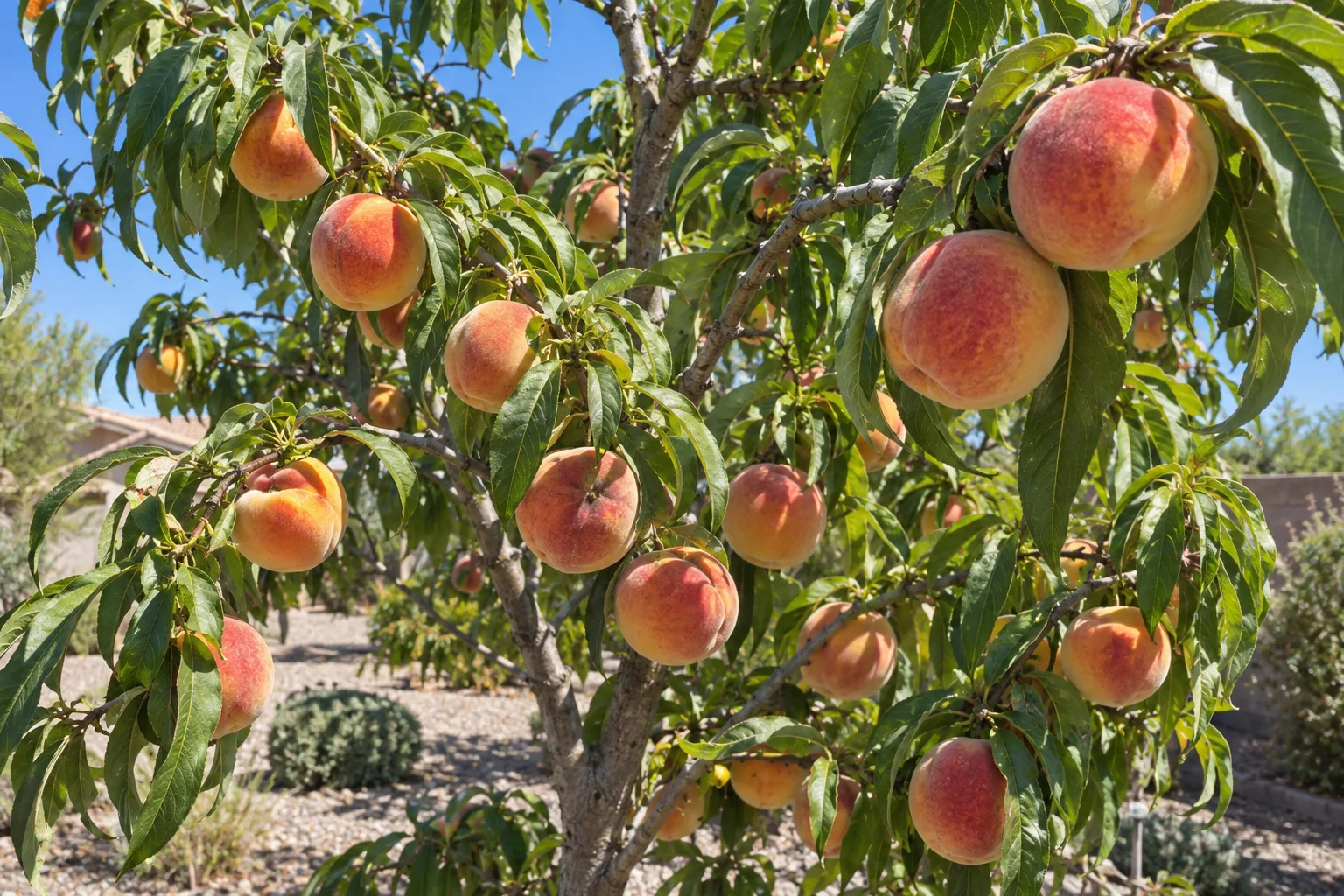
An early-ripening, low-chill peach developed for warm climates. Produces medium-sized, yellow-fleshed peaches with red-blushed skin; well suited to Phoenix with adequate irrigation. Special Features Self-fruitful; no second peach tree required. Needs approximately 150 chill hours. Bears sweet, early-season peaches before peak summer heat. Problems & Solutions Sunburn on exposed bark: protect with diluted white interior […]
Fruiting Mulberry
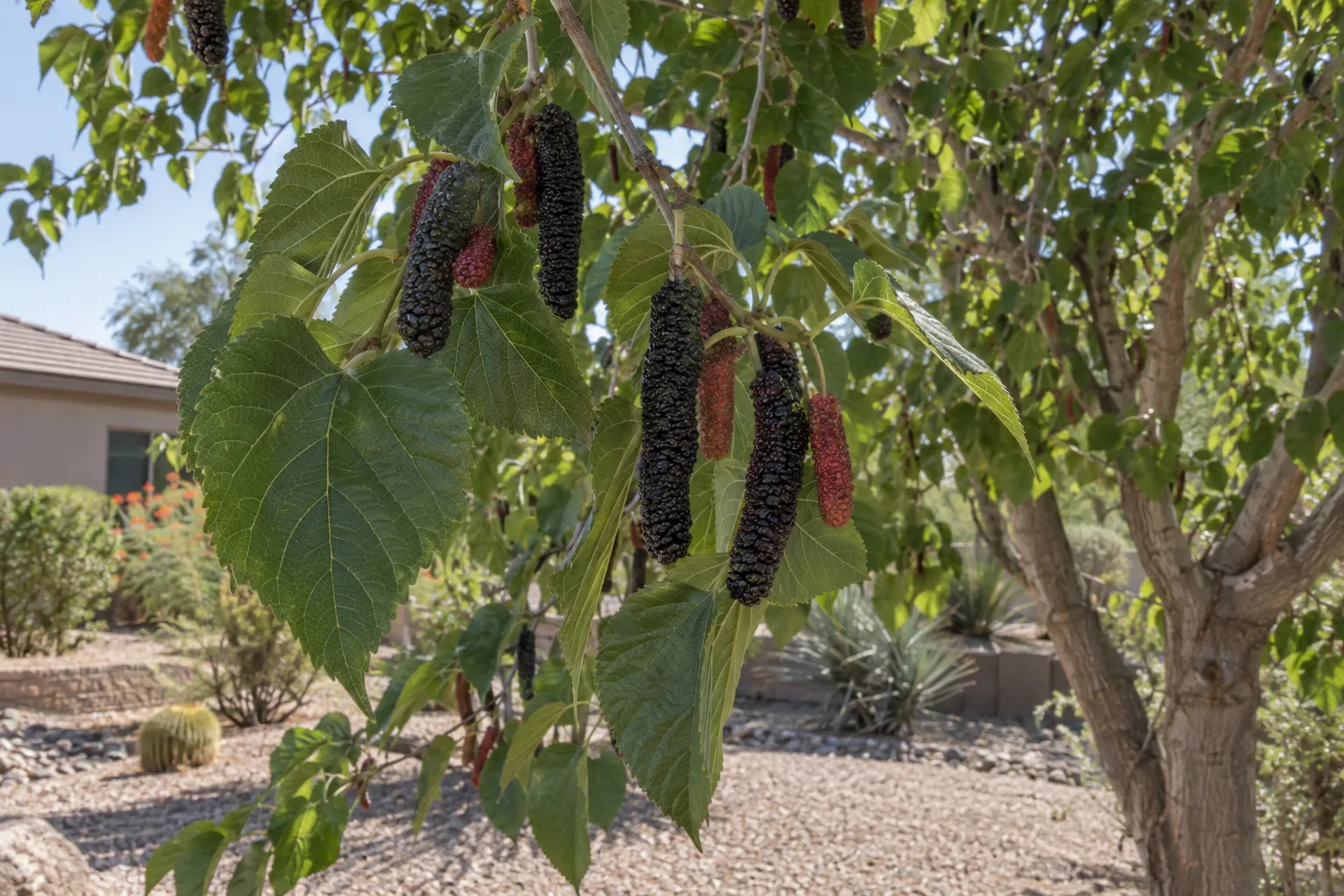
A long-lived fruit tree with a broad canopy, rough-textured leaves, and sweet-tart, dark purple-black berries. True Morus nigra grows more slowly than many other mulberries. Special Features Richly flavored fruit for fresh eating, preserves, and baking; broad summer shade; attracts fruit-eating birds. Common fruiting cultivars are generally self-fruitful. Problems & Solutions Extreme heat and dry […]
Giant Elephant Food
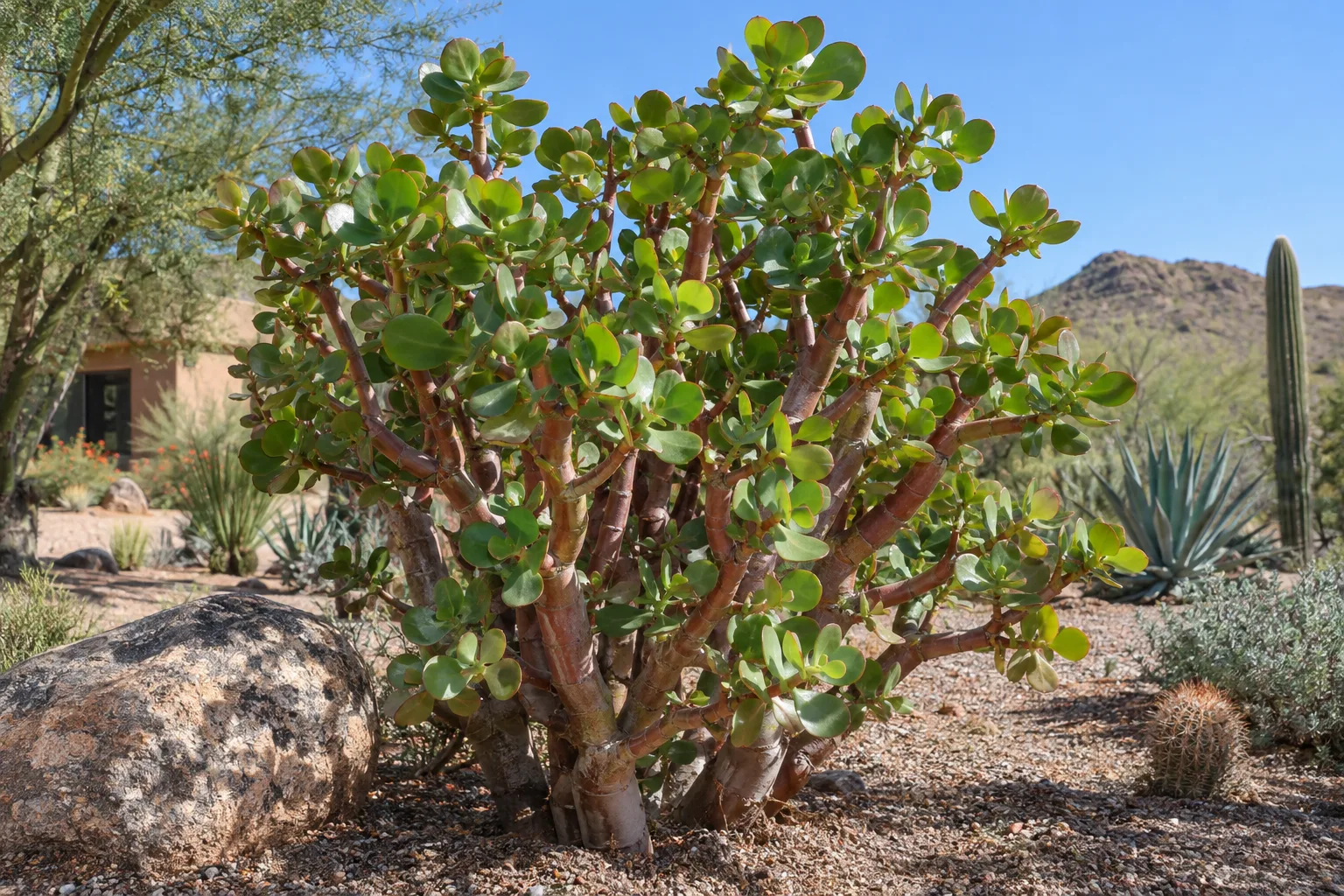
A large-leaved form of elephant food, generally sold as Portulacaria afra ‘Mammoth’, with rounded, fleshy green leaves and thick reddish-brown stems. Special Features Bold succulent foliage; heat and drought tolerant once established; easy to propagate from stem cuttings; responds well to pruning. Problems & Solutions Root rot from wet soil: improve drainage and allow drying […]
Gold Kist Apricot

A low-chill apricot producing medium to large, golden-orange fruit with sweet, flavorful flesh. Suitable for Phoenix-area home orchards where winter chilling is sufficient. Special Features Self-fruitful; usually needs about 300 winter chill hours. Early-ripening fruit is excellent fresh, dried, or preserved. Fruiting may be inconsistent in especially warm Phoenix winters. Problems & Solutions Early flowers […]
Gold Mound Lantana
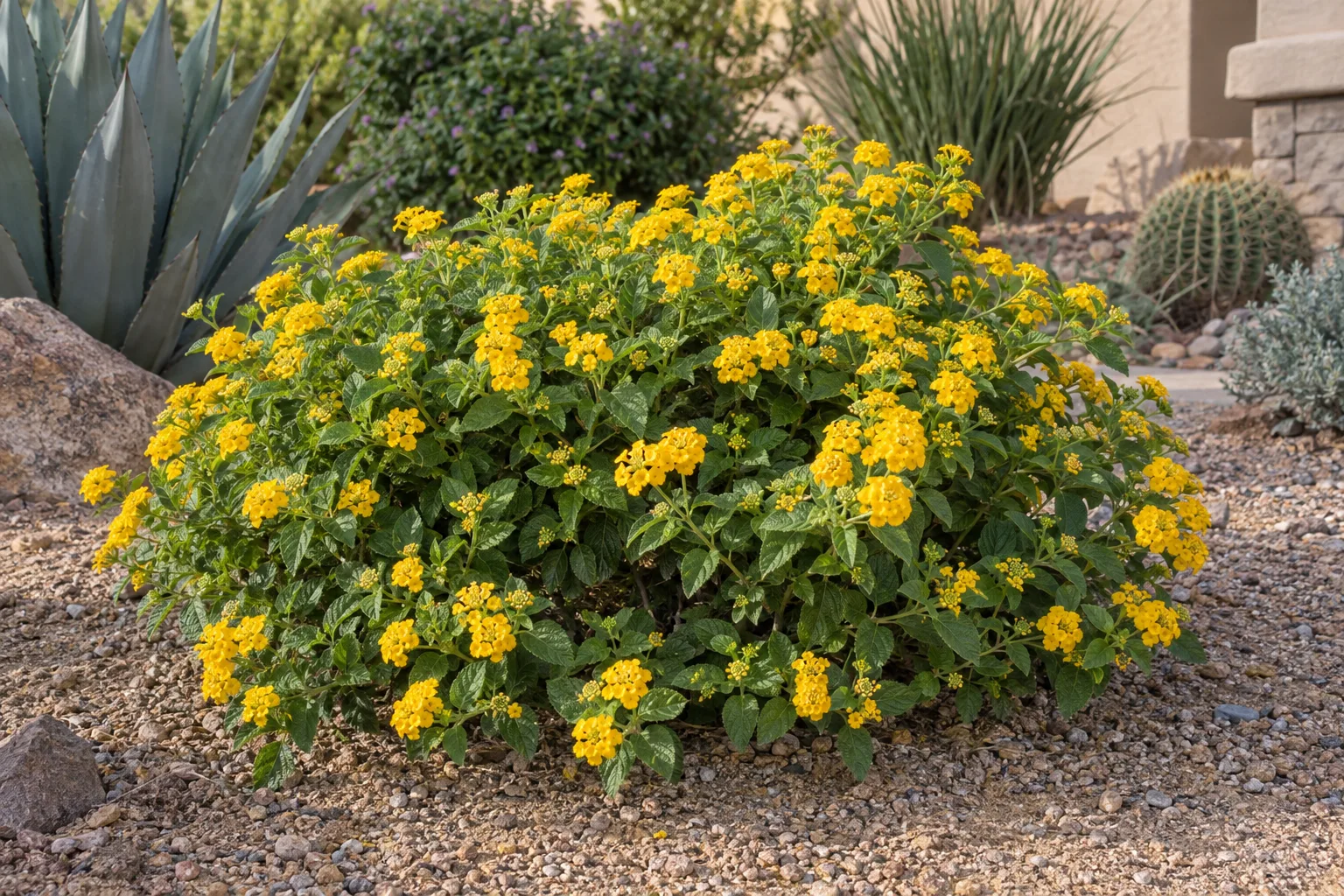
A compact, spreading lantana with clusters of golden-yellow flowers and textured green foliage, well suited to Phoenix landscapes. Special Features Heat tolerant and drought tolerant once established; attracts butterflies and other pollinators. Problems & Solutions Poor drainage can cause root rot; avoid overwatering. Watch for whiteflies, spider mites, and lace bugs; treat confirmed infestations with […]
Goldeneye
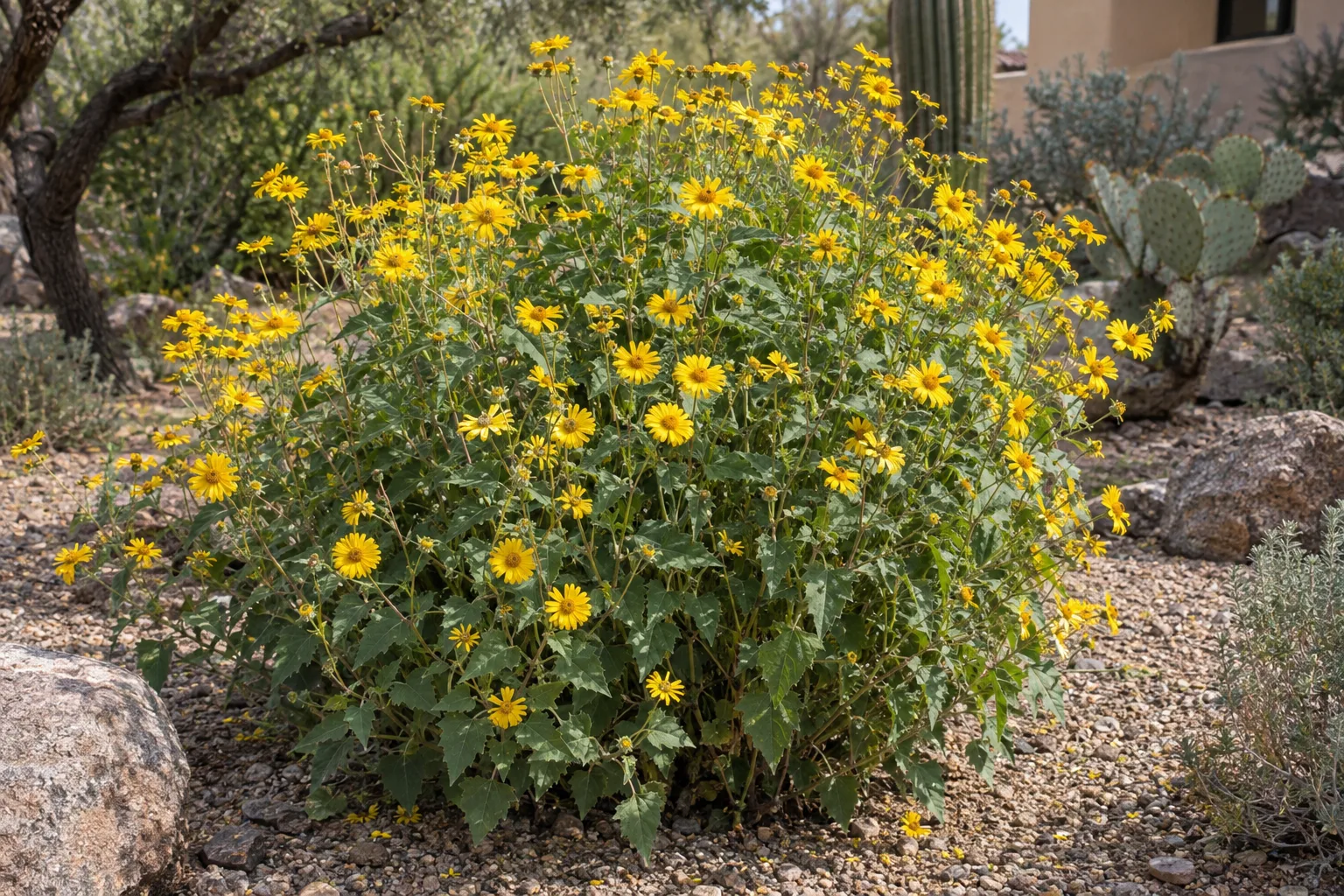
A bushy Southwestern perennial or subshrub with rough green leaves and abundant golden-yellow daisies, well suited to informal desert gardens. Special Features Heat and drought tolerant once established; attracts bees and butterflies, and provides seeds for birds. Problems & Solutions Poor drainage can cause root rot; avoid overwatering. Plants may become leggy or spread by […]