

Carob

A long-lived Mediterranean evergreen tree with a broad canopy, leathery leaves, and edible brown pods traditionally used as a cocoa substitute. Special Features Heat and drought tolerant once established; provides dense shade and edible pods. Most trees are male or female, though some have bisexual flowers; pod production depends on cultivar and compatible pollination. Problems […]
Cartagena Guava
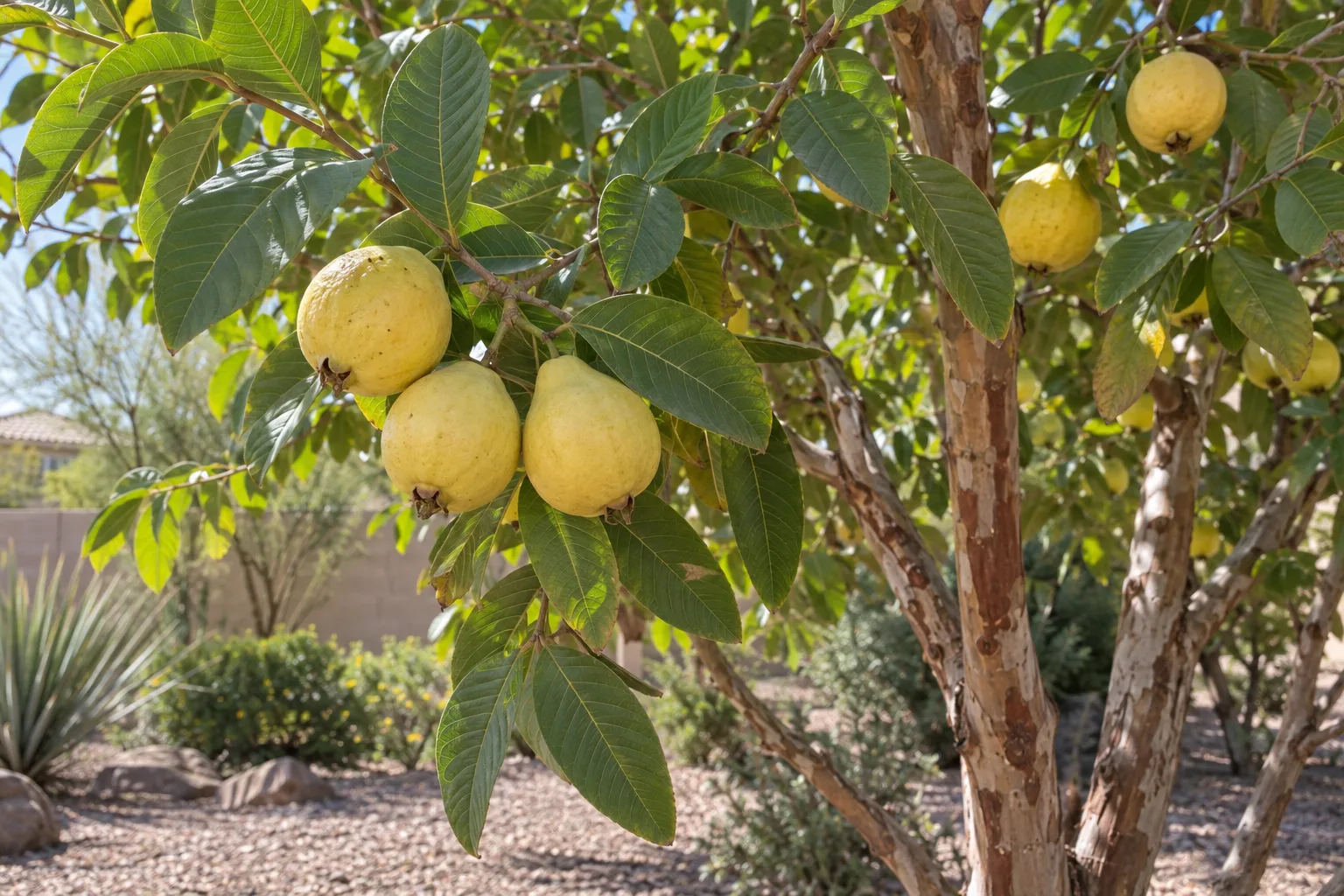
A tropical fruiting guava with aromatic, edible fruit, prominently veined leaves, and attractive peeling bark. Best grown in a protected Phoenix microclimate. Special Features Edible, fragrant fruit; attractive exfoliating bark; generally self-fertile, although cross-pollination can improve fruit set. Problems & Solutions Frost can damage foliage and young growth near or below freezing; use frost cloth […]
Chandler Pummelo
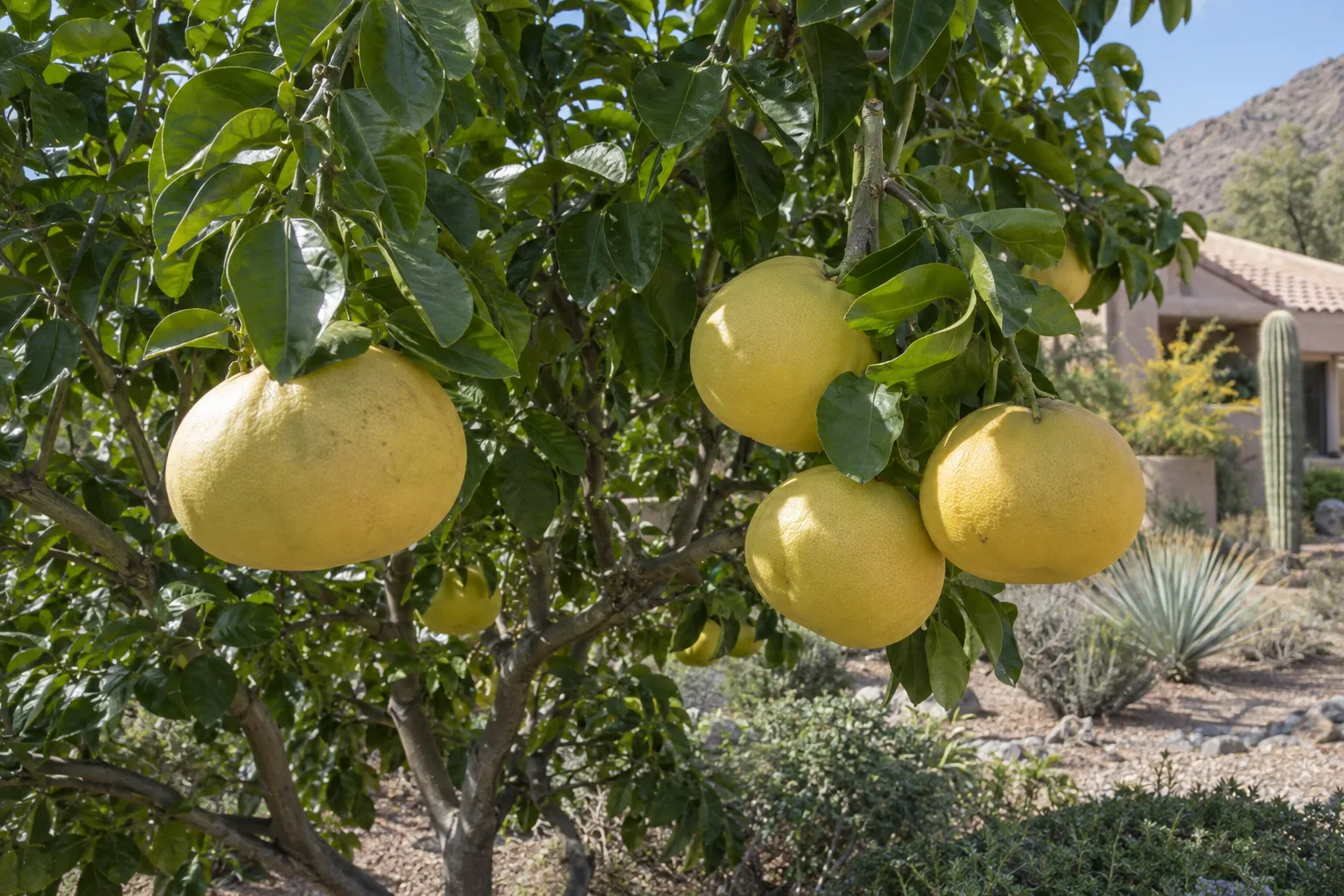
A large-fruited pummelo cultivar producing thick-rinded citrus with pink flesh and a sweet to mildly tart flavor. Well suited to Phoenix when provided regular irrigation, good drainage, and frost protection. Special Features Very large, pink-fleshed fruit; fragrant flowers; glossy foliage. Self-fruitful, though cross-pollination can increase seediness. Problems & Solutions Frost can damage foliage and fruit […]
Champagne Loquat
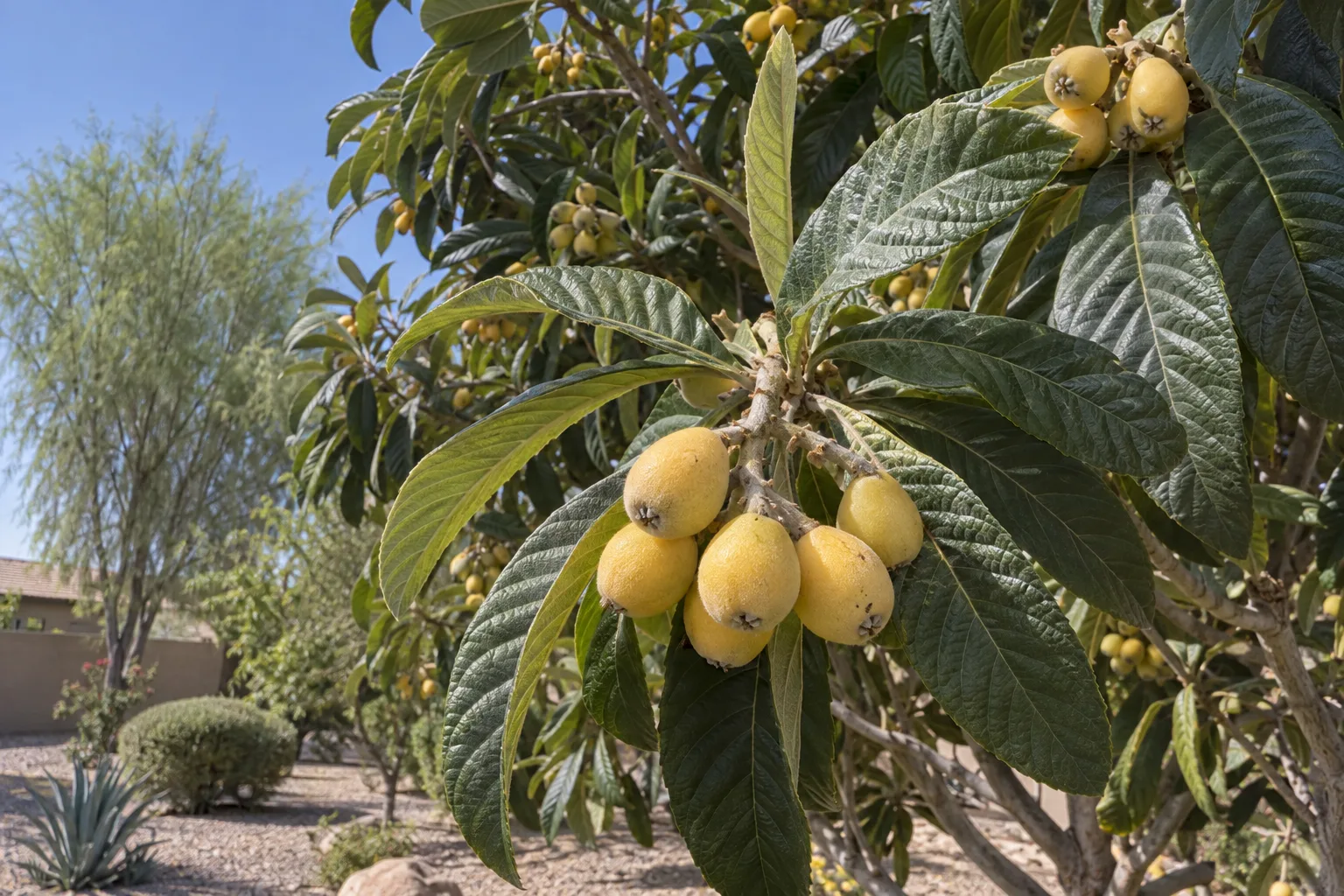
An evergreen fruit tree with large, textured leaves and yellow-skinned loquats with juicy, sweet, pale flesh. ‘Champagne’ benefits from protection against Phoenix’s intense summer heat. Special Features Edible, pale-fleshed fruit; fragrant flowers attract pollinators; bold foliage provides year-round screening. Generally self-fruitful, though another cultivar may improve fruit set. Problems & Solutions Summer sun and dry […]
Cocktail Citrus
Typically a multi-grafted citrus tree bearing several fruit varieties on one rootstock. Cocktail citrus is a nursery label, not a single species; Citrus sinensis identifies only its sweet-orange component, if present. Special Features Multiple fruit types on one tree, fragrant blossoms, edible fruit, and potentially extended harvest seasons. Most commonly grafted citrus varieties are self-fruitful. […]
Coconut Cream Mango

A tropical mango cultivar prized for sweet, creamy, nearly fiberless fruit with a distinctive coconut-like flavor. Challenging but possible in a protected Phoenix microclimate. Special Features Dessert-quality mangoes with coconut-like flavor and very little fiber; attractive tropical foliage. Self-fertile, so one tree can produce fruit. Problems & Solutions Frost-sensitive and not reliably hardy in Zone […]
Colombian Pink Guava
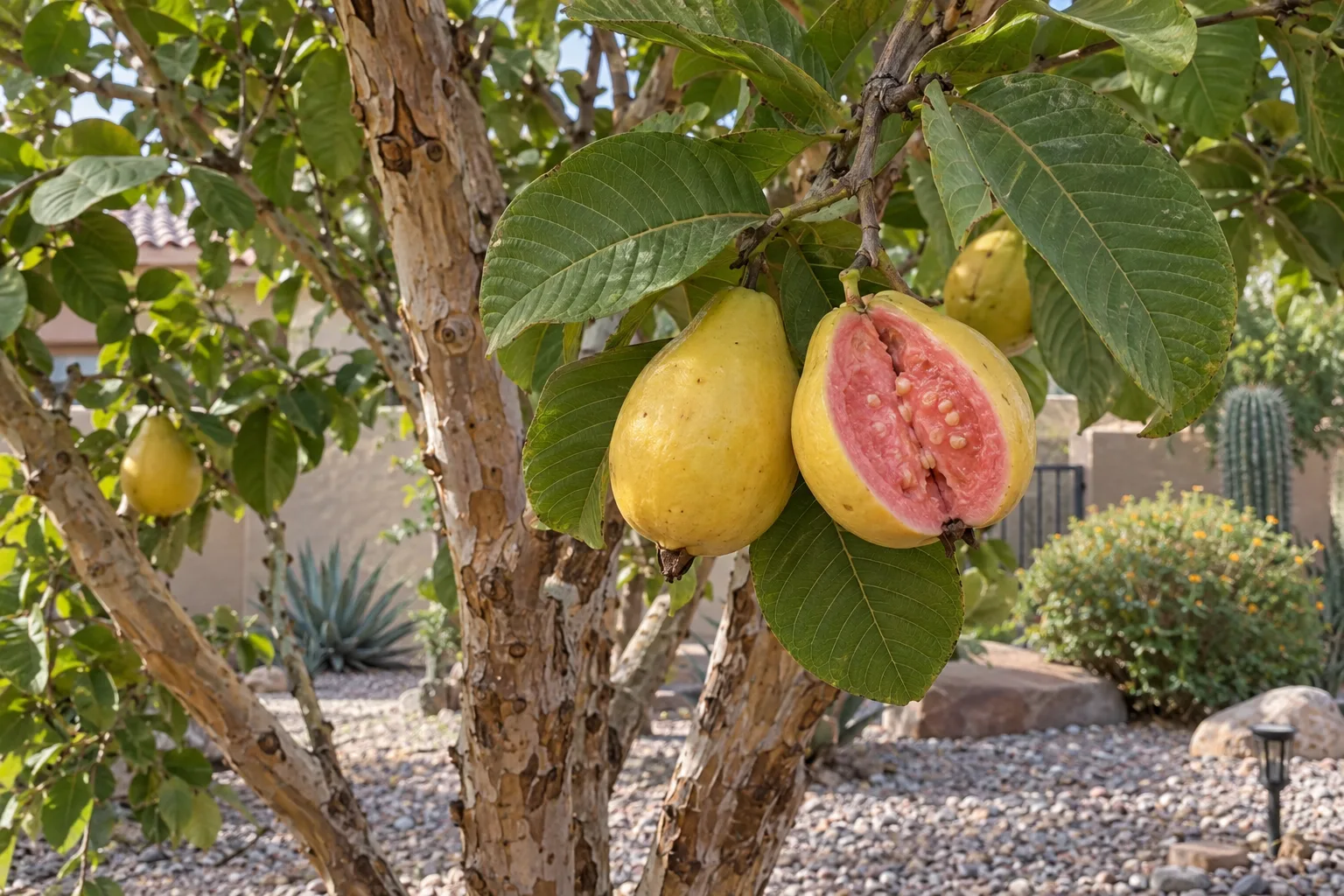
A tropical fruit tree grown for fragrant, yellow-skinned guavas with sweet pink flesh, attractive foliage, and peeling bark. Special Features Edible pink-fleshed fruit rich in vitamin C; aromatic fruit, ornamental peeling bark, and generally self-fruitful flowers. Problems & Solutions Frost can damage leaves and young growth, with serious injury possible in the upper 20s°F; choose […]
Cotton Candy Mango
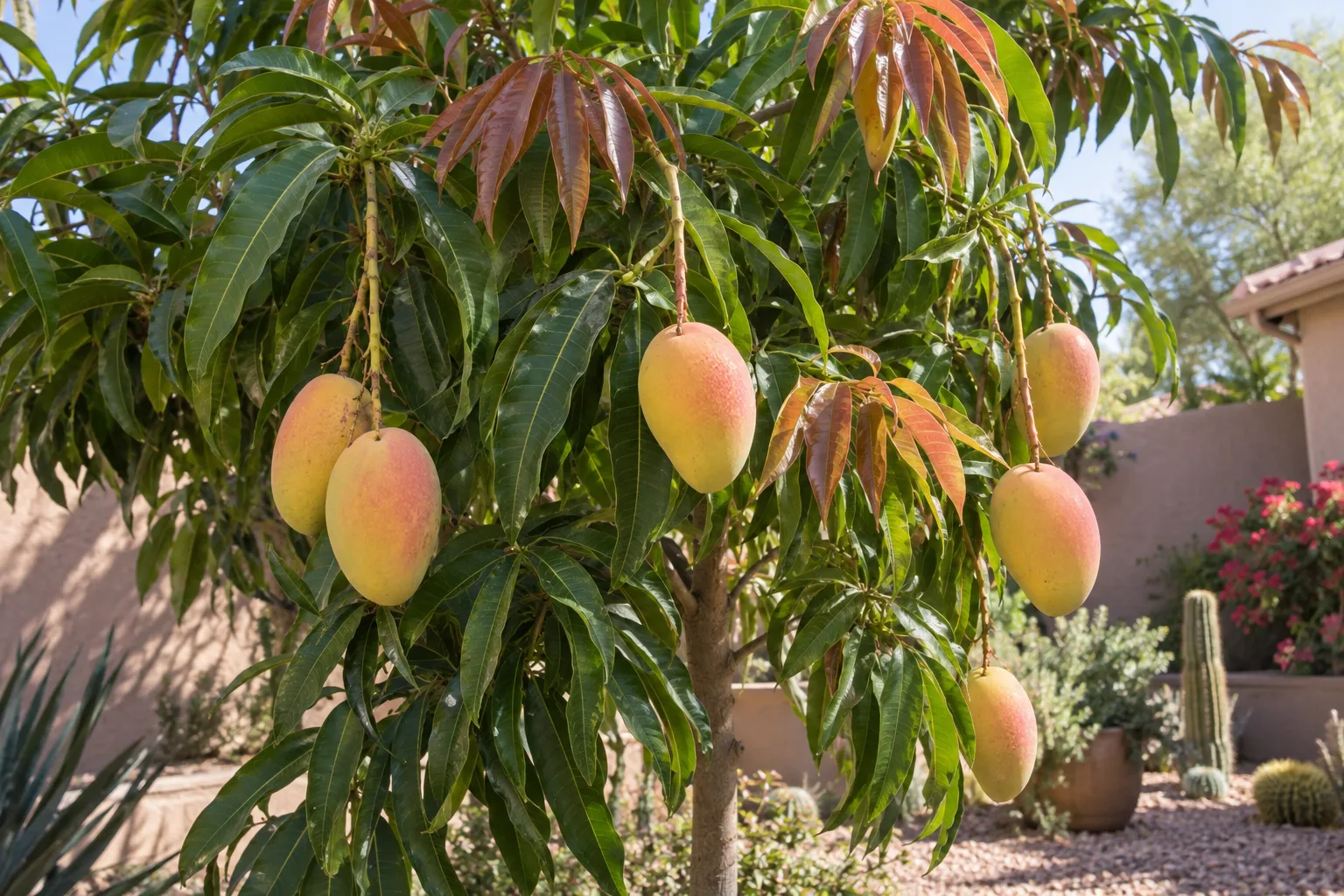
A tropical mango cultivar prized for exceptionally sweet, aromatic fruit with a candy-like flavor. Growing it in Phoenix requires protection from frost, intense afternoon sun, and drying winds. Special Features Very sweet dessert fruit; attractive tropical foliage. Self-fertile, so a second cultivar is not required. Marginally cold-hardy in Zone 9b and best treated as a […]
Cynara Sco Green Globe
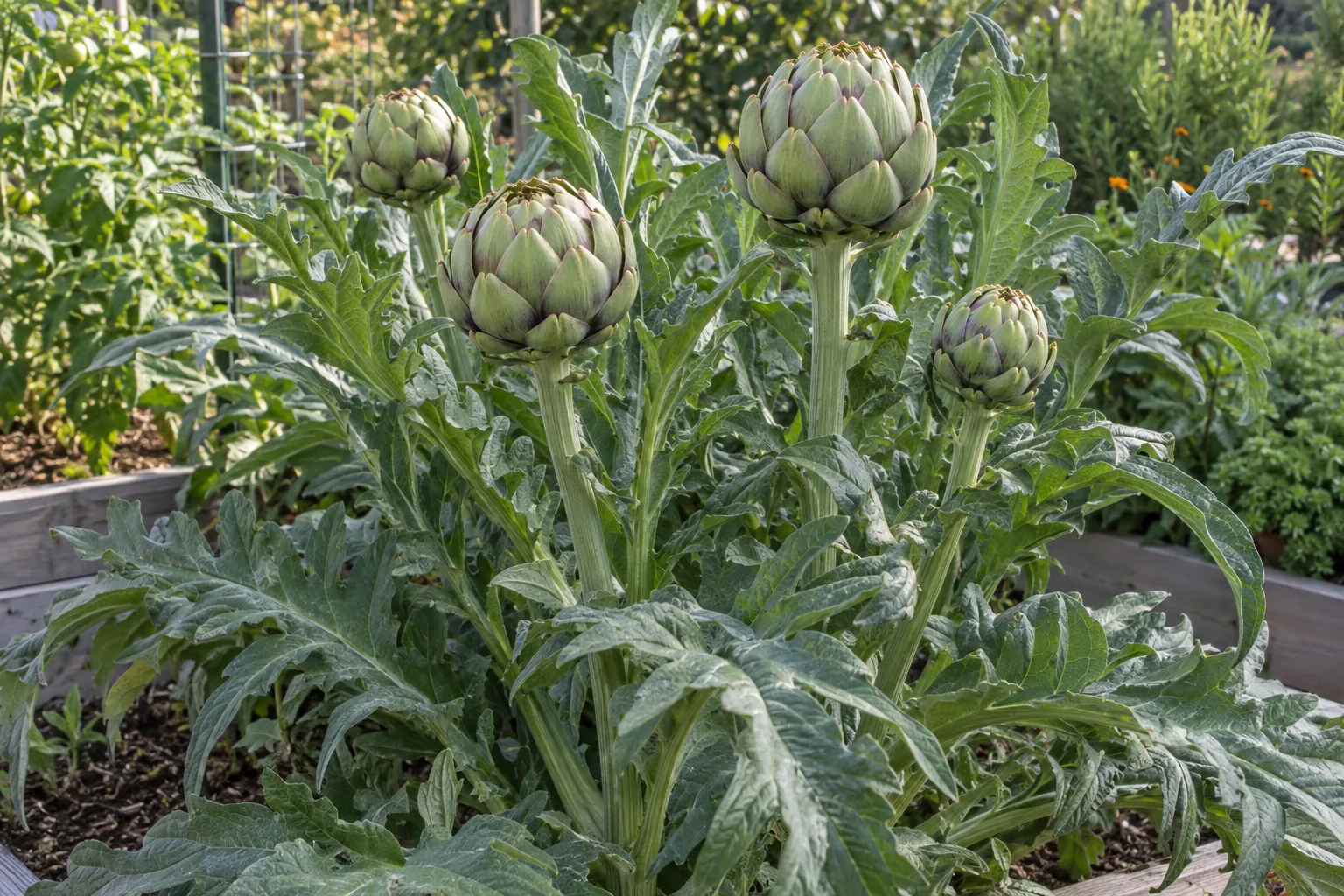
Green Globe artichoke (Cynara cardunculus var. scolymus ‘Green Globe’) is a large, architectural edible perennial grown for its tender immature flower buds and deeply divided, silvery foliage. Special Features Edible flower buds; bold ornamental foliage; showy flowers attract bees when buds are left unharvested. Problems & Solutions Extreme heat can scorch foliage and cause dormancy; […]
Daisy Mandarin
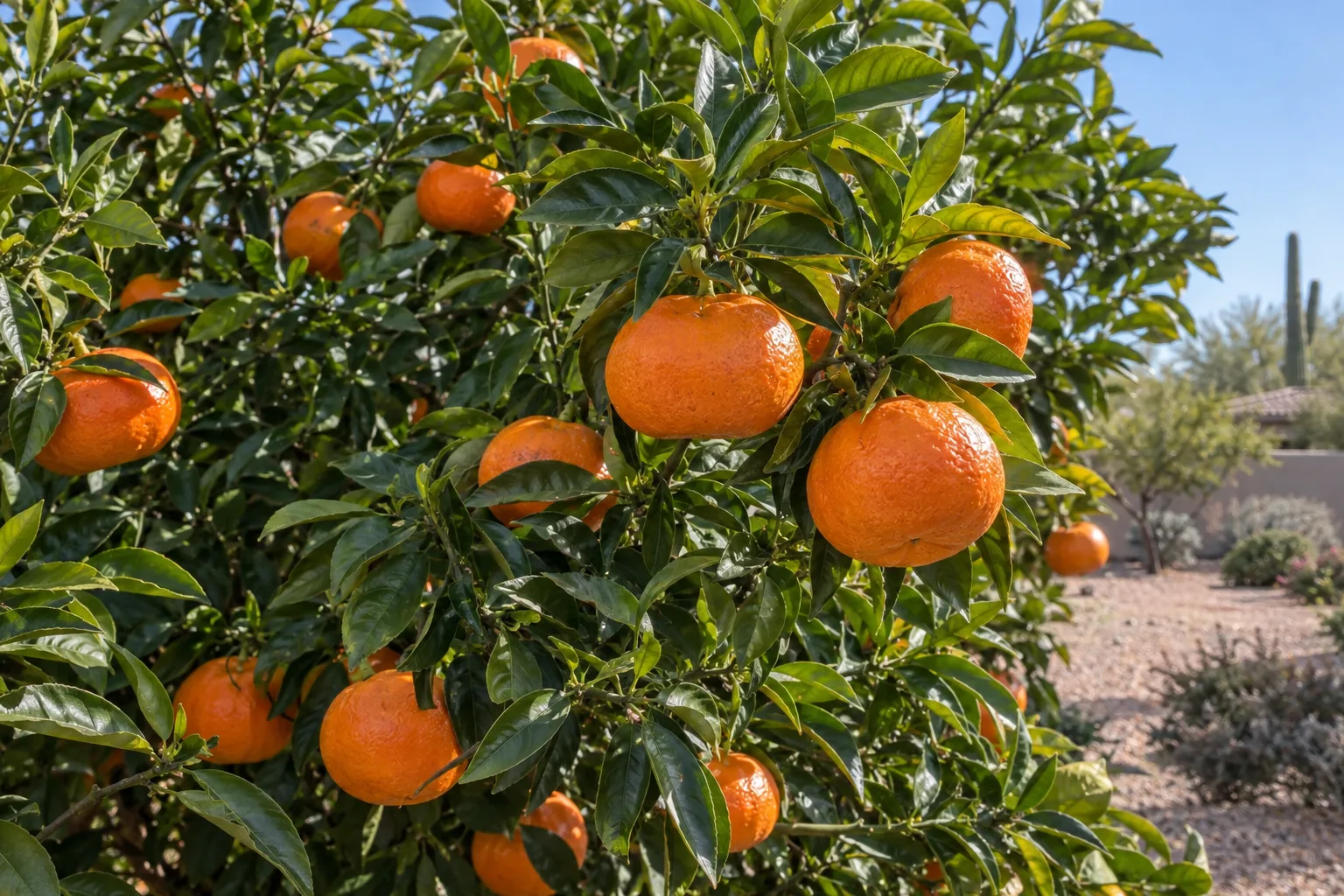
Daisy mandarin is a vigorous citrus hybrid of Fortune and Fremont mandarins, producing medium to large, richly flavored fruit with deep orange, relatively easy-to-peel rind. Special Features Sweet-tart, juicy fruit; fragrant flowers; self-fruitful. Standard Daisy fruit can be seedy, especially with nearby citrus pollen sources; DaisySL is a separate low-seeded selection. Problems & Solutions Summer […]