

Agave Neo Mexicana
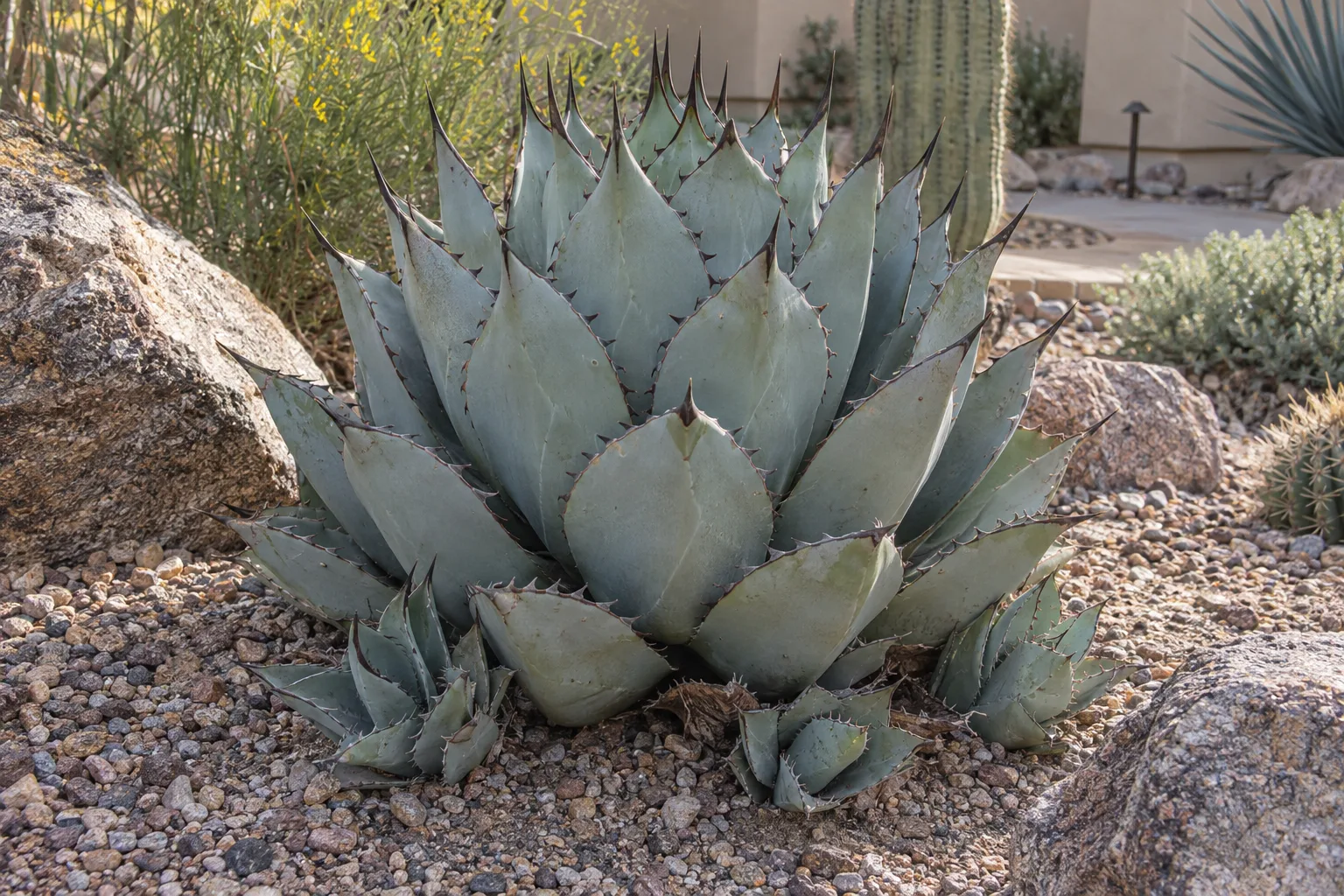
A compact agave native to New Mexico and western Texas, with stiff, blue-gray leaves edged in dark teeth and tipped with sharp terminal spines. Also classified as Agave parryi subsp. neomexicana. Special Features Sculptural blue-gray rosettes; excellent drought tolerance and exceptional cold hardiness for an agave. Best protected from intense reflected heat in Phoenix. Problems […]
Agave Decipiens
Assuming ‘Agave desipens’ refers to Agave decipiens (false sisal), a large, trunk-forming agave native to Florida with long green leaves, toothed margins, and sharp terminal spines. Special Features Bold architectural foliage; drought and salt tolerance; produces offsets and often plantlets on the flower stalk. Problems & Solutions Agave snout weevil can cause collapse; inspect plants […]
Agave Sisalana
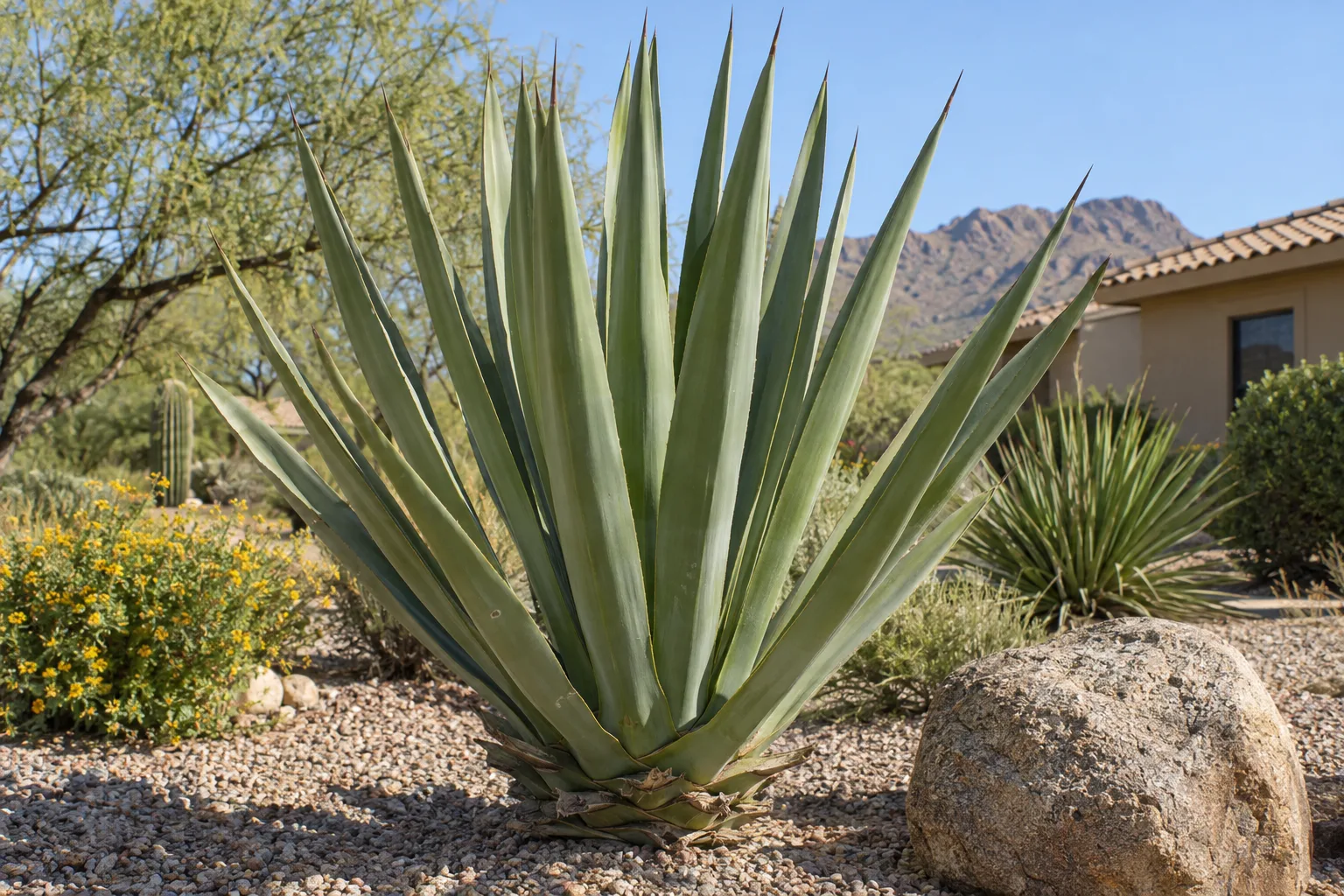
Large, architectural agave grown commercially for sisal fiber. Forms rosettes of stiff, sword-shaped green leaves with mostly smooth margins and sharp terminal spines. Special Features Source of strong sisal fiber; bold architectural form; heat and drought tolerant once established; produces offsets and flower-stalk plantlets. Problems & Solutions Less cold-hardy than many landscape agaves; protect from […]
Aloe wickensii
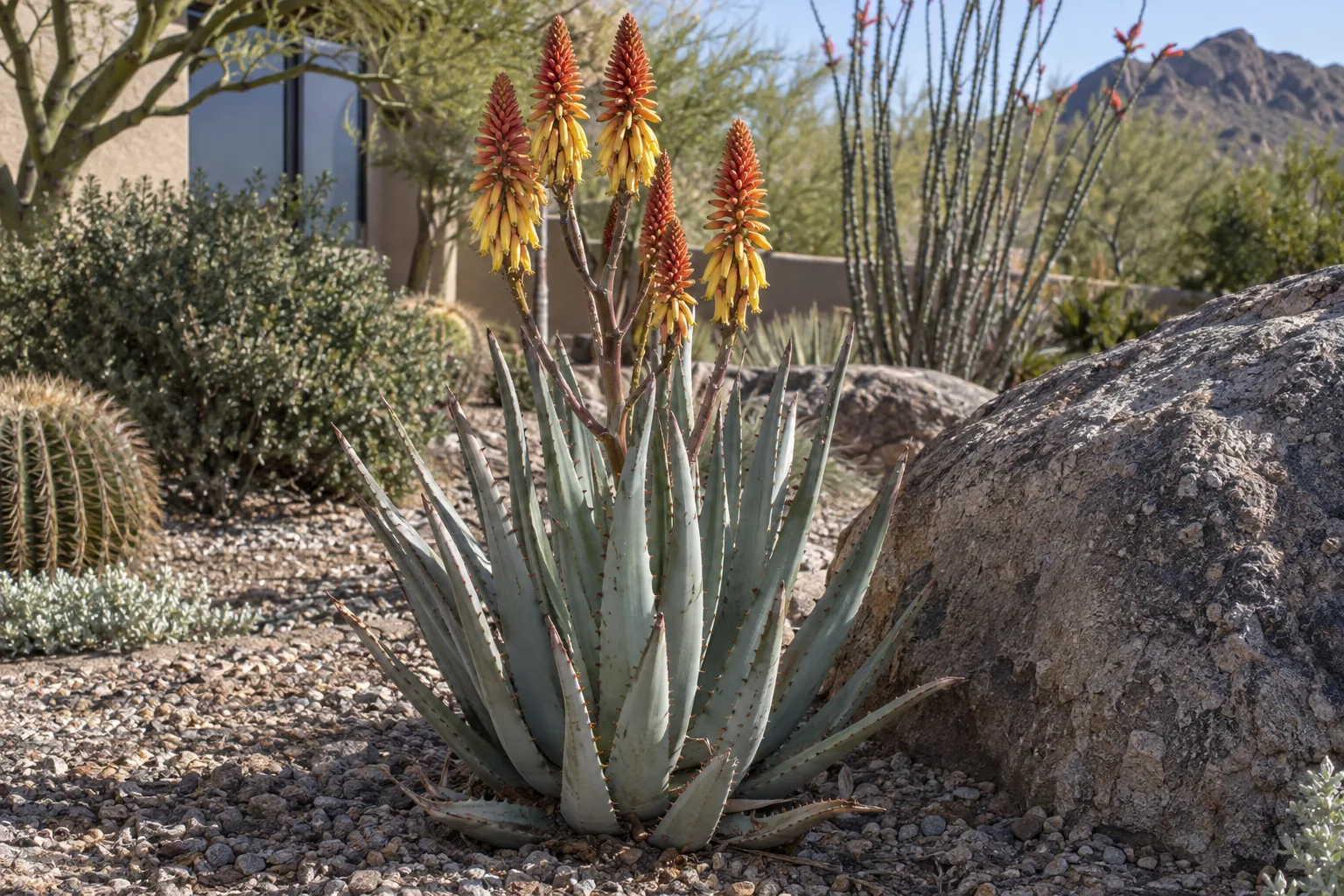
A striking South African aloe with a usually solitary rosette of blue-gray, toothed leaves and showy, two-toned red-and-yellow flower spikes. Special Features Distinctive bicolored flowers attract hummingbirds and other nectar feeders; drought tolerant once established. Problems & Solutions Root and crown rot in wet soil: ensure excellent drainage and avoid frequent watering. Intense afternoon sun […]
Argyranthemum Frutescens Angelic Sweets
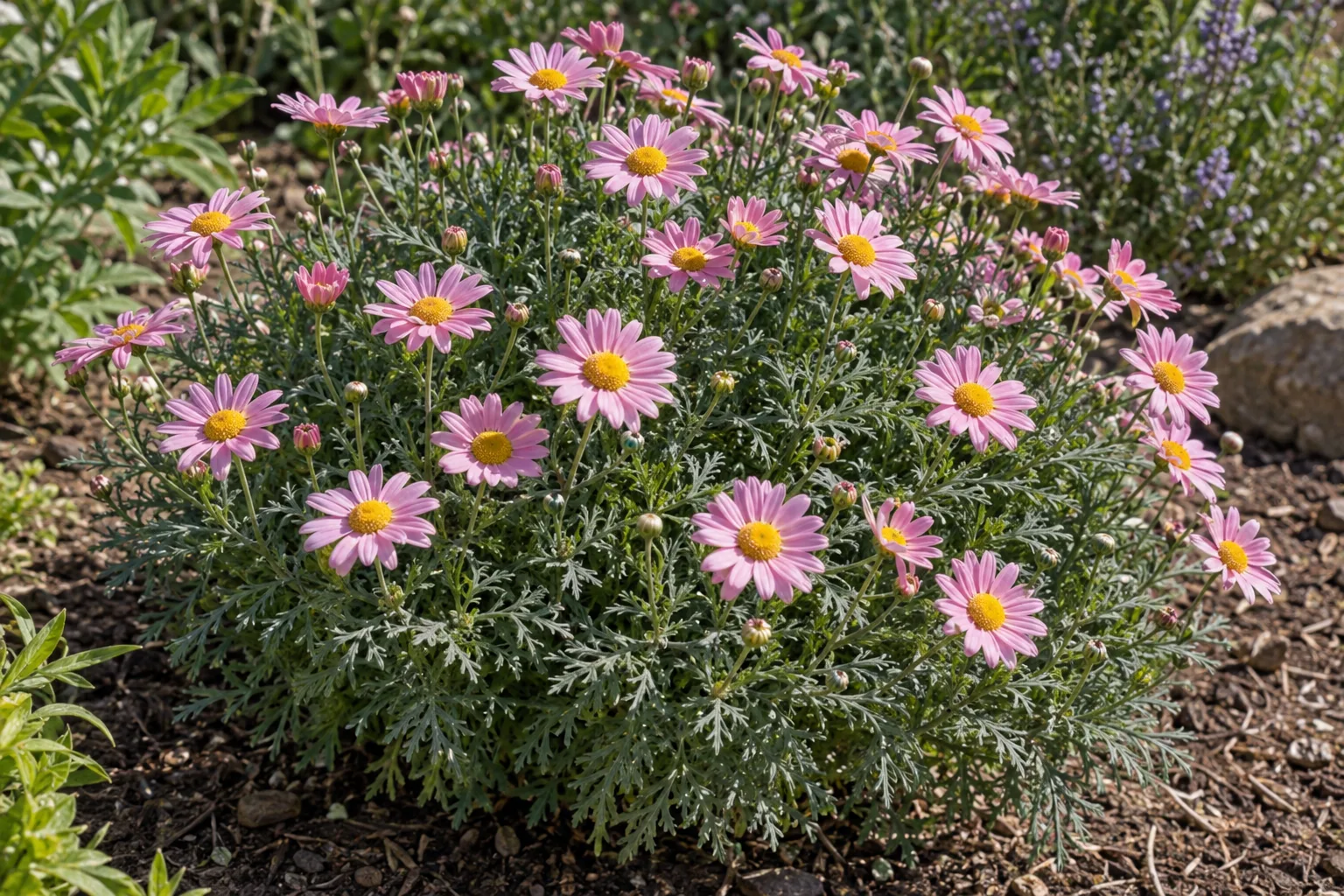
A compact, mounding subshrub with finely divided gray-green foliage and profuse daisy-like flowers. Blooms heavily in cool seasons and performs well as a seasonal accent or mixed border plant. Best treated as a cool-season annual in the low desert. Special Features Long cool-season bloom; attracts pollinators; good for containers and borders Problems & Solutions Declines […]
Argyranthemum frutescens Angelic Maize Improved
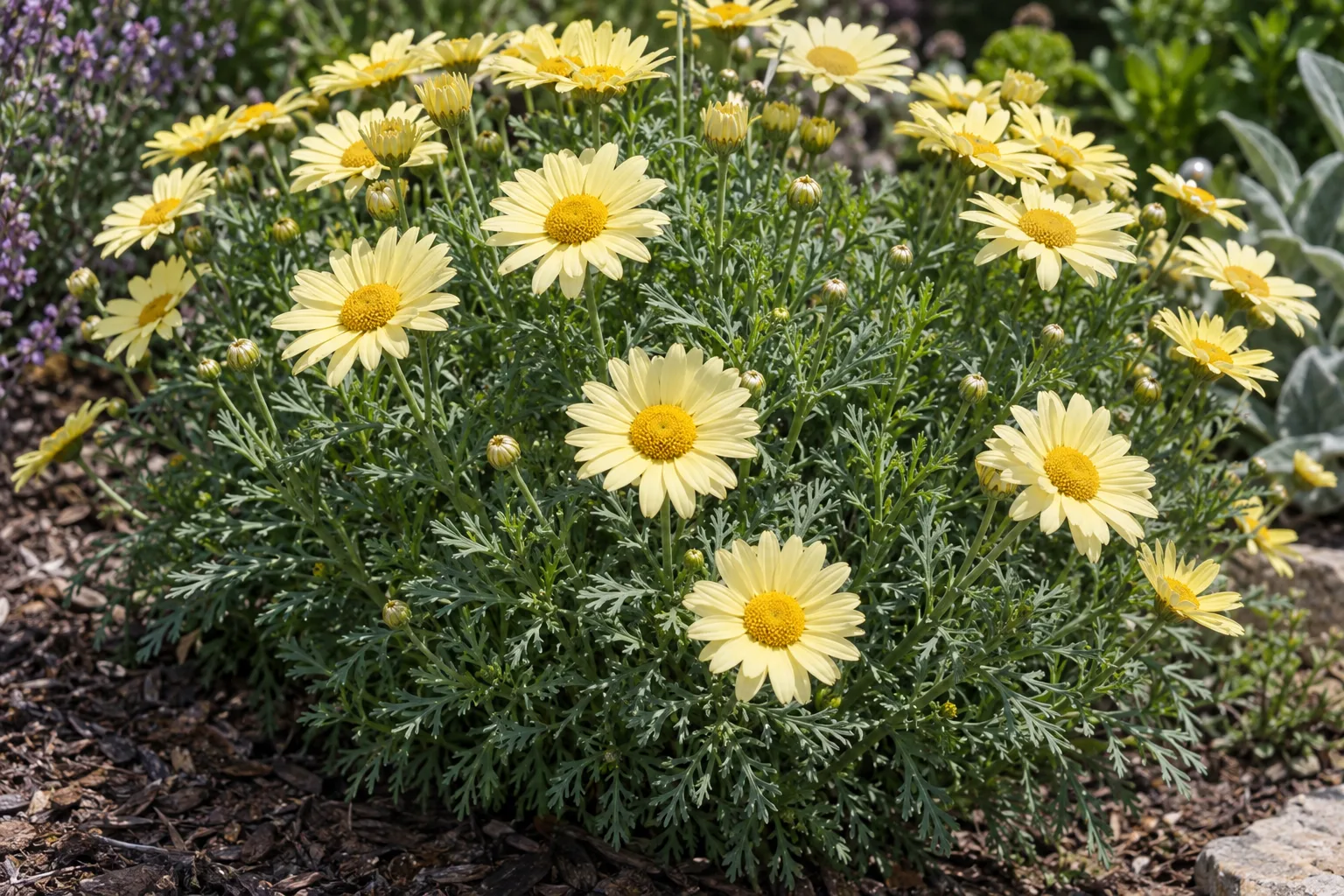
A compact, mounding perennial grown as a cool-season annual in low-desert climates. Produces an abundance of daisy-like flowers in warm yellow shades. Best planted in fall in Phoenix, as it declines in intense summer heat. Special Features Long cool-season bloom; attracts butterflies and pollinators; good seasonal color Problems & Solutions Does not tolerate Phoenix summer […]
Bishop’s Cap
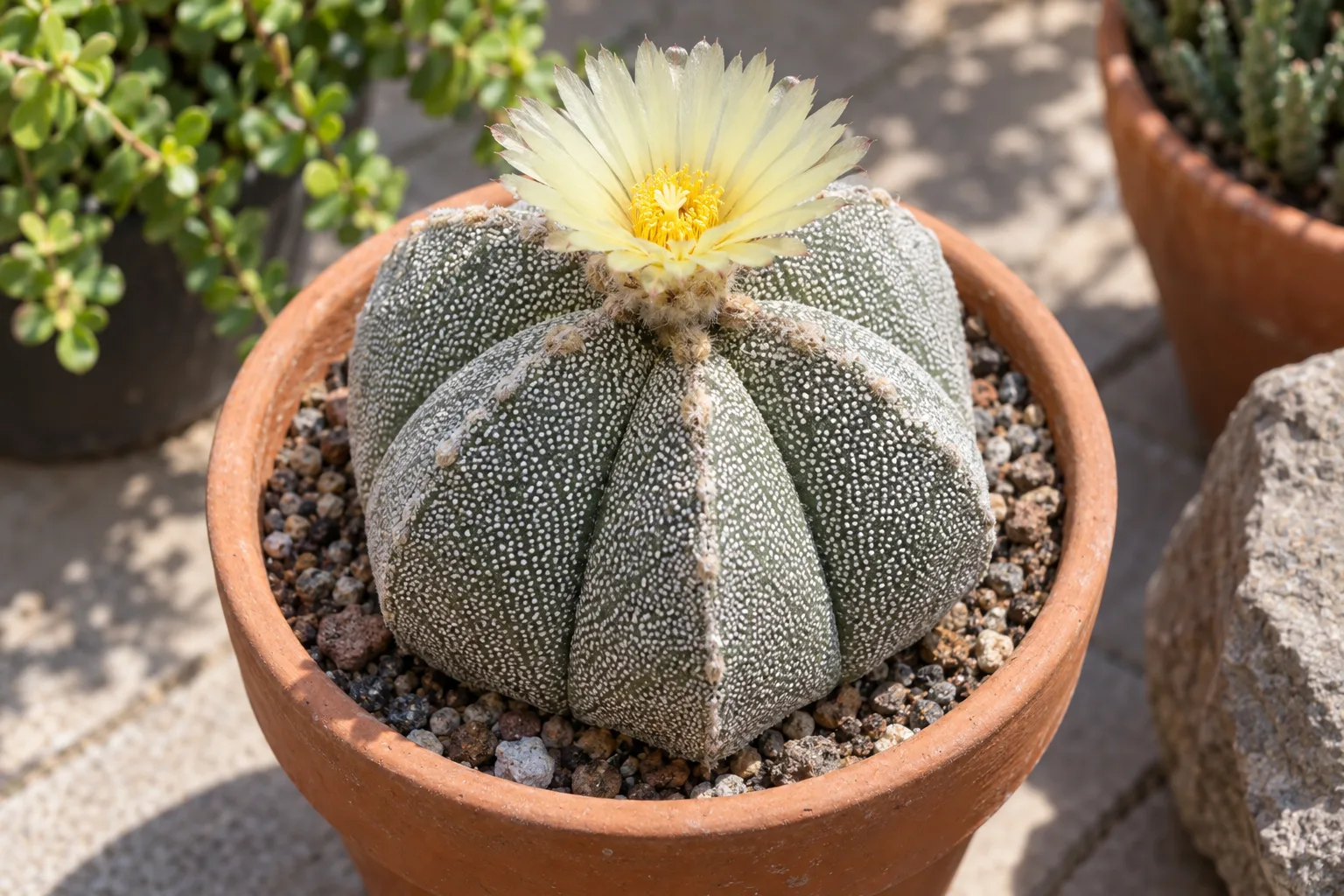
A spineless Mexican cactus with pronounced ribs, usually five, forming a bishop’s-cap shape. Tiny white flecks give its green surface a silvery appearance. Special Features Spineless, sculptural form; distinctive white flecking; drought tolerant and well suited to containers. Problems & Solutions Root and crown rot (provide excellent drainage and avoid watering during cold weather); sunburn […]
Blue Bell Emu Bush

A compact Australian shrub with soft, silvery-gray foliage and abundant blue-violet flowers, well suited to Phoenix desert landscapes. Special Features Heat and drought tolerant; soft silver foliage provides year-round contrast; flowers attract hummingbirds and pollinators. Problems & Solutions Root rot in wet or poorly drained soil: improve drainage and avoid frequent irrigation. Sparse growth in […]
California Fan Palm

A large, desert-native palm with a stout trunk and broad, fan-shaped leaves edged with curling white fibers. Old fronds naturally form a hanging skirt around the trunk. Special Features Strong architectural form; excellent desert heat tolerance; cold hardy in Zone 9b; fruits attract birds and other wildlife. Problems & Solutions Poor drainage can cause root […]
Desert Agave
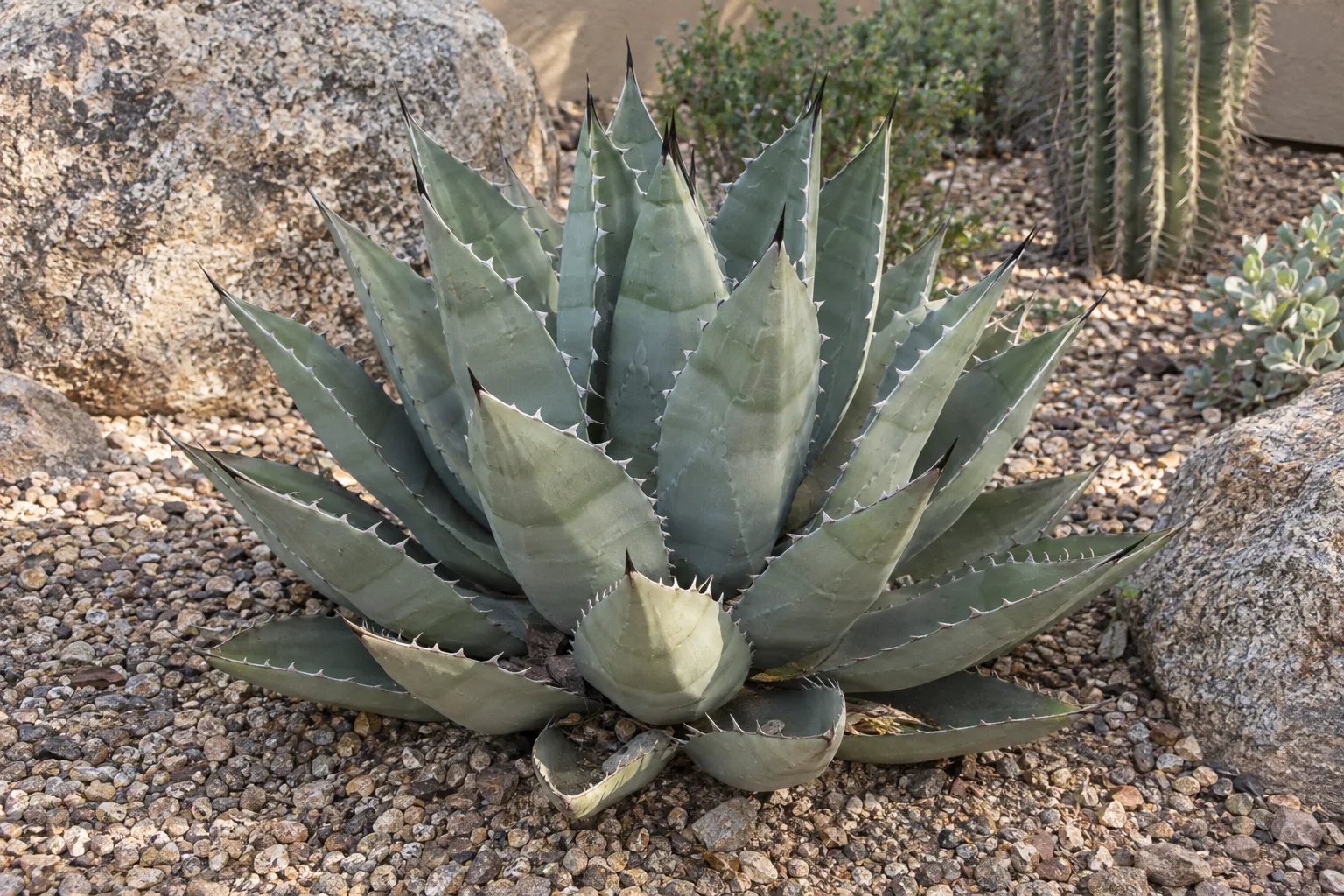
Agave deserti is a desert-native succulent with compact rosettes of thick, narrow, gray-green leaves edged with sharp teeth and tipped with stout spines. Special Features Highly drought tolerant; sculptural foliage; native to the deserts of the southwestern United States and northwestern Mexico; flowers attract pollinators. Problems & Solutions Overwatering and poor drainage cause root or […]