Low water once established. Water deeply, then let the root zone dry; provide occasional supplemental irrigation during prolonged summer heat. Water newly planted specimens more regularly while roots establish.
Size
6-12 ft tall × 4-6 ft wide
Habit
Rosette succulent
Toxicity
Toxic — Pets
Description
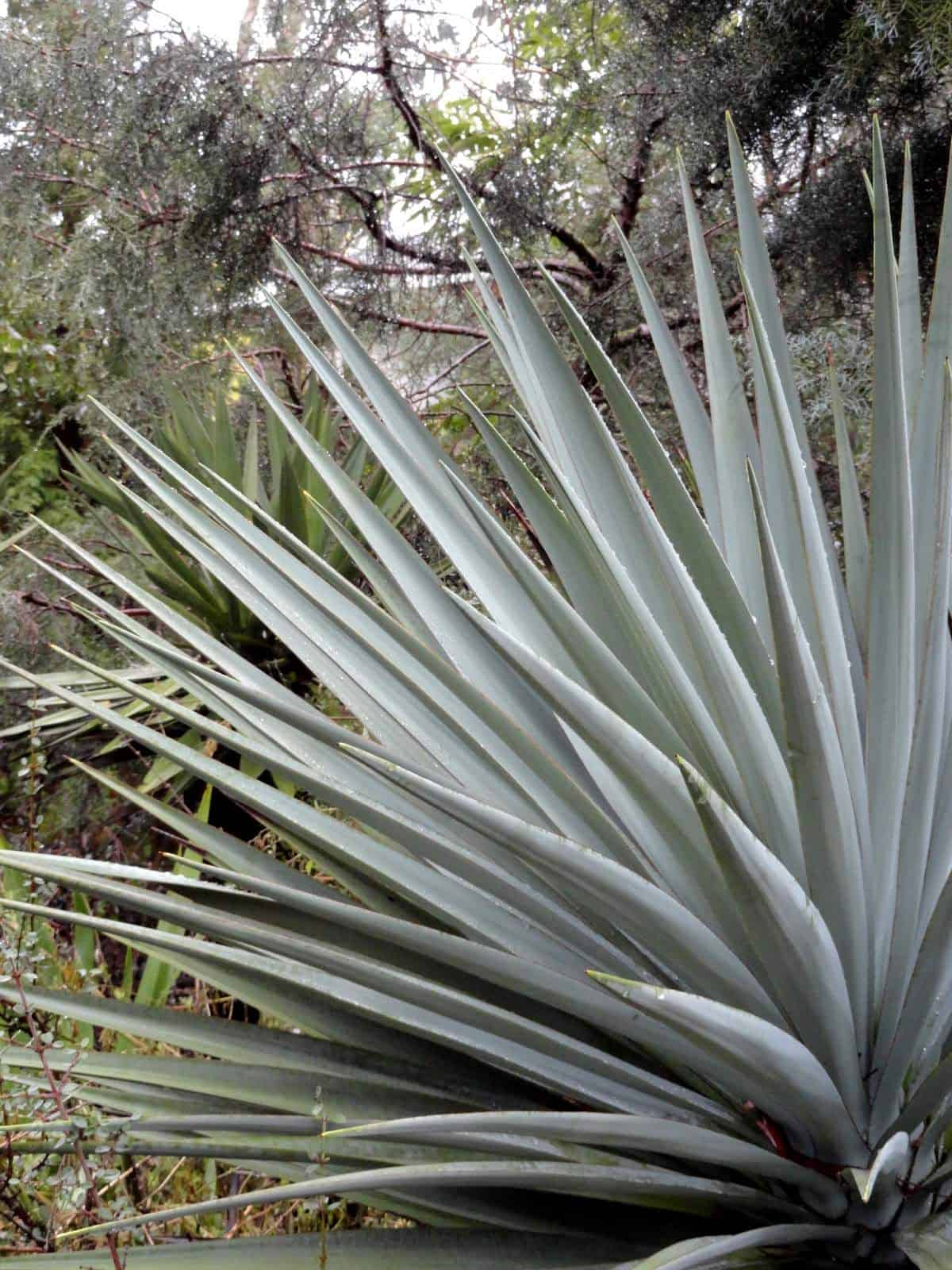
A trunk-forming yucca with rosettes of long, blue-green leaves and dramatic summer flowers. The name Yucca montana is used inconsistently in horticulture; confirm identification, as mountain yucca is also sold under Yucca madrensis or Yucca schottii.
Light: Full sun to light shade; afternoon shade is beneficial in Phoenix, especially for young plants. Avoid intense reflected heat from west-facing walls.
Water: Low water once established. Water deeply, then let the root zone dry; provide occasional supplemental irrigation during prolonged summer heat. Water newly planted specimens more regularly while roots establish.
Soil: Very well-drained sandy, gravelly, or rocky soil. Plant on a raised mound where native soil drains poorly; keep the crown above standing water.
Mature size: Typically 10–15 feet tall and 5–8 feet wide, sometimes taller with age; ultimate size depends on the plant sold under this name.
Bloom: Typically late spring through summer on mature plants; flowering may not occur every year. Unlike most agaves, the plant does not die after flowering.
Evergreen / deciduous: Evergreen.
Growth rate: Slow to moderate, depending on moisture, temperature, and establishment.