

Agave Cubic

Commonly sold as Agave potatorum ‘Cubic’, this unusual compact agave has thick, blue-gray leaves with angular folds and ridges, toothed edges, and sharp terminal spines. Special Features Distinctive angular leaf structure; compact form; drought tolerant once established; well suited to specimen containers. Problems & Solutions Overwatering causes root and crown rot; ensure drainage and allow […]
Agave Neo Mexicana
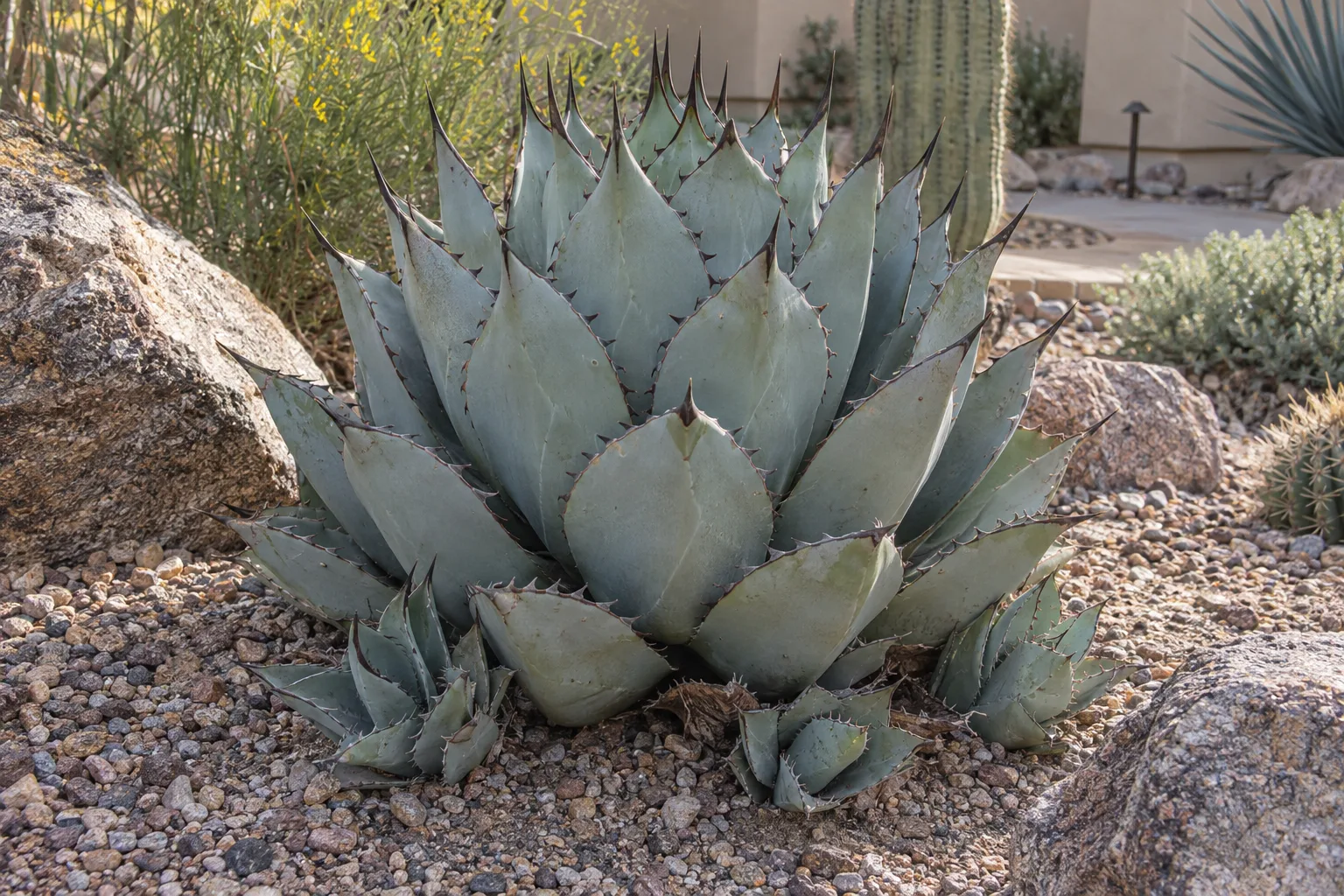
A compact agave native to New Mexico and western Texas, with stiff, blue-gray leaves edged in dark teeth and tipped with sharp terminal spines. Also classified as Agave parryi subsp. neomexicana. Special Features Sculptural blue-gray rosettes; excellent drought tolerance and exceptional cold hardiness for an agave. Best protected from intense reflected heat in Phoenix. Problems […]
Alba Bunny Ears
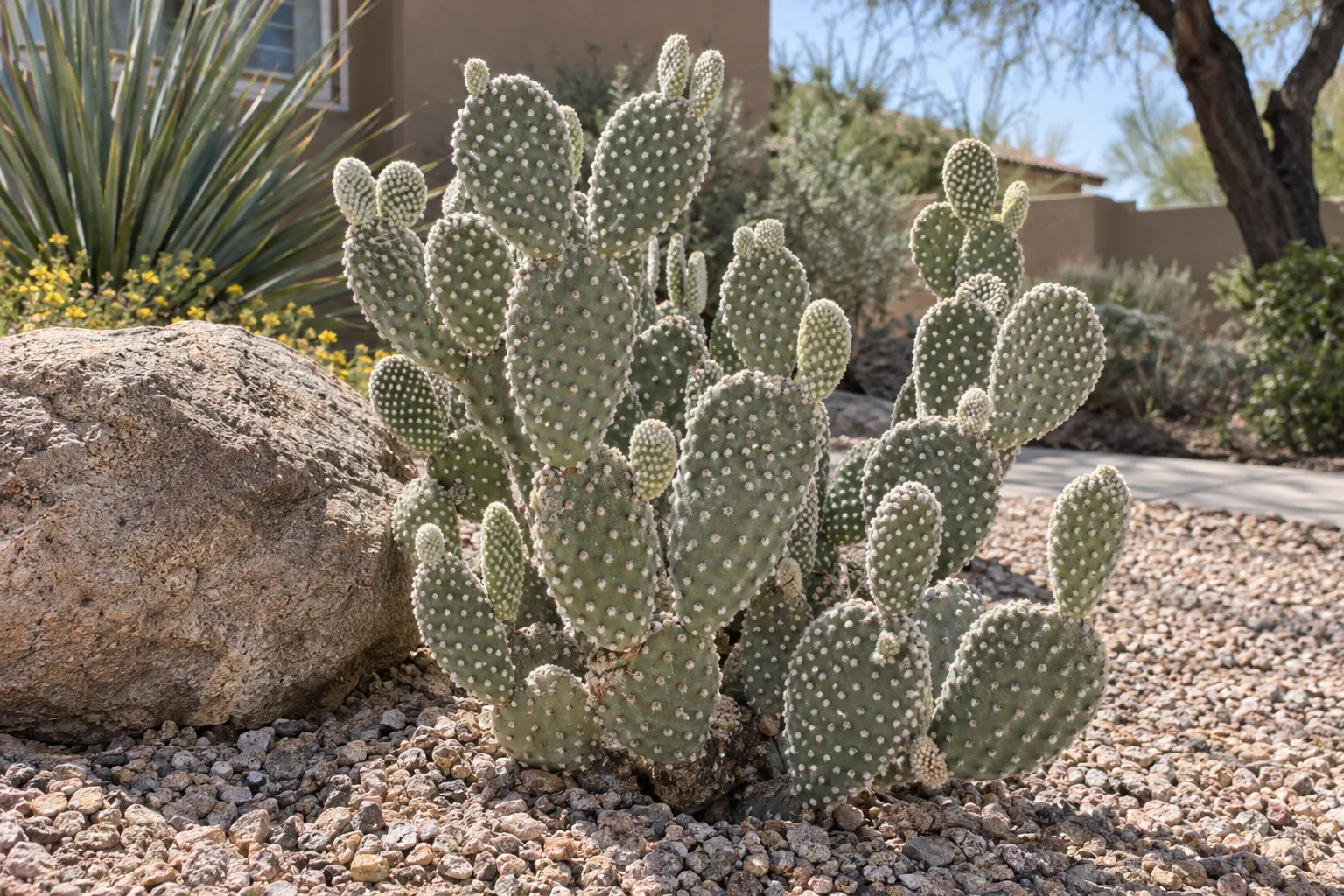
A compact, shrubby cactus with oval green pads dotted with dense white glochids, forming paired pads that resemble bunny ears. Commonly sold as Opuntia microdasys ‘Alba’. Special Features Distinctive white-dotted pads; drought tolerant once established; sculptural form. Appears soft but has tiny, barbed glochids that readily penetrate skin. Problems & Solutions Overwatering causes root and […]
Agave Titanota Dakota
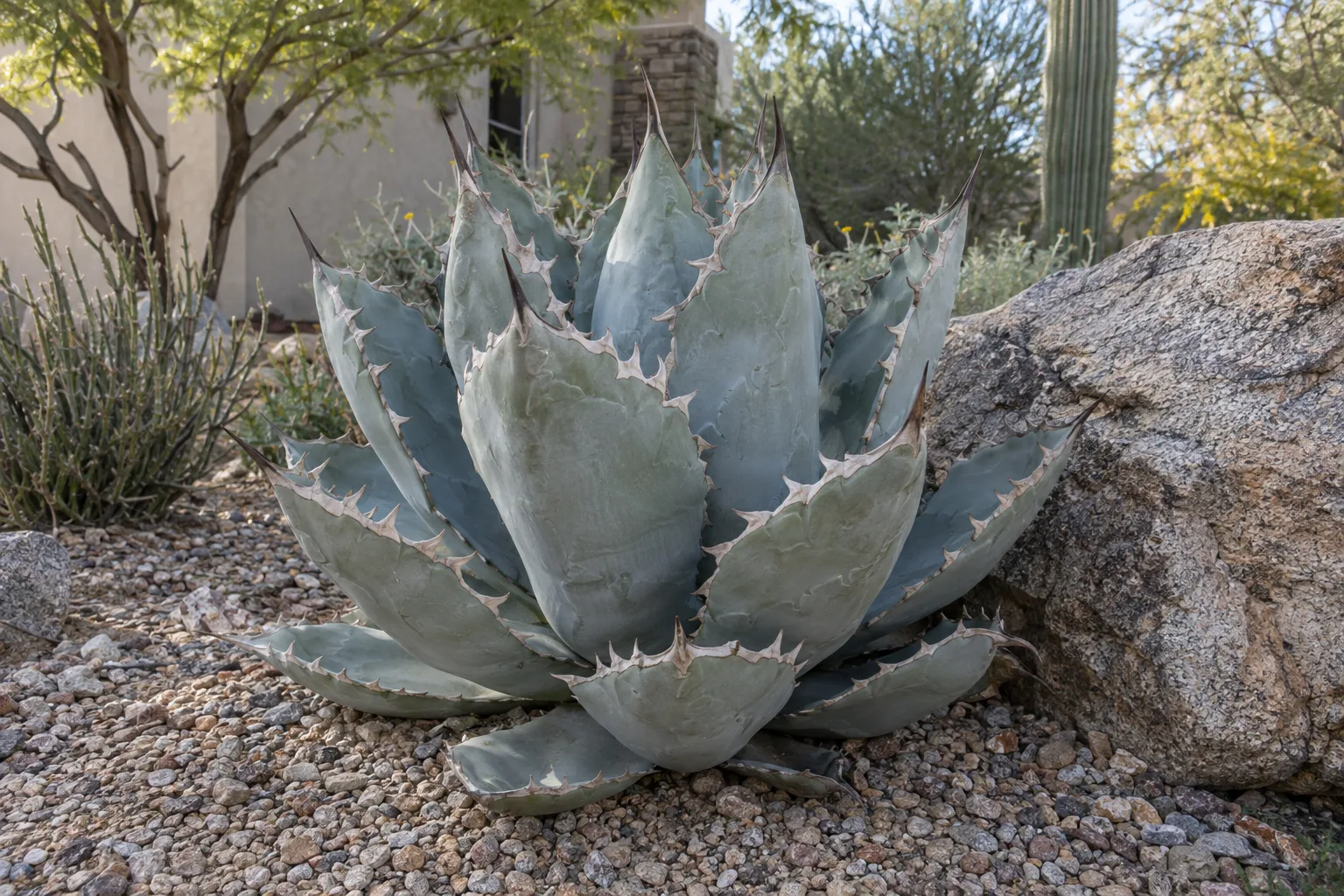
A sculptural agave sold as ‘Dakota’, forming a compact rosette of broad, thick blue-green leaves edged with prominent teeth and tipped with sharp terminal spines. Special Features Bold architectural form, dramatic marginal teeth, and excellent drought tolerance once established. Problems & Solutions Overwatering causes root and crown rot; provide drainage and avoid persistent crown moisture. […]
Agave Titanota White Ice
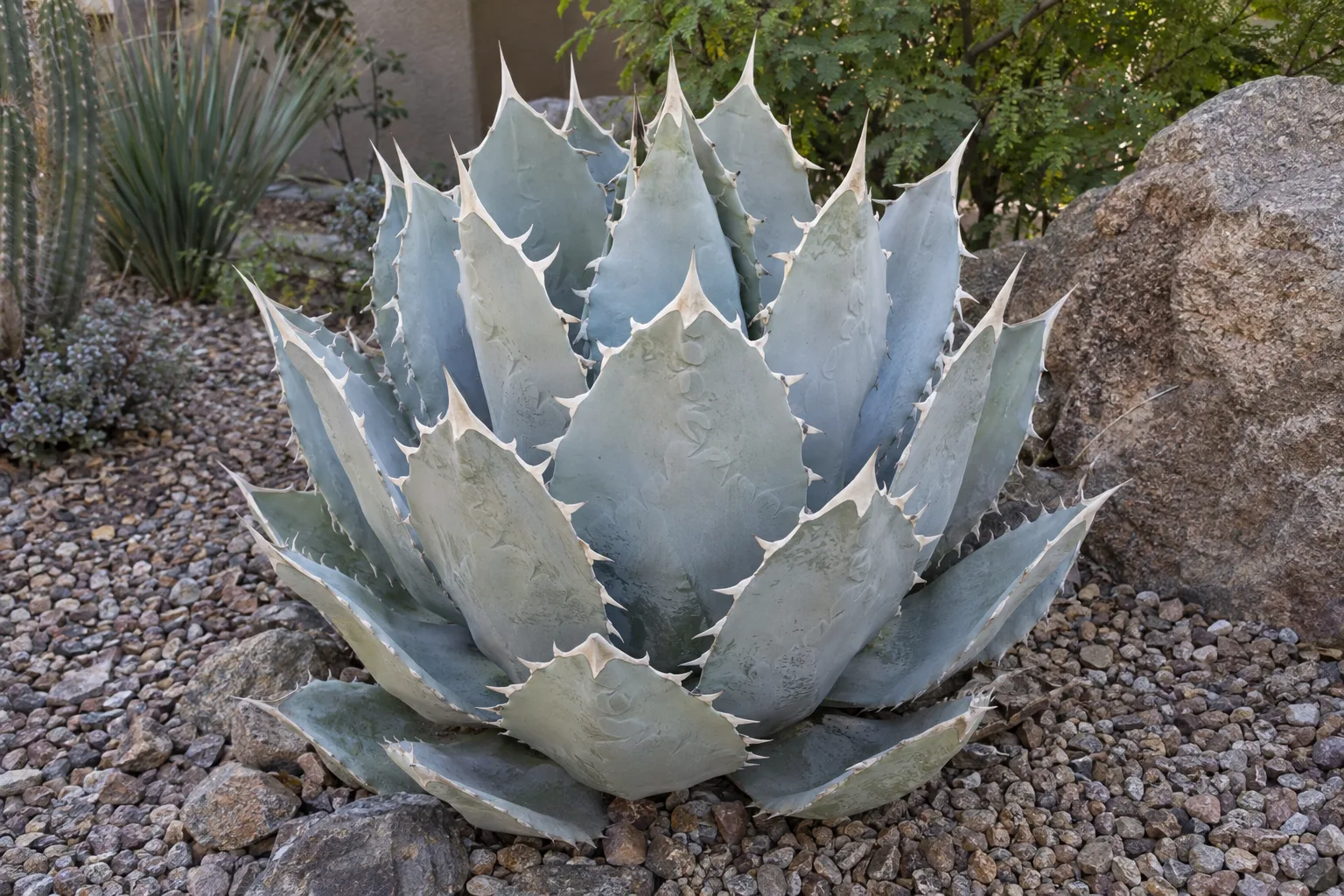
A sculptural agave with thick, broad, icy blue-gray leaves edged in prominent ivory-white teeth and tipped with sharp terminal spines. Special Features Striking white teeth, powdery blue foliage, and a compact architectural form; drought tolerant once established. Problems & Solutions Overwatering causes root and crown rot; provide drainage and avoid persistent crown moisture. Protect from […]
Bishop’s Cap
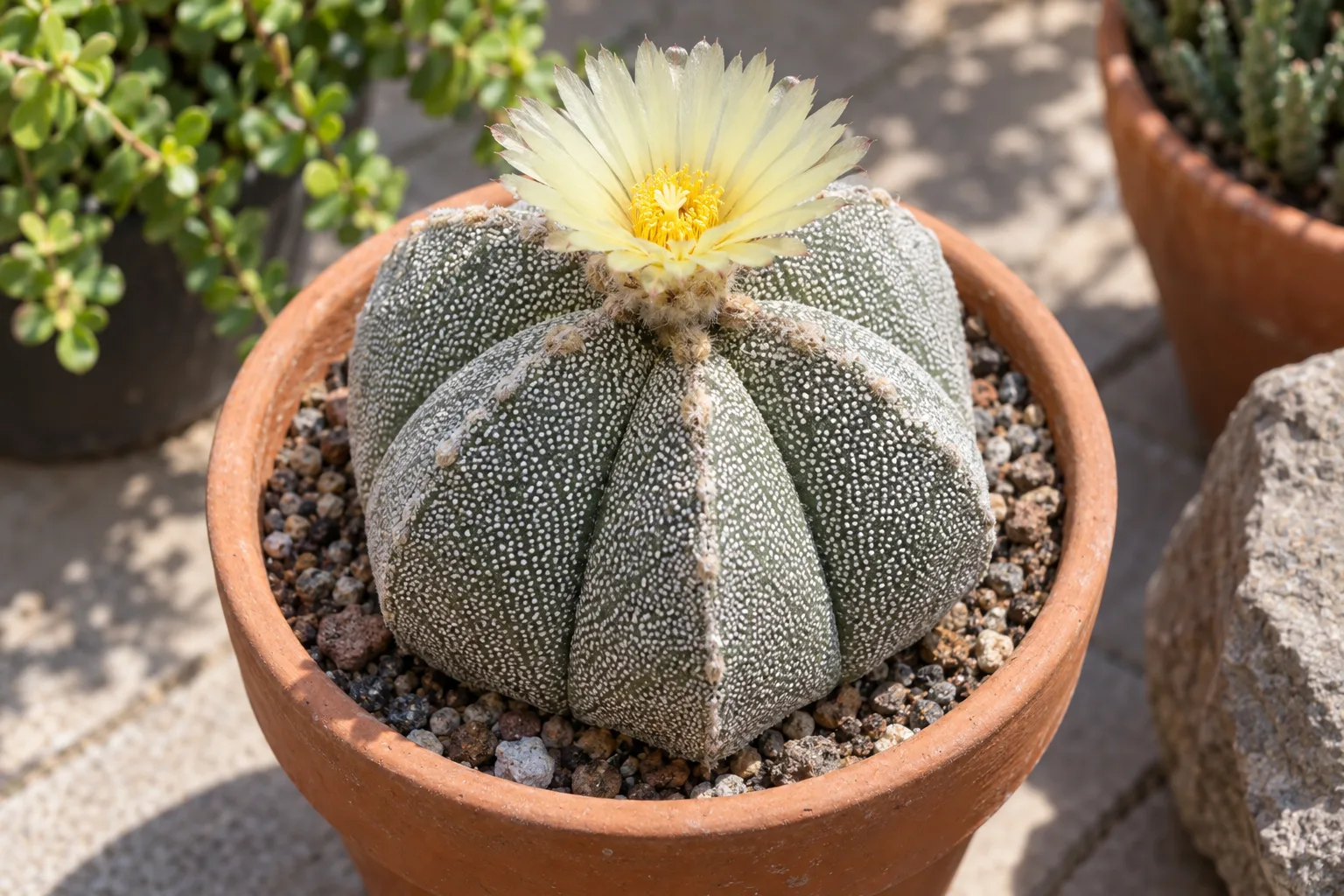
A spineless Mexican cactus with pronounced ribs, usually five, forming a bishop’s-cap shape. Tiny white flecks give its green surface a silvery appearance. Special Features Spineless, sculptural form; distinctive white flecking; drought tolerant and well suited to containers. Problems & Solutions Root and crown rot (provide excellent drainage and avoid watering during cold weather); sunburn […]
Mexican Blue Palm (Blue Hesper Palm)
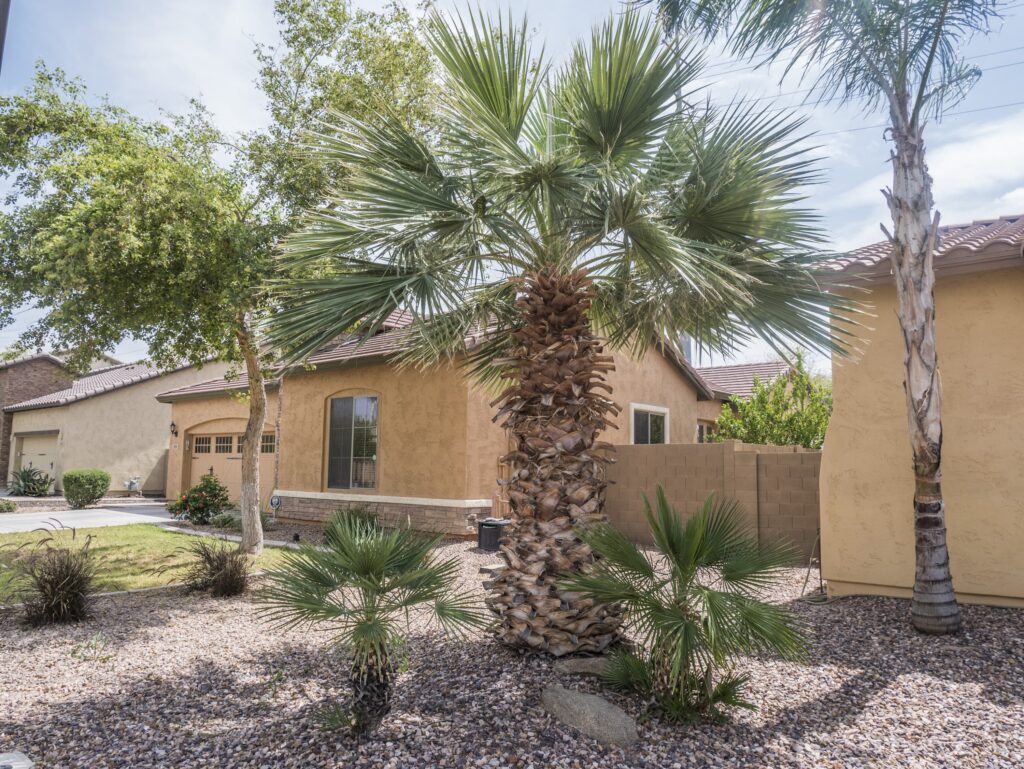
A striking desert palm native to Baja California, commonly called Mexican blue palm, with stiff, silvery-blue fan-shaped leaves and a stout, solitary trunk. Special Features Dramatic blue foliage; excellent heat and drought tolerance once established; cold hardy to approximately 15–20°F, depending on conditions. Problems & Solutions Poor drainage and overwatering can cause root rot; plant […]
Blue Barrel Eagle Claw
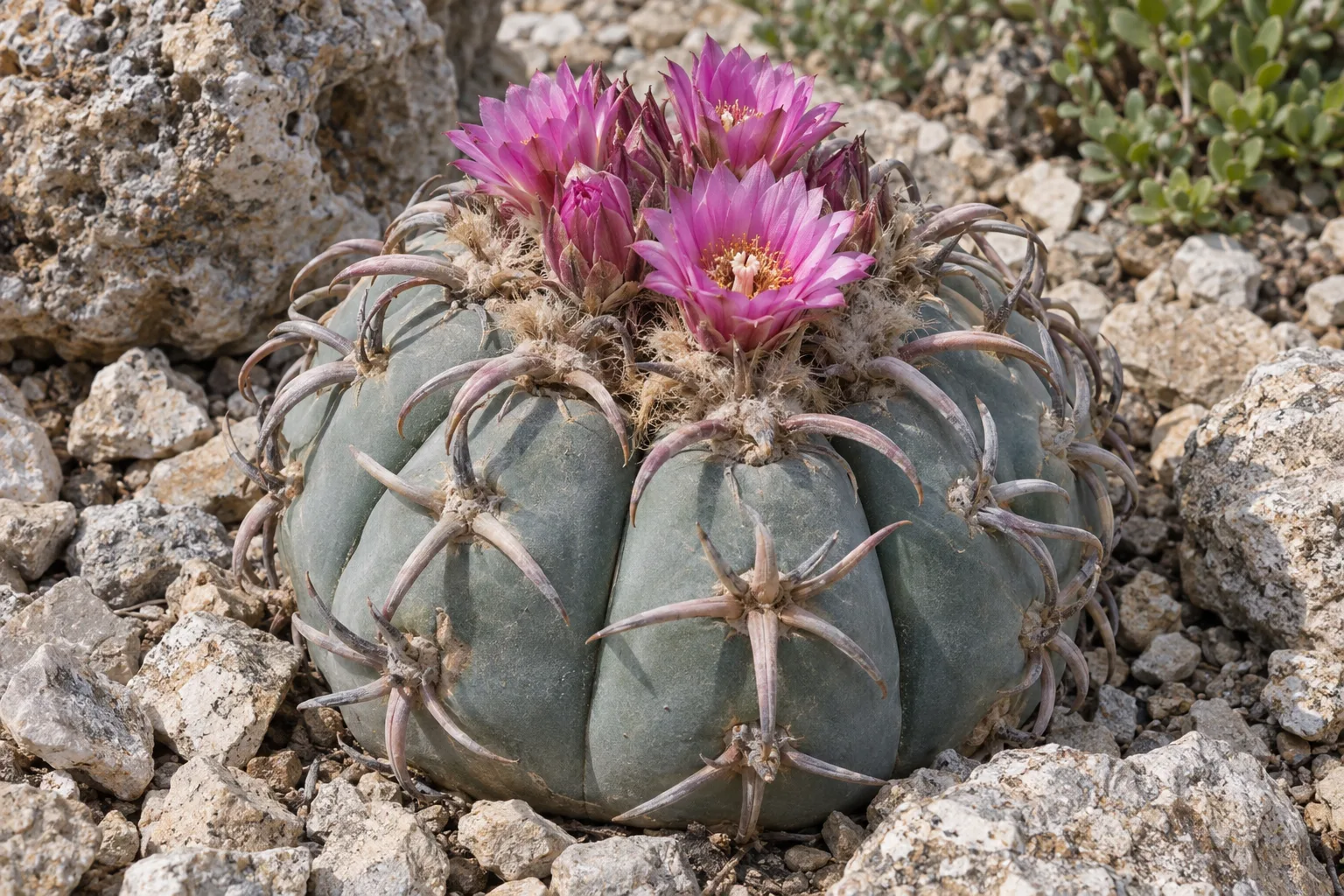
A small, slow-growing barrel cactus native to the southwestern United States and northern Mexico, with blue-gray ribs and stout, curved spines resembling eagle claws. Special Features Sculptural blue-gray body, distinctive curved spines, showy flowers, and excellent drought tolerance; well suited to small desert plantings. Problems & Solutions Prone to root and crown rot from excess […]
Boojum Tree
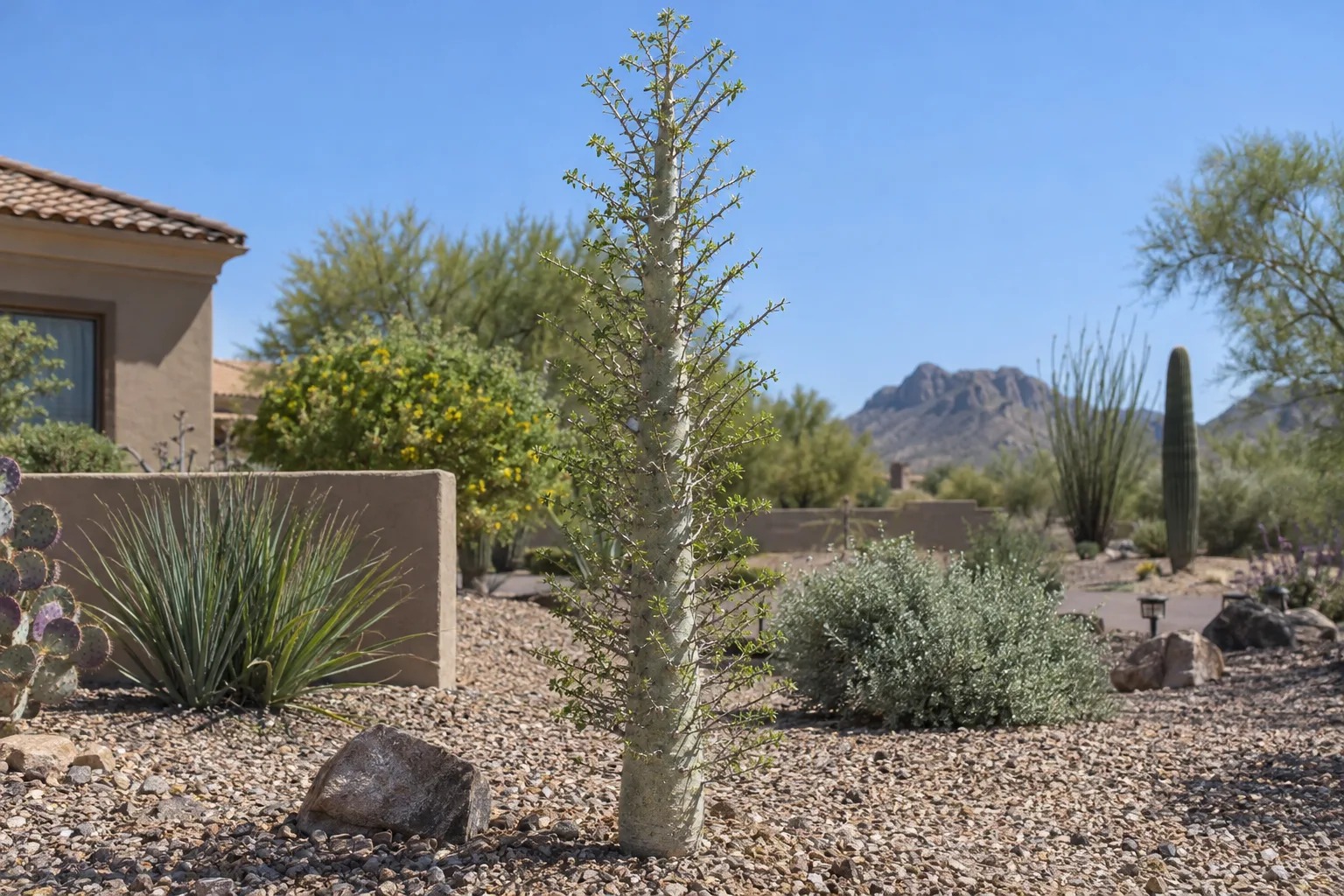
An unusual succulent tree native to Baja California and Sonora, with a thick, tapering trunk, spiny side branches, and small seasonal leaves. Special Features Dramatic sculptural silhouette; water-storing trunk; highly drought adapted. A specialty collector plant that requires careful siting in Phoenix. Problems & Solutions Root rot from poor drainage or excessive summer watering: maintain […]
Cactus ‘Specialty Mix’
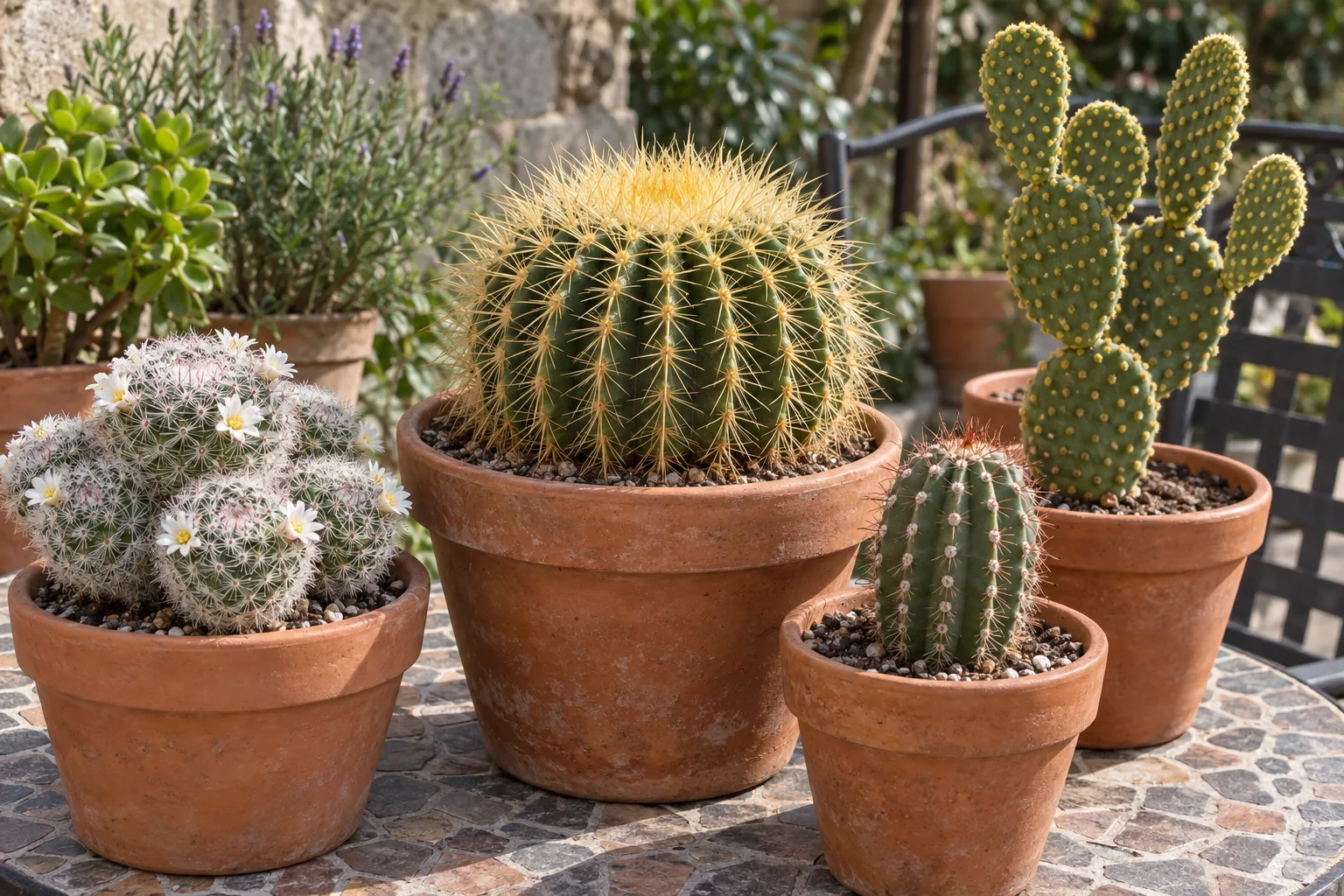
A trade label for an assortment of cactus species, not a single identified cultivar. Appearance, size, flowering, and cold tolerance depend on the plants included. Special Features Sculptural stems, varied spines, drought tolerance, and potentially showy flowers; heat and frost tolerance vary by species. Problems & Solutions Root rot: improve drainage and avoid watering wet […]