

Casuarina ‘Cousin It’
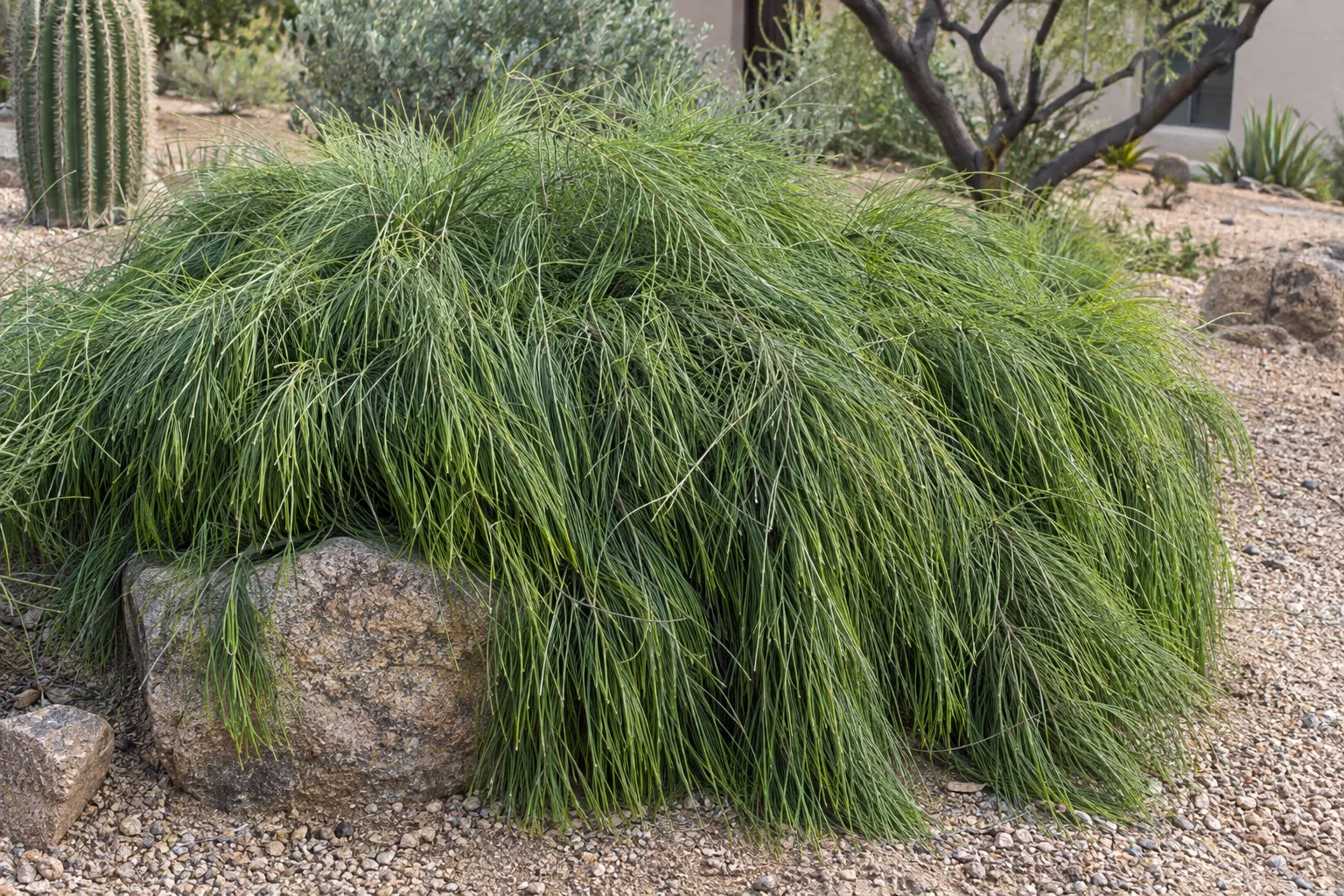
A low-growing Australian shrub with cascading, hairlike green branchlets that form dense, shaggy mounds. Its tiny true leaves are reduced to scales along the stems. Special Features Fine-textured, cascading foliage; drought and coastal salt tolerance once established; useful for softening walls and container edges. Problems & Solutions Extreme reflected heat and dry soil can cause […]
Carpet Rose

A low-growing landscape rose, usually a Flower Carpet-type Rosa hybrid, with glossy foliage and abundant clusters of flowers; characteristics vary by cultivar. Special Features Prolific flowering, relatively low maintenance, and good disease resistance; most cultivars rebloom without deadheading. Problems & Solutions Hot afternoon sun can scorch foliage and flowers; provide afternoon shade. Spider mites may […]
Cascalote
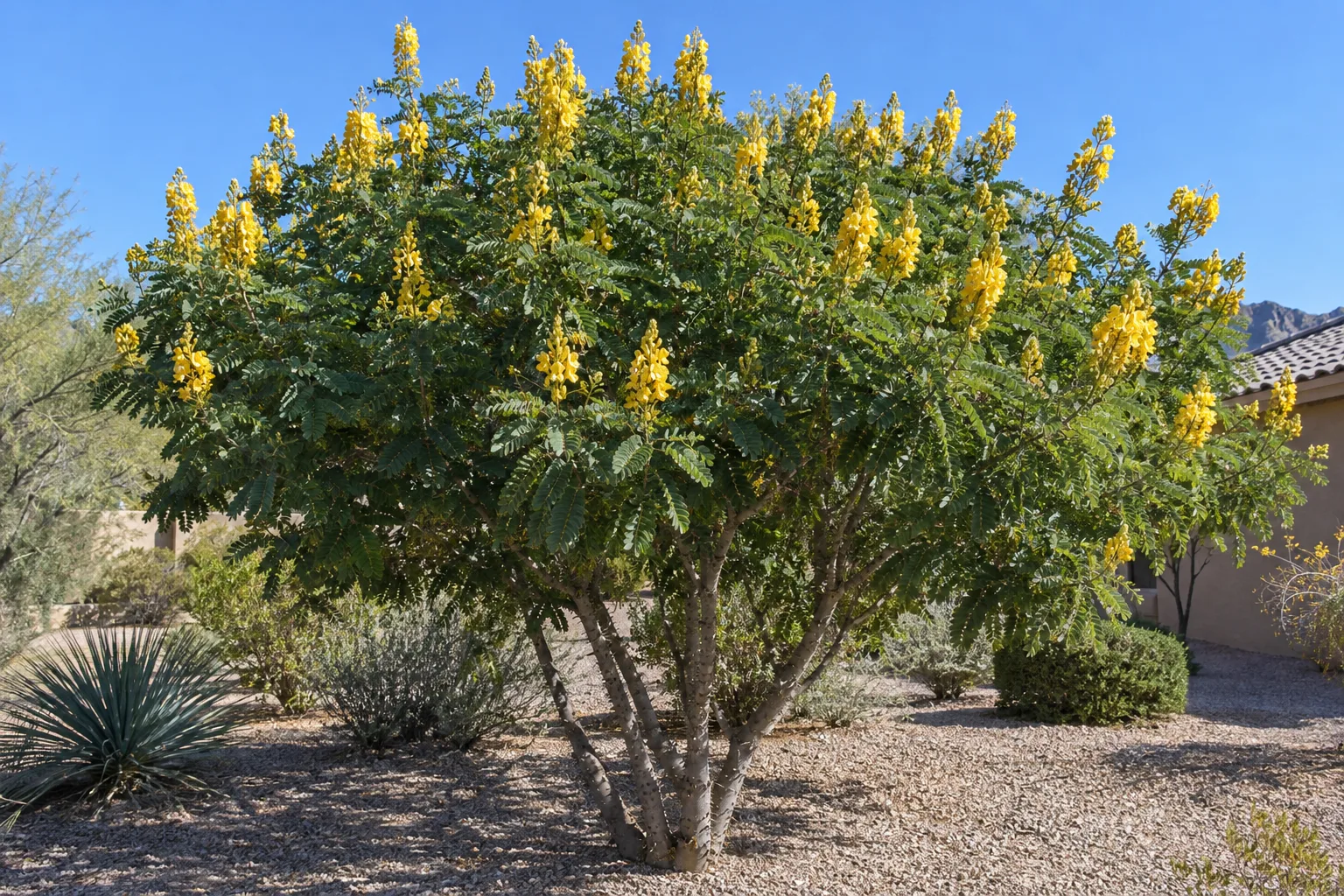
A small Mexican native tree with rounded, compound leaves, thorny branches, and showy yellow flowers during Phoenix’s cooler months. Special Features Heat and drought tolerant; provides cool-season flowers that attract pollinators. Prominent conical thorns add distinctive texture. Problems & Solutions Frost can damage foliage and tender growth, especially near or below 25°F; choose a warm, […]
Chandler Pummelo
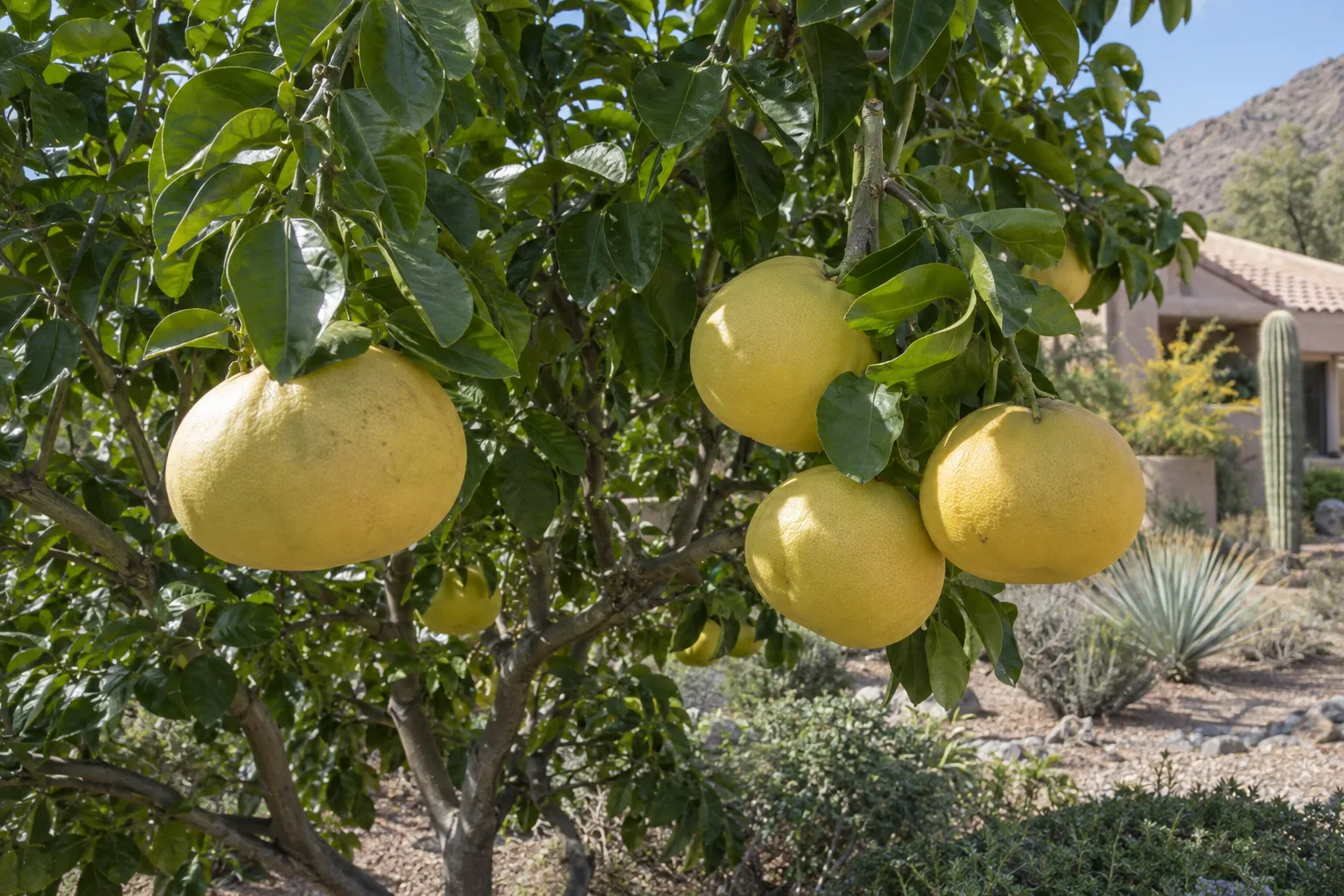
A large-fruited pummelo cultivar producing thick-rinded citrus with pink flesh and a sweet to mildly tart flavor. Well suited to Phoenix when provided regular irrigation, good drainage, and frost protection. Special Features Very large, pink-fleshed fruit; fragrant flowers; glossy foliage. Self-fruitful, though cross-pollination can increase seediness. Problems & Solutions Frost can damage foliage and fruit […]
Champagne Loquat
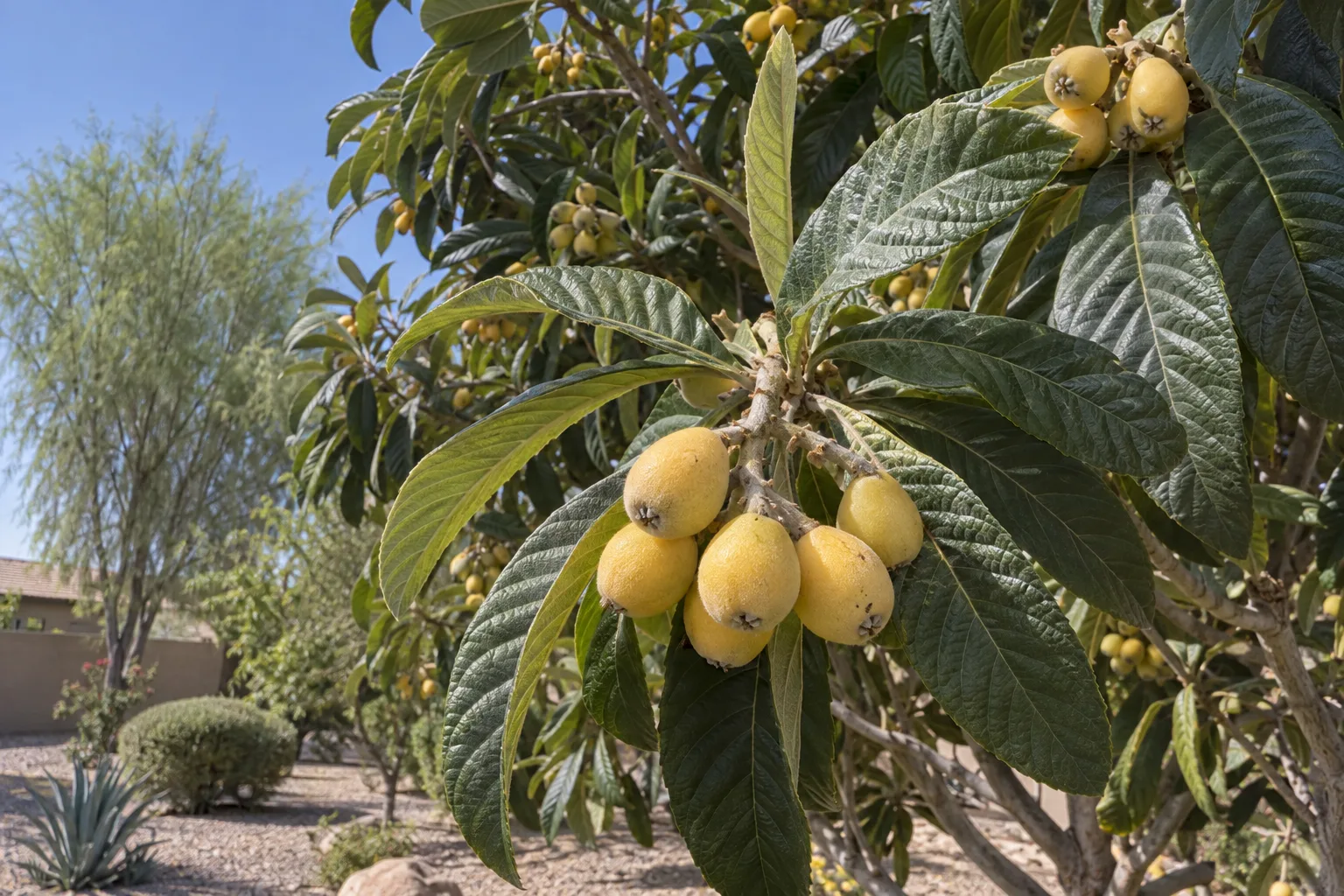
An evergreen fruit tree with large, textured leaves and yellow-skinned loquats with juicy, sweet, pale flesh. ‘Champagne’ benefits from protection against Phoenix’s intense summer heat. Special Features Edible, pale-fleshed fruit; fragrant flowers attract pollinators; bold foliage provides year-round screening. Generally self-fruitful, though another cultivar may improve fruit set. Problems & Solutions Summer sun and dry […]
Chuparosa Yellow
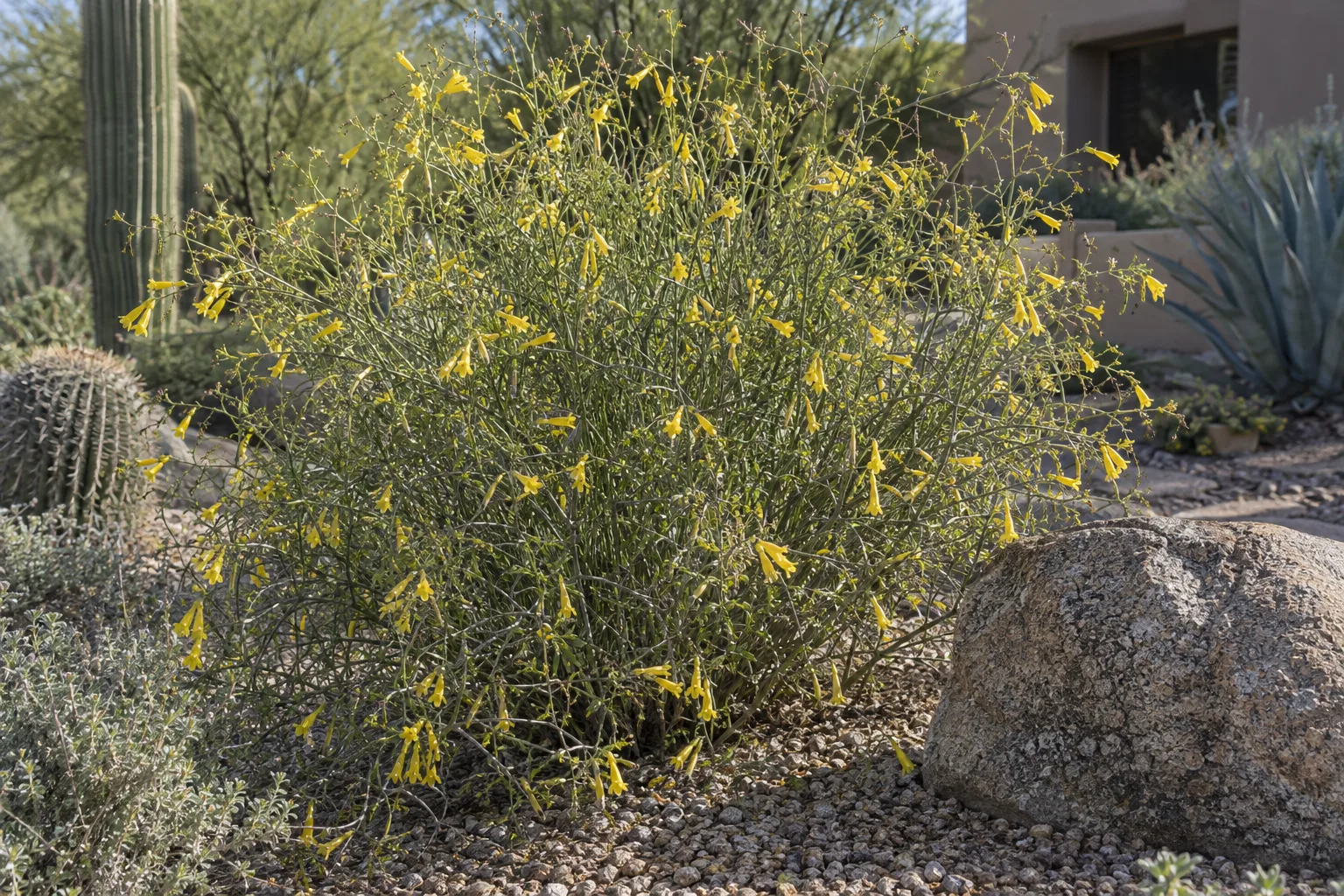
A yellow-flowered form of chuparosa (Justicia californica), a Sonoran Desert shrub with slender green stems, small leaves, and tubular flowers. Special Features Attracts hummingbirds; heat and drought tolerant; uncommon yellow flowers distinguish it from the usual red-flowered form. Problems & Solutions Poor drainage and excessive watering can cause root rot; keep soil well drained. Hard […]
Cocktail Citrus
Typically a multi-grafted citrus tree bearing several fruit varieties on one rootstock. Cocktail citrus is a nursery label, not a single species; Citrus sinensis identifies only its sweet-orange component, if present. Special Features Multiple fruit types on one tree, fragrant blossoms, edible fruit, and potentially extended harvest seasons. Most commonly grafted citrus varieties are self-fruitful. […]
Coconut Cream Mango

A tropical mango cultivar prized for sweet, creamy, nearly fiberless fruit with a distinctive coconut-like flavor. Challenging but possible in a protected Phoenix microclimate. Special Features Dessert-quality mangoes with coconut-like flavor and very little fiber; attractive tropical foliage. Self-fertile, so one tree can produce fruit. Problems & Solutions Frost-sensitive and not reliably hardy in Zone […]
Convent Sage
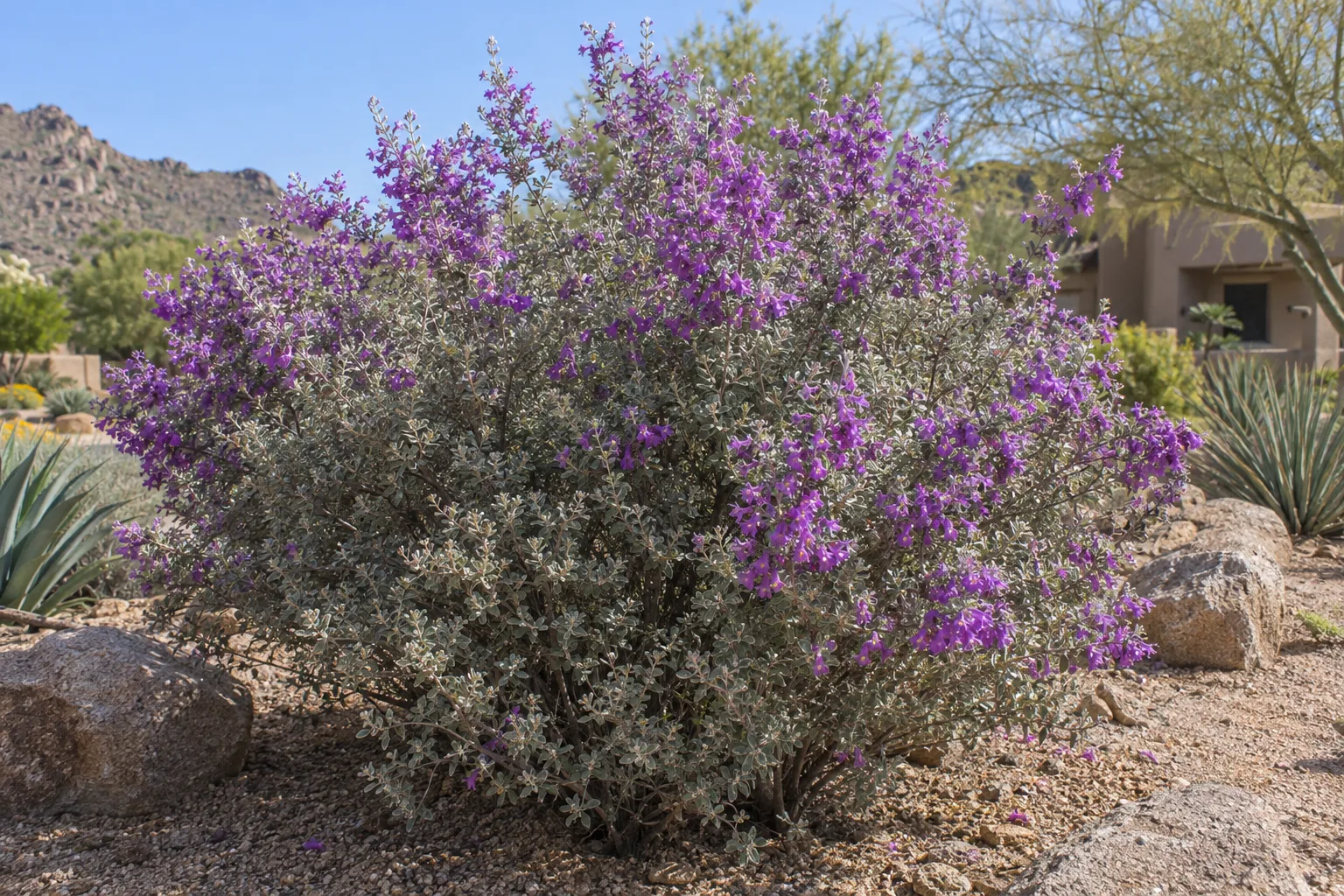
Convent sage (Leucophyllum frutescens ‘Convent’) is a heat-loving desert shrub with gray-green foliage and showy purple flowers, well suited to Phoenix landscapes. Special Features Excellent heat and drought tolerance; low maintenance; attracts bees and other pollinators; tolerates reflected heat. Problems & Solutions Root rot in wet soil: improve drainage and reduce watering. Sparse growth in […]
Cotton Candy Mango
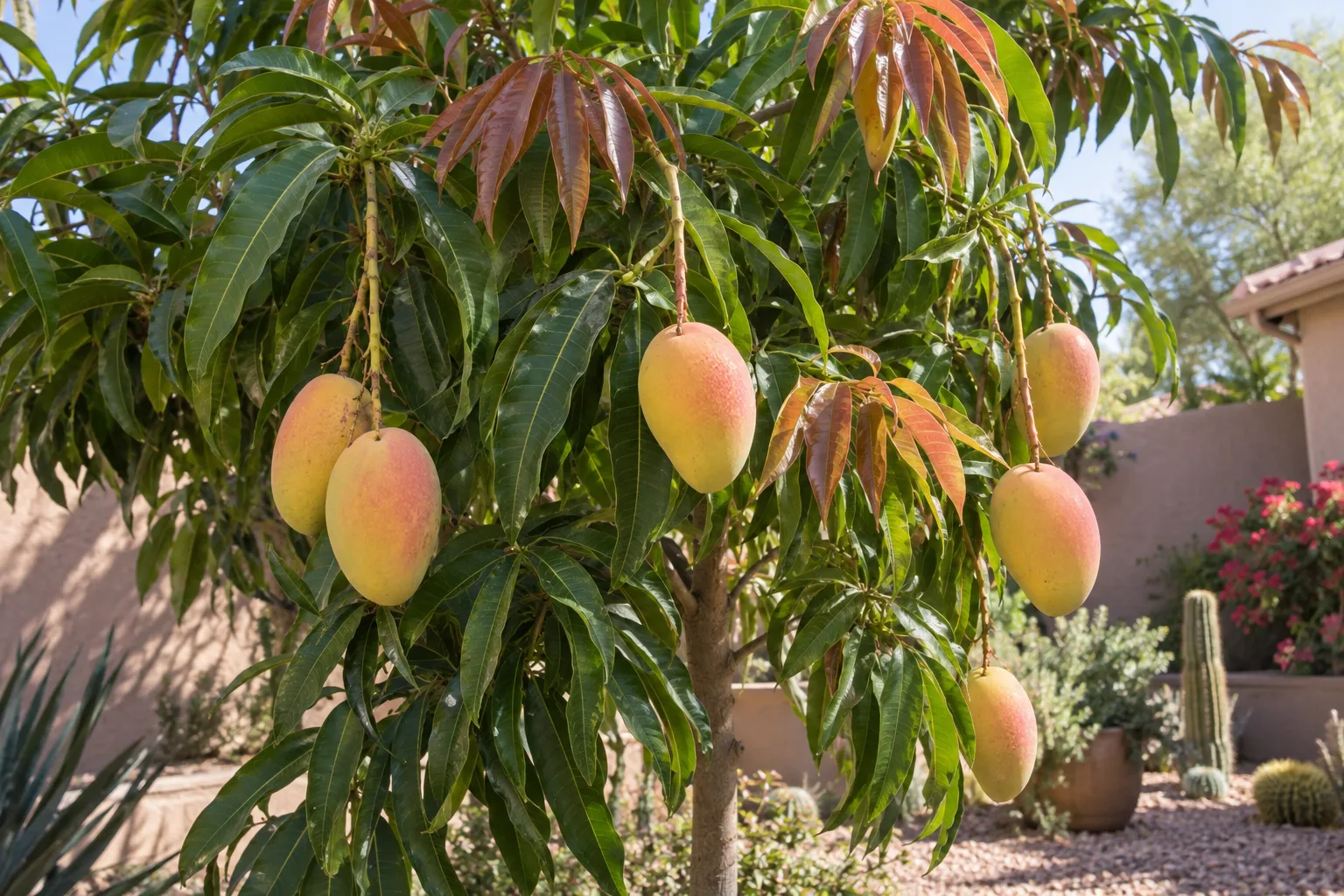
A tropical mango cultivar prized for exceptionally sweet, aromatic fruit with a candy-like flavor. Growing it in Phoenix requires protection from frost, intense afternoon sun, and drying winds. Special Features Very sweet dessert fruit; attractive tropical foliage. Self-fertile, so a second cultivar is not required. Marginally cold-hardy in Zone 9b and best treated as a […]