Desert Cassia
An Australian desert shrub, also called feathery cassia, with fine, silvery foliage and abundant golden-yellow flowers; well suited to Phoenix landscapes. Special Features Heat and drought tolerant; fine-textured silver foliage; abundant cool-season flowers that attract bees. Problems & Solutions Overwatering and poor drainage can cause root rot; allow soil to dry between waterings. Repeated shearing […]
Eversweet Pomegranate
A fruiting pomegranate prized for sweet, low-acid fruit with soft seeds, pale pink arils, and nearly clear juice. Well suited to Phoenix heat. Special Features Self-fruitful; sweet, low-acid fruit with soft edible seeds and juice that stains less than red-juiced varieties. Heat tolerant and drought tolerant once established, though irrigation improves fruit production. Problems & […]
Cleveland Sage
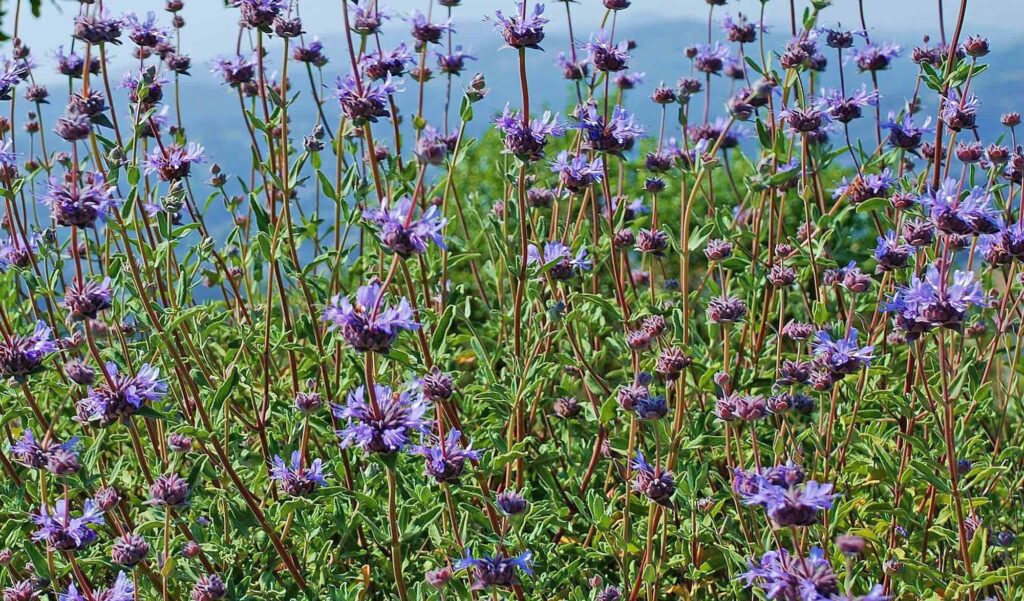
An aromatic shrub native to Southern California and northern Baja California, with gray-green leaves and tiers of lavender-blue flowers. Special Features Strongly fragrant foliage; drought tolerant once established; attracts bees, butterflies, and hummingbirds. Problems & Solutions Root and crown rot in warm, wet soil: ensure excellent drainage and avoid frequent summer irrigation. Extreme Phoenix heat […]
Buddleia
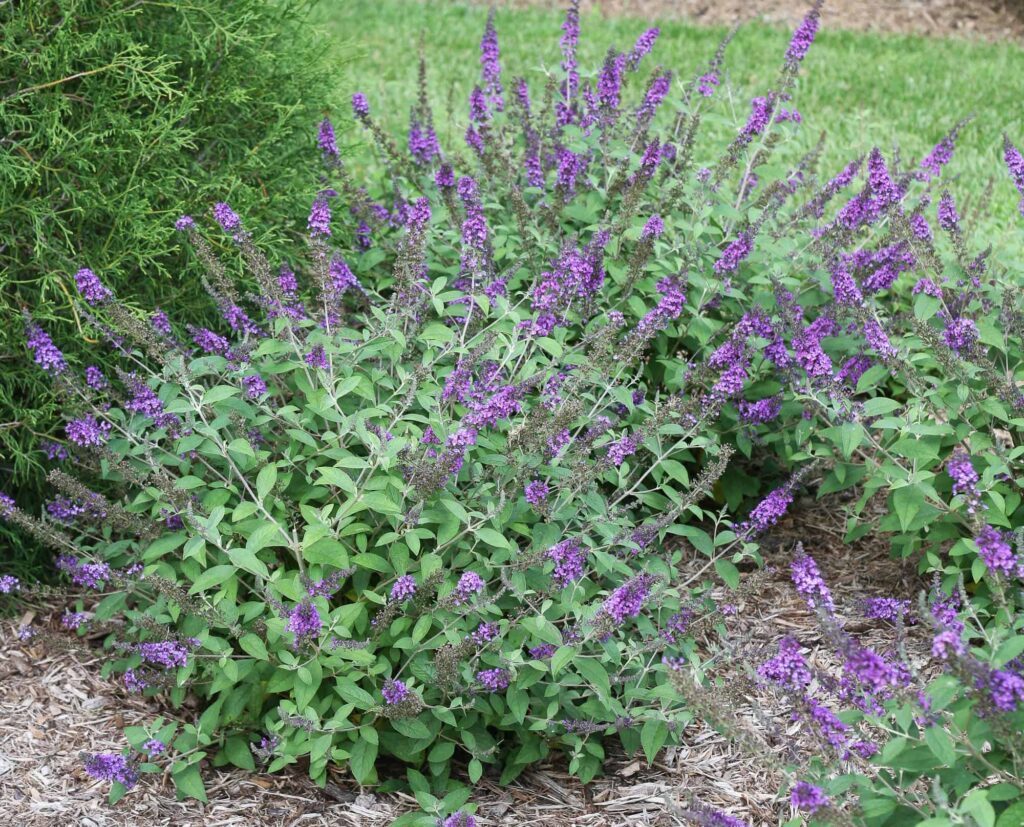
Butterfly bush is a flowering shrub with arching branches, narrow leaves, and fragrant flowers attractive to butterflies. Species and cultivar selection are important in Phoenix; desert-adapted types such as Buddleja marrubiifolia generally tolerate local conditions better than common B. davidii. Special Features Butterfly and bee nectar source; often fragrant. Desert-adapted species offer strong heat tolerance […]
Brittlebush
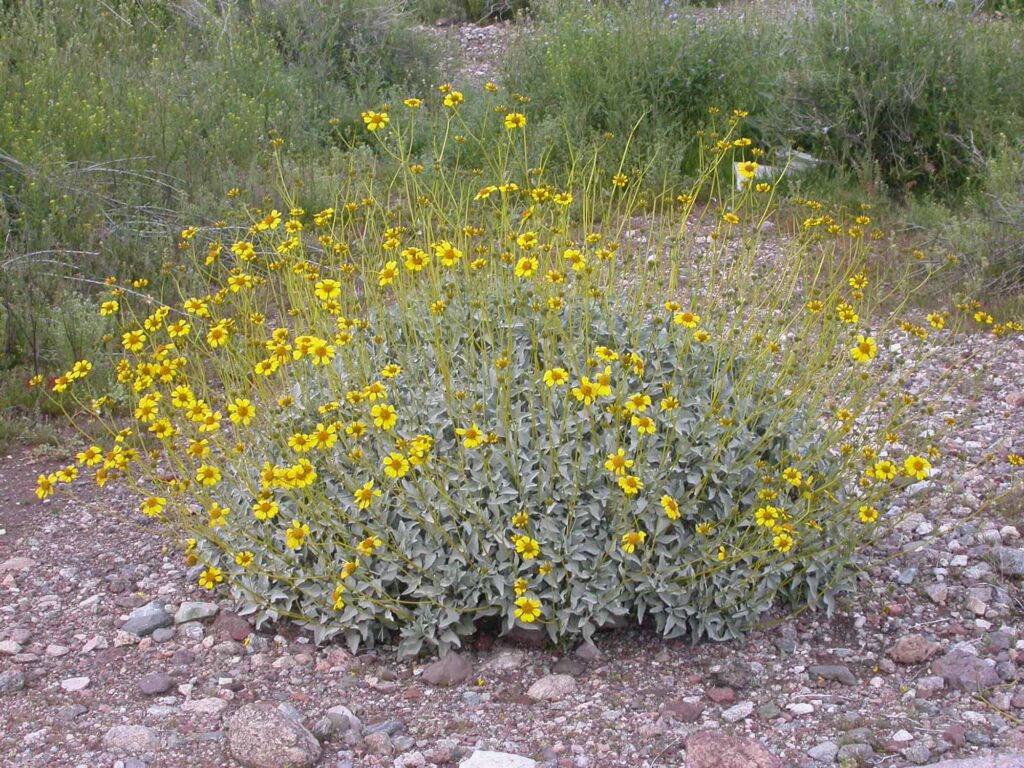
A Sonoran Desert native shrub with soft, silvery leaves, brittle stems, and masses of yellow daisy-like flowers; well adapted to Phoenix heat. Special Features Excellent heat and drought tolerance; native pollinator plant; seeds attract birds; useful for erosion control. Problems & Solutions Overwatering or poor drainage can cause root rot; reduce irrigation and improve drainage. […]
Feathery Cassia
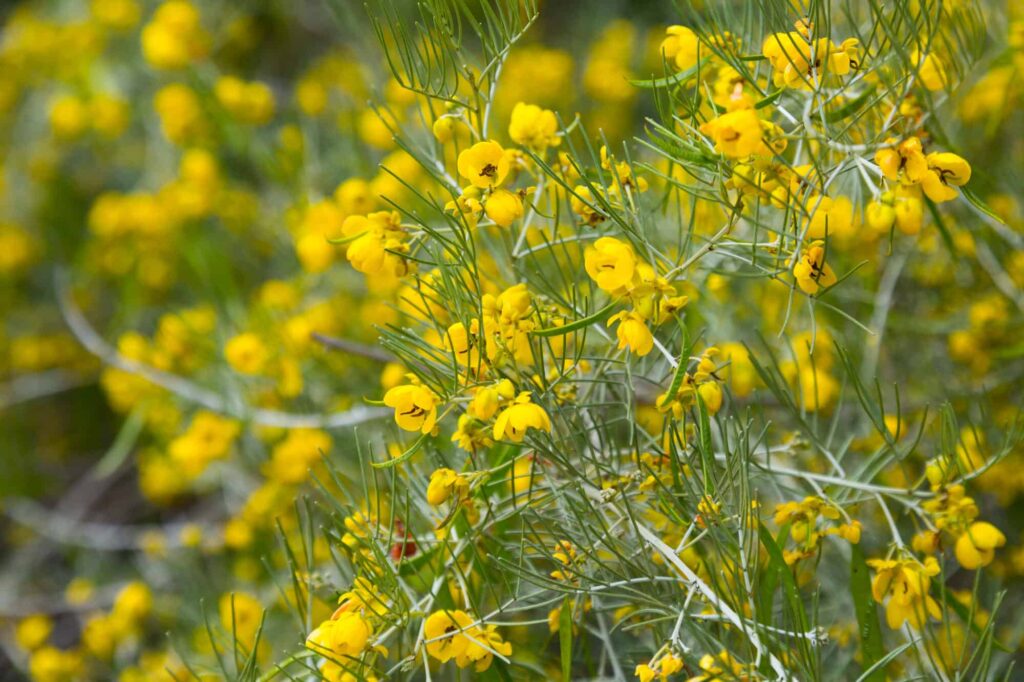
An Australian desert shrub with delicate, finely divided silver-gray foliage and abundant yellow flowers; botanically known as Senna artemisioides. Special Features Feathery foliage, fragrant flowers, and strong heat and drought tolerance; attracts bees and other pollinators. Problems & Solutions Overwatering and poor drainage can cause root rot; allow soil to dry between waterings. Heavy shearing […]
Monarch Magnet Milkweed

Common milkweed sold as Monarch Magnet, an upright perennial with broad leaves and fragrant pink flower clusters that support monarch butterflies. Asclepias syriaca is not native to Arizona and is less reliable in Phoenix’s extreme heat than locally native milkweeds. Special Features Monarch caterpillar host plant; fragrant nectar flowers attract butterflies, bees, and other pollinators. […]
Parry’s Penstemon

A Sonoran Desert native perennial with blue-green foliage and airy spikes of bright pink tubular flowers; well suited to Phoenix desert gardens. Special Features Attracts hummingbirds and native bees; drought tolerant, desert adapted, and readily self-seeds in suitable conditions. Problems & Solutions Root and crown rot can occur in wet soil; ensure excellent drainage and […]
Silvery Cassia
An Australian desert shrub with fine, silvery-gray foliage and abundant golden-yellow flowers, well suited to Phoenix landscapes. Special Features Heat and drought tolerant; fine-textured silver foliage; showy cool-season flowers attract bees. Problems & Solutions Overwatering and poor drainage can cause root rot; let soil dry between waterings. Heavy shearing reduces flowers and spoils its natural […]
Outback Cassia
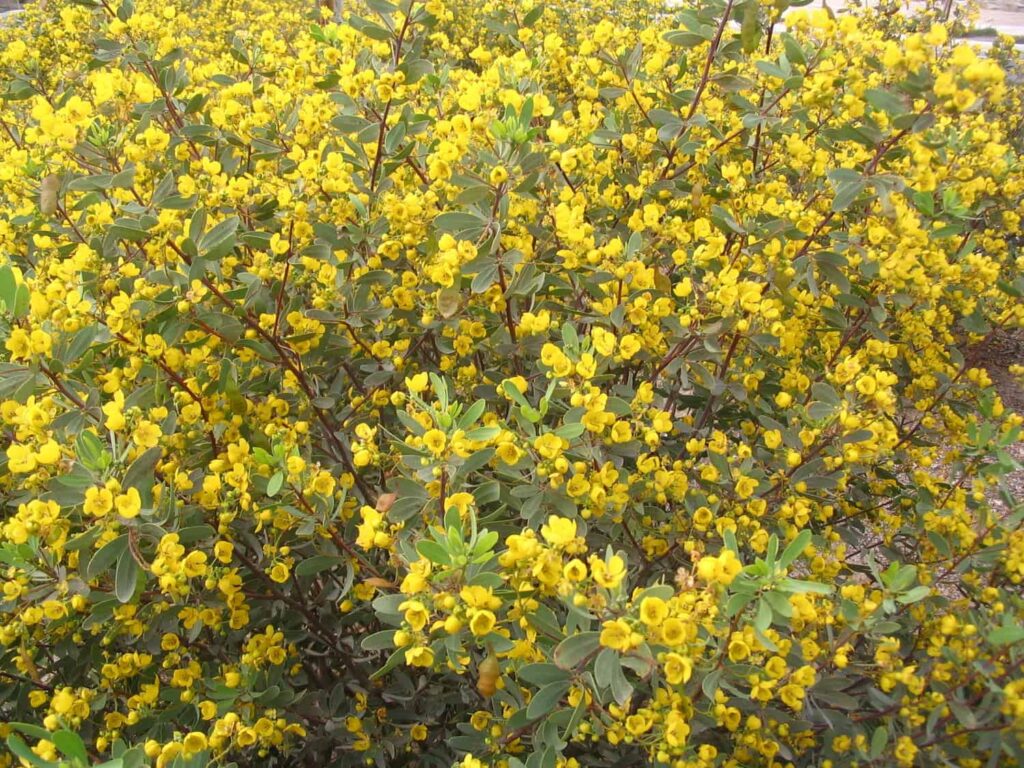
An Australian desert shrub with airy branching, narrow gray-green leaflets, and abundant yellow flowers; well suited to Phoenix’s hot, dry climate. Special Features Heat and drought tolerant; abundant cool-season flowers attract bees; fine-textured foliage provides contrast in desert landscapes. Problems & Solutions Poor drainage and excessive irrigation can cause root rot; let soil dry between […]