

Pixie Mandarin
A late-season mandarin producing small, sweet, seedless fruit with easy-peeling orange skin. ‘Pixie’ refers to the fruit size, not a naturally dwarf tree. Special Features Sweet, seedless, easy-peeling fruit; self-fruitful and does not require a pollinator. Late harvest season; may take several years to become productive. Problems & Solutions Sunburn on exposed bark and fruit […]
Rio Red Grapefruit
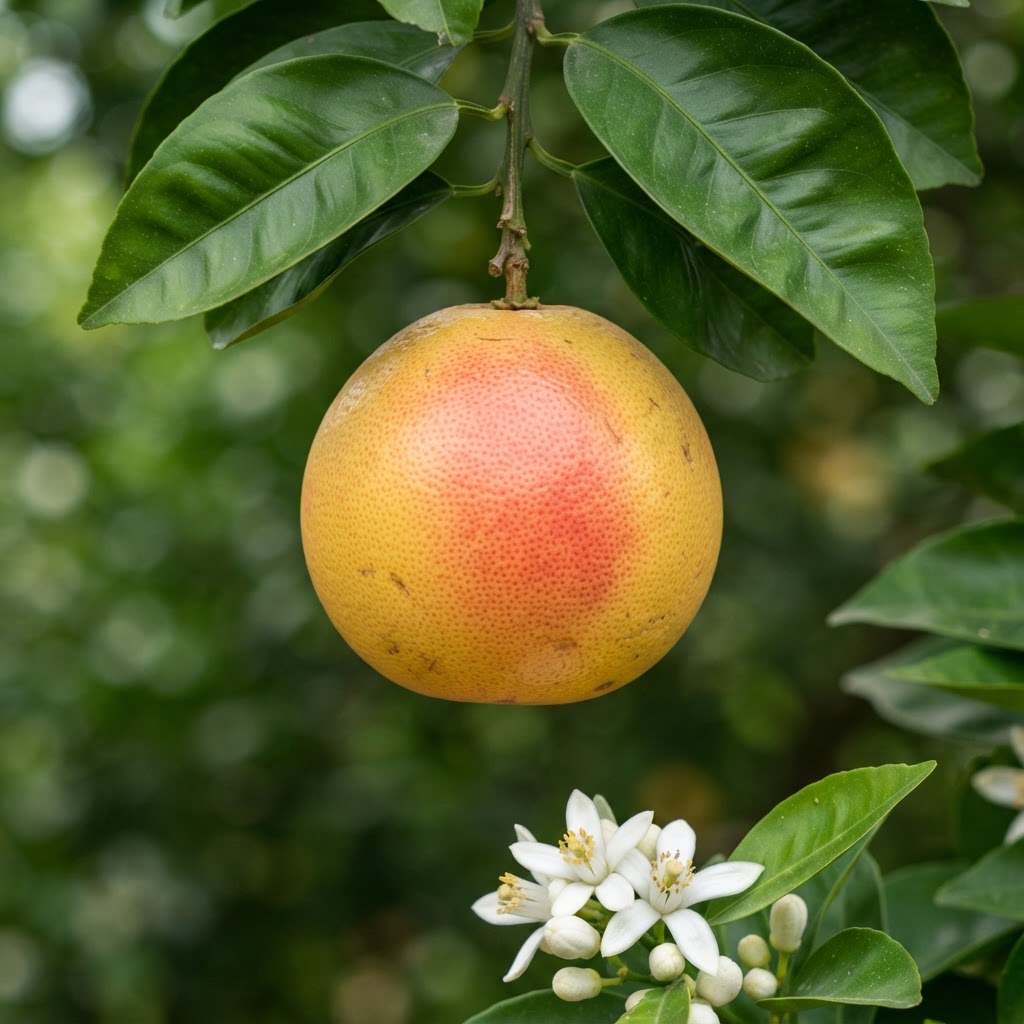
A productive grapefruit tree bearing large, yellow fruit with a pink blush and juicy, deep-red flesh. Fruit is sweet-tart and usually nearly seedless; Phoenix heat supports good flavor development. Special Features Red-fleshed edible fruit; fragrant blossoms; glossy foliage; well suited to hot desert climates when adequately irrigated. Problems & Solutions Sunburn: retain lower branches and […]
Tangerine Mandarin
An evergreen citrus tree with fragrant white flowers and sweet, usually easy-to-peel orange fruit. Well suited to Phoenix gardens with reliable irrigation and protection from extreme heat and hard freezes. Special Features Edible fruit, fragrant blossoms, glossy foliage, and pollinator appeal. Many cultivars are self-fruitful; seediness and pollination requirements vary by cultivar. Problems & Solutions […]
Tropic Snow Peach
A low-chill peach variety producing sweet, aromatic, white-fleshed freestone fruit with yellow skin and a rosy blush. Well suited to warm-winter gardens in the Phoenix area with adequate irrigation. Special Features Self-fruitful; only one tree is needed for fruit production. Requires approximately 150–200 winter chill hours. Early-ripening, white-fleshed peaches are excellent for fresh eating. Problems […]
Serenity Mix Osteospermum
A compact African daisy mix with colorful, daisy-like flowers and bushy green foliage; best grown as a cool-season annual in Phoenix. Special Features Long cool-season flowering display; attracts pollinators; excellent for containers and seasonal color. Problems & Solutions Extreme summer heat causes flowering to stop and plants to decline; provide afternoon shade or replace seasonally. […]
Artichoke

A bold, edible perennial with deeply lobed, silvery leaves and large flower buds harvested as globe artichokes; best grown as a cool-season crop in Phoenix. Special Features Edible immature flower buds; striking architectural foliage; open flowers attract bees and other pollinators. Problems & Solutions Extreme heat can cause wilting, poor buds, and summer dieback; provide […]
Cara Cara Orange
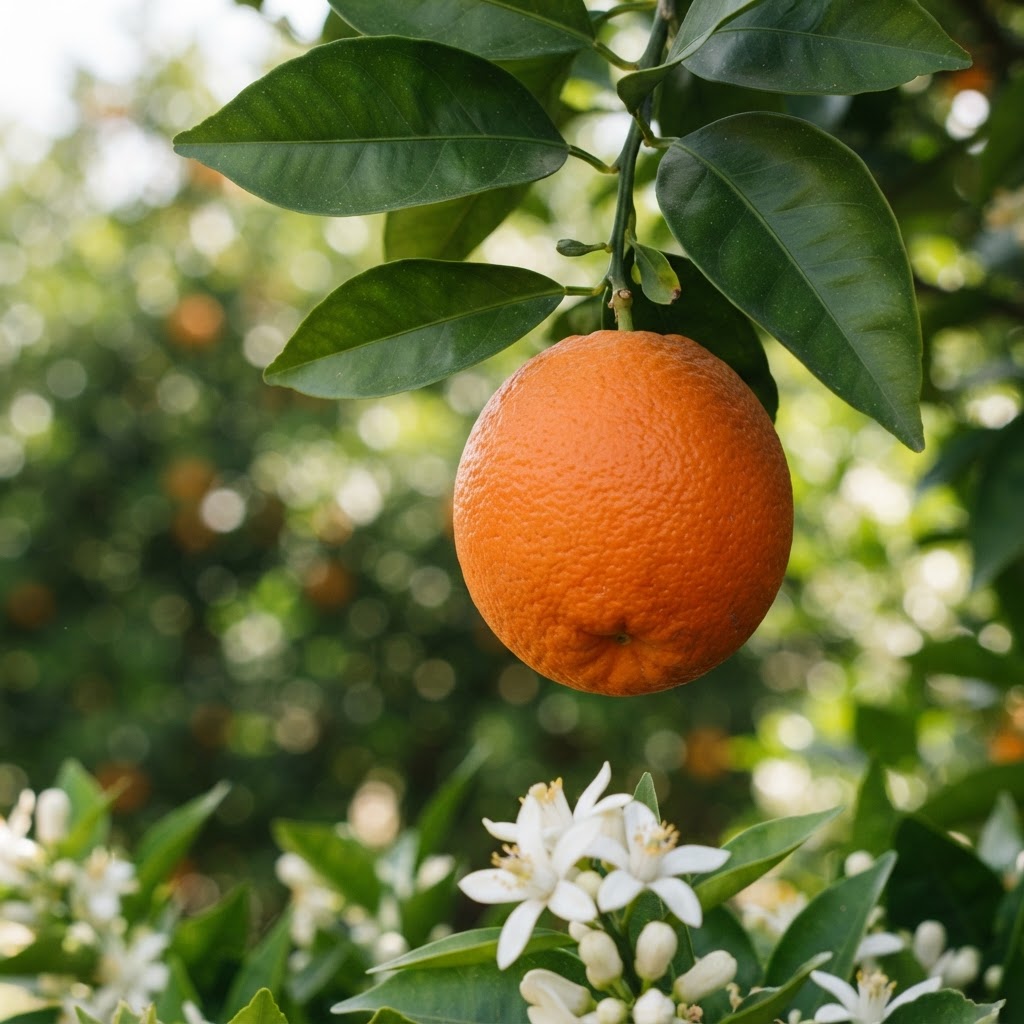
A sweet navel orange with distinctive pink-red flesh, few to no seeds, and fragrant spring blossoms; well suited to Phoenix with proper irrigation and heat protection. Special Features Sweet, low-acid, pink-red fruit colored by lycopene; self-fertile, usually seedless, and productive without a second tree. Fragrant flowers attract pollinators. Problems & Solutions Sunburn on exposed bark […]
Kinnow Mandarin

A vigorous mandarin hybrid of ‘King’ and ‘Willowleaf’, producing juicy, richly flavored orange fruit with easily peeled skin and often numerous seeds. Special Features Sweet-tart, aromatic fruit excellent for fresh eating and juice; fragrant blossoms; self-fertile. Can bear heavily and may alternate between heavy and light crops. Problems & Solutions Summer sunburn: shade young trees […]
Navel Orange

A sweet orange tree producing large, usually seedless fruit with a distinctive navel at the blossom end. Well suited to Phoenix with adequate irrigation and protection from extreme heat and frost. Special Features Sweet, easy-to-peel, usually seedless oranges; fragrant flowers; self-fruitful, so no separate pollinizer tree is required. Problems & Solutions Sunburn: protect exposed trunks […]
Moro Blood Orange
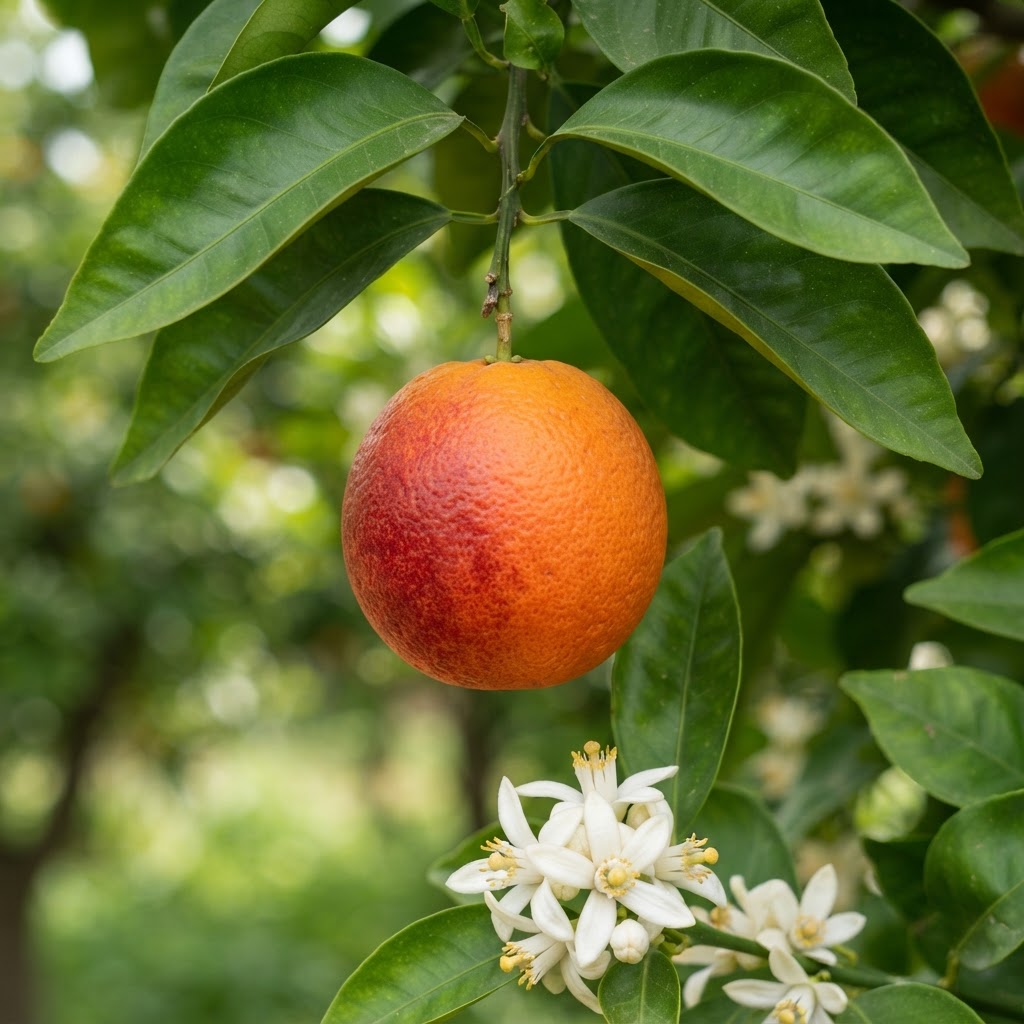
Moro blood orange (Citrus sinensis ‘Moro’) is an evergreen citrus tree producing sweet-tart oranges with raspberry-like notes and deep red flesh. Phoenix’s cool winter nights encourage stronger fruit pigmentation. Special Features Self-fertile; one tree can produce fruit. Fragrant flowers and antioxidant-rich red flesh. Cool nights improve red coloration, which varies by season. Problems & Solutions […]