Deep, regular irrigation; not drought tolerant. Water established trees to about 2–3 feet deep beneath and beyond the canopy, allowing the upper few inches of soil to dry between irrigations. Increase frequency during extreme summer heat and reduce in winter; newly planted trees need more frequent watering.
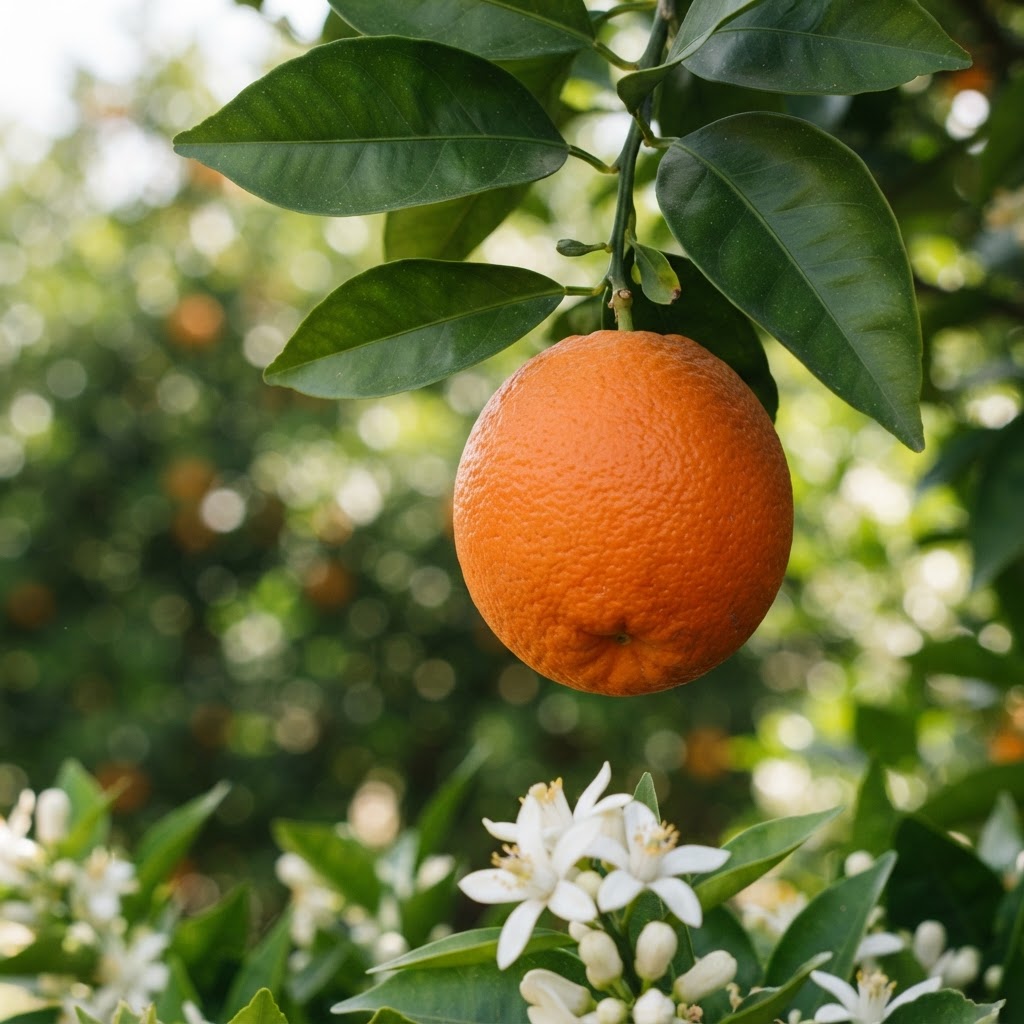
A sweet navel orange with distinctive pink-red flesh, few to no seeds, and fragrant spring blossoms; well suited to Phoenix with proper irrigation and heat protection.
Fruit edible for humans; peel, leaves, and seeds toxic to pets
Care Instructions
Light: Full sun, ideally at least 6–8 hours daily; young trees benefit from protection from intense western afternoon sun.
Water: Deep, regular irrigation; not drought tolerant. Water established trees to about 2–3 feet deep beneath and beyond the canopy, allowing the upper few inches of soil to dry between irrigations. Increase frequency during extreme summer heat and reduce in winter; newly planted trees need more frequent watering.
Soil: Well-drained soil; sandy loam is ideal. Tolerates moderately alkaline soil, but Phoenix soils may cause nutrient deficiencies. Keep the root flare above grade and avoid persistently wet soil.
Mature size: Typically 15–25 feet tall and 12–20 feet wide on standard rootstock; dwarfing rootstocks commonly keep trees around 8–12 feet tall and wide.
Bloom: Typically late winter through spring in Phoenix, primarily February–April; fruit generally ripens December–April, depending on conditions.
Evergreen / deciduous: Evergreen.
Growth rate: Moderate with adequate water and nutrition.