Very low water once established. Water deeply but infrequently during prolonged hot, dry periods, allowing soil to dry completely between waterings. Keep nearly dry in winter.
Size
1-2 ft tall × 1-3 ft wide
Habit
Clustering succulent
Toxicity
Toxic — Pets & Livestock
Description
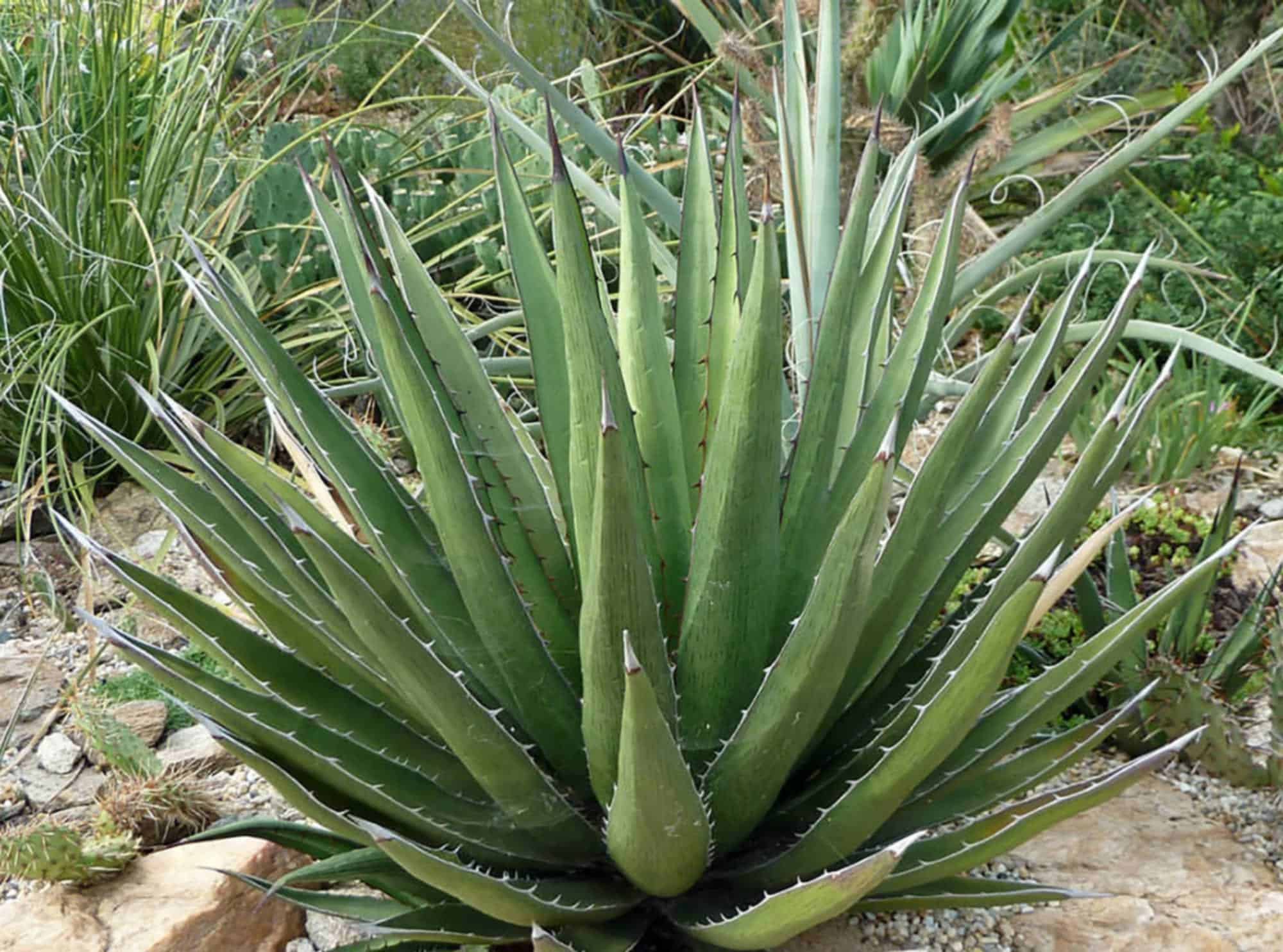
A small Chihuahuan Desert agave with narrow, rigid, yellow-green leaves, hooked marginal teeth, and sharp terminal spines; forms dense colonies through offsets.
Blackfoot daisy, Desert spoon, Golden barrel cactus, Red yucca, Santa Rita prickly pear
Toxic — Pets & Livestock
Toxic to livestock (photosensitization); sap is a skin irritant
Care Instructions
Light: Full sun to light shade; light afternoon shade can reduce summer stress in Phoenix. Acclimate nursery-grown plants gradually to direct sun.
Water: Very low water once established. Water deeply but infrequently during prolonged hot, dry periods, allowing soil to dry completely between waterings. Keep nearly dry in winter.
Soil: Excellent drainage is essential; prefers rocky, gravelly, or sandy soil and tolerates alkaline, limestone-based soils. Use raised planting areas where drainage is poor.
Bloom: Each rosette blooms once after many years, often 10–20 or more, then dies; surrounding offsets continue growing. Flowering generally occurs in late spring or summer.
Evergreen / deciduous: Evergreen.
Growth rate: Slow; established plants gradually expand into colonies through offsets.