
Monstrose Cereus
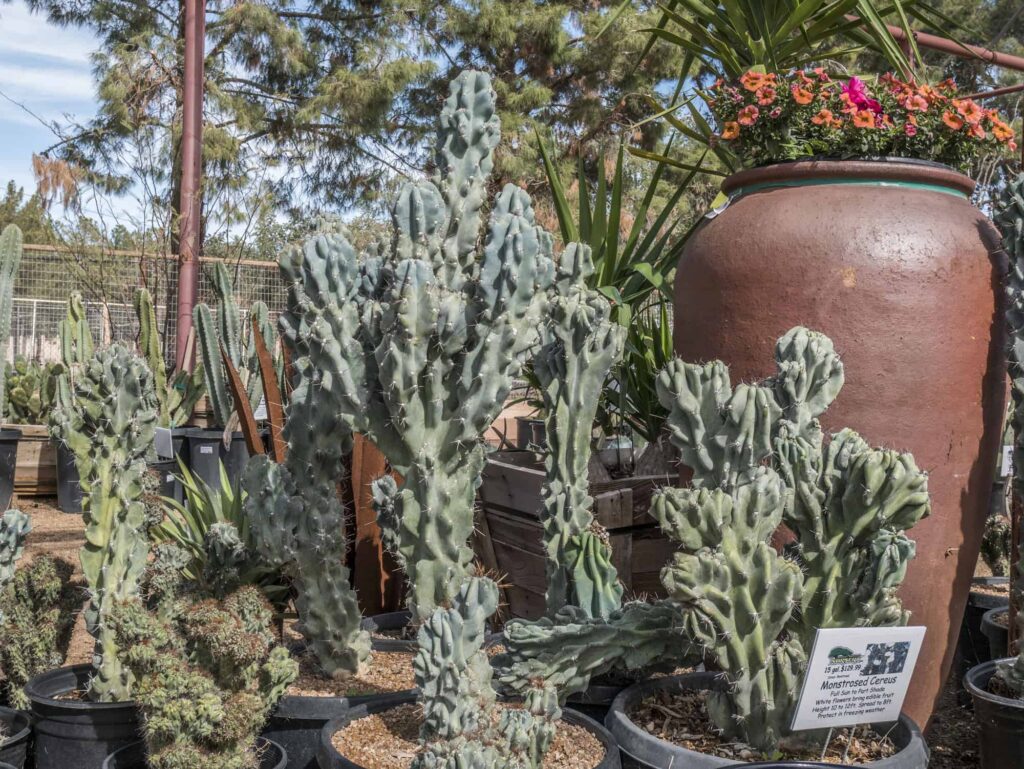
A sculptural cactus with irregular, knobby, twisted blue-green stems; commonly sold as Cereus peruvianus ‘Monstrosus’ or Cereus repandus ‘Monstrosus’. Special Features Distinctive sculptural stems; heat and drought tolerance; occasional edible red fruit following successful pollination. Problems & Solutions Overwatering causes root and stem rot; ensure excellent drainage. Sudden exposure to intense sun can scorch stems; […]
Coral Honeysuckle Vine
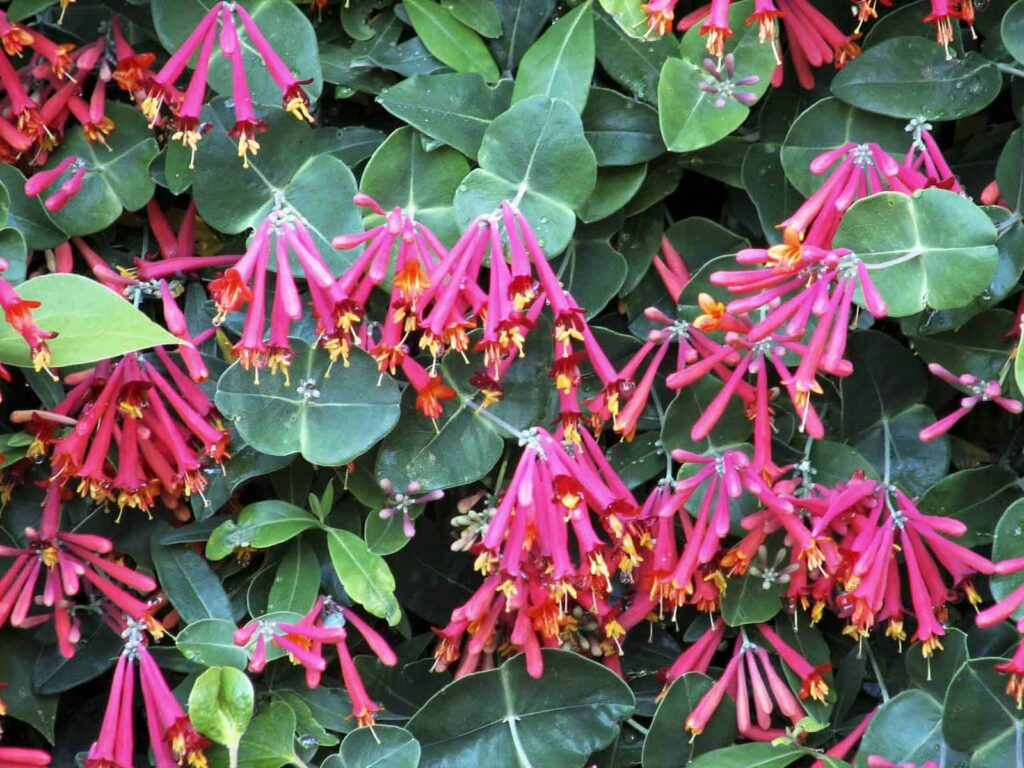
A twining vine native to the eastern United States, with clusters of slender coral-red flowers that attract hummingbirds. In Phoenix, it performs best in a protected, irrigated location rather than an exposed desert setting. Special Features Hummingbird and pollinator attraction; red berries provide food for birds. Generally noninvasive, unlike Japanese honeysuckle. Problems & Solutions Leaf […]
Carolina Jessamine
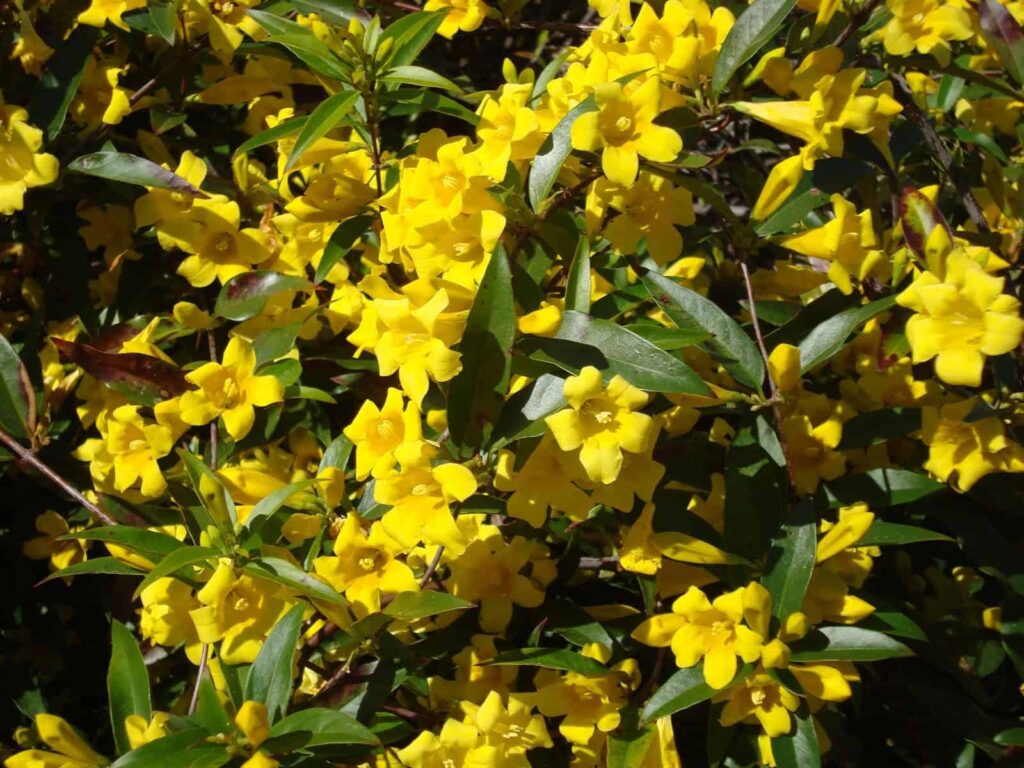
Twining evergreen vine with glossy dark green leaves and fragrant yellow trumpet-shaped flowers in late winter to spring. All parts are highly toxic if ingested. Grows vigorously on fences, trellises, and arbors. Special Features Fragrant yellow flowers; fast cover for fences and trellises; attracts hummingbirds and butterflies Problems & Solutions All parts highly toxic (wear […]
San Pedro Cactus

Tall, fast-growing columnar cactus native to the Andes, grown in desert landscapes for its striking vertical form. Produces large, fragrant white flowers that open at night. Note: stems contain psychoactive alkaloids (mescaline). Special Features Dramatic columnar accent; large nocturnal blooms attract moths; fast-growing for a cactus; drought tolerant once established; largely spineless Problems & Solutions […]
Skinny Yellow Dragonfruit
A tropical climbing cactus grown for spiny yellow fruit with translucent white flesh, black seeds, and exceptionally sweet flavor. Hylocereus megalanthus is now generally classified as Selenicereus megalanthus. Special Features Very sweet edible fruit; spectacular night-blooming flowers; suitable for large containers and vertical training. Less tolerant of Phoenix’s exposed desert conditions than typical landscape cacti. […]