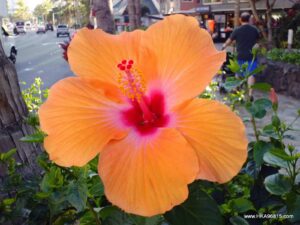

March is the best month to plant warm-season flowers in Arizona because mild days and warming soil give roots four to eight weeks to establish before highs reach 100°F in May.
Key takeaways
- Plant from mid-March into early April in Queen Creek, once nights stay above about 50°F and the soil 4 inches down reaches roughly 65°F.
- Warm-season flowers need about 4 to 8 weeks of mild weather to root well before daytime highs pass 100°F.
- Mix 2 to 3 inches of compost into the top 10 to 12 inches of soil, then mulch 2 inches deep and keep it off the stems.
- Water new transplants every day or every other day for two weeks, then stretch the interval as roots spread.
- Vinca, portulaca, zinnias, pentas, gaillardia and celosia all suit the low desert, and deadheading every few days keeps them blooming.

Why is March the best month to plant warm-season flowers in Arizona?
March is the month when the soil warms into a range roots like while the air stays mild. Plants put down roots first and flower second, so they need that head start.
By April, East Valley afternoons often reach the 90s, and by May they approach 100°F. A flower planted in the first half of spring has weeks to build a root system that can feed the plant through that climb. A flower planted in late May has to build roots and survive 105°F at the same time, and many do not make it.
Planting in March also pays off in color. You get blooms through April and May, the stretch when most of us spend the most time in the yard. Our annual flowers and foliage department is a good place to see what is available as the season opens.
When in March is it safe to plant in Queen Creek?
Mid-March is safe for most beds, provided the forecast shows nights staying above about 50°F. Early March can still bring a cold night or two, and Queen Creek is surrounded by open desert that often cools faster after sundown than the center of the metro area.
Soil temperature is a better guide than the calendar. Push a dial thermometer 4 inches into the bed in the morning, and plant when it reads 65°F or higher. Cold, wet soil stalls vinca in particular.
If a warm week tempts you in the first days of March, wait or sow seed instead of setting out transplants. Our gardening calendars lay out what to plant month by month, which helps when you are juggling flowers, vegetables and trees.
Which warm-season flowers do well when planted in March?
The flowers below are varieties we commonly carry, and they handle low desert heat well. Availability changes week to week and season to season, so call or stop by to see what is in.
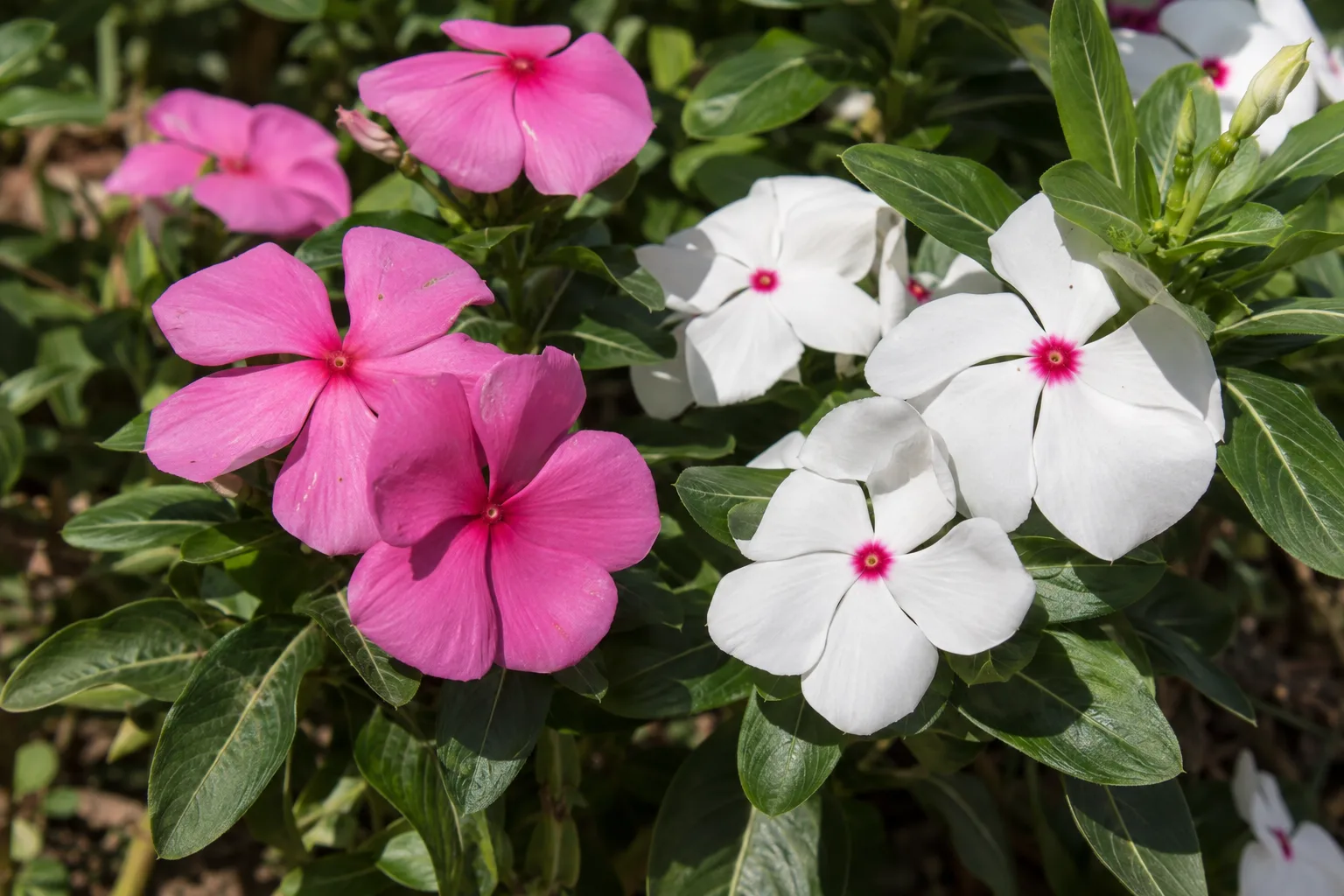
Vinca (Catharanthus roseus)
Vinca grows 10 to 18 inches tall in full sun and needs moderate water. It tolerates heat and alkaline soil well and blooms in white, pink, red and coral. The drawback is that it sulks in cold soil and can rot if the foliage stays wet, so water at the base.
Moss rose (Portulaca grandiflora)
Moss rose stays 4 to 8 inches tall, wants full sun and needs little water once established. It suits a hot bed beside a wall or driveway. Its flowers close on overcast days and at night, so plant it where you will see it in the afternoon.
Zinnia (Zinnia elegans)
Zinnias range from 1 to 3 feet tall depending on the variety and need full sun and regular water. They grow fast from seed and draw butterflies and bees. The drawback is powdery mildew, which shows up when leaves stay wet or the monsoon raises humidity.
Pentas (Pentas lanceolata)
Pentas grow 2 to 3 feet tall and produce clusters of star-shaped flowers in red, pink, white and lavender. They like morning sun with some afternoon shade once summer heat builds, plus regular water. Frost damages them, so hold off until the nights are reliably mild.
Blanket flower (Gaillardia)
Blanket flower grows 1 to 2 feet tall in full sun and needs low to moderate water once established. The red and yellow daisy-like blooms attract native bees. Many plants are short-lived perennials, so expect to replace them every few years.
Celosia (Celosia argentea)
Celosia reaches 1 to 3 feet tall in full sun, with plumed or crested flowers in red, orange, yellow and pink. It adds height to a mixed bed or a large pot. It wilts quickly when it dries out, so give it steady water.
How should I prepare Queen Creek soil for flowers in March?
Loosen the bed 10 to 12 inches deep and mix in 2 to 3 inches of finished compost. Local soil is alkaline, often with a pH of 7.5 to 8.5, and many yards have caliche, a hard calcium layer that blocks drainage.
Dig a test hole before you plant. If you hit caliche within a foot, break through it with a digging bar or build a raised bed on top, because water pooling above that layer rots roots. Fill the hole with water, and if it is still standing after several hours, drainage needs work.
Compost improves drainage and gives roots something to hold onto. Bark mulch is not a substitute for it, since it belongs on top of the soil rather than mixed in. Check our classes and events page to see what workshops are scheduled.
How do I plant warm-season flowers in March?
Plant in the morning or late afternoon, water the bed the day before, and set each transplant level with the soil surface. The steps below cover the whole job.
- Pull out spent winter annuals and dig weeds up by the root, especially Bermuda grass and nutsedge.
- Work in compost and rake the bed level.
- Water the bed the day before so the soil is moist but not soggy.
- Space plants by their mature size: about 8 to 10 inches for portulaca, 12 to 15 inches for vinca and zinnias, and 18 to 24 inches for pentas.
- Loosen the roots gently, set each plant so the top of the root ball sits level with the soil, and firm the soil around it.
- Water slowly at the base until the root zone is soaked.
- Spread 2 inches of mulch, such as shredded bark or decomposed granite, and keep it a few inches from the stems.

How often should I water new March plantings?
Water daily or every other day for the first two weeks, then taper as the roots spread. Check the soil 2 inches down before each watering, and water again when it feels dry at that depth.
| Time after planting | Typical watering | What to watch |
|---|---|---|
| Weeks 1 and 2 | Daily or every other day | Soak the root zone, not the leaves |
| Weeks 3 and 4 | Every 2 to 3 days | Cut back if the soil stays wet |
| April | Every 2 days or so | Increase as highs reach the 90s |
| May and June | Daily in the hottest weeks | Portulaca and gaillardia can go longer |
Deep watering builds deep roots, while quick sprinkles keep roots near the surface where they bake. Aim to wet the soil 6 to 8 inches down, then let the top inch dry before the next round. A drip line on a timer makes this easier, and our hard water leaves less mineral crust on leaves when the water goes straight to the soil.
What should I leave alone in March?
Leave off heavy nitrogen fertilizer, skip crowding the bed, and do not plant before nights settle above 50°F. Each of these is a common reason March plantings stall.
High-nitrogen fertilizer grows leaves at the expense of flowers. Crowded plants compete for water and stay damp, which invites mildew once the monsoon arrives in July. Tight spacing looks sparse for a few weeks, but it pays off by midsummer.
Pull cool-season annuals such as pansies and snapdragons only once they fade, then replace them. Removing them early leaves bare soil that dries out fast.
How do I keep warm-season flowers blooming into summer?
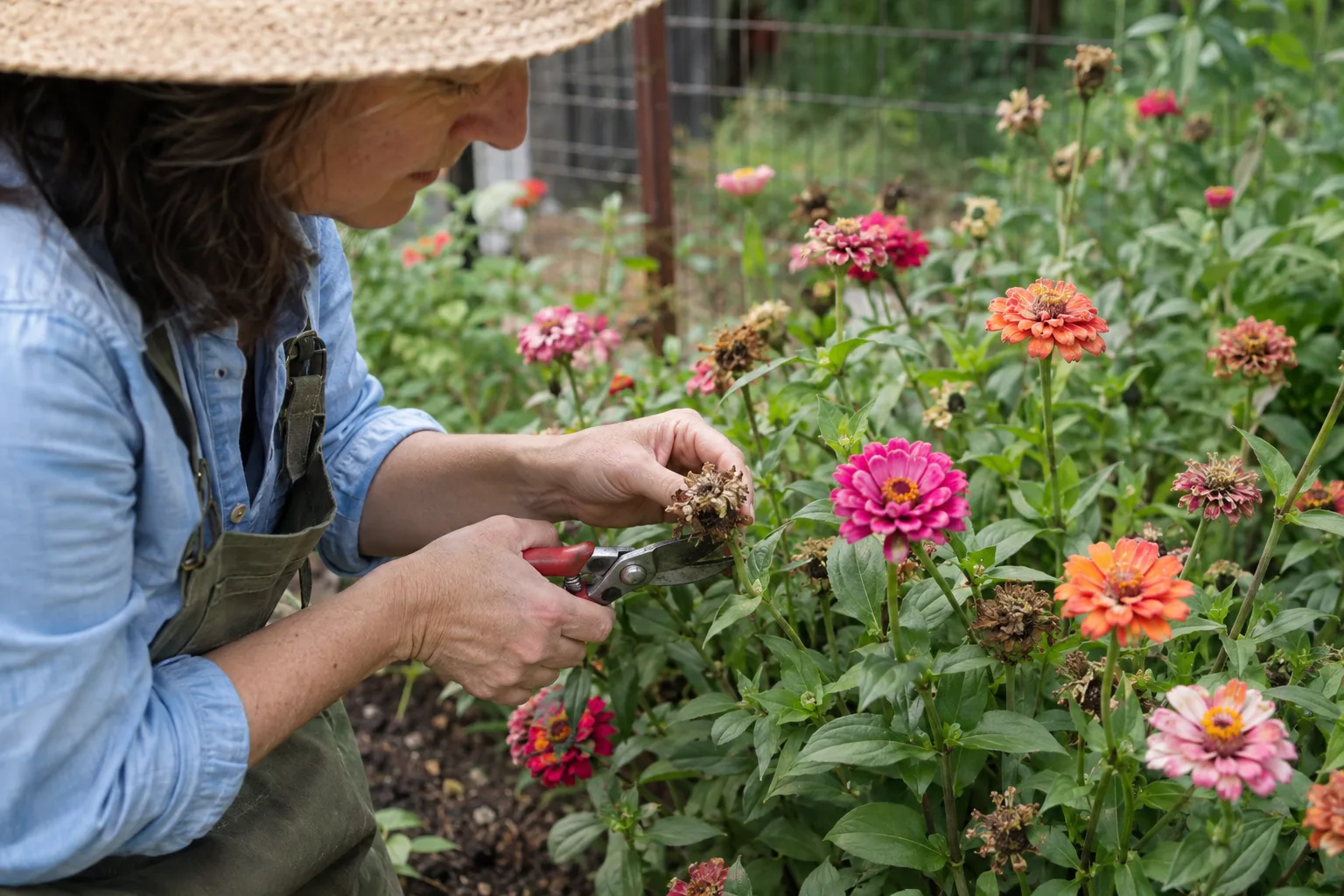
Deadhead every few days and trim leggy stems. Plants that set seed slow down their flowering, so removing spent blooms tells them to keep producing.
Zinnias often respond to a cutback of about one-third in mid-June, followed by deep watering, with a fresh flush of growth as the monsoon nears.Late in summer, move pots into afternoon shade where you can, and keep mulch topped up to 2 inches.
Frequently asked questions
Can I grow warm-season flowers from seed in March?
Yes, zinnias, portulaca and gaillardia can be direct-sown in March once the soil reaches about 65°F. Sow shallowly in a prepared bed and keep the top inch evenly moist until sprouts appear, usually in 1 to 2 weeks. Seedlings skip transplant shock, though they bloom a few weeks later than transplants.
What if a cold night hits after I plant?
Cover plants overnight with frost cloth or a cotton sheet if the forecast drops below about 40°F. Drape it to the ground, weigh the edges with stones, and remove it by mid-morning. Avoid plastic, which traps moisture and can burn leaves in morning sun. Vinca and pentas are the most frost tender of this group.
Should I use containers or plant in the ground?
Both work, but pots dry out faster and may need water twice a day by July. Choose a large container, since small pots heat up quickly, and move it into afternoon shade as summer builds. Browse our pottery and planters for sizes that hold moisture longer.
Should I fertilize when I plant?
Mix a slow-release balanced granular fertilizer into the soil at planting, then wait three to four weeks before any liquid feed. Strong liquid fertilizer can burn new roots. After that, feed every four to six weeks, and skip feeding during spells above 100°F, when plants cannot use the nutrients well.
Will petunias last through summer if I plant them in March?
Usually not. Petunias bloom well in spring but tend to look thin once highs stay above 100°F. Treat them as spring color, and plan to replace them in May with vinca or portulaca if you want flowers through July and August.
Is March the right time for your flower beds?
For most East Valley yards, yes. If your bed gets at least six hours of sun and you can water daily for the first two weeks, March gives you the longest bloom season with the least stress on the plants. Skip it if your bed is mostly shade, or if travel will keep you from watering new transplants. In that case, wait for fall and plant cool-season flowers instead. Visit us in Queen Creek and we will help you match flowers to your yard.