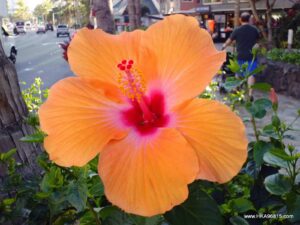

Eight Arizona plants lose some or all of their spring blooms if you prune them in winter or early spring: Texas mountain laurel, palo verde, sweet acacia, Lady Banks rose, star jasmine, bougainvillea, yellow bells and autumn sage. Wait until the flowers fade, then cut.
Key takeaways
- Prune spring bloomers within a few weeks after the flowers fade, which falls between late March and early June for the plants in this post.
- Texas mountain laurel, palo verde, sweet acacia, Lady Banks rose and star jasmine carry flower buds on existing wood by winter, so a January or February cut removes them.
- Bougainvillea, yellow bells and autumn sage flower on new growth but start their spring flush on stems that came through winter, so a hard winter cut delays flowers by several weeks.
- Wait until early March to judge frost damage, and remove only stems that are brown and dry under the bark.
- Stop heavy pruning by about September so new growth hardens before the first frost.

Why does pruning in spring cost me flowers?
Pruning removes the stems that carry the buds. Many low desert shrubs and vines form flower buds on last season’s growth, and those buds sit on the plant all winter. A cut between January and March takes the buds with the branch.
Gardeners call this blooming on old wood. Plants that bloom on new wood form buds on stems grown this season, so they tolerate a spring cut. Several plants below fall in between: they flower on new growth, but their first spring flush starts from stems that survived winter, and a heavy cut pushes that flush back by weeks.
Spring feels like the natural time to tidy everything after winter, and that habit causes most lost blooms. You can browse shrubs, vines and perennials in our plant department. Many of the plants below are varieties we commonly carry, though availability changes week to week and season to season.
Which Arizona plants lose blooms if pruned in spring?
These eight do. Five carry buds on wood that already exists in winter, and three lose or delay their first spring flush when cut hard. Each entry gives mature size, sun, water, one drawback and the pruning window.
Texas mountain laurel (Sophora secundiflora)
Expect 10 to 15 feet tall and 6 to 10 feet wide, with slow growth. It wants full sun and, once established, a deep soak every two to three weeks in summer. The drawback is that slow growth: a branch cut in February can take two or more years to rebuild. Purple flower clusters open around March. Prune lightly in April, removing only dead or crossing wood.
Palo verde (Parkinsonia species)
Size runs 15 to 30 feet tall and wide, depending on the species or hybrid. It needs full sun and a deep soak roughly once a month in summer after the first two years. The drawback is litter, since it drops flowers, leaflets and pods. Bloom runs from about March into May, so shape the tree after the flowers finish. More options are in our desert trees.
Sweet acacia (Vachellia farnesiana)
Plan for 15 to 20 feet tall and about as wide, in full sun. Once established it needs a deep soak every three to four weeks in summer. The drawback is thorns and a habit of sending up suckers, so wear heavy gloves. Fragrant yellow puffballs open from late winter into early spring. Prune after bloom ends, usually in April.
Lady Banks rose (Rosa banksiae)
This vigorous climber reaches 15 to 20 feet or more and spreads wide. It grows in full sun or light afternoon shade and wants a deep soak every 7 to 10 days in summer. The drawback is a single bloom period of about three to four weeks, in March or April. Flowers form on canes grown the year before, so prune right after bloom, cutting out old canes and tying in new ones.

Star jasmine (Trachelospermum jasminoides)
It stays 3 to 4 feet tall as a groundcover or climbs 10 to 20 feet on support. Morning sun with afternoon shade suits the low desert best, and a deep soak about weekly in summer keeps it healthy. The drawback is leaf scorch in reflected heat and yellowing leaves in alkaline soil. White, fragrant flowers open around April and May. Trim lightly after bloom in late spring.
Bougainvillea (Bougainvillea hybrids)
Size is 10 to 20 feet or more with support. It wants full sun and a deep soak every one to two weeks in summer once established. The drawback is frost damage when temperatures fall into the low 30s. Color comes in flushes on new growth, and a hard cut in February or March pushes the spring flush back several weeks. Remove dead wood after frost risk passes and shape after the main flush.
Yellow bells (Tecoma stans)
Expect 6 to 10 feet tall and 5 to 8 feet wide, in full sun, with a deep soak every one to two weeks in summer. The drawback is frost dieback in cold winters and seedlings from its pods. Yellow flowers appear from spring through fall. The ragged look after frost tempts a January cut, but waiting until March shows which stems are alive. Do heavier shaping after the first spring flush.
Autumn sage (Salvia greggii)
This small shrub grows 2 to 4 feet tall and wide in full sun or light afternoon shade, and wants a deep soak every one to two weeks in summer. The drawback is a woody, leggy habit if it never gets trimmed. It flowers in spring and again in fall. A hard winter cut delays the first flush. After spring bloom, take off up to one-third of the plant.
When is the safe pruning window for each plant?
Most of these plants are safe to prune after the main spring flowers fade, between April and early June. The table lays out the calendar.
| Plant | Main spring bloom | Safe pruning window | Result of a winter or early spring cut |
|---|---|---|---|
| Texas mountain laurel | March | April, light only | Buds removed, slow recovery |
| Palo verde | March to May | After bloom ends | Fewer flowers |
| Sweet acacia | Late winter to early spring | April | Buds removed |
| Lady Banks rose | March to April | April to May | Whole season of bloom lost |
| Star jasmine | April to May | Late spring, after bloom | Buds removed |
| Bougainvillea | Spring flush | After the spring flush | Flush delayed several weeks |
| Yellow bells | Spring through fall | After first flush, dead wood in March | First flush delayed |
| Autumn sage | Spring and fall | Late spring, up to one-third | First flush delayed |
How do I tell dead wood from dormant wood?
Scratch the bark. Green and moist underneath means the stem is alive, and brown and dry means it is dead. Frost-browned tips on yellow bells and bougainvillea often look ruined in January, yet the stems below them can leaf out again by March.
- Wait until early March, when frost risk in the East Valley has mostly passed.
- Scratch a small patch of bark on a twig with your thumbnail.
- If the tissue is brown and dry, move a few inches down the stem and scratch again.
- Stop at the first green tissue and make your cut just above a healthy bud or side branch.
- Leave any stem you cannot judge for two more weeks and check again.

Hedge shears are the usual cause of widespread bud loss, because each pass clips buds across the whole plant. Use hand pruners or loppers and choose individual stems. Late pruning causes trouble too, since growth pushed out after mid-September may not harden before frost.
Which plants can I cut back in spring without losing flowers?
Plants that bloom only on new growth, such as lantana and red bird of paradise, usually take a spring cutback well. Cut them after frost risk passes and they regrow quickly as temperatures climb.
Lantana (Lantana camara) can be cut back hard in March and will flower again on fresh stems. Red bird of paradise (Caesalpinia pulcherrima) blooms through summer on new growth, so remove frost-damaged stems in spring and let it rebuild. Our gardening calendars list jobs by month, which helps you match each task to the right plant.
What should I do if I already pruned at the wrong time?
Leave the plant alone and let it regrow. It will usually survive and flower again the next season, though slow growers like Texas mountain laurel can need one to two seasons.
Keep watering at the normal deep-soak interval and spread 2 to 3 inches of mulch over the root zone, keeping it a few inches from the trunk. Skip heavy nitrogen fertilizer in summer, because soft new growth burns when highs pass 110°F. Resist a second round of cuts to even things out. Cutting again removes the new stems that will carry next year’s buds.
Frequently asked questions
How much can I remove after the flowers fade?
Up to about one-third of the plant is a safe limit for most shrubs and vines. Start with dead, crossing and rubbing branches, then shorten the longest stems back to a side branch or bud. Spreading cuts across the whole plant keeps its natural shape and leaves enough leaf area to feed new growth through summer.
Can I prune these plants during the monsoon?
Light shaping works from July through September, but heavy cuts are better done earlier. Stems suddenly exposed to sun at 110°F or higher can scald, and growth pushed out in late September may not harden before frost. Keep summer pruning to dead wood and small tip trims.
Why did my Texas mountain laurel stop blooming?
Mistimed pruning, too little sun and overwatering are the common causes. Check that the plant gets at least six hours of direct sun and that the soil dries between deep soaks. If you cut it in winter or early spring, expect the next full bloom in one to two seasons.
Can I shear these plants into a hedge?
Shearing works poorly for spring bloomers because every pass removes buds. Hand pruning with loppers or bypass pruners lets you take out selected stems and keep the rest. For a formal clipped line, choose a new-growth bloomer such as lantana and shear it after frost risk passes in spring.
Do pruning cuts need sealer?
Healthy plants heal pruning cuts without sealer. Clean cuts made with sharp bypass pruners just above a bud or branch collar close on their own. If you are cutting out diseased wood, wipe the blades with rubbing alcohol between plants so you do not spread the problem.
Where can I learn pruning hands-on?
Our classes and events page lists current workshops, so check it for upcoming seasonal care topics. Topics change through the year. A class gives you a chance to ask about the specific shrubs and vines in your own yard.
Is it worth waiting to prune your spring bloomers?
Yes, for any plant on this list that you grow for its flowers. Waiting until the petals drop costs a few weeks of a slightly shaggy look and saves a full season of bloom. Gardeners who want a tightly clipped yard every February should choose new-growth bloomers such as lantana instead, because these eight trade flowers for a winter haircut. Stop by our nursery in Queen Creek and we will help you match plants to your pruning habits.