
Prune roses, lantana, perennial salvia, deer grass, yellow bells, bougainvillea and red bird of paradise in February in Arizona, once hard frost has passed. Skip citrus, desert willow and cassia until later, because cutting them now costs flowers or hides dead wood.
Key takeaways
- Wait for the last hard frost, typically late February to early March in the East Valley, before cutting frost-tender shrubs such as bougainvillea and red bird of paradise.
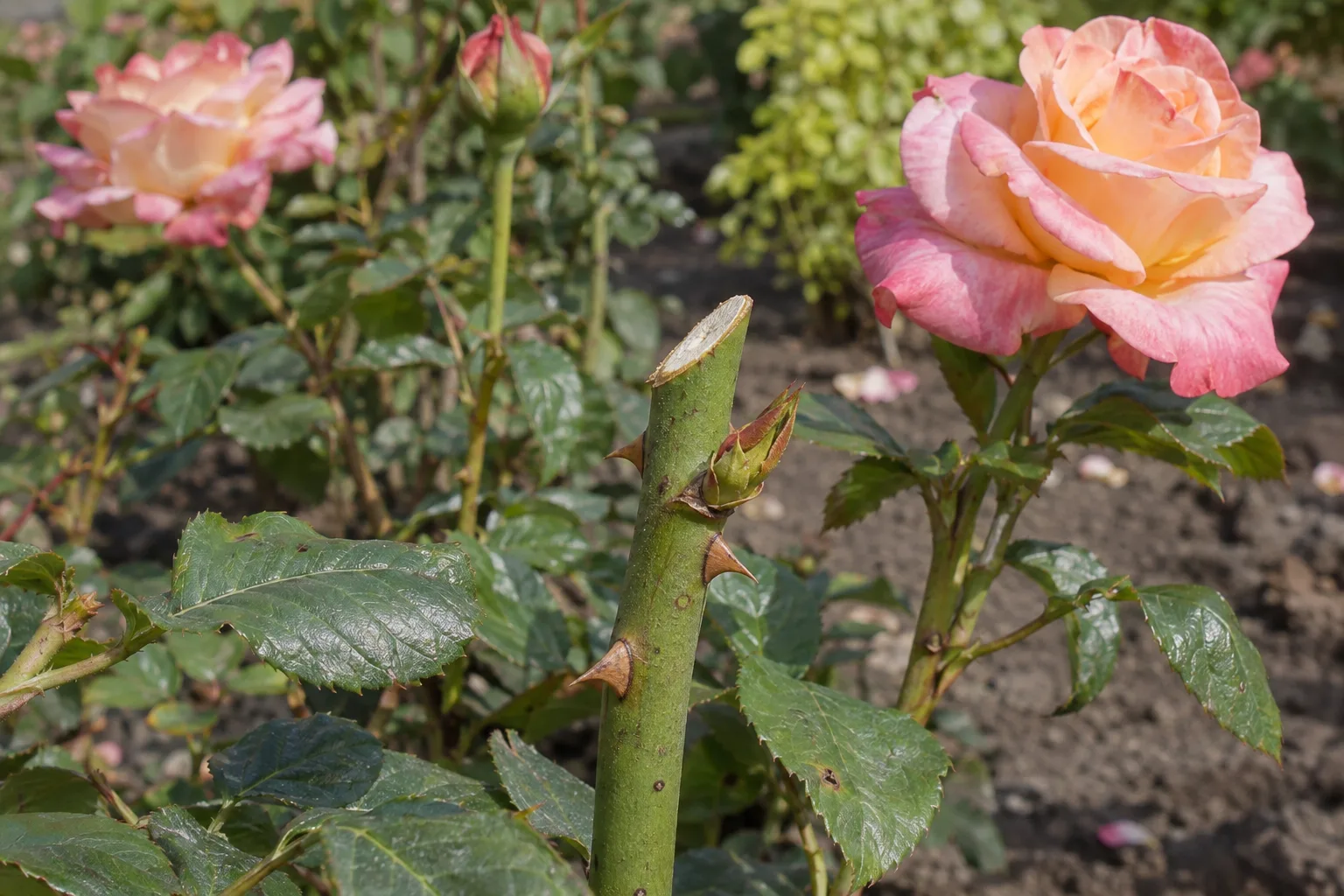
- Cut roses back by about one-third to one-half in mid-February, making each cut about 1/4 inch above an outward-facing bud.
- Lantana can come down to 6 to 12 inches, deer grass to 6 to 8 inches, and autumn sage by one-third to one-half.
- Leave citrus, feathery cassia and desert willow alone in February, since each one is about to bloom or has no leaves to show what is alive.
- Water deeply after pruning, spread 2 to 3 inches of mulch, and hold fertilizer until new growth is 2 to 3 inches long.
When is it safe to start pruning in Queen Creek?
It is safe once the last hard frost has passed, which in the East Valley usually falls between late February and early March. Queen Creek and San Tan Valley often run a few degrees colder on winter nights than the middle of the Phoenix metro area, so a frost in the last week of February is still possible here.
Frost-blackened leaves and tips shield the stems underneath. Leave them on until the cold is behind you. A cut made too early pushes tender new growth, and one freeze can kill it.
Roses and deer grass tolerate an earlier cut than bougainvillea or red bird of paradise, so work in two rounds. Do the hardy plants in mid-February, then return to the frost-tender ones in early March. Our gardening calendars list the other chores that belong to each month.
Which seven plants should I prune in February?
Roses, lantana, yellow bells, bougainvillea, autumn sage, deer grass and red bird of paradise all respond well to a February cut. Each one grows or flowers on new wood, so removing old stems makes room for fresh growth.
Roses (Rosa hybrids)
Hybrid teas, grandifloras and floribundas take a hard cut in mid-February, removing about one-third to one-half of their height. Cut just above an outward-facing bud at a 45-degree angle, then remove dead, crossing and pencil-thin canes entirely. This opens the center for airflow and sends energy into fewer, stronger stems. Repeat it every year.
Lantana (Lantana species)
Cut lantana back to 6 to 12 inches once frost danger ends. It blooms on new growth, and old woody stems leave the plant leggy and sparse. Clear the dead debris, water deeply, and expect fresh shoots within a few weeks.
Yellow bells (Tecoma stans)
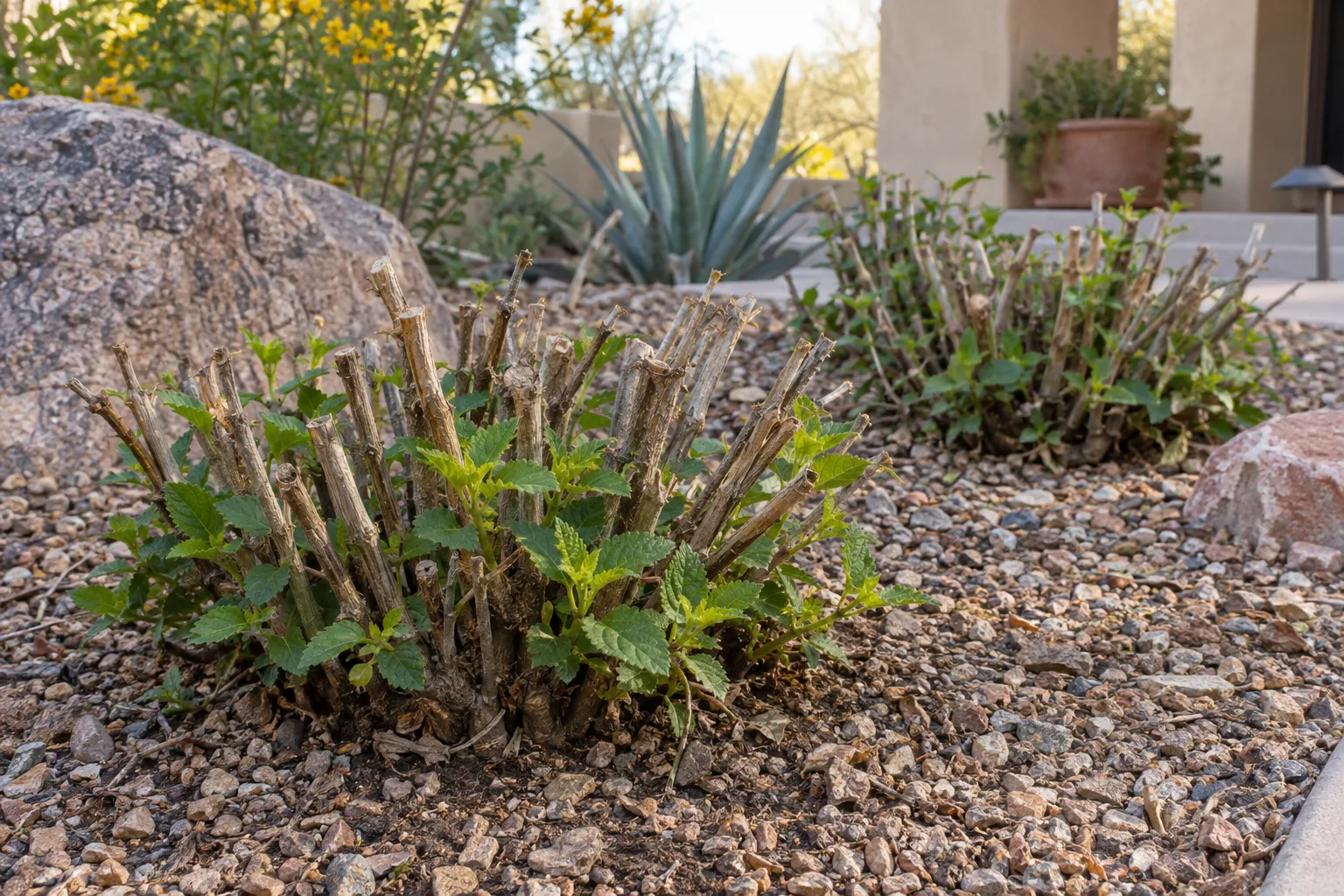
Reduce yellow bells by about one-third to one-half in late February, removing frost-damaged tips as you go. Shape it open rather than shearing it into a ball, because shearing builds a dense outer shell and leaves the interior bare. Cut before the March growth surge so the summer flowers are not delayed.
Bougainvillea (Bougainvillea species)
Wait until you can see where live wood begins, which after a cold winter may be early March. Then thin crossing branches, trim long runners and open the center. Color forms on new growth, so heavy cuts into old canes delay it. Wear thick gloves, because the thorns are sharp.
Autumn sage (Salvia greggii)
Cut perennial salvia back by one-third to one-half to clear tired winter stems and encourage dense, flower-rich growth. Leave some green on every stem. Stems cut down into bare wood may not regrow.
Deer grass (Muhlenbergia rigens)
Tie the clump loosely with twine and cut it to 6 to 8 inches with hedge shears before new blades emerge. This clears the dead thatch that builds up inside the clump. The twine keeps the cut stems together for easy removal.
Red bird of paradise (Caesalpinia pulcherrima)
Frost often kills the top growth of this shrub, so wait until early March or until you see new buds, then cut stems back to live tissue. Scrape a little bark with a fingernail. Green underneath means the stem is alive, and brown and dry means it is not.
Which three plants should I skip in February?
Skip citrus, feathery cassia and desert willow. Each has a different reason, so here they are one at a time.
Citrus
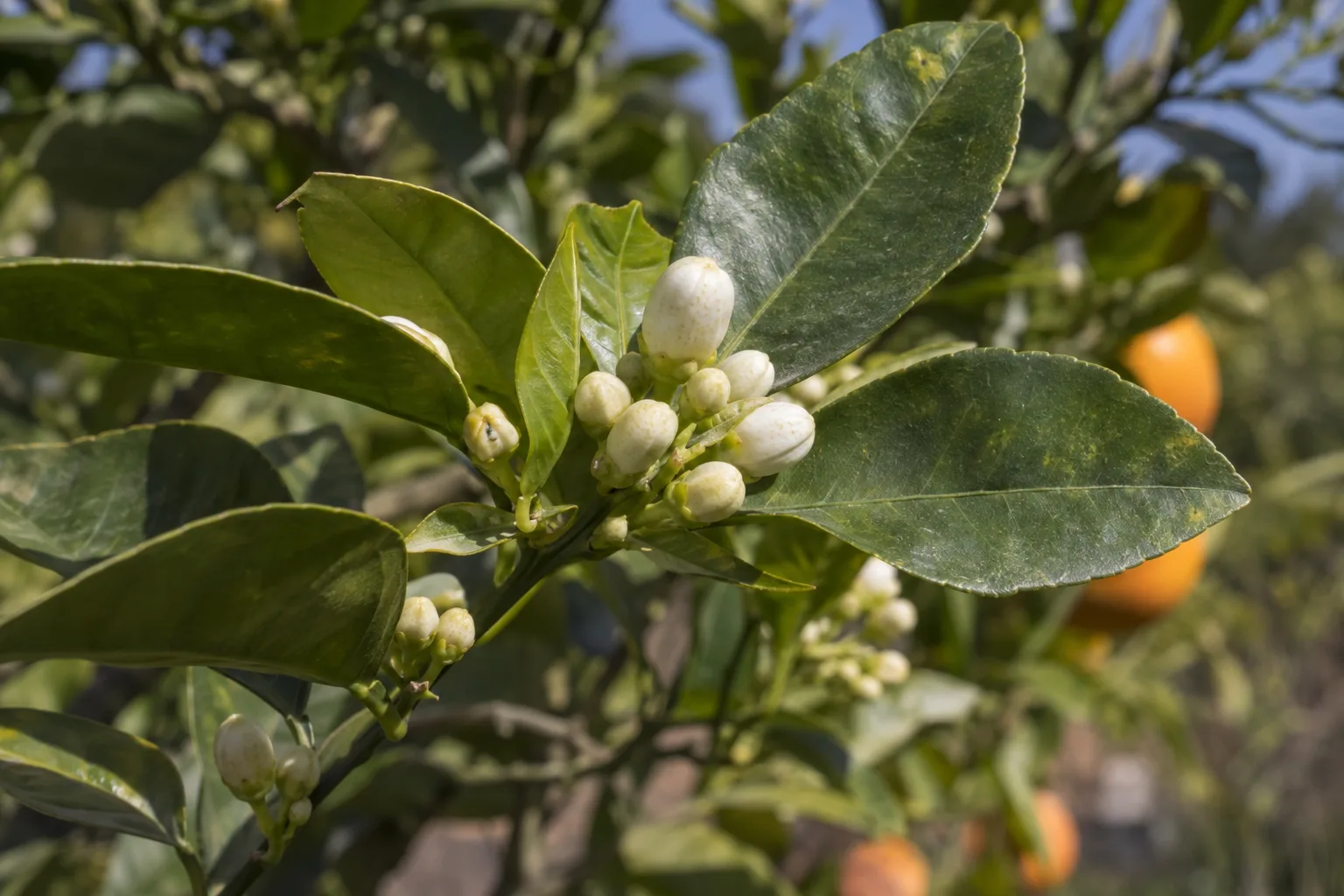
Citrus trees set flower buds in late winter, and a February cut removes some of the fruit you would have picked later. Frost-damaged branches should stay until new growth shows where the live wood ends. Wait until frost risk has passed and the tree has bloomed, commonly April to May, then do light shaping. Dead wood can come out any time. Our citrus trees page shows varieties we commonly carry, and availability changes week to week and season to season.
Feathery cassia (Senna artemisioides)
Feathery cassia flowers from late winter into spring, so a February cut takes off the buds. Shape it lightly right after the flowers fade, and avoid cutting into bare wood.
Desert willow (Chilopsis linearis)
Desert willow is one of the last trees to leaf out, often not until April, and its bare branches look dead in February whether they are or not. Waiting for leaves lets you remove only what is dead. It flowers on new growth from late spring into summer. If you want more shade trees with blooms, browse our flowering trees.
How do I make a clean pruning cut?
Use sharp bypass pruners for stems up to about 3/4 inch, loppers up to about 1.5 inches, and a pruning saw for anything thicker. Bypass blades slice, while anvil blades crush stems and leave ragged wounds that heal slowly. Follow these steps on every plant.
- Walk around the plant first and decide what to remove before you make a single cut.
- Wipe your blades with rubbing alcohol between plants.
- Remove dead, broken and crossing wood first.
- Cut just above a bud or side branch at a slight angle, and leave no stubs.
- Step back every few cuts to check the shape.
- For branches over 1 inch, make an undercut about 12 inches from the trunk, a second cut from above to drop the branch, then a final cut just outside the branch collar.

Bag and discard any diseased wood. Healthy trimmings from roses, salvia and deer grass can go in the compost.
What should I do after pruning?
Water deeply within a day or two, then add mulch. Our irrigation water is hard and our soil is alkaline and often shallow over caliche, so a slow, deep soak at the root zone helps flush salts down and out of reach of new roots.
Spread 2 to 3 inches of organic mulch around each plant, keeping it a few inches from the crown to prevent rot. Mulch slows evaporation and keeps soil temperatures steadier as days warm toward 90°F in April.
Hold fertilizer until new growth is 2 to 3 inches long, then apply a balanced slow-release product to roses, lantana and salvia. If a plant did not survive winter, our plant selection shows shrubs and perennials we commonly carry. Our classes and events page lists what we are offering.
February pruning at a glance
| Plant | When | How much |
|---|---|---|
| Roses | Mid-February | One-third to one-half of height |
| Lantana | After frost danger | Down to 6 to 12 inches |
| Yellow bells | Late February | One-third to one-half |
| Bougainvillea | Late February to early March | Light shaping and thinning |
| Autumn sage | February | One-third to one-half |
| Deer grass | Before new blades emerge | Down to 6 to 8 inches |
| Red bird of paradise | Early March | Back to live wood |
| Citrus | After bloom, April to May | Dead wood and light shaping |
| Feathery cassia | Right after flowering | Light shaping |
| Desert willow | After leaves appear | Dead wood and light shaping |
What pruning mistakes cost the most flowers?
Cutting at the wrong time costs the most, followed by cutting the wrong shape. These four show up often in East Valley yards.
Topping trees
Cutting the top off a tree leaves large wounds and triggers weak, fast sprouts. If a tree is too tall for its spot, the longer-term fix is a different tree.
Shearing shrubs into balls
Shearing removes the branch tips that carry buds. The plant fills in a dense outer layer, and the interior leaf drop leaves a hollow shell that browns in summer sun.
Cutting frost damage too soon
Stems that look dead in January often have live tissue lower down, and the plant may sprout again from the base. Wait for new growth, then cut to live wood.
Sealing cuts with paint or tar
University extension guidance generally advises against wound sealants on pruning cuts, because they can trap moisture against the wood. Let cuts dry and callous on their own.
Frequently asked questions
Can I prune in January instead of February?
Light cleanup is fine in January, but hold hard cuts until mid-February or later. Freezes remain possible in Queen Creek through at least late February, and a heavy cut invites tender new growth that one cold night can kill. Until then, remove only clearly dead or broken wood.
How can I tell whether a stem is dead?
Scratch a little bark with your fingernail. Green tissue underneath means the stem is alive, while brown and dry means it is dead. Test at several heights, because stems often live higher up than the blackened tips suggest. Cut back to just above the highest green you find, ideally at a bud.
Should I fertilize right after pruning?
Wait until new growth is 2 to 3 inches long, then apply a light dose of balanced slow-release fertilizer to roses, lantana and salvia. Fertilizer applied right after a cut pushes soft growth that a late frost can burn. Deer grass, desert willow and cassia generally need little or none.
Do I need to clean my pruners between plants?
Yes. Wipe blades with rubbing alcohol or a 10 percent bleach solution between plants, especially after cutting anything diseased or dead. Dirty blades can carry disease from one plant to the next. Rinse and oil bleach-treated tools afterward, since bleach corrodes metal.
What if I miss the February window?
Most of these plants tolerate a cut in March or early April, as long as you finish before heavy new growth and before the heat. Avoid heavy cutting in summer, when highs pass 110°F and fresh cuts expose tissue to harsh sun. Light shaping is fine, and fall is the next window.
Should you prune everything in February?
No. Prune the seven plants above once frost has passed, and leave citrus, cassia and desert willow for later. If your yard is mostly cactus, palms and native trees, you may have almost nothing to cut this month, and that is fine. A late cut costs less than an early one. If you are unsure what a plant is or whether it is alive, bring a photo or a cutting and visit us at the nursery in Queen Creek.