

The tomatoes we commonly carry: heirlooms, the reliable hybrids, cherries and grapes, and a container dwarf — including organic starts and some already-caged plants ready to set out. Plant in February, pick by May, and plant again in late July.
Tomatoes in Queen Creek are a race against the heat. Fruit stops setting once nights stay above about 75°F and days pass 95°F, which happens in June, so the plants go in early — mid-February under frost cloth, March at the latest — to ripen a crop by late May. A second planting in late July or August, shaded through the worst of the heat, sets fruit again when nights cool in September and ripens through November. Choose early, heat-tolerant and cherry types and you can pick tomatoes from May to December.
We commonly carry heirlooms ‘Cherokee Purple’, ‘Aunt Ginny’s Purple’, ‘Boxcar Willie’, ‘Gold Medal’, ‘Legend’ and ‘Orange Oxheart’; workhorses ‘Early Girl’, ‘Beefmaster’, ‘Jubilee’ and ‘Roma’; cherries and grapes ‘Sungold’, ‘Juliet’, ‘Husky Red Cherry’, ‘Large Red Cherry’ and ‘Chocolate Sprinkles’; and the patio dwarf ‘Tasmanian Chocolate’. Some come already caged, for a head start. The rest of the edible benches are on our Herbs & Vegetables page.
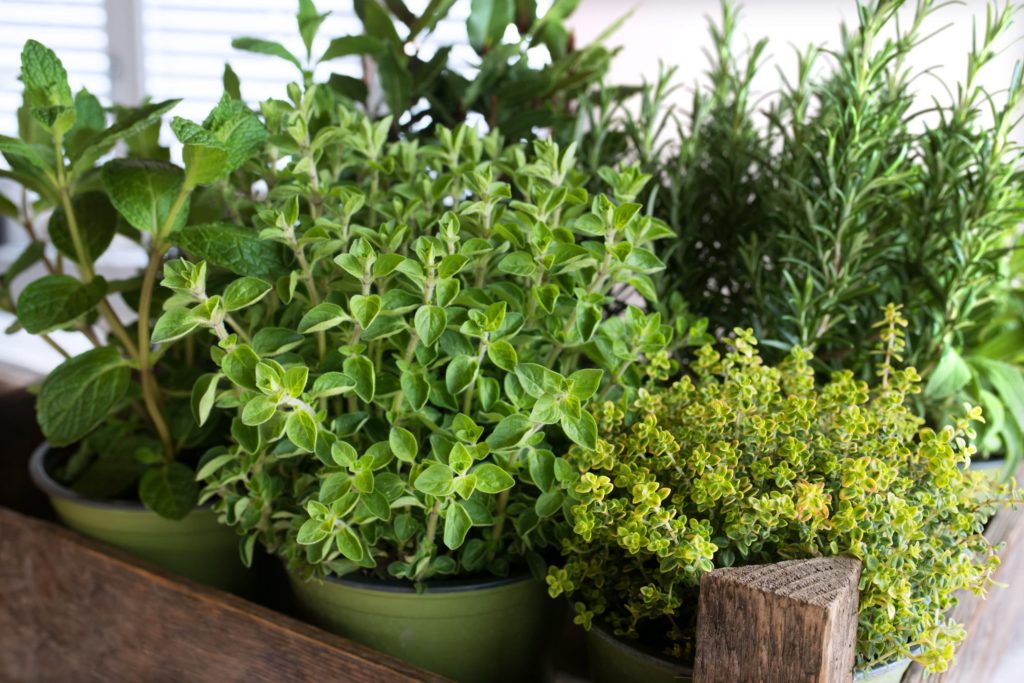
These are the tomato varieties we commonly carry. Availability changes week to week and season to season, so call (480) 987-3308 or stop in to see what’s on the bench today.
the most reliable producers in our heat
The orange cherry that wins every taste test: sweet, tropical, and the most productive tomato in a Queen Creek garden, setting fruit into heat that stops everything else. Indeterminate — cage it tall.
Elongated red grape tomatoes in heavy clusters, crack-resistant and disease-tolerant. Keeps producing through early summer heat and is a strong choice for the fall planting.
A compact, dwarf-indeterminate red cherry on a sturdy four-foot plant — good for large containers. Steady producer.
Classic inch-wide red cherries on a vigorous vine. Usually sold already caged, a month ahead of a small start.
Red-brown cherries with green stripes and a rich, sweet flavor on a productive vine.
early and dependable
The dependable early slicer: medium red fruit about 55 days from transplant, which in our climate means picking in May before the heat shuts fruit set down.
A big beefsteak hybrid, up to a pound, with disease resistance. Needs the earliest planting to size fruit before June; give it afternoon shade cloth.
A golden-orange, low-acid slicer with mild, sweet flesh. Mid-season; plant in February for a late-May crop.
The paste tomato for sauce and drying, on a determinate bush. The compact habit suits a large container.
A true dwarf, three feet tall, with full-sized red-brown beefsteak fruit — the tomato for a 15-gallon pot on the patio.
flavor first
The dusky purple-red beefsteak with the smoky, rich flavor heirloom fans chase. Needs early planting and shade cloth in June; worth it.
A German heirloom: large pink-purple beefsteaks, sweet and meaty, on a potato-leaf plant. Plant in February.
A productive red-orange heirloom slicer with old-fashioned balanced flavor and fewer cracks than most heirlooms.
A yellow-and-red bicolor beefsteak, mild and sweet, often over a pound. Late — plant it first in February.
A compact, early determinate slicer bred for cool climates that, here, means it sets fruit fast in the short spring window. Sets fruit without pollination in cool weather.
Heart-shaped orange fruit with dense, low-seed flesh — a paste-slicer crossover for sauce or sandwiches.
Looking for one that isn’t listed? Ask — we can usually suggest a close match or tell you when it tends to come around.
The care tag was written somewhere else. This is the Queen Creek version.
Transplant from mid-February through March, protecting plants with frost cloth on nights below 35°F until early March. This is earlier than the tag says, and it is the single most important thing about growing tomatoes here: fruit set stops when nights stay above 75°F and days pass 95°F, usually by mid-June, so the crop must be set by then. A second round of transplants in late July or August, shaded, sets fruit from mid-September and ripens into November and December.
Raised beds or large containers (15 gallons minimum) with a rich, well-drained mix — native soil amended with a third compost, or a quality raised-bed mix. Plant deep, burying the stem up to the first true leaves; roots form along it. Add a handful of gypsum and a balanced organic fertilizer to the hole. Cage or stake at planting.
Balanced organic fertilizer at planting, then a lower-nitrogen tomato fertilizer every three weeks once flowers appear; too much nitrogen gives vines and no fruit. Tap or shake flower clusters at midday to help pollination when it is warm and still. Blossoms that drop without setting in June and July are responding to heat, not disease — the plant resumes in September.
Full sun from February through May. From June onward, 30–40 percent shade cloth over the plants, or a site with afternoon shade, keeps foliage from scorching and lets the plant survive to fruit again in fall. Fruit exposed to direct sun gets white, leathery sunscald patches — keep the leaf canopy and don’t over-prune.
Drip irrigation on a timer: a deep soak every two to three days in spring, daily in summer heat, always in the morning. Consistency matters more than volume — swings between dry and wet cause blossom-end rot and cracking. Mulch three inches of straw or wood chips to hold moisture and keep roots cool. Containers may need water twice a day in June.
Tomato hornworms (huge green caterpillars) and leaf-footed bugs are the two to hand-pick; check daily in May. Whiteflies and spider mites in heat — hose the undersides. Curled, yellow-mottled leaves in early summer are curly top virus spread by leafhoppers; pull the plant. Tomato foliage is toxic to cats and dogs.
Photo of the bed, how much sun it gets and what you want to eat — we’ll match varieties and planting dates to it. Advice is free.
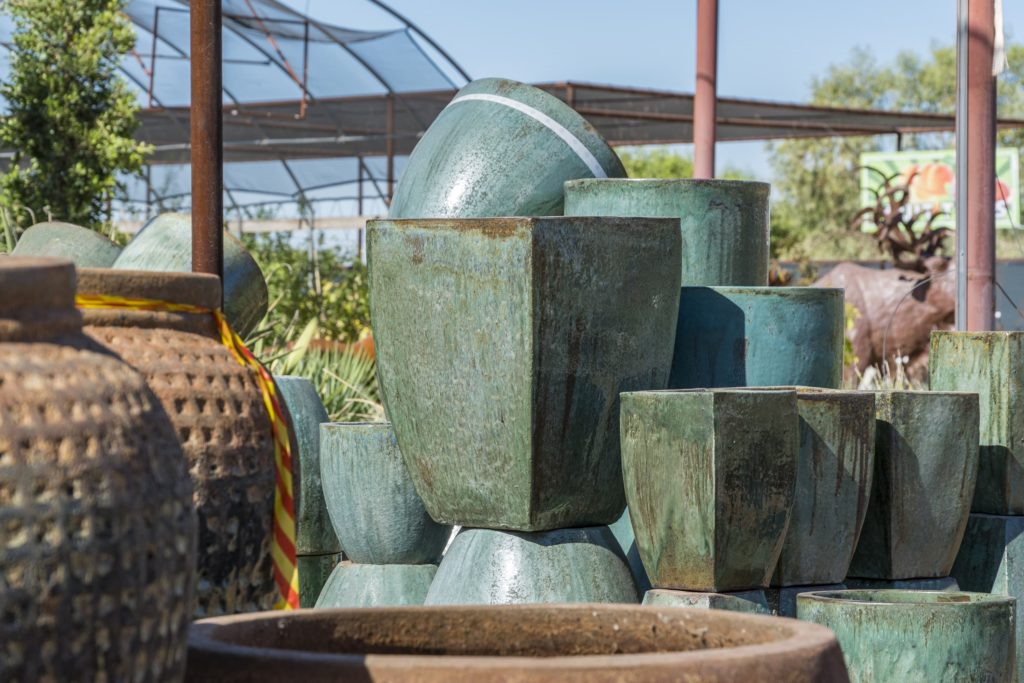
We stock raised-bed and vegetable planting mix, compost and steer manure by the bag or the yard, organic vegetable fertilizers, tomato cages and stakes, shade cloth for the May-to-September stretch, frost cloth for January, and drip fittings. The pottery yard has half-barrels and 15-gallon pots for patio vegetables, and soil and mulch is sold by the bag or by the yard.
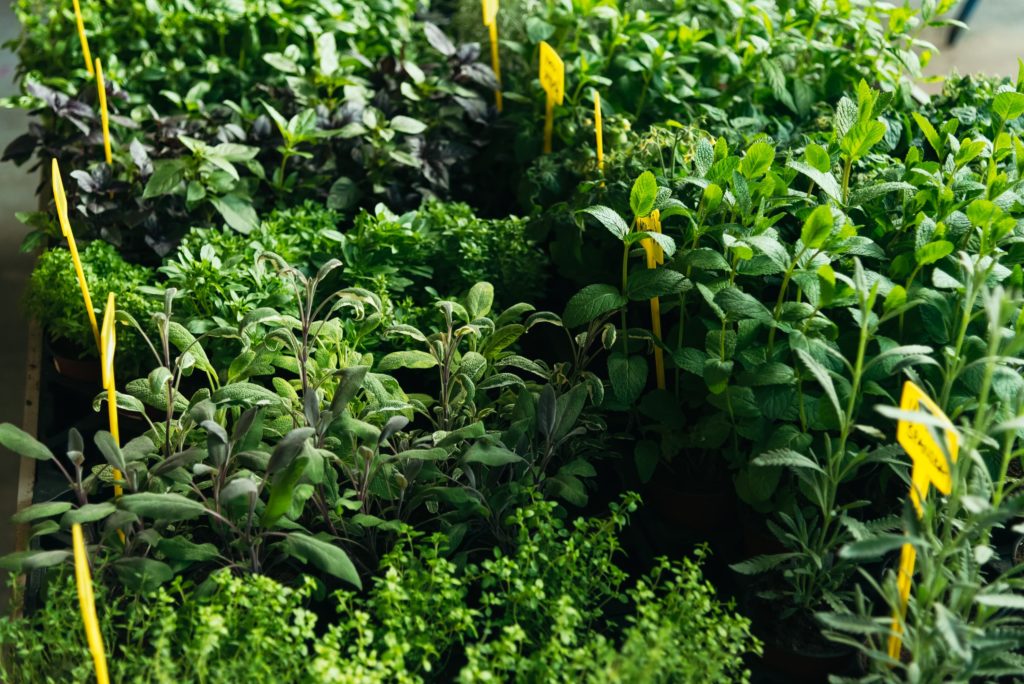
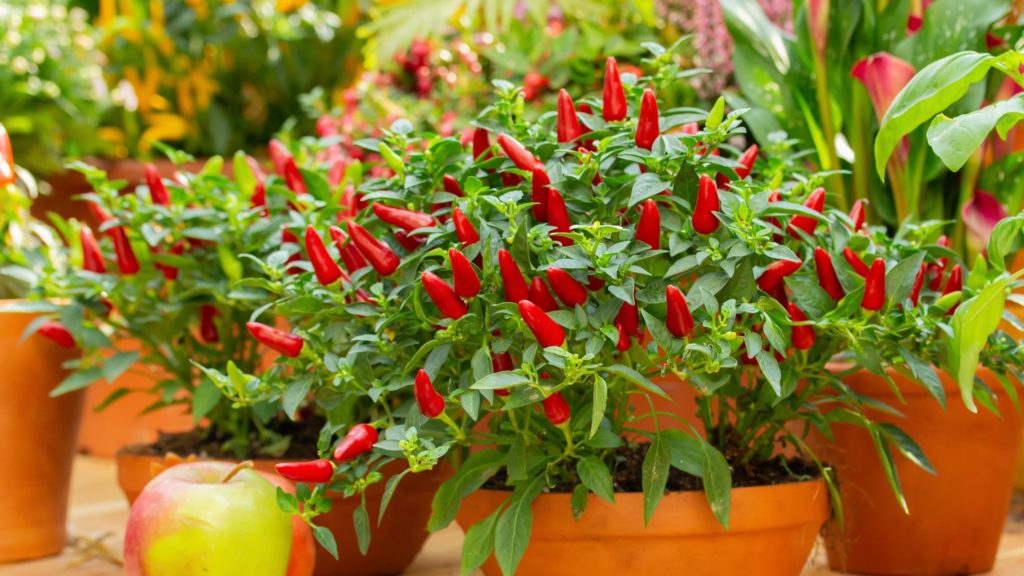

Mid-February through March, with frost cloth on cold nights — much earlier than in most of the country — so fruit sets before the June heat. Plant again in late July or August for a fall crop.
Heat. Tomato pollen fails when nights stay above 75°F and days pass 95°F. Keep the plant alive with shade cloth and water and it will set fruit again when nights cool in September.
Cherries and grapes — ‘Sungold’, ‘Juliet’, ‘Husky Red’ — and early hybrids like ‘Early Girl’ that finish before June. Large heirlooms and beefsteaks need the earliest planting and shade cloth.
A deep soak every two to three days in spring and daily in summer, on drip, in the morning, with heavy mulch. Consistency prevents blossom-end rot and cracking.
Blossom-end rot — a calcium delivery problem caused by uneven watering, not a disease. Water consistently, mulch, and add gypsum at planting. Later fruit is usually fine.
Yes, in 15- to 20-gallon containers with a quality potting mix and drip, watered daily in summer. Determinate and dwarf types — ‘Roma’, ‘Tasmanian Chocolate’, ‘Husky Red Cherry’ — suit pots best.
Tomato live on the herb and vegetable benches; any staff member can point you to them. Locally owned, and a short drive from San Tan Valley, Gilbert, Chandler and Mesa.