Deep, regular irrigation during the growing season, especially during fruit development and extreme summer heat. Allow the upper few inches of soil to dry between waterings; reduce irrigation after leaf drop.
Size
12-15 ft tall × 12-15 ft wide
Habit
Upright tree – spreading canopy
Toxicity
Toxic — Pets
Description
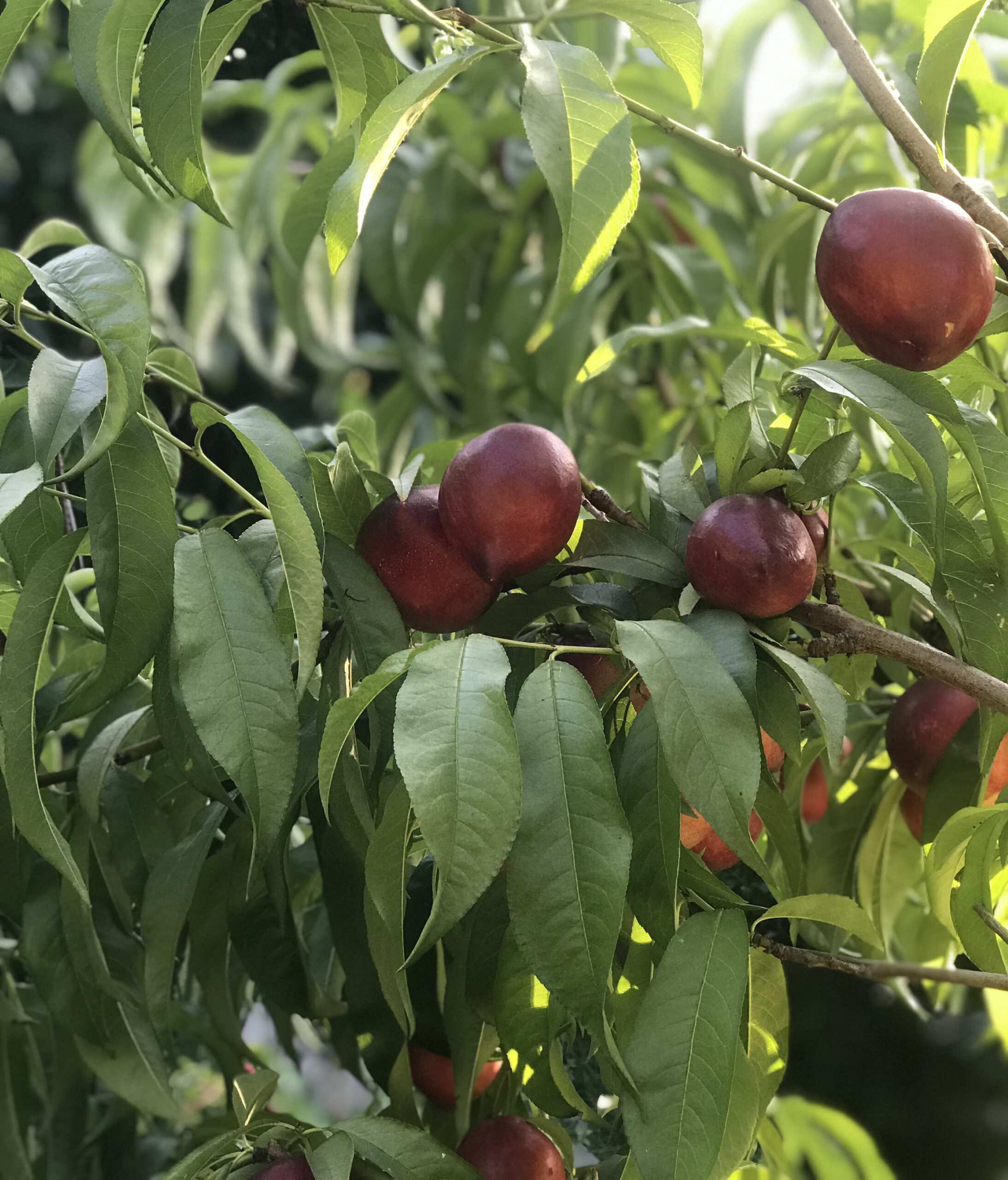
A low-chill nectarine producing medium-sized, red-blushed fruit with juicy, sweet, aromatic white flesh. Suitable for Phoenix gardens where winter chilling is sufficient.
Bloom Time
Late winter to early spring
Deciduous / Evergreen
Deciduous
Special Features
Growth Rate
Moderate to fast
Growth Habit
Upright tree – spreading canopy
Mature Size
12-15 ft tall × 12-15 ft wide
Flower Color
Pink
Foliage Color
Green
Landscape Use
Edible / Orchard, Shade Tree
Garden Style
Edible Garden
Soil
Well-Drained
Companion Plants
Garlic chives, Yarrow
Toxic — Pets
Leaves, bark and pits toxic if ingested (cyanogenic); fruit flesh edible
Care Instructions
Light: Full sun with at least 6–8 hours daily; protection from intense western afternoon sun can reduce sunburn in Phoenix.
Water: Deep, regular irrigation during the growing season, especially during fruit development and extreme summer heat. Allow the upper few inches of soil to dry between waterings; reduce irrigation after leaf drop.
Soil: Deep, well-drained loam preferred. Avoid waterlogged soil and restrictive caliche layers; alkaline Phoenix soils may require treatment for iron deficiency.
Mature size: Approximately 15–20 feet tall and wide on standard rootstock; smaller on size-controlling rootstocks. Can be maintained around 8–12 feet with regular pruning.
Bloom: Pink blossoms in late winter to early spring, depending on winter temperatures; fruit typically ripens in late spring to early summer in Phoenix.
Evergreen / deciduous: Deciduous.
Growth rate: Moderate to fast with adequate irrigation and nutrition.