

Aporocactus flagelliformis — pencil-thin spiny stems that trail three feet from a hanging basket and cover themselves in magenta flowers in spring. A basket cactus for a covered patio or bright window.
Rat tail cactus is a Mexican epiphyte that grows as a cascade of slender, ribbed, densely bristled stems — a foot a year, to three or four feet — and every spring produces a run of hot-pink tubular flowers along them that lasts for weeks. It is easy in a hanging basket where the stems can hang free and the fine spines stay away from passers-by, and it takes more sun than the other jungle cacti on this bench.
Morning sun, a gritty mix, water in summer, almost none in winter, and frost cover — and it will outlive most of your other houseplants. The rest of the bench is on our Succulents page.

This is the rat tail cactus we commonly carry. Availability changes week to week and season to season, so call (480) 987-3308 or stop in to see what’s on the bench today.
Trailing, half-inch-thick ribbed stems covered in short golden spines, reaching three feet or more from a hanging basket. Magenta flowers two to three inches long in spring. Morning sun, dry winters, frost-free.
Looking for one that isn’t listed? Ask — we can usually suggest a close match or tell you when it tends to come around.
The care tag was written somewhere else. This is the Queen Creek version.
Outdoors, direct sun until late morning and bright shade in the afternoon from April through October; full afternoon sun scorches the stems yellow. In winter it can take sun most of the day. Indoors it wants the brightest window you have, ideally east or south, and flowers less than outside.
Hang it under a patio roof against the house, and cover or bring it in when nights drop below about 30°F. It handles light frost better than the other jungle cacti but not a hard freeze. Keep it dry when it is cold.
A cactus fertilizer at half strength monthly from April through August. Trim damaged or dead stems at the base; cuttings root in dry mix after callusing for a week. Old baskets get thin at the top — take cuttings and restart.
From March through September, water when the mix is dry through — every week to ten days outdoors in the heat, every two weeks indoors. From October through February, once every three to four weeks; the dry, cool rest is what sets the spring flowers. Gritty cactus mix with extra pumice in a basket with drainage; rot starts in wet baskets.
The spines are short, fine and numerous — they lodge in skin at a touch. Hang the basket where nobody brushes past it, and handle the stems with folded newspaper or leather gloves when repotting. Repot every three years or so, after flowering.
Non-toxic, but the spines are a hazard to curious pets and children; hang it out of reach. Mealybugs between the stems at the crown and spider mites in dry indoor air; rinse and treat with insecticidal soap.
Stretching, mushy stems, a sunburned side — snap a photo of the plant and where it lives and we’ll sort it out at the bench. Advice is free.
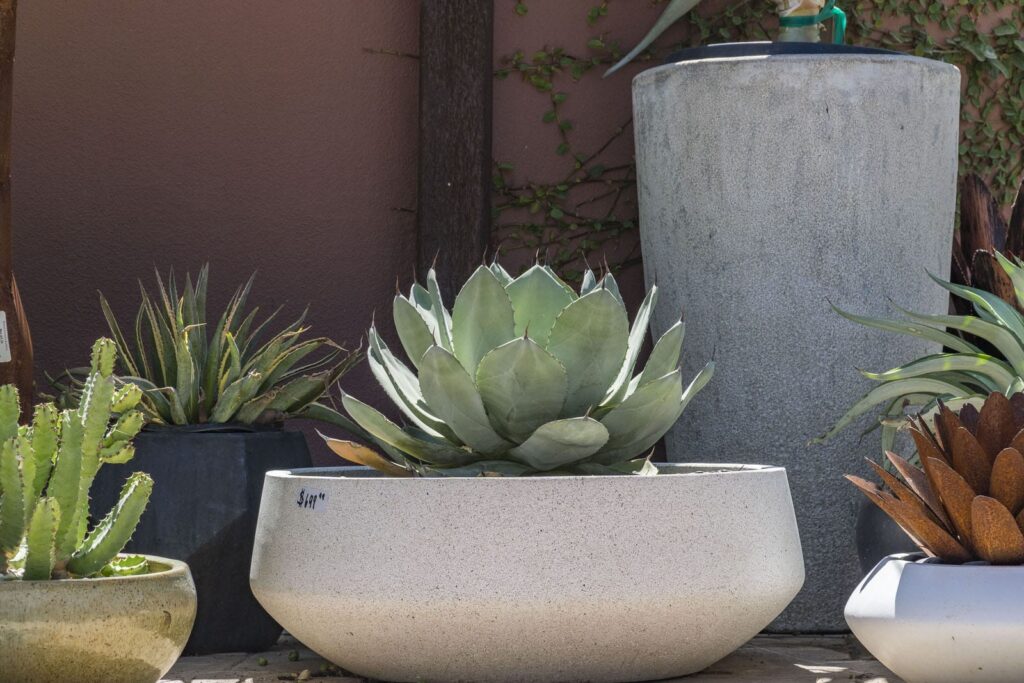
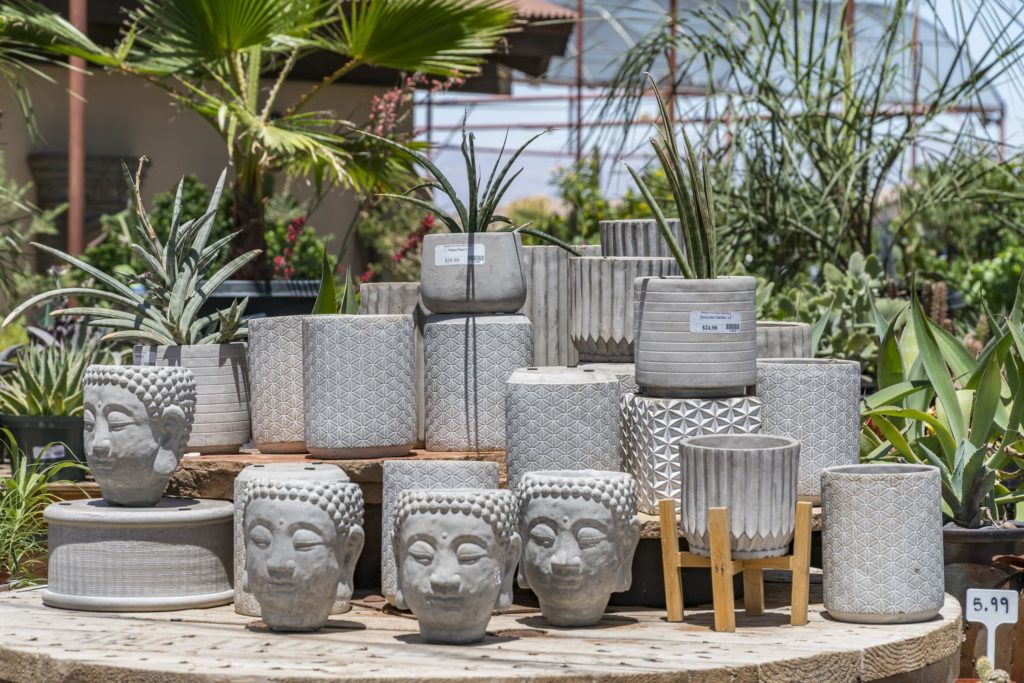
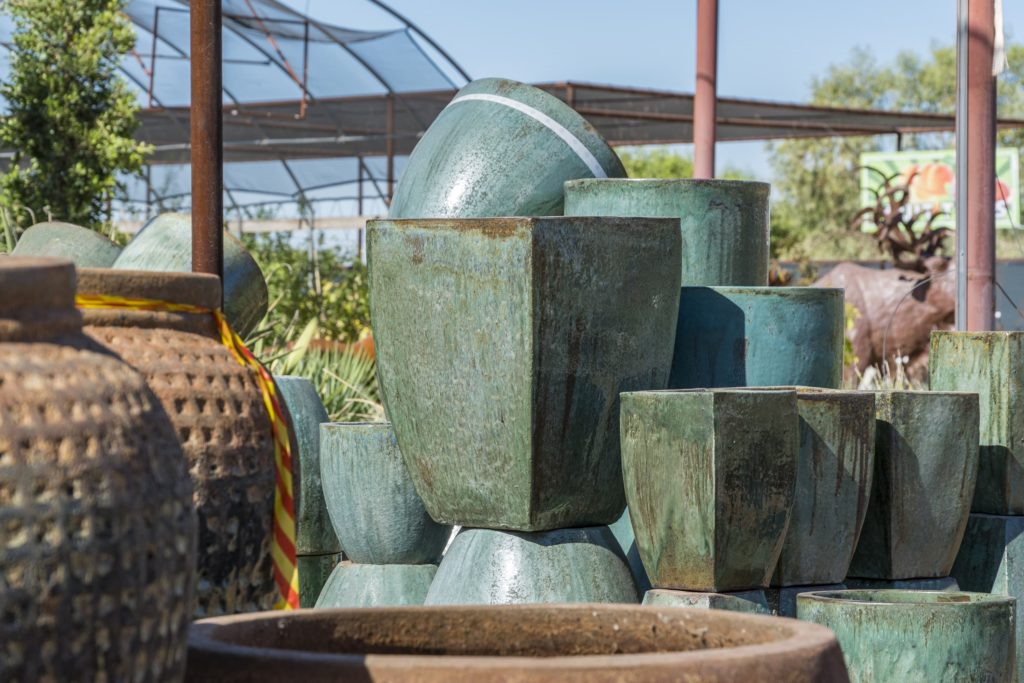
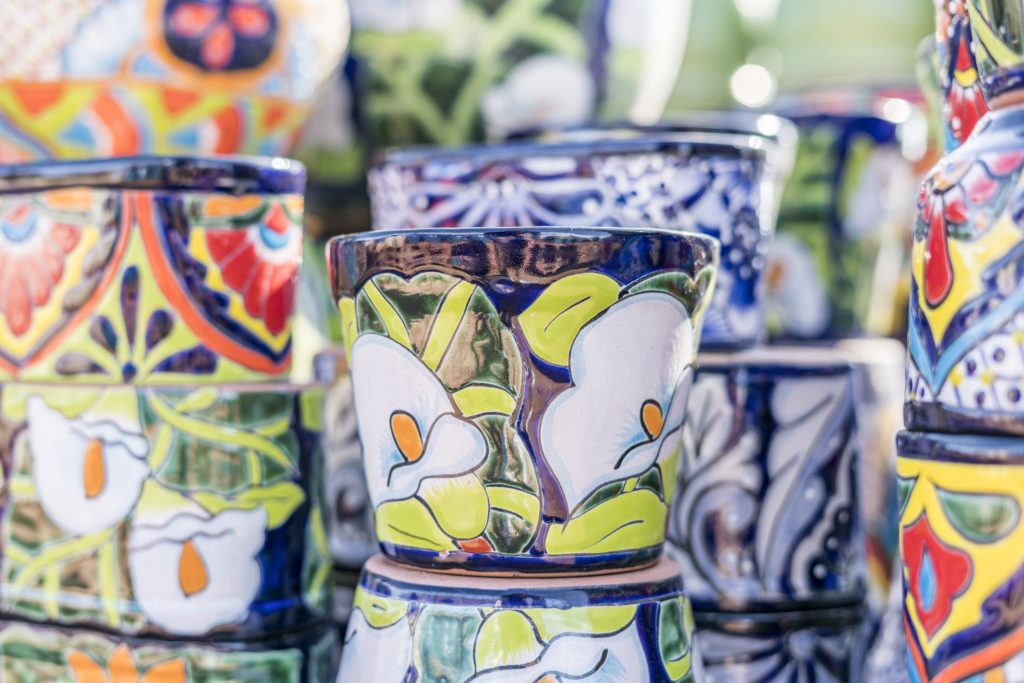
Succulents live or die on drainage. We stock cactus and succulent mix, pumice and grit to open it up further, slow-release low-nitrogen fertilizer, and the shallow terracotta and glazed pots that dry out the way they like. The pottery yard has bowls, strawberry jars and hanging baskets for the trailing types.

Morning sun, and all-day sun in winter. Afternoon sun from April to October burns the stems; give it shade after noon.
Every week to ten days in summer when the soil is fully dry, and every three to four weeks from October through February. The dry winter is what triggers flowering.
Spring, usually March through May, with hot-pink tubular flowers along the stems for several weeks. A dry, cool winter and good light are what bring them on.
Under a patio roof, yes, with cover on nights below about 30°F. Keep it dry while it is cold.
It is non-toxic, but the fine spines injure noses and paws. Hang it out of reach.
Too much afternoon sun, most often. Move it to morning-sun-only. Yellow soft stems at the crown with wet soil mean rot; let it dry out and repot into gritty mix.
Rat Tail Cactus live on the succulent bench; any staff member can point you to them. Locally owned, and a short drive from San Tan Valley, Gilbert, Chandler and Mesa.