

Bunching ‘Parade’ for green onions and short-day bulbing onions ‘Red Monastrell’ and ‘Talon’. Transplant October through January — short-day onions must size up before the spring day length tells them to bulb.
Onions in the low desert follow a rule most gardeners have never had to think about: day length. Short-day varieties start forming bulbs when days reach about twelve hours, in March, so the plant must be big and leafy by then to make a big bulb. That means transplanting from October through January and feeding hard through winter. Bunching onions skip the bulb entirely and can be cut as green onions from six weeks after planting.
We commonly carry three: ‘Parade’ bunching onion, and the short-day bulbing varieties ‘Red Monastrell’ and ‘Talon’. Full sun, rich soil, steady water, and stop watering when the tops fall over. Onions are toxic to dogs and cats. The rest of the edible benches are on our Herbs & Vegetables page.
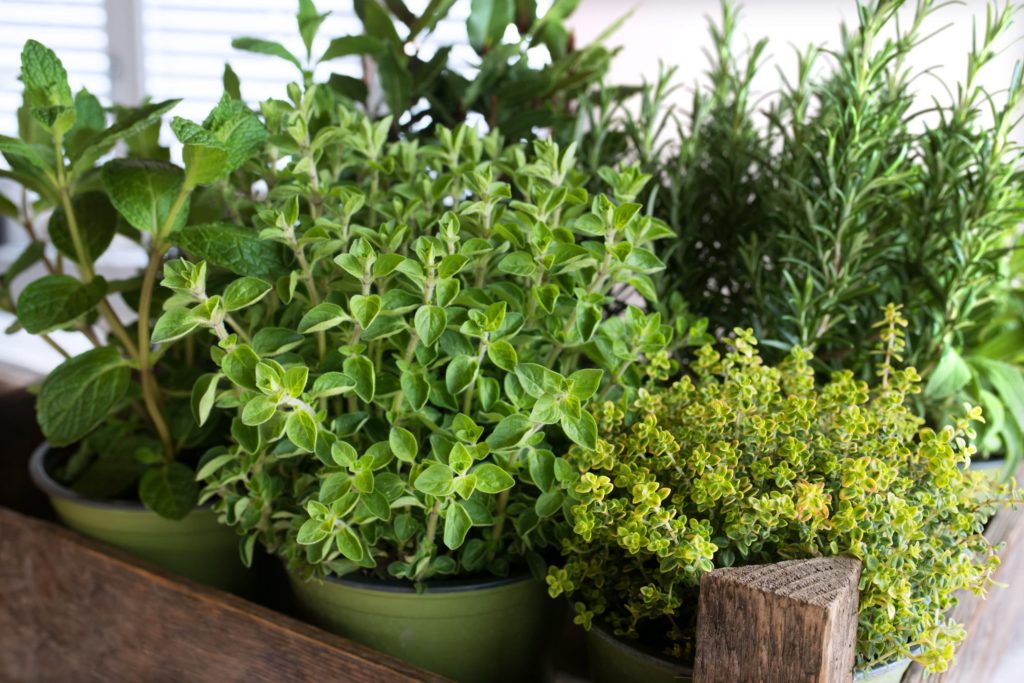
These are the onions varieties we commonly carry. Availability changes week to week and season to season, so call (480) 987-3308 or stop in to see what’s on the bench today.
A non-bulbing scallion with long white shanks and dark green tops, ready to cut from about six weeks and harvestable over months. Plant every few weeks.
A short-day red onion with flattened globes, sweet and mild, for salads and grilling. Transplant by January; harvest in May. Stores for a couple of months.
A short-day yellow storage onion with firm, pungent bulbs that keep longer than most sweet types. Transplant October to December for the largest bulbs.
Looking for one that isn’t listed? Ask — we can usually suggest a close match or tell you when it tends to come around.
The care tag was written somewhere else. This is the Queen Creek version.
Transplant bulbing onions from October through January — the earlier, the bigger the bulb, because they stop growing leaves and start bulbing when days lengthen in March. Bunching onions can go in from October through February in successions. Onions planted in spring make small bulbs or none.
Loose, rich, well-drained soil with compost — bulbs push out of heavy clay. Onions are heavy nitrogen feeders through winter: a balanced organic fertilizer at planting, then a nitrogen-rich side-dressing every three weeks until March. Stop feeding when bulbs begin to swell.
Bunching onions: cut or pull as needed from six weeks on. Bulbing onions: when most tops have fallen, lift the bulbs, lay them in a single layer in the shade with good airflow for two weeks until the necks are dry and papery, then trim and store in a cool, dark place. Reds keep two or three months; ‘Talon’ longer.
Full sun. Separate the seedlings and plant them individually, an inch deep and four inches apart for bulbs, two inches apart for bunching. Every leaf an onion grows before March becomes a ring in the bulb, so the goal is a big, leafy plant by spring.
Even moisture on drip: every two to three days in fall and spring, every four to five in winter, with light mulch. Shallow roots mean they can’t reach deep water. When the tops start to yellow and fall over in May, stop watering entirely so the bulbs cure in the ground.
Thrips silver the leaves in spring; a hard hose spray and insecticidal soap. A hard cold snap after a warm spell can make onions bolt — a flower stalk means a bulb that won’t store; use it first. All onions are toxic to dogs and cats.
Photo of the bed, how much sun it gets and what you want to eat — we’ll match varieties and planting dates to it. Advice is free.
We stock raised-bed and vegetable planting mix, compost and steer manure by the bag or the yard, organic vegetable fertilizers, tomato cages and stakes, shade cloth for the May-to-September stretch, frost cloth for January, and drip fittings. The pottery yard has half-barrels and 15-gallon pots for patio vegetables, and soil and mulch is sold by the bag or by the yard.
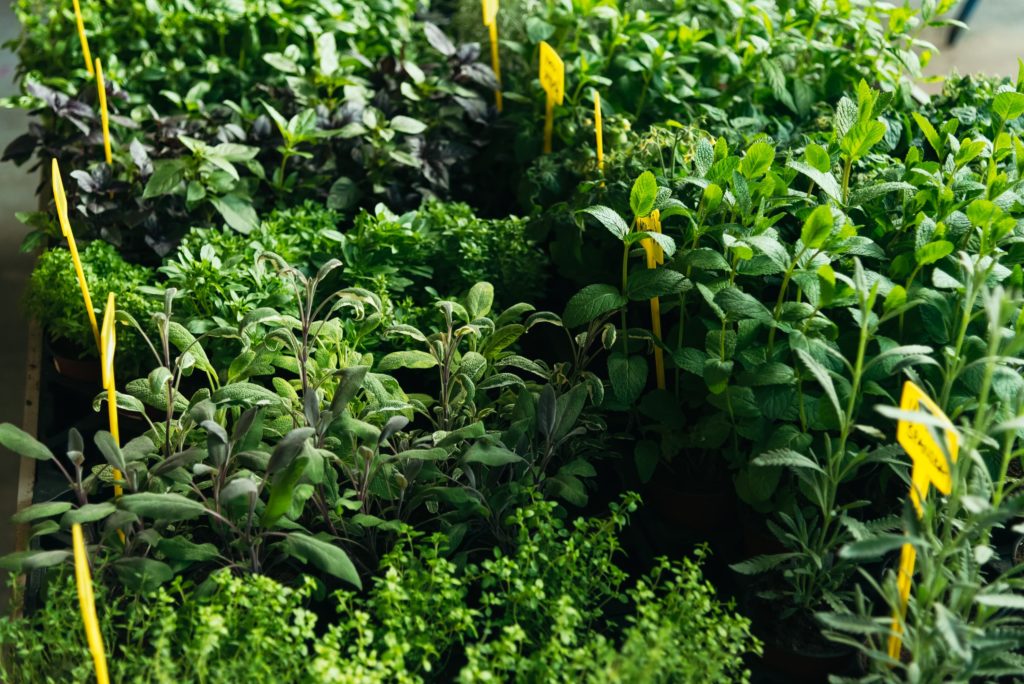
October through January for bulbing onions — earlier is better — and October through February for green onions. Spring-planted onions make small bulbs because day length triggers bulbing in March.
A variety that starts bulbing when days reach about twelve hours, which happens here in March. Long-day onions bred for northern gardens never bulb in the low desert. Buy short-day types only.
Plant early (October or November), feed nitrogen every three weeks through winter, keep the water even, and space them four inches apart. Leaf count before March determines bulb size.
When most of the tops have yellowed and fallen over, usually May. Stop watering, lift the bulbs, and cure them in the shade for two weeks before storing.
Bolting, triggered by cold after warm weather. The bulb won’t store; eat it soon. Plant on time and keep growth steady to reduce it.
No — onions and green onions are toxic to dogs and cats. Fence the bed or plant them out of reach.
Onions live on the herb and vegetable benches; any staff member can point you to them. Locally owned, and a short drive from San Tan Valley, Gilbert, Chandler and Mesa.