Water deeply, wetting the root zone about 2–3 feet deep on established trees, then allow the upper several inches of soil to dry. Water more frequently during extreme summer heat and less in winter; keep irrigation away from the trunk.
Size
10-15 ft tall × 8-12 ft wide
Habit
Upright tree – single-trunk
Toxicity
Toxic — Pets & Humans
Description
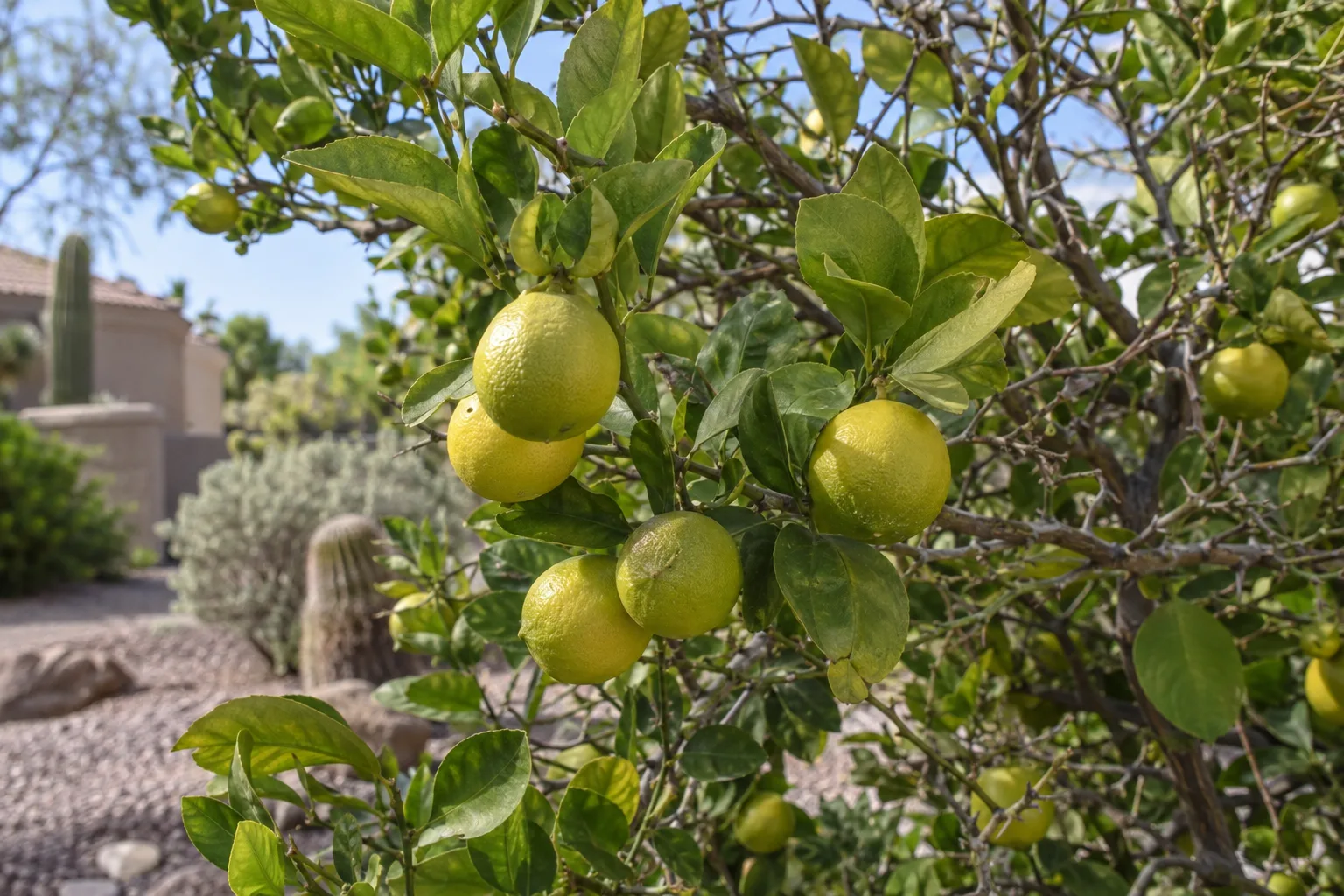
Mexican lime, also called Key lime, is a thorny citrus tree bearing small, thin-skinned, aromatic, tart fruit that turns yellow when fully ripe. It grows well in Phoenix heat but needs winter frost protection.
Bloom Time
Spring; may rebloom intermittently through the year
Deciduous / Evergreen
Evergreen
Special Features
Cold Hardy, Edible, Fragrant, Heat Tolerant
Growth Rate
Moderate to fast
Growth Habit
Upright tree – single-trunk
Mature Size
10-15 ft tall × 8-12 ft wide
Flower Color
White
Foliage Color
Green
Landscape Use
Container / Patio, Edible / Orchard
Garden Style
Edible Garden
Soil
Sandy / Rocky, Well-Drained
Companion Plants
Calendula, Nasturtium, Sweet alyssum
Toxic — Pets & Humans
Fruit edible to humans; foliage and peel oils toxic to pets (mild GI upset)
Care Instructions
Light: Full sun with at least 6–8 hours of direct light; afternoon shade is beneficial in Phoenix, especially for young trees. Avoid intense reflected heat.
Water: Water deeply, wetting the root zone about 2–3 feet deep on established trees, then allow the upper several inches of soil to dry. Water more frequently during extreme summer heat and less in winter; keep irrigation away from the trunk.
Soil: Well-drained sandy loam preferred; tolerates other soils with good drainage. Phoenix’s alkaline soil may cause micronutrient deficiencies. Avoid soggy sites and plant with the root flare slightly above grade.
Mature size: Typically 10–20 feet tall and 10–15 feet wide; size varies with rootstock, pruning, and frost exposure. Container-grown trees remain smaller.
Bloom: Heaviest bloom in spring, with additional flowering possible during warm weather; fruit generally ripens about 5–6 months after flowering.
Evergreen / deciduous: Evergreen; may drop leaves after frost, drought, or other stress.
Growth rate: Moderate to fast with warm temperatures, adequate water, and appropriate citrus fertilization.