

‘Elise’ — a succulent rosette that throws stems of striped pink, orange and salmon flowers in spring. An alpine sold as cool-season color: sharp drainage, water only when dry, afternoon shade, and enjoy it February through May.
Lewisia is a mountain plant from the Pacific Northwest — a flat rosette of fleshy leaves that produces wiry stems of satiny, candy-striped flowers in coral, pink, orange and salmon. ‘Elise’ is a first-year-flowering strain that blooms from a fall or winter planting through spring. In the low desert it is not a permanent resident: treat it as a cool-season container plant, give it the sharp drainage and afternoon shade it demands, and let it go when the heat and monsoon humidity arrive.
We commonly carry ‘Elise’. Gritty mix, dry between waterings, and a pot you can move into shade. The rest of the color tables are on our Annual Flowers & Foliage page.

This is the lewisia we commonly carry. Availability changes week to week and season to season, so call (480) 987-3308 or stop in to see what’s on the bench today.
Lewisia cotyledon ‘Elise’: evergreen succulent rosettes to six inches with sprays of inch-wide striped flowers in mixed pink, salmon, orange and coral on eight-inch stems, flowering in its first spring.
Looking for one that isn’t listed? Ask — we can usually suggest a close match or tell you when it tends to come around.
The care tag was written somewhere else. This is the Queen Creek version.
Set out from November through February. It flowers from February through May and declines once nights warm and humidity rises in July. Some survive the summer in a dry, shaded, gritty pot; most are enjoyed for the season.
Lewisia rots at the crown in wet soil. Plant in a gritty succulent mix in a pot with a large drainage hole or a raised rock-garden pocket, set the rosette slightly high, and mulch the crown with gravel, never bark. Water only when the mix is dry — every five to seven days in spring, every ten days in winter, and barely at all in summer if you attempt to keep it.
Move the pot into full shade in June, stop watering except a light drink every two or three weeks, and keep it out of monsoon rain. Rosettes that make it through resume growth in October. Losses are common; buy it as spring color.
Morning sun and afternoon shade year-round here. Full afternoon sun scorches the rosette; deep shade reduces flowering.
A low-strength balanced fertilizer once a month in spring. Cut spent flower stems at the base; new sprays follow through the season.
Aphids on flower stems; snails on rosettes after rain. Non-toxic to cats and dogs.
Snap a photo of the spot — sun direction, wall color, pot size — and we’ll pick a season-correct combination with you. Advice is free.
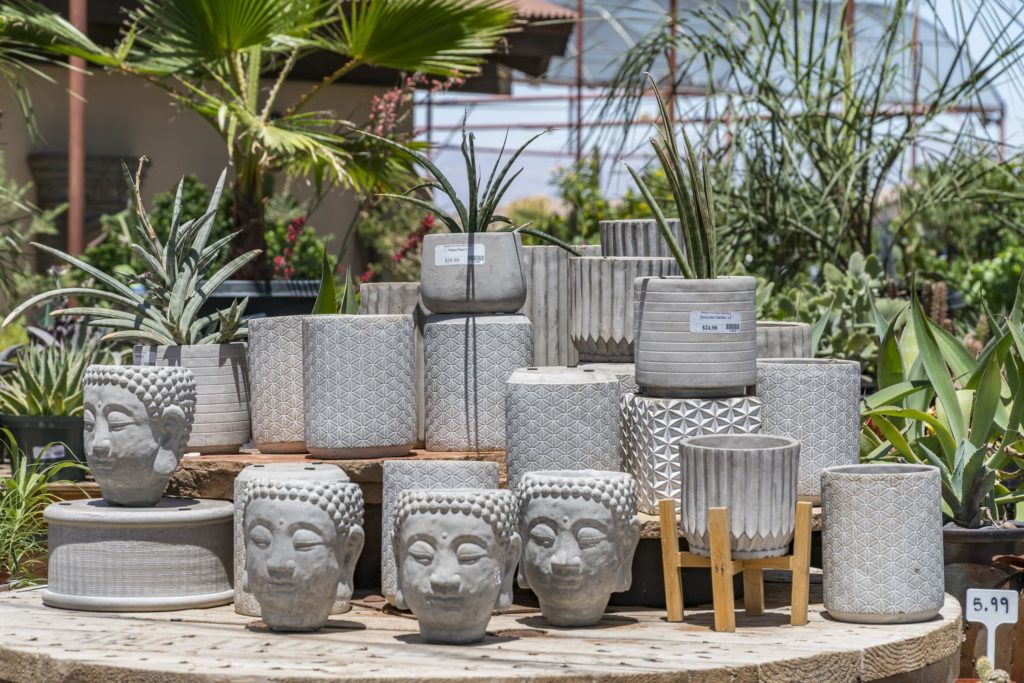
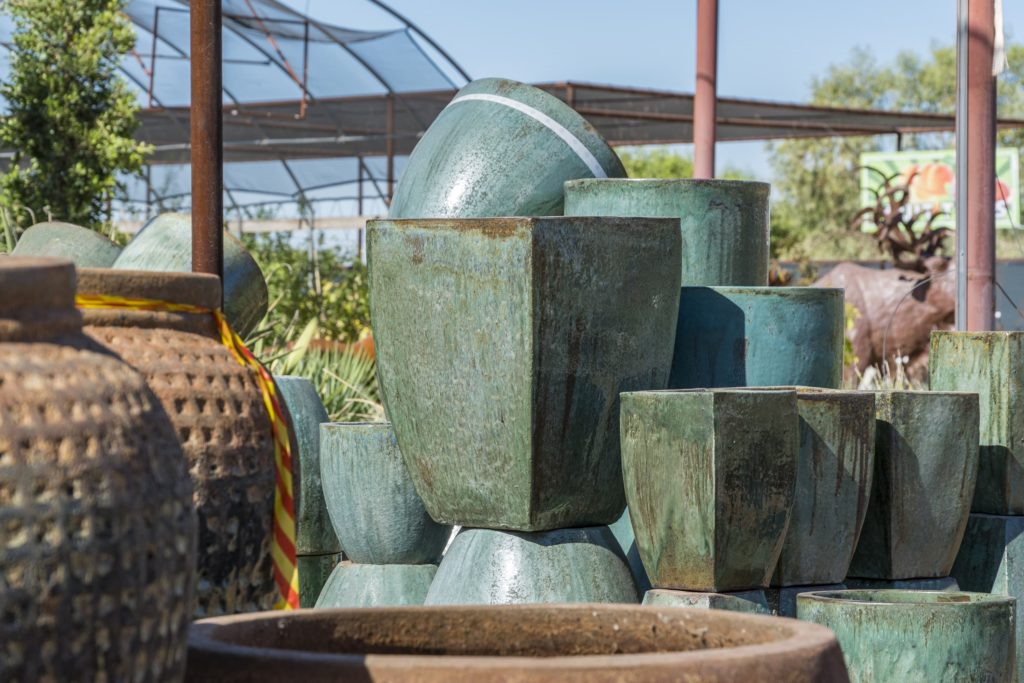
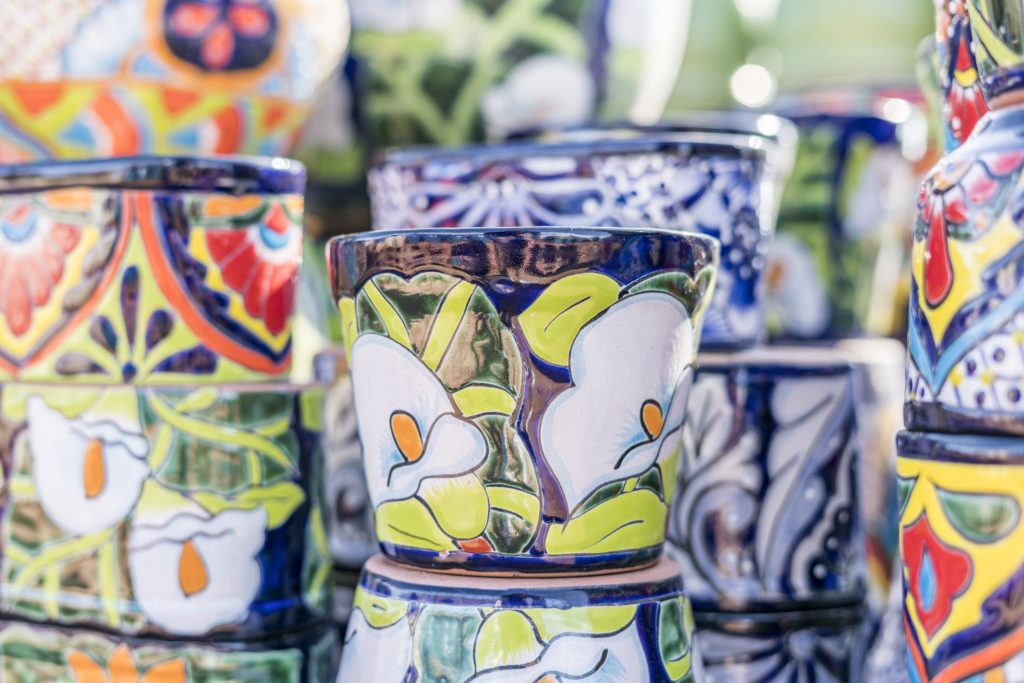
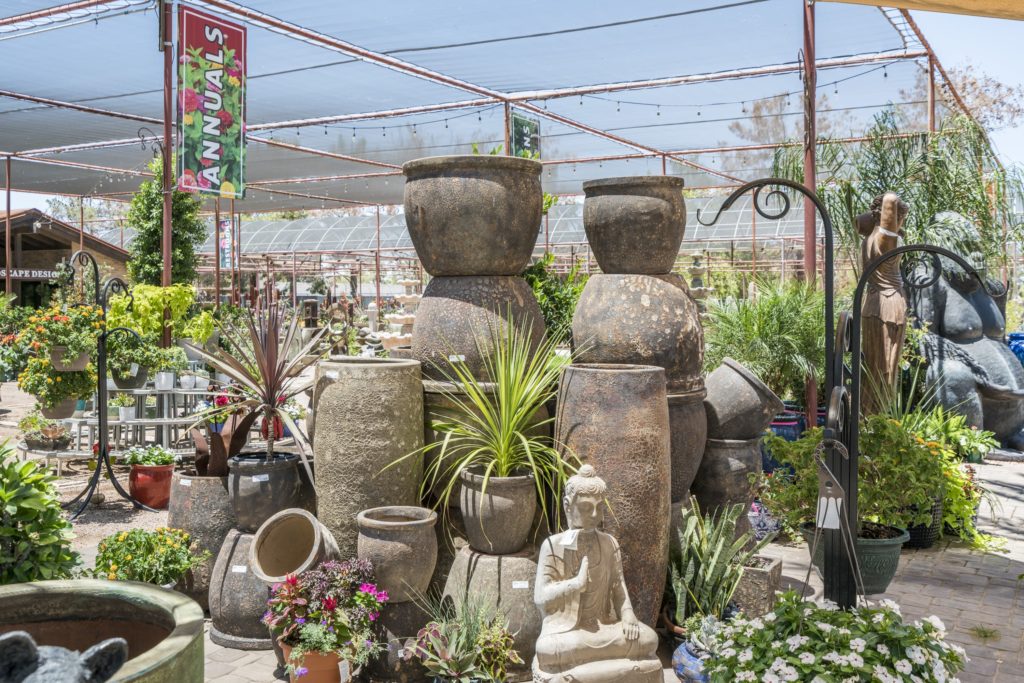
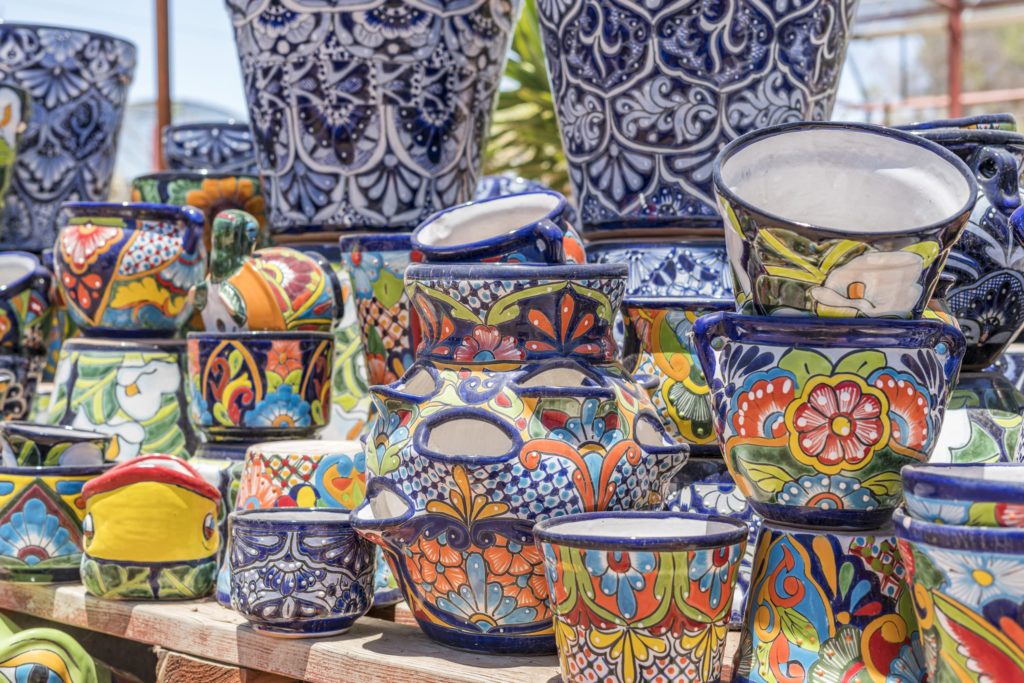
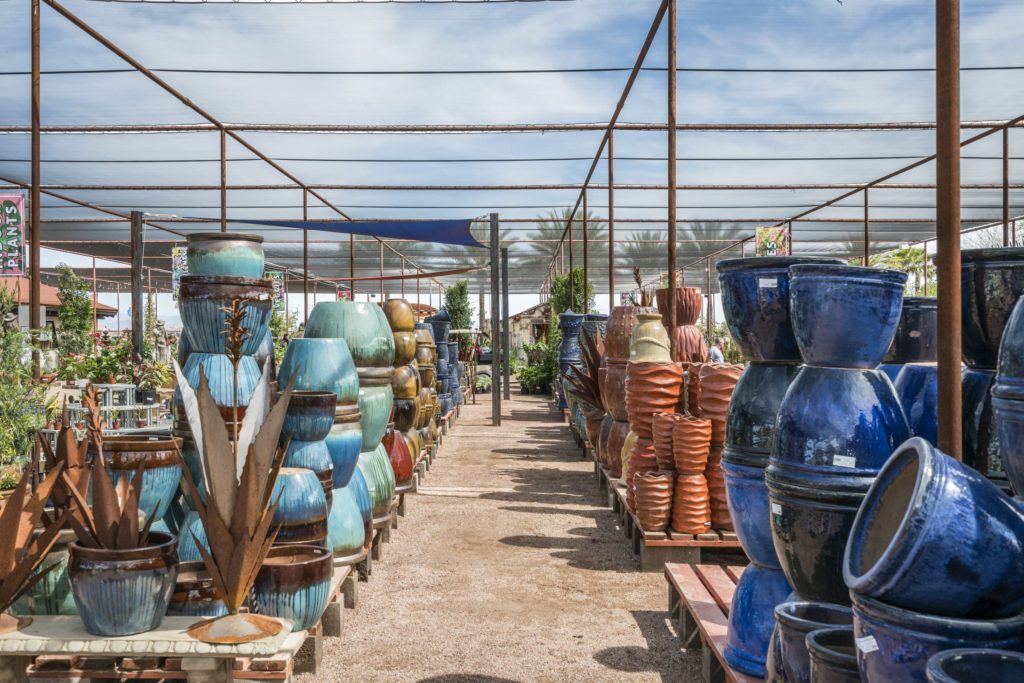
Annuals succeed or fail on what’s under them. We stock planting mix and compost for beds, potting mix for containers, bloom fertilizers including Tony’s Magic Mix and Magic Flower, starter fertilizer, drip fittings and frost cloth for the cold nights. The pottery yard has glazed and terracotta pots from 4-inch to whiskey-barrel size, window boxes and hanging baskets, and soil and mulch is sold by the bag or by the yard.
In its native mountains, yes. In Queen Creek it is best treated as cool-season color from February to May; a few plants survive summer in a dry, shaded pot.
Only when the mix is dry — every five to seven days in spring, every ten days in winter. It rots in wet soil.
Crown rot from wet soil or mulch against the crown. Plant high in gritty mix with gravel around the crown and water less.
Morning sun and afternoon shade. Full afternoon sun scorches it.
In a raised, gritty rock-garden pocket with perfect drainage, yes. A pot is easier.
Yes, non-toxic to cats and dogs.
Lewisia live on the annuals tables; any staff member can point you to them. Locally owned, and a short drive from San Tan Valley, Gilbert, Chandler and Mesa.