

Melissa officinalis — lemon-scented leaves for tea, a mint relative with the same manners. Morning sun, afternoon shade, regular water, and a pot to keep it from spreading.
Lemon balm is a mint in everything but flavor: a spreading perennial with crinkled, lemon-scented leaves that make a calming tea and brighten fruit salads and fish, and a habit of colonizing any bed it is planted in. In the low desert it wants the same treatment as mint — a container, morning sun with afternoon shade, and regular water — and it grows lush from October through May, flags in the summer heat, and comes back with the cooler nights.
Cut it back hard whenever it flowers or looks tired and it refreshes within weeks. The rest of the edible benches are on our Herbs & Vegetables page.
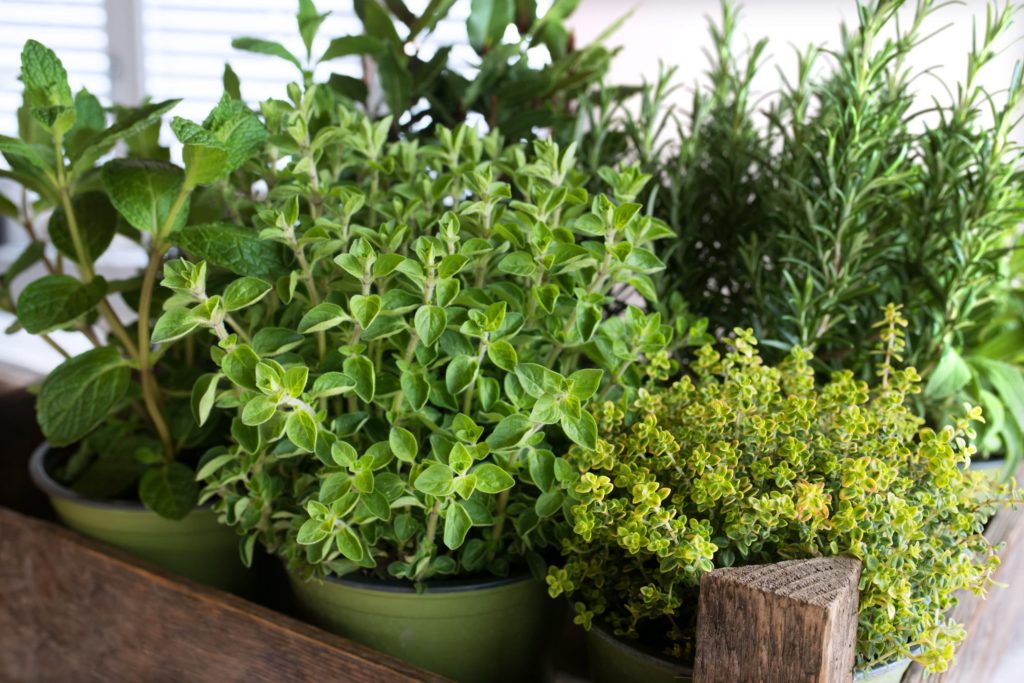
This is the lemon balm we commonly carry. Availability changes week to week and season to season, so call (480) 987-3308 or stop in to see what’s on the bench today.
A bushy, spreading perennial to two feet with crinkled, bright green, lemon-scented leaves and small white flowers in summer. Container plant; morning sun and afternoon shade.
Looking for one that isn’t listed? Ask — we can usually suggest a close match or tell you when it tends to come around.
The care tag was written somewhere else. This is the Queen Creek version.
Like mint, lemon balm spreads by runners and self-seeds prolifically. Grow it in a 12- to 16-inch pot, or a bed bounded by paving, and deadhead the flowers before they set seed unless you want volunteers everywhere.
Regular water: daily for pots in summer, every two to three days in spring and fall, weekly in winter. It wilts fast when dry and recovers, but repeated wilting browns the leaves. A moisture-retentive potting mix.
Perennial here; frost may brown the top growth, which regrows quickly. Divide the root mass every year or two in fall or early spring and replant one piece in fresh mix.
Full sun in the cool months, morning sun and afternoon shade from April through September. In summer sun the leaves scorch brown at the edges; in deep shade it grows leggy and mild. A covered patio or the east side of the house is ideal.
Shear the plant to a few inches above the soil whenever it flowers, gets leggy or browns in the heat — at least twice a summer and once in early spring. Fresh growth returns within two weeks. Harvest by cutting whole stems.
A light balanced fertilizer in spring and fall. Spider mites and whiteflies in summer; hose them off. Powdery mildew in crowded, humid conditions — cut back and improve airflow. Lemon balm is non-toxic to cats and dogs.
Photo of the bed, how much sun it gets and what you want to eat — we’ll match varieties and planting dates to it. Advice is free.
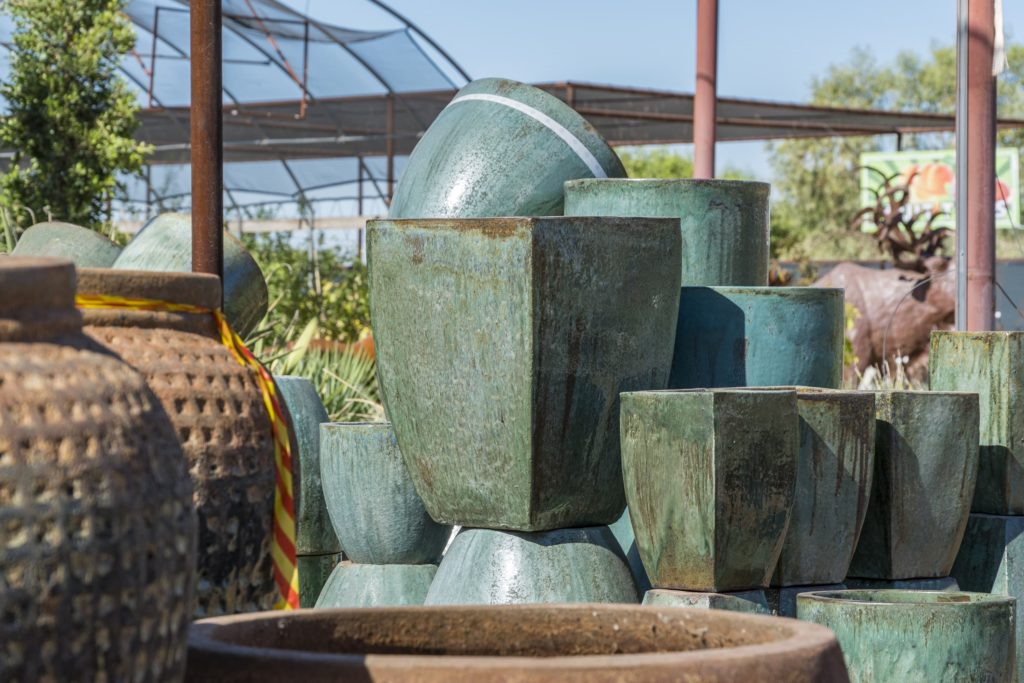
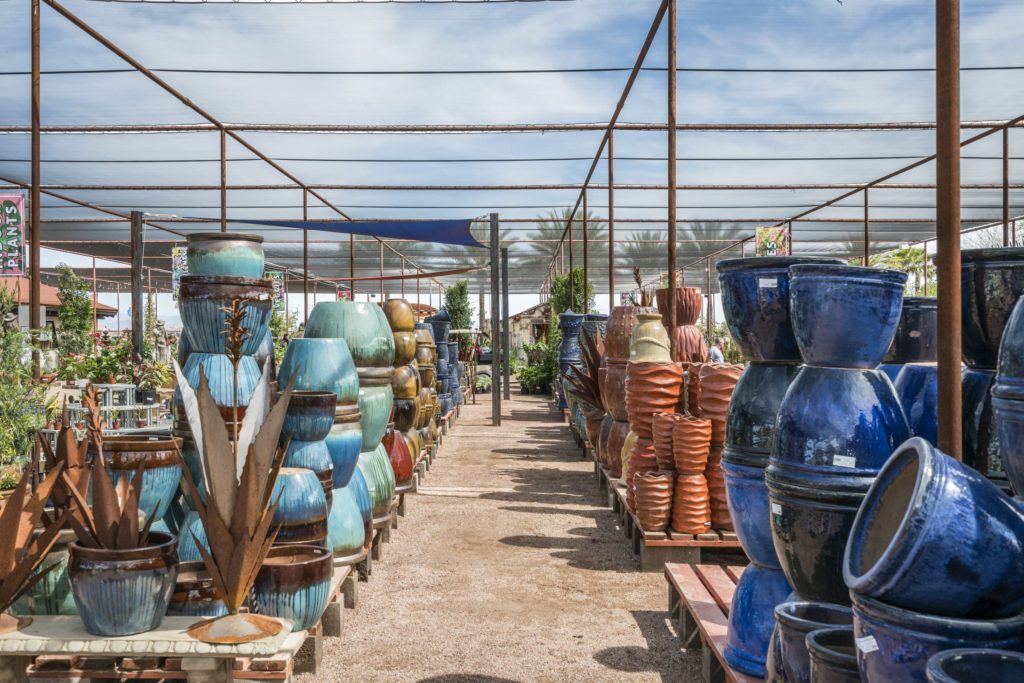
We stock raised-bed and vegetable planting mix, compost and steer manure by the bag or the yard, organic vegetable fertilizers, tomato cages and stakes, shade cloth for the May-to-September stretch, frost cloth for January, and drip fittings. The pottery yard has half-barrels and 15-gallon pots for patio vegetables, and soil and mulch is sold by the bag or by the yard.
Only in a contained bed. It spreads by runners and seed like mint and will take over. A pot is simpler.
Morning sun and afternoon shade. Full summer sun scorches it.
Daily for pots in summer, every two to three days in spring and fall, weekly in winter.
Heat. Cut it back hard, keep it in shade and watered, and it refreshes when nights cool in September.
Yes, it is perennial in Queen Creek. Divide it every year or two to keep it vigorous.
Yes, non-toxic to cats and dogs.
Lemon Balm live on the herb and vegetable benches; any staff member can point you to them. Locally owned, and a short drive from San Tan Valley, Gilbert, Chandler and Mesa.