

Curly ‘Dwarf Blue’ and tender ‘Red Russian’ for the cool season. Transplant September through February, pick the outer leaves all winter, and pull it when it bolts and turns bitter in May.
Kale is the most productive leafy green in the winter garden: plant it in fall and it yields a handful of leaves per plant every week from November until May, sweeter after each frost. It is tough, fast and rarely troubled by anything but aphids. ‘Dwarf Blue’ is the classic tightly curled Scotch kale on a compact plant; ‘Red Russian’ has flat, oak-leaf-shaped gray-green leaves with purple veins, more tender and better raw.
Both come. Full sun, rich soil, steady water, and harvest from the bottom up. The rest of the edible benches are on our Herbs & Vegetables page.
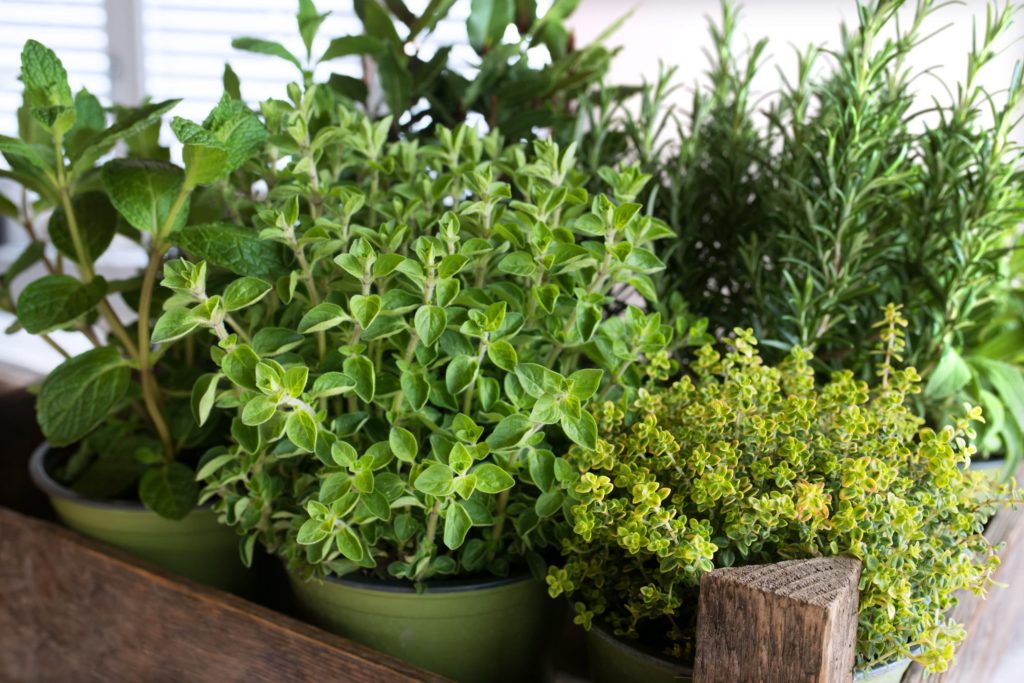
These are the kale varieties we commonly carry. Availability changes week to week and season to season, so call (480) 987-3308 or stop in to see what’s on the bench today.
Dwarf Blue Curled Scotch kale: densely frilled blue-green leaves on a compact plant to eighteen inches. Frost-sweetened, very hardy, and the standard for cooked kale and chips.
Flat, lobed gray-green leaves with red-purple stems and veins; tender enough for salads when young. Slightly less heat-tolerant than curly types but sometimes limps through summer in shade.
Looking for one that isn’t listed? Ask — we can usually suggest a close match or tell you when it tends to come around.
The care tag was written somewhere else. This is the Queen Creek version.
Transplant from mid-September through February. September plantings need shade cloth and daily water for the first two weeks; October and November are easiest. February plantings give a short spring harvest. Kale bolts and turns bitter when May heat arrives; pull it then and replant in fall.
Rich soil with compost and a balanced organic fertilizer at planting; kale is a heavy feeder. Space 12–18 inches apart. Even moisture on drip — every two to three days in fall and spring, every four to five in winter — with mulch. Drought makes the leaves tough and bitter.
Side-dress with a nitrogen-rich organic fertilizer every four to six weeks through the season, or feed liquid fish emulsion every three weeks. Pale, slow growth is hunger.
Full sun through winter. Afternoon shade in April and May extends the harvest a few weeks and keeps the leaves tender.
Pick the lowest, largest leaves first, a few per plant per week, leaving the growing center intact; the plant keeps producing upward like a small palm. Never cut the top. Leaves are sweetest after a frost. Young leaves for salads, older for cooking.
Aphids are the kale pest, arriving in force in warm spells and hiding in the curled leaves — hose hard every few days, use insecticidal soap, and soak harvested leaves in salt water. Cabbage worms early in fall; row cover or Bt. Kale is non-toxic to pets.
Photo of the bed, how much sun it gets and what you want to eat — we’ll match varieties and planting dates to it. Advice is free.
We stock raised-bed and vegetable planting mix, compost and steer manure by the bag or the yard, organic vegetable fertilizers, tomato cages and stakes, shade cloth for the May-to-September stretch, frost cloth for January, and drip fittings. The pottery yard has half-barrels and 15-gallon pots for patio vegetables, and soil and mulch is sold by the bag or by the yard.
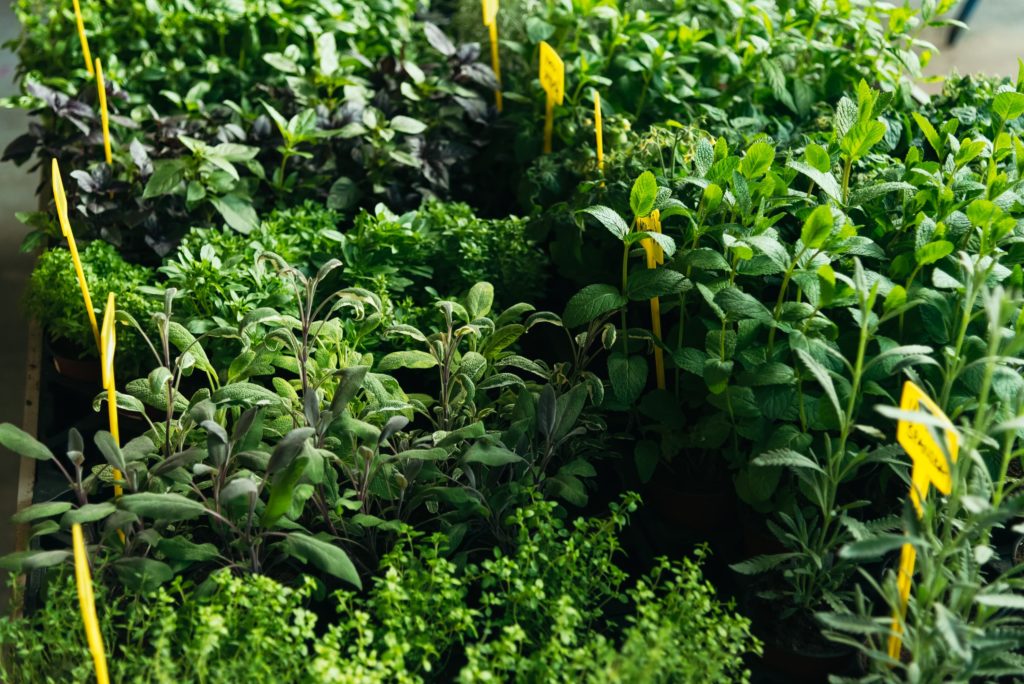
Mid-September through February. It produces from November through April and bolts in May heat.
Take the lowest leaves first, a few per plant each week, and never cut the growing center. The plant grows upward and keeps yielding for months.
Aphids love kale, especially in warm spells. Hose the plants hard every few days, spray insecticidal soap, and soak picked leaves in salted water to float them off.
Every two to three days in fall and spring, every four to five in winter, on drip with mulch. Even water keeps the leaves tender.
Rarely, and the leaves are bitter. ‘Red Russian’ sometimes limps through in shade. Better to pull it in May and replant in September.
Yes, in the amounts a pet might nibble.
Kale live on the herb and vegetable benches; any staff member can point you to them. Locally owned, and a short drive from San Tan Valley, Gilbert, Chandler and Mesa.