

‘Illumination’ — three feet of foliage that flares crimson, gold and bronze at the top as the season heats up. One of the few color plants that actually likes July.
Most annual color in the low desert quits in summer. Joseph’s coat amaranth is one of the rare exceptions: a tropical foliage plant whose upper leaves turn brilliant crimson, scarlet and gold precisely when the days are longest and hottest, standing three feet tall at the back of a border or in a big pot from June until frost. Plant it in spring in full sun and it does its best work in the months when nothing else does.
We commonly carry ‘Illumination’. Full sun, regular water, and go easy on the fertilizer — nitrogen turns it green. The rest of the color tables are on our Annual Flowers & Foliage page.

This is the joseph’s coat we commonly carry. Availability changes week to week and season to season, so call (480) 987-3308 or stop in to see what’s on the bench today.
Amaranthus tricolor ‘Illumination’: an upright plant to three or four feet whose top leaves color rose-red, gold and bronze from early summer, over green lower foliage.
Looking for one that isn’t listed? Ask — we can usually suggest a close match or tell you when it tends to come around.
The care tag was written somewhere else. This is the Queen Creek version.
Set out from mid-March, after frost and once nights are above 50°F, through June. It grows fast in the heat and colors from June until the first frost in late November. Plants set out in April are the tallest and best colored by midsummer.
Ordinary well-drained garden soil or a potting mix; it is not fussy. Water every two to three days in beds and daily in pots through summer, at the base. It wilts when dry and recovers, but steady water gives the largest, most colorful top growth.
Space plants a foot apart; a group supports itself. A single plant in a windy spot may need a stake by August. Pinch the tip in May for a bushier, shorter plant, or leave it for one tall column.
Full sun, all day. The color develops with heat and long days; in shade the plant stays green and floppy. It tolerates reflected heat off block walls better than almost any other annual.
A light balanced fertilizer at planting is enough. Nitrogen feeding produces lush green leaves at the expense of the colored top. If it is all green in July, stop feeding and give it more sun.
Aphids on new growth, and leaf-chewing caterpillars and grasshoppers in summer — hose, hand-pick or Bt. It self-sows freely; pull volunteers you don’t want. Frost kills it. Non-toxic to cats and dogs; the leaves are in fact edible cooked.
Snap a photo of the spot — sun direction, wall color, pot size — and we’ll pick a season-correct combination with you. Advice is free.
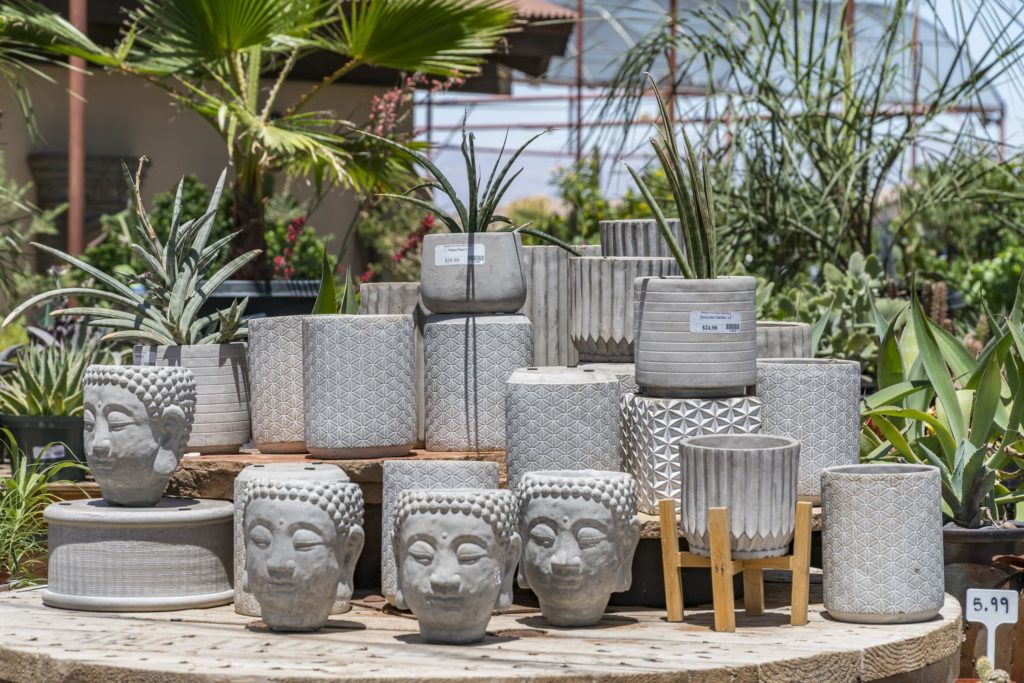
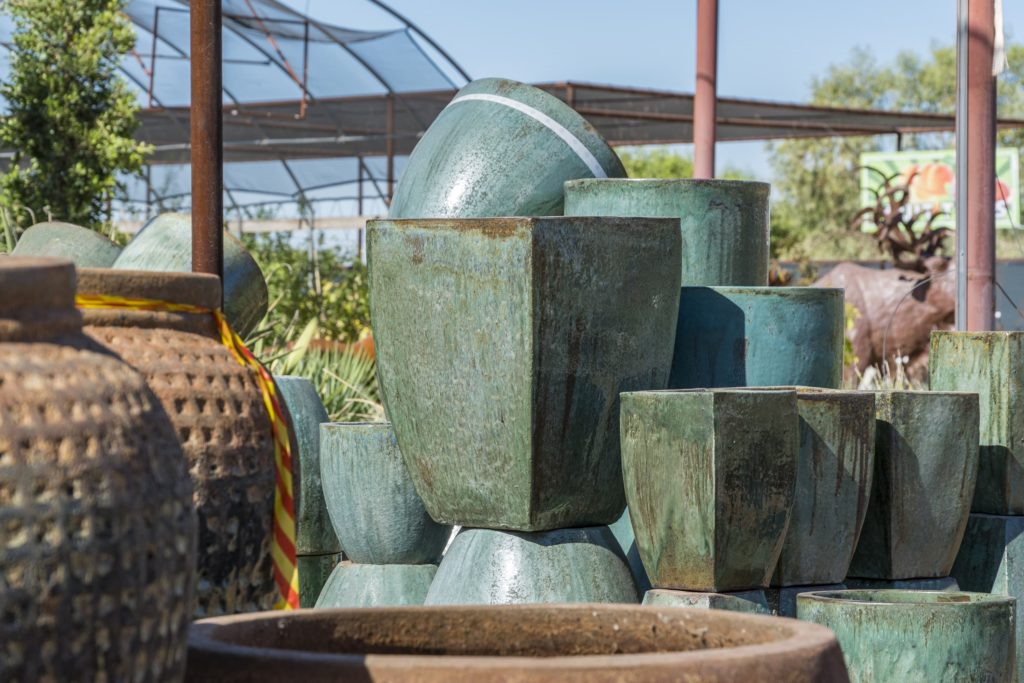
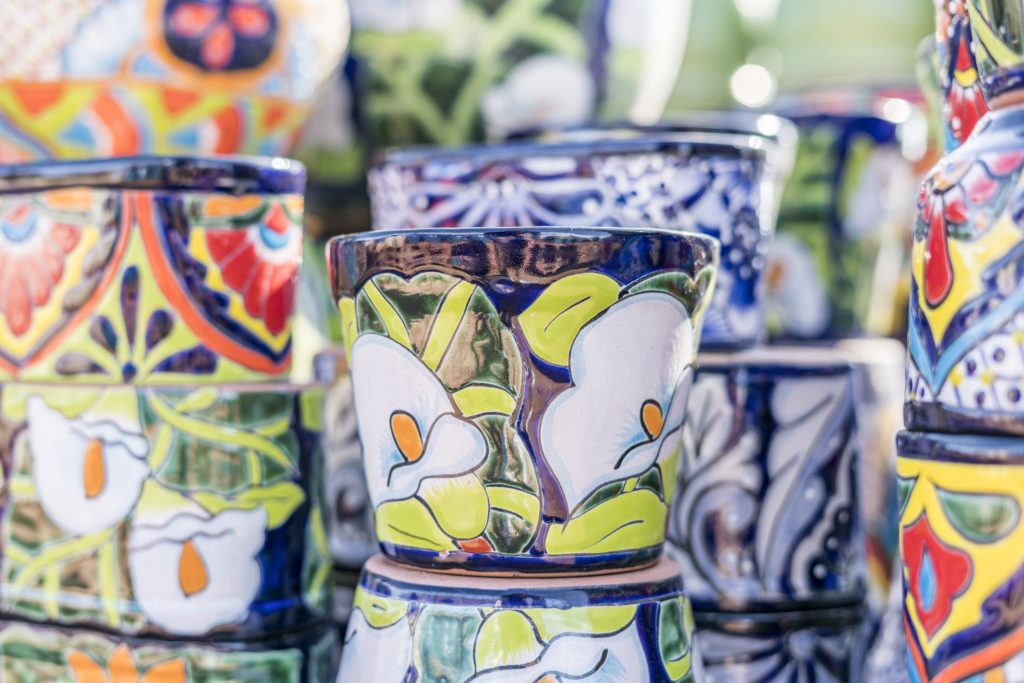
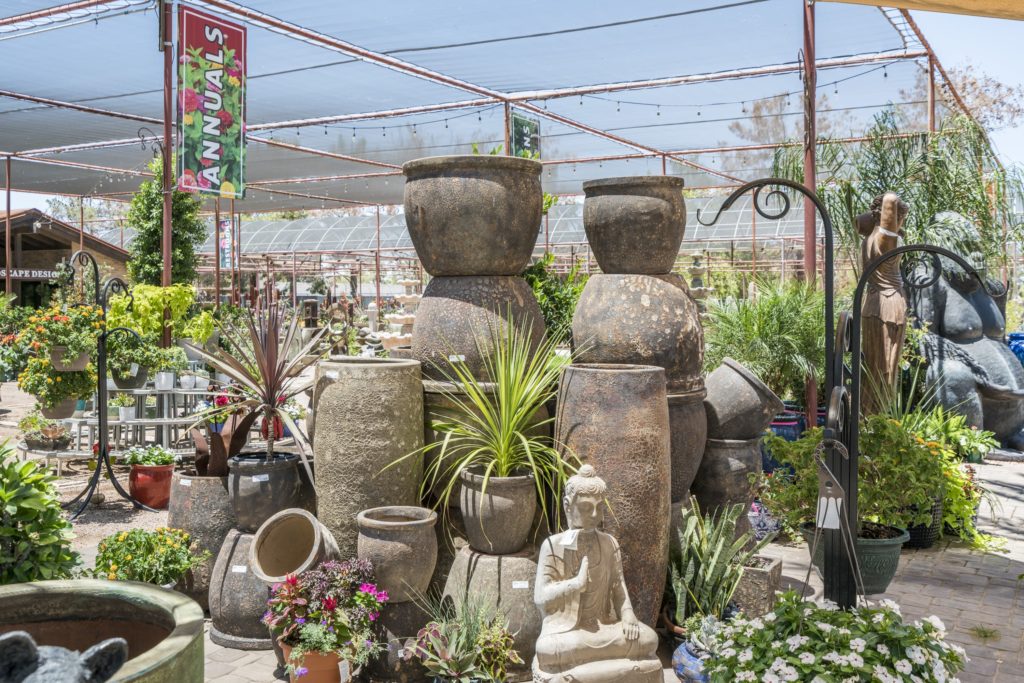
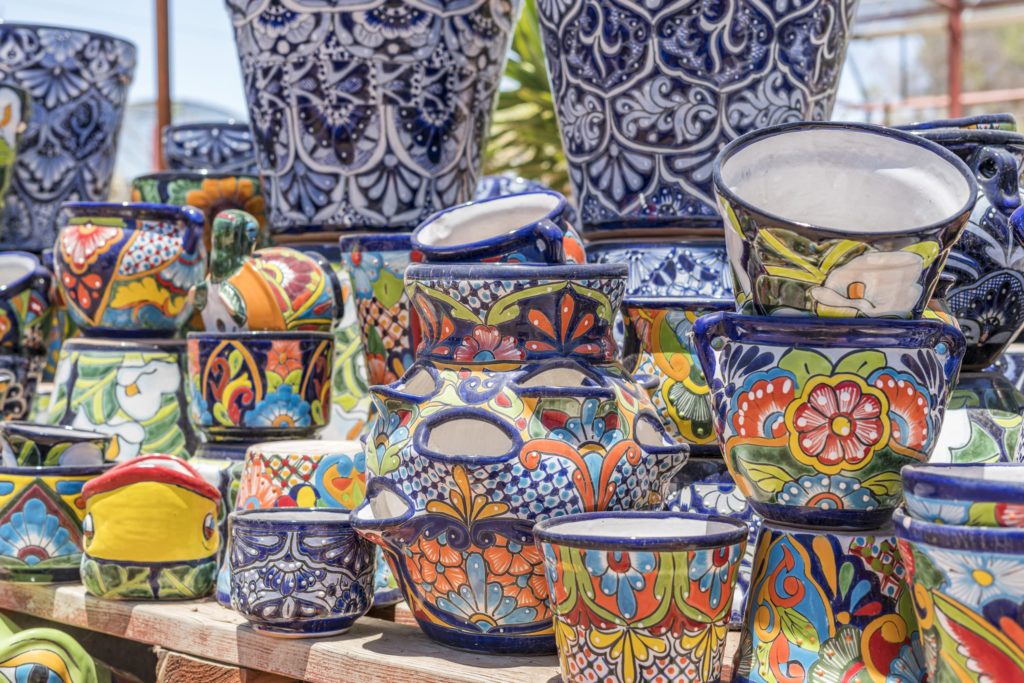
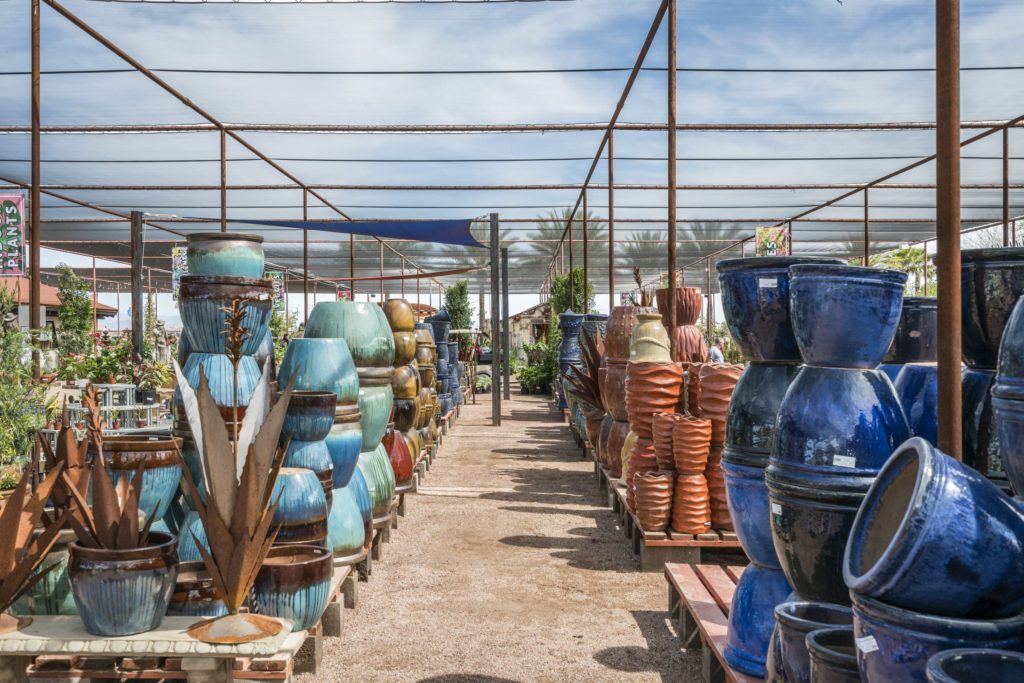
Annuals succeed or fail on what’s under them. We stock planting mix and compost for beds, potting mix for containers, bloom fertilizers including Tony’s Magic Mix and Magic Flower, starter fertilizer, drip fittings and frost cloth for the cold nights. The pottery yard has glazed and terracotta pots from 4-inch to whiskey-barrel size, window boxes and hanging baskets, and soil and mulch is sold by the bag or by the yard.
Not enough heat or sun yet, or too much nitrogen. The color develops from June in full sun; stop feeding and be patient.
Mid-March through June. It colors from early summer to frost.
Yes — it is one of the few annuals that prefers it, including reflected heat.
Every two to three days in beds and daily in pots through summer.
Three to four feet unpinched, shorter and bushier if you pinch the tip in May.
Yes, amaranth is non-toxic to cats and dogs.
Joseph’s Coat live on the annuals tables; any staff member can point you to them. Locally owned, and a short drive from San Tan Valley, Gilbert, Chandler and Mesa.